 Jess Davies18 July 2026
Designing Accessible Events
Designing accessible events ensures more people can share valuable experiences and engage meaningfully with the research.
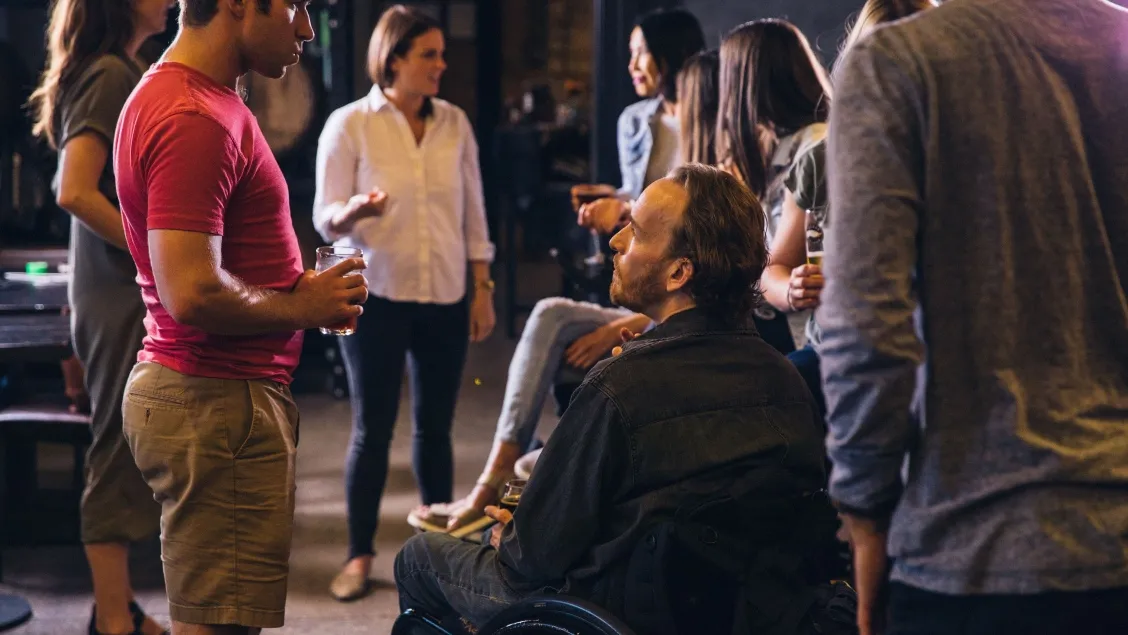
Designing accessible events ensures that all attendees can engage meaningfully with the research. It allows more people to attend and share valuable academic experiences. This benefits both guests and speakers, enriching scholarly discussions. It also helps the event run more smoothly, strengthening your business’s reputation in conference management.
In this article, we share useful tips for planning accessible events and discover why Sciforum can enhance inclusivity.
How to plan accessible events
Include people from diverse backgrounds in the planning process. This way, you can gain wider perspectives and make the event more personalised. By taking a thoughtful and considered approach, you can meet accessibility needs head-on. Creating an accessible event should be your main priority, alongside inclusive knowledge sharing.
Conference management tools like Sciforum provide a central hub for submission, peer review, and registration. With transparent systems in place, participants can see which speakers are attending and explore research beforehand. This gives attendees more time to familiarise themselves with the topics, allowing them to participate in discussions. Everyone should have an equal opportunity to get involved, so time management is essential.
Accessible events should be organised far in advance. By giving yourself plenty of time, you can prepare for potential complications and avoid them where possible. Arranging the event online also makes it more inclusive for those who live far away, as they can stay up to date with information. You should provide a clear, detailed overview on the webpage and include accessible public transportation options for getting to the venue. Furthermore, a dedicated email or phone line can help those with any additional questions.
Inclusivity in conference design
The physical environment has a major impact on event accessibility. You must choose a venue that meets your goals and is open about its limitations. Making false claims to your guests could damage your reputation and professional relationships. Inclusive events should be suitable for those with mobility, sensory, and cognitive needs.
For in-person events, consider whether there is step-free access into the building. Ensure the corridors are wide enough for wheelchair use, and that the lifts are working correctly. Avoid strobe or flashing lights and provide a low-sensory room for attendees who need a break from noise or crowds. Arrange regular food and drink breaks and adhere to dietary restrictions. You should collect this information ahead of the event to avoid any issues.
Beyond the physical layout, conference equipment should be tested to ensure it functions properly. This includes high-quality microphones and speakers, as well as hearing loops for guests. Accessible presentations should include live or automated captioning, high-contrast slides and printed materials.
Event accessibility checklist
Use this checklist to assess whether your event is meeting key accessibility criteria, keeping in mind that it can be adapted to suit your needs:
- Plan inclusively: Define accessibility goals early, allocate budget, and collect attendee access needs during registration.
- Ensure physical access: Step‑free routes, accessible toilets, clear signage, good lighting/acoustics.
- Make digital content accessible: Follow Web Content Accessibility Guidelines (WCAG), provide accessible registration forms, alt text, and screen‑reader‑friendly documents.
- Improve communication methods: Live captioning, transcripts, sign‑language interpreters, and plain‑language communication.
- Support sensory and cognitive needs: Quiet rooms, predictable schedules, clear instructions, and low‑stimulus options.
- Offer assistive technology: Hearing loops, microphones, accessible slides, and tested AV equipment.
- Train staff for accessibility: Prepare staff to assist respectfully, manage emergencies inclusively, and run an accessibility help point.
- Review and follow up: Collect accessible feedback, evaluate what worked, and improve future events.
Fostering inclusive research
Accessibility not only refers to the event’s structure but also to who presents the research. To foster inclusive research, ensure that the guest speakers come from diverse backgrounds. Participants will feel more included if they are represented equally in academic spaces. It also strengthens connections by encouraging more thoughtful discussions between scholars.
If requested, offer sign language interpreters and advertise availability in advance. Allow attendees to specify their access needs during sign‑up and brief all staff on disability etiquette and emergency procedures. Provide materials in large print, plain text, and digital formats for accessibility purposes. Additionally, the event website, registration forms, and schedules should meet WCAG 2.1 AA standards. After the event, send out a survey to gain feedback on accessibility experiences and review improvements for future events.
Conference management systems can help support you from start to finish. With customisable features and flexible payment options, explore why Sciforum is the right tool for you. Submit a proposal today and start planning your academic event.