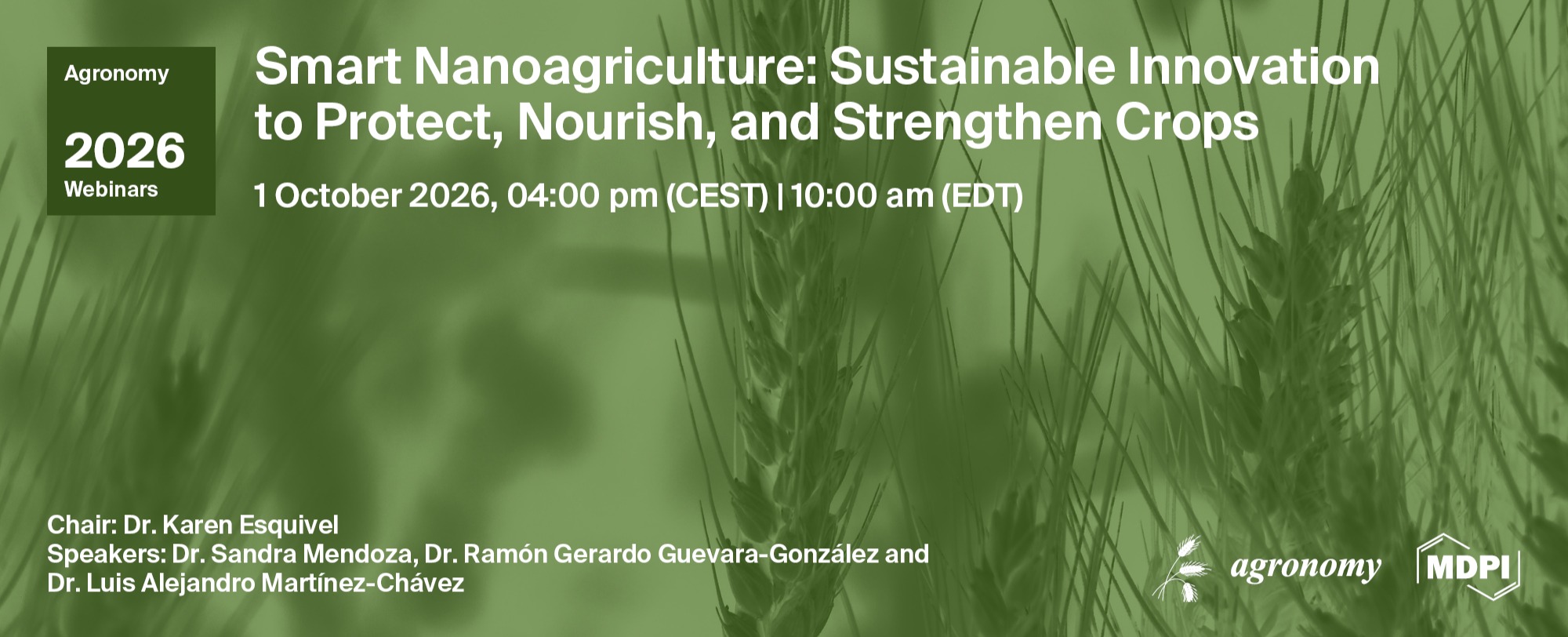
Agronomy Webinar | Smart Nanoagriculture: Sustainable Innovation to Protect, Nourish, and Strengthen Crops
the chair
12th Agronomy Webinar
Smart Nanoagriculture: Sustainable Innovation to Protect, Nourish, and Strengthen Crops
Dear colleagues, distinguished speakers, and participants,
It is my pleasure to welcome you to the Agronomy webinar “Smart Nanoagriculture: Sustainable Innovation to Protect, Nourish, and Strengthen Crops.”
Agriculture is currently facing the challenge of increasing crop productivity and resilience while reducing environmental impacts and ensuring the safe and efficient use of resources. In this context, nanotechnology offers promising opportunities to develop innovative approaches for crop protection, plant nutrition, biostimulation, and the management of agricultural stress.
However, smart nanoagriculture goes beyond simply introducing nanomaterials into agricultural systems. Understanding how their physicochemical properties influence their interactions with plants, microorganisms, and the surrounding environment is essential for translating these technologies into sustainable and responsible agricultural practices.
Today’s webinar brings together different but complementary perspectives on these challenges. Our speakers will explore how nanomaterials can interact with biological systems, influence plant and microbial responses, and contribute to innovative strategies for more sustainable agriculture.
I would like to sincerely thank our speakers for sharing their expertise with us, as well as Agronomy and the MDPI team for organizing and supporting this webinar. I also thank all of you joining us today from different institutions and countries.
I hope that today’s presentations will encourage discussion, new ideas, and future collaborations at the interface of nanotechnology, plant science, and sustainable agriculture.
Welcome, and I hope you enjoy the webinar.
Date: 1 October 2026
Time: 4:00 pm CEST
Webinar ID: 833 6873 3696
Webinar Secretariat: journal.webinar@mdpi.com
Meet Our Chair
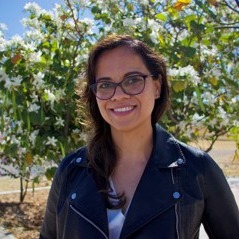
Graduate and Research Division, Engineering Faculty, Universidad Autónoma de Querétaro, Cerro de las Campanas, Querétaro, Santiago de Querétaro 76010, Mexico;Full-time professor at the Autonomous University of Queretaro in the Nanotechnology department of the Engineering Faculty. She has worked at the university since 2011. She has been a member of the National System of Researchers of the National Science and Technology Council since 2012. Throughout her short career in the academia, her goal has been to contribute to scientific and technological development and give back to the scientific community through different published research. Within the work, different topics of scientific interest stand out, such as new methods for synthesizing nanostructured materials through chemical processes assisted by external energy sources like sonochemistry and microwaves. The materials that have been developed have applications as smart materials, in advanced oxidation processes for the treatment of water and air, as well as for their toxicological and elicitor evaluation in diverse plant species.
Meet Our Speakers
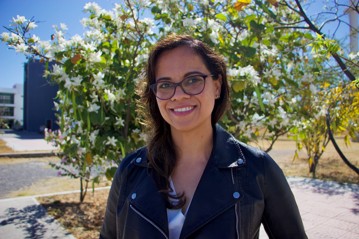
Graduate and Research Division, Engineering Faculty, Universidad Autónoma de Querétaro, Cerro de las Campanas, Querétaro, Santiago de Querétaro 76010, Mexico;Karen Esquivel is a full-time professor at the Autonomous University of Querétaro in the Nanotechnology department of the Engineering Faculty. She has worked at the university since 2011. She has been a member of the National System of Researchers of the National Science and Technology Council since 2012. Throughout her short career in academia, her goal has been to contribute to scientific and technological development and give back to the scientific community through different published research. Within her work, different topics of scientific interest stand out, such as new methods for synthesizing nanostructured materials through chemical processes assisted by external energy sources like sonochemistry and microwaves. The materials that have been developed have applications as smart materials, in advanced oxidation processes for the treatment of water and air, as well as for their toxicological and elicitor evaluation in diverse plant species.
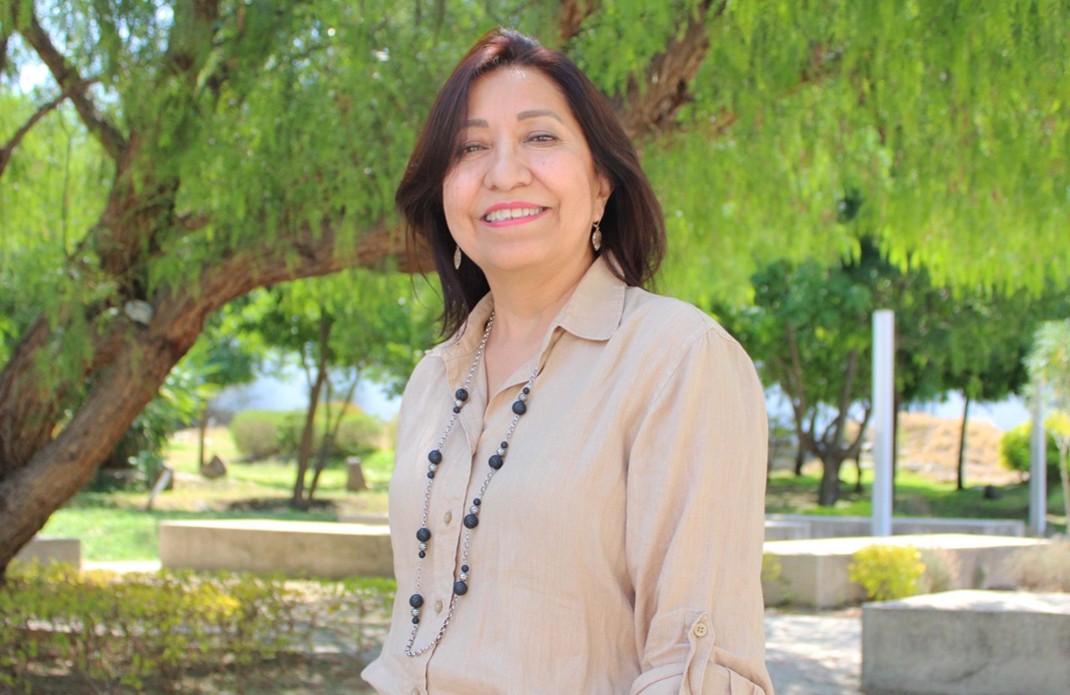
Food Science and Technology Program, Laboratory of Micro and Nanoencapsulation. Division of Postgraduate Studies, Faculty of Chemistry, Universidad Autónoma de Querétaro, Centro Universitario, Querétaro, Qro., México.;Sandra Olimpia Mendoza Díaz was born in Mexico City. She obtained the pharmaceutical chemistry degree at the UNAM, where she also obtained a master's degree in Pharmaceutical Sciences. She graduated with a Ph.D. in Chemistry from the University of Miami. She joined UAQ, where she has performed functions in which research activities, human resources training, management and academic–administrative tasks have been balanced. Dr. Mendoza's research work includes the development of micro- and nano-particulate encapsulation systems based on polysaccharides and plant proteins, as well as the implementation of electrochemical techniques for the characterization of these types of systems. Her research work has resulted in 98 publications with strict arbitration and international circulation (h=40, Scopus), which to date have 5170 citations in the specialized scientific literature. She is a member of the Mexican Academy of Sciences and the National System of Researchers, where she has held a Level 3 appointment since 2020.
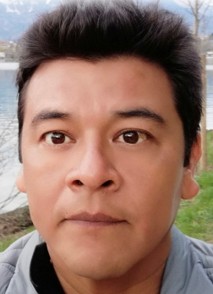
Center of Applied Research in Biosystems. School of Engineering. Autonomous University of Querétaro. Amazcala, El Marqués, Querétaro, México.;Ramón Gerardo Guevara-González has a Bachelor's in Chemistry and Microbiology, a Master's, and a PhD in Plant Biotechnology. He is a professor at the School of Engineering, Campus Amazcala. His expertise includes Plant Molecular Biology, Plant Pathology, Plant Biochemistry, Plant Physiology of Stress and Agricultural Microbiology. He is an Associate Editor for the following journals: Scientia Horticulturae (Elsevier), Frontiers in Plant Science (Frontiers Media), Plants (MDPI) and BMC Plant Biology (Springer Nature). In total, he has published two hundred and twenty-two papers in journals indexed in the Journal Citation Reports (H-Index 39). His current research focuses on plant stress responses to physical, chemical and biological stressors based on hormetic responses in plants and microorganisms, for future sustainable agricultural strategies.
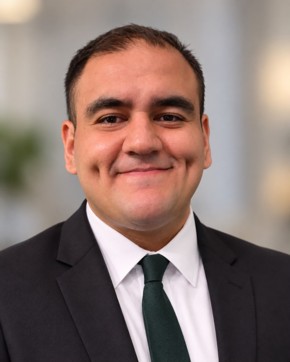
Graduate and Research Division, Engineering Faculty, Universidad Autónoma de Querétaro, Cerro de las Campanas, Querétaro, Santiago de Querétaro 76010, Mexico;Dr. Luis Alejandro Martínez-Chávez is a faculty member and researcher at the Faculty of Engineering, Universidad Autónoma de Querétaro, Mexico. He holds a Ph.D. in Engineering, and his research focuses on the synthesis and characterization of nanomaterials, plant–nanomaterial interactions, nanosafety, photocatalysis, and environmental remediation. His current work explores the sustainable applications of nanotechnology in agriculture and water treatment, with particular emphasis on the biological effects and safety of metallic and metal oxide nanoparticles. He also teaches courses in materials science, nanotechnology, and chemistry.
This is a FREE webinar. After registering, you will receive a confirmation email containing information on how to join the webinar. Registrations with academic institutional email addresses will be prioritized.
Certificates of attendance will be delivered to those who attend the live webinar.
Can't attend? Register anyway, and we'll let you know when the recording is available to watch.
Register for free here!
| Speaker/Presentation | Time in CEST | Time in EDT |
| Dr. Karen Esquivel Chair Introduction |
4:00 - 4:05 pm | 10:00 - 10:05 am |
|
Dr. Sandra Mendoza Díaz |
4:05 - 4:25 pm | 10:05 - 10:25 am |
| Dr. Ramón Gerardo Guevara-González Plant and Microbial Responses to Nanomaterials in Agriculture |
4:25 - 4:45 pm | 10:25 - 10:45 am |
| Dr. Luis Alejandro Martínez Chávez Nanomaterials Across the Agri-food Chain |
4:45 - 5:05 pm | 10:45 - 11:05 am |
| Q&A | 5:05 - 5:15 pm | 11:05 - 11:15 am |
| Dr. Karen Esquivel Closing of Webinar |
5:15 - 5:20 pm | 11:15 - 11:20 am |


Multifunctional Nanoparticles and Nano-Enabled Pesticides, Herbicides, and Fertilizers in Agricultural Applications
Guest Editors: Dr. Karen Esquivel Escalante and Prof. Dr. Ana Angelica Feregrino Perez
Deadline for Manuscript Submission: 30 November 2026