Animals Webinar | Precision Animal Health: Microbiome Insights and Advanced Diagnostic Tools
the chair
5th Animals Webinar
Precision Animal Health: Microbiome Insights and Advanced Diagnostic Tools
Hello everyone,
I am Janghan Choi, Assistant Professor of Animal Nutrition and Microbiology at Texas Tech University, USA. The Animal Science Cluster Editorial Team at MDPI is pleased to welcome you to the webinar “Precision Animal Health: Microbiome Insights and Advanced Diagnostic Tools.”
For this event, we have invited two distinguished researchers who have made significant advances in animal microbiome science and precision diagnostic technologies. Dr. Tansol Park, Associate Professor of Ruminant Nutrition and Microbiome at Chung-Ang University, South Korea, will discuss future research directions in the ruminant microbiome and related developments published in journals such as Scientific Reports, Fermentation, Microorganisms, and Animals. Dr. Xiang Li, Assistant Professor of Precision Animal Health at the University of Tennessee–Knoxville, United States, will present his work on precision diagnostics, focusing on leveraging qPCR for rapid and accurate microbial identification, with publications in journals including Poultry Science, PLOS ONE, and Applied and Environmental Microbiology.
This webinar aims to promote academic exchange, highlight impactful research in animal science, and foster meaningful discussion within the global research community. We look forward to your participation in the 2026 MDPI Animal Science Cluster Title Story Authors Webinar.
Date: 7 May 2026
Time: 8:00 pm EDT | 7:00 pm CDT
Webinar ID: 833 9749 7870
Webinar Secretariat: journal.webinar@mdpi.com
Meet Our Chair
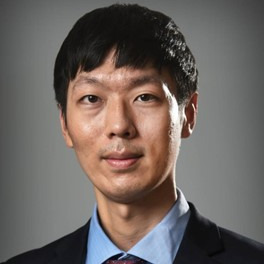
Texas Tech University, Lubbock, TX, United States;Janghan Choi, PhD, is an Assistant Professor of Nutrition and Microbial Ecology in the Department of Animal and Food Sciences at Texas Tech University. His research focuses on gut microbiome ecology and applied nutrition for improving health, productivity, and food safety in monogastric animals, including swine and poultry. Dr. Choi integrates microbiome science, omics technologies, and production-oriented nutrition to investigate host–microbe interactions, control foodborne pathogens, and enhance animal resilience under environmental and nutritional stress. His work bridges pre- and post-harvest systems to improve both animal performance and meat quality. He has authored over 50 peer-reviewed publications and leads multiple competitively funded and industry-supported research projects.
Meet Our Speakers
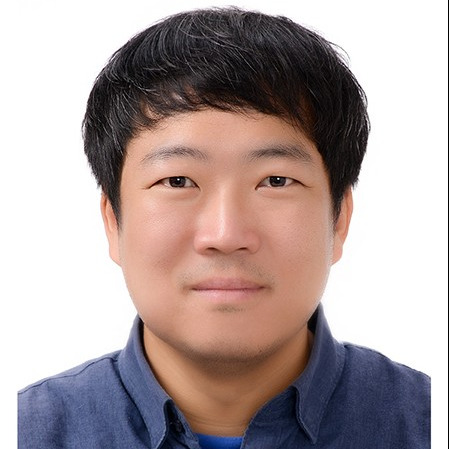
Ruminant Nutrition and Microbiome, Chung-Ang University, South Korea;Dr. Tansol Park currently works as an associate professor in the Department of Animal Science and Technology at Chung-Ang University. He received his PhD degree in animal science from Ohio State University in 2017. His research primarily concentrates on gut microbiology, with a particular emphasis on the rumen microbiome and its impact on nutrient utilization efficiency in ruminants. Furthermore, Dr. Park has a significant interest in rumen protozoology, exploring its role in symbiotic microbial associations, methane mitigation and the enhancement of nitrogen utilization efficiency.
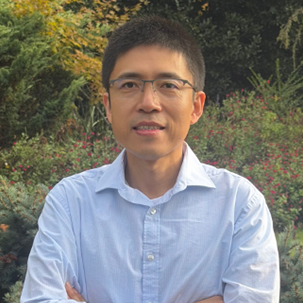
Precision Animal Health, University of Tennessee-Knoxville, United States;My research focuses on applying molecular microbiology (especially PCR techniques), metagenomics, microbial source tracking, statistics, and bioinformatics to improve food safety and microbial management in animal production systems. I have led and contributed to projects involving foodborne pathogen surveillance (Salmonella, Listeria, Campylobacter), antimicrobial resistance monitoring, and microbiome-based risk assessment in poultry environments. Through the development and application of novel duplex qPCR assays, machine learning models, and high-throughput sequencing tools, I work to understand pathogen ecology, evaluate interventions, and enhance microbial diagnostics. I am particularly interested in: (1) How microbiomes, resistomes, and environmental factors shape pathogen dynamics in animal production. (2) Developing metagenomic or molecular proxies for complex traits like health, productivity, or disease resistance. (3) Using microbial and host-associated data to inform precision interventions and reduce zoonotic risk. (4) Exploring microbial indicators of antimicrobial use, animal welfare, and environmental sustainability. Ultimately, my goal is to leverage microbiome science, bioinformatics, and molecular tools to improve animal health, food safety, and environmental resilience in agricultural systems.


Edited by Dr. Janghan Choi
Deadline for manuscript submissions: 31 December 2026
In this section, you will find the recordings of this webinar to watch, re-watch and share with your colleagues!