Applied Sciences Webinar | Biohydrogen Production
the chairs
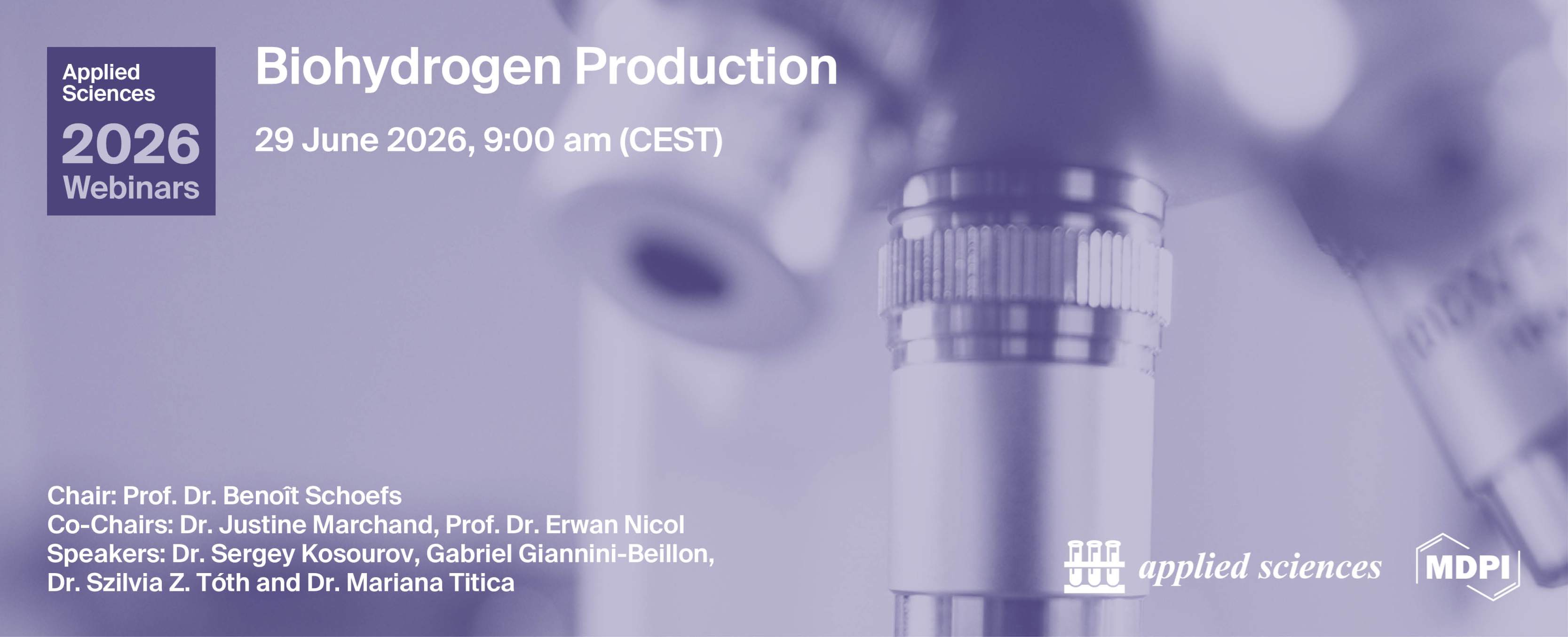
28th Webinar of Applied Sciences
Biohydrogen Production
Good morning, good afternoon, and good evening to everyone joining us from different parts of the world.
On behalf of the organizing committee, it is my pleasure to welcome you to this webinar discussing a hot topic "Biohydrogen production"
I am Prof. Benoît Schoefs, the chair of today’s webinar. With me, I have Dr Justine Marchand, who is an Assistant Professor in Molecular Biology at the research unit Biology of Organisms Stress Health and Environment at Le Mans University, France and Dr Erwan Nicol. Professor of Chemistry and physico-chemistry of polymers at the Institute of Molecules and Materials at Le Mans University.
Thank you for taking the time to join us and for your interest to this important and rapidly evolving area of research.
During today’s webinar, four speakers will present their latest research on biohydrogen production by microalgae. I will first briefly introduce the scope and objectives of the webinar. Afterwards, Dr Sergey Kosourov (University of Turku, Finland) will provide an overview of strategies developed to overcome these bottlenecks and to enable algal cells to operate as efficient and sustainable biocatalysts. Then, Dr Gabriel Giannini Beillon (Le Mans University, France) will discuss the effect of microalgae immobilization in hydrogels on their biohydrogen production capacity. This lecture will be followed by the lecture of Dr Szilvia Tóth (HUN-REN Biological Research Centre, Szeged, Hungary). She will present and discuss the advantages brought by molecular engineered microalgae for biohydrogen production. The final talk will be delivered by Dr Mariana Titica (Nantes University, France) who will discuss scaling-up and engineering of biohydrogen production by microalgae.
Each talk will be followed by an open Q&A session, and I strongly encourage you to use that time to ask questions about topic.
Once again, thank you for joining us. We look forward to your participation today and to receiving your contributions to this webinar.
Date: 29 June 2026
Time: 9:00 am CEST | 03:00 pm CST Asia
Webinar ID: 879 4582 3060
Webinar Secretariat: journal.webinar@mdpi.com
Meet Our Chairs
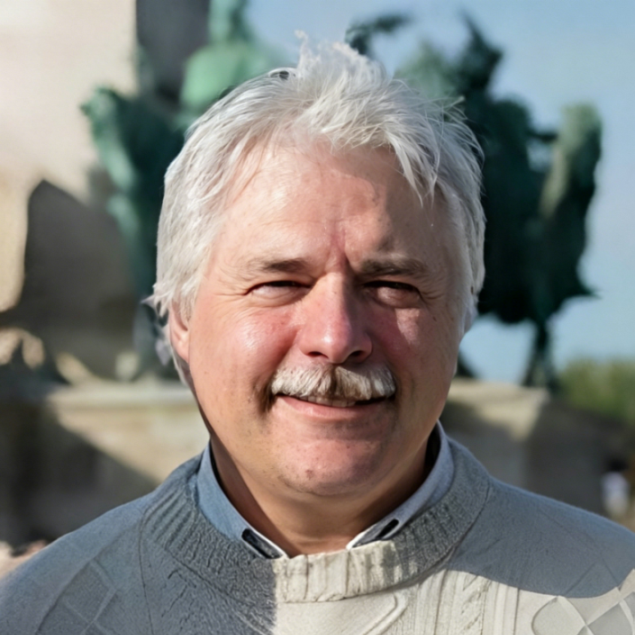
Metabolism, Bioengineering of Microalgal Molecules and Applications (MIMMA), Biology of Organisms, Stress, Health and Environment (BiOSSE), Le Mans University, 72085 Le Mans, France;Benoît Schoefs, plant physiologist, graduated from the Department of Botany, University of Liège (Belgium) in 1994. He worked for the University of Liège (1994-96), the South Bohemia University 1996-2000, the French National Center for Scientific Research (CNRS) 2000-03. Professor (tenure) in Plant Physiology at the University of Dijon (France, 2003-11), he joined Le Mans University in September 2011 (France). He lead the research group MIMMA until 2024. Presently, he acts as the director of the laboratory BiOSSE. At present, he has published more than 140 papers in international journals and monographies. He served as editor for books and special issues. He is a member of the editorial board of Algal Research, Applied Sciences, Botany Letters, , Communicative and Integrative Biology, Frontiers in Plant Science and Marine Drugs. He is the authors of 5 patents. In addition to the Prize ‘D. Clos’ from the Academy of Sciences of Toulouse (France, 1998) for his PhD work, he won in 1998 the annual scientific competition organized by the Belgian Academy of Science for his work on pigment biosynthesis. His research is focused on the physiological (photosynthesis, respiration), biochemical (carbon metabolism, pigments) and molecular responses (transcription factors) of photosynthetic organisms, including algae, to biotic or abiotic stresses and biotechnological applications such as biocompatible extraction of biocompounds and biohydrogen production.
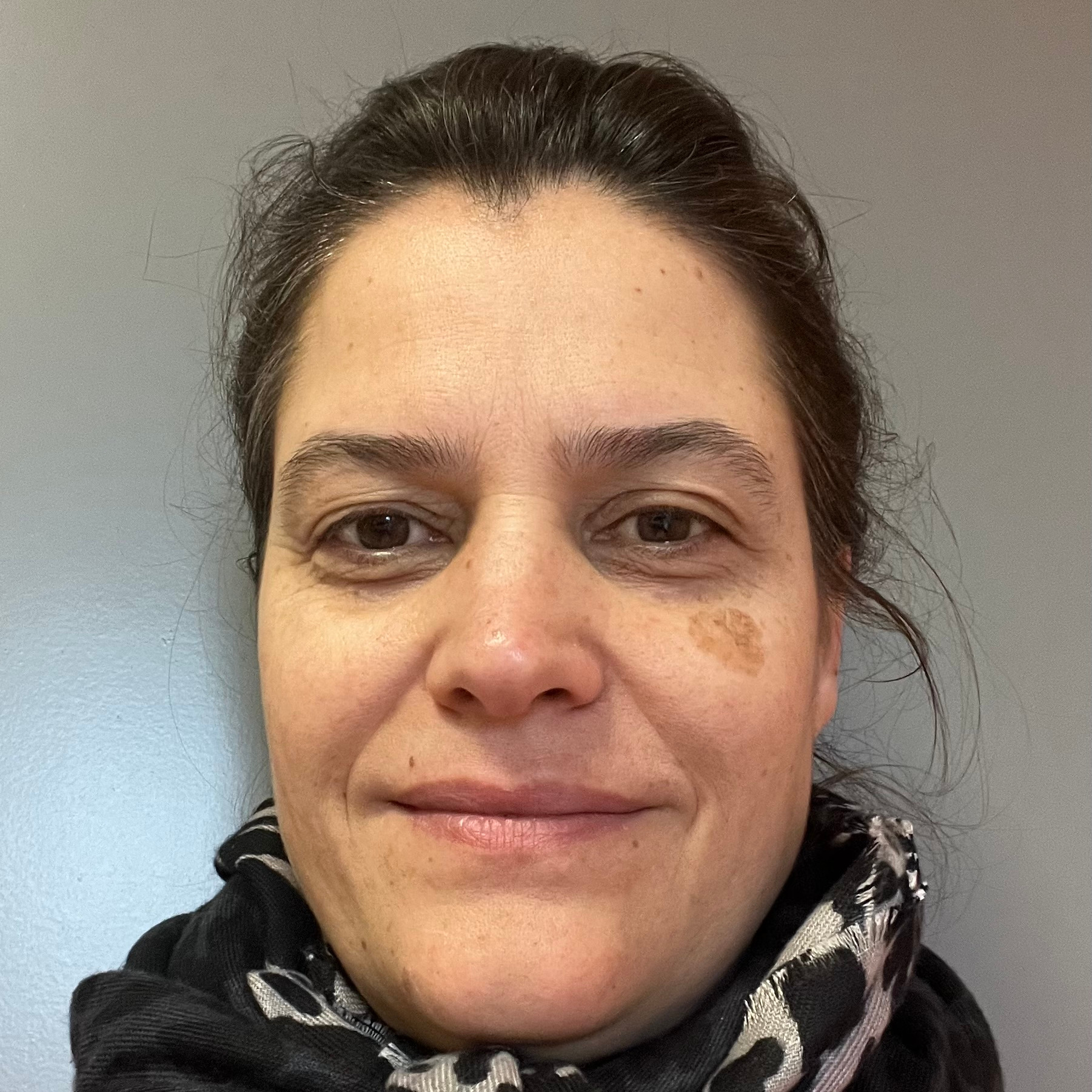
Metabolism, Bioengineering of Microalgal Molecules and Applications (MIMMA), Laboratory of Biology of Organisms, Stress, Health and Environment, Le Mans University, 72085 Le Mans, France;Justine Marchand, molecular biologist, completed her PhD in 2006 at the LEMAR laboratory (Bretagne Occidentale University, France). Since 2007, she has joined the Sea, Molecules and Health laboratory and then the Laboratory of Biology of Organisms, Stress, Health and Environment (Le Mans, France) as an Assistant Professor. Her early research career focused on marine ecotoxicology in mollusks, crustaceans, and fishes, investigating molecular processes of acclimation and adaptation to environmental contaminants such as metals and pesticides. Her research then focused on the study of microalgae as cell factories for sustainable molecule production. She investigates metabolic understanding and reprogramming in the diatom Phaeodactylum tricornutum to enhance lipid accumulation for bioenergy and nutritional applications, using multidisciplinary approaches including photobioreactor cultivation, CRISPR-Cas9 genome editing, molecular biology, and FTIR spectroscopy. She also develops innovative, eco-friendly extraction methods based on pulsed electric fields for species such as Haematococcus pluvialis, Chlorella vulgaris, and Arthrospira platensis. She also explores microalgal immobilization strategies and biohydrogen production, particularly using Chlamydomonas reinhardtii, to develop sustainable biotechnological applications.
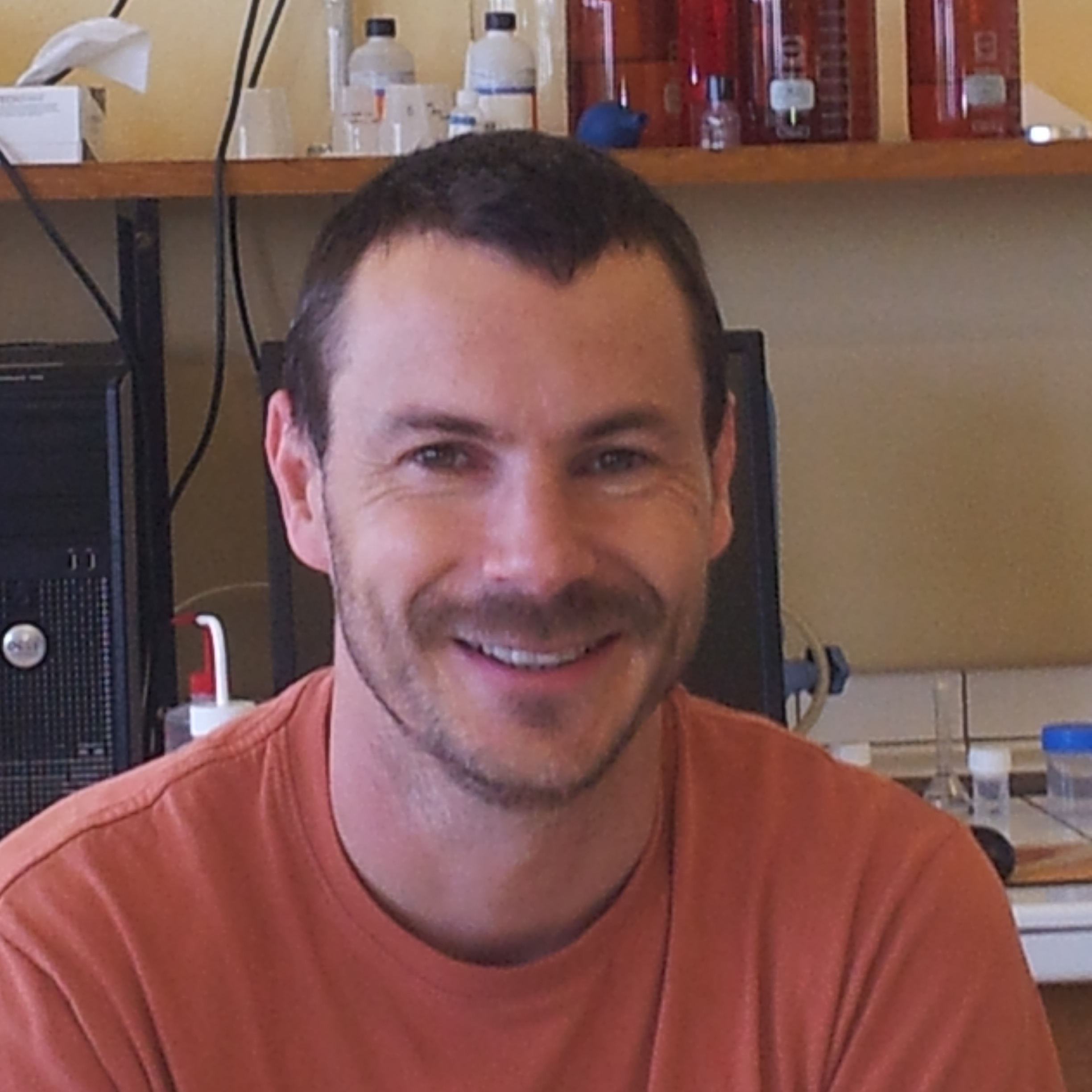
Institut des Molécules et Matériaux du Mans (IMMM), Le Mans University, 72085 Le Mans, France;Erwan Nicol is a chemist and physico-chemist of polymers. He obtained his PhD in Le Mans University (France) in 2000. He completed a postdoctoral fellowship at the University of Patras in Greece, where he studied the bulk behavior of polymers using Monte Carlo simulation. Then, he did another postdoctoral fellowship at the Université Catholique de Louvain in Belgium, where he focused on self-assembled polyelectrolyte multilayers. He started working on photopolymerizable self-assembled polymers at Le Mans University in 2003. In 2005, he was recruited as an assistant professor. He currently serves as a full professor and leads the "self-assembly, polymers, plasmas" team (A2P2) at the Institut des Molécules et Matériaux du Mans (IMMM). His research is primarily focused on self-assembled microstructured hydrogels and 1D supramolecular self-assemblies.
In this section, you will find the recordings of this webinar to watch, re-watch and share with your colleagues!
Meet Our Speakers
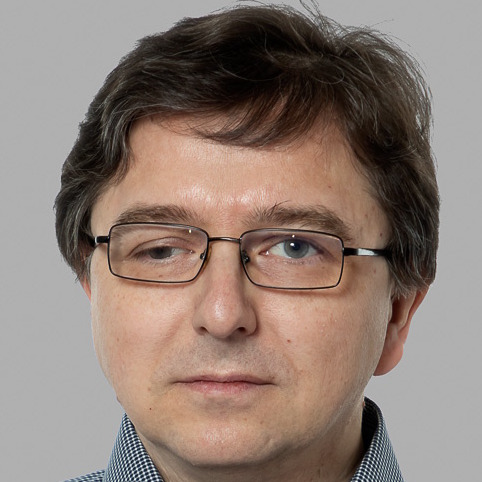
Dr. Sergey Kosourov
Molecular Plant Biology, Department of Life Technologies, University of Turku, FI-20014 Turku, Finland;Dr. Sergey Kosourov is a Senior Research Fellow in the Molecular Plant Biology unit at the University of Turku, Finland. He obtained his PhD in plant physiology from Moscow State University and conducted postdoctoral research on hydrogen production in green algae at the National Renewable Energy Laboratory (DOE, USA). Since 2013, he has been a member of the Photosynthetic Microbes research group at the University of Turku. His expertise includes photosynthetic production of solar fuels and chemicals in green algae and cyanobacteria, regulation of photosynthetic electron transport, and the physiology and stress responses of phototrophic microorganisms. His current research focuses on solid-state photosynthetic cell factories and biohybrid materials for sustainable solar-driven production
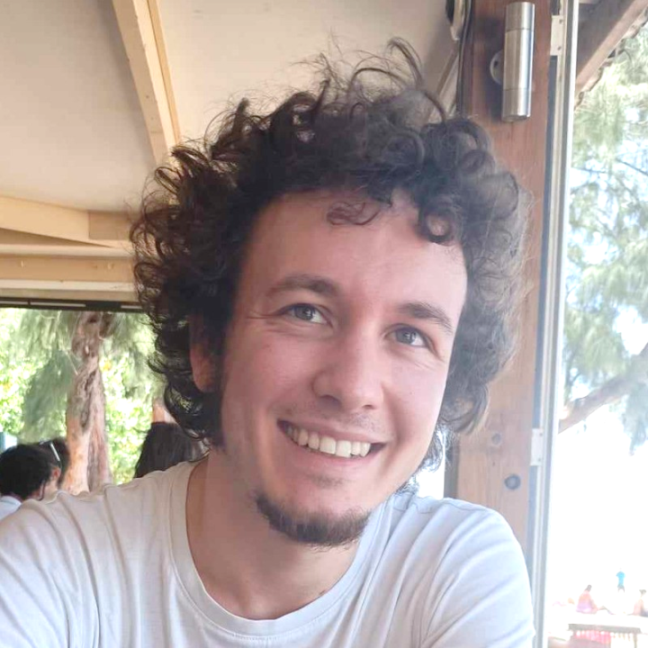
Mr. Gabriel Giannini-Beillon
Metabolism, Bioengineering of Microalgal Molecules and Applications (MIMMA), Biology of Organisms, Stress, Health and Environment (BiOSSE), Le Mans University, 72085 Le Mans, France;Institut des Molécules et Matériaux du Mans (IMMM), Le Mans University, 72085 Le Mans, France;Gabriel Giannini Beillon began a PhD in Biochemistry, Cellular and Molecular Biology in November 2022 and has a patent application in progress. His research is focused on the physiological and biochemical responses of microalgae to biotic or abiotic stresses and biotechnological applications. He explores interdisciplinary approaches such as immobilisation of hydrocarbon producing microalgae on plasma-activated polymer using Botryococcus protuberans or immobilisation of biohydrogen producing microalgae in a gel matrix using Chlamydomonas reinhardtii with the aim to develop sustainable biotechnological applications.
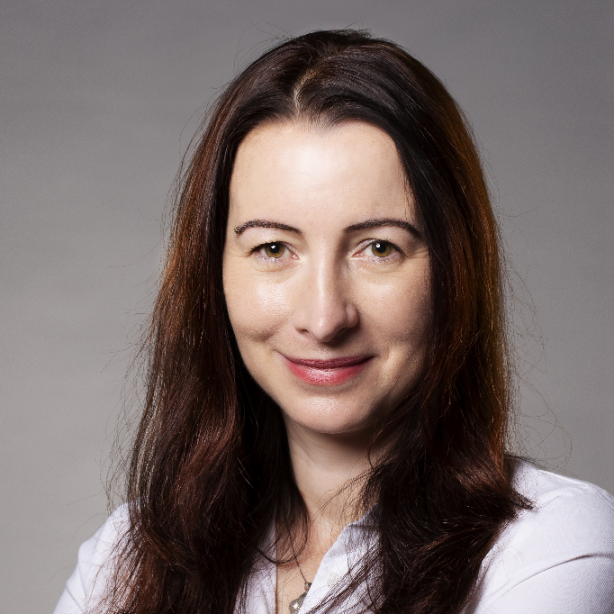
HUN-REN Biological Research Centre, Szeged, Institute of Plant Biology, Hungary;Szilvia Z. Tóth is the Director of the Institute of Plant Biology at the HUN-REN Biological Research Centre in Szeged, where she has served as a research group leader since 2014. Her scientific work primarily focuses on photosynthesis, ascorbate metabolism, and biohydrogen production in green algae. She earned her PhD at the University of Geneva with a research focus on chlorophyll fluorescence transients and subsequently worked as a visiting scientist at the Max Planck Institute of Molecular Plant Physiology in Germany as an Alexander von Humboldt Fellow. In her current capacity, Dr. Tóth coordinates research projects that integrate biophysics, biochemistry, and molecular biology to investigate algal and plant physiology. Her research group has characterized the inactivation of the photosynthetic apparatus during sulfur-deprivation-induced hydrogen production and established a method of biohydrogen generation designed to minimize cellular damage. Furthermore, she has developed techniques for monitoring photosynthetic activity at the single-cell level by combining microfluidics with chlorophyll fluorescence. Her research also identified chloroplastic ascorbate as an alternative electron donor to photosystem II and as a regulator of plant metabolism. While her work is grounded in fundamental plant science, she remains dedicated to applying these biological insights toward the development of sustainable energy solutions.
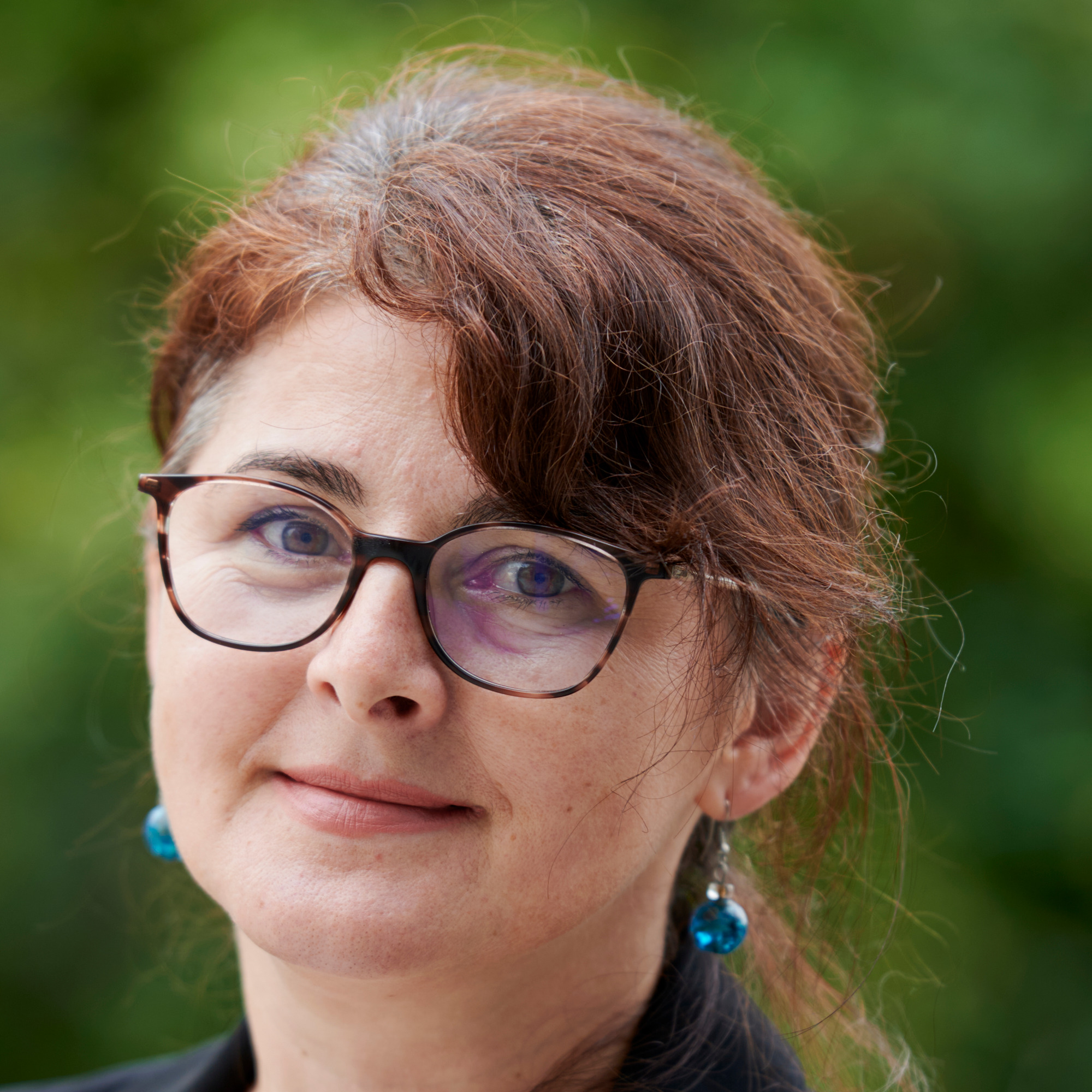
GEPEA Laboratory, UMR 6144 CNRS – Nantes Université, France;Mariana Titica received her PhD in Automatic Control from the Institut National Polytechnique de Grenoble in 2000. Since completing her PhD, she has been working on the modeling and dynamic optimization of biological systems. She then carried out postdoctoral research in Belgium at CESAME, the Center for Research in Systems Engineering, Automatic Control and Applied Mechanics, at the Université Catholique de Louvain (UCL). In 2004, she joined the Nantes Université, as an Associate Professor in the Department of Chemical and Bioprocess Engineering. She conducts her research at the GEPEA Laboratory (CNRS UMR 6144), within the “Bioprocesses Applied to Microalgae” group, which she co-leads. Her research focuses on dynamic modeling, process identification, and optimization of microalgae-based processes for various applications, including the production of biofuels such as lipids and hydrogen. She also works on the development of monitoring and control tools for the dynamic optimization of photobioreactors in intensified and solar cultivation systems, and has developed control systems for laboratory-scale photobioreactors used to investigate microalgal metabolism
Applied Biosciences and Bioengineering
The Section on Applied Biosciences and Bioengineering encourages multidisciplinary research in the field of novel biosciences and biological engineering applications. It spans the full range of bioengineering types, clinical engineering, cardiac bioengineering, neural engineering, system modeling, biosignal processing, health informatics, bioinformatics, bioprocess engineering, biotechnology, biosensors, biomechanics, biorobotics, cardiopulmonary systems engineering, fermentation technology, food technology, and microbiology. The main focus is on novel developments and applications in societally relevant themes. Applied Sciences in general and this Section on Applied Biosciences and Bioengineering in particular offers high-quality peer review followed by a rapid publication decision.