
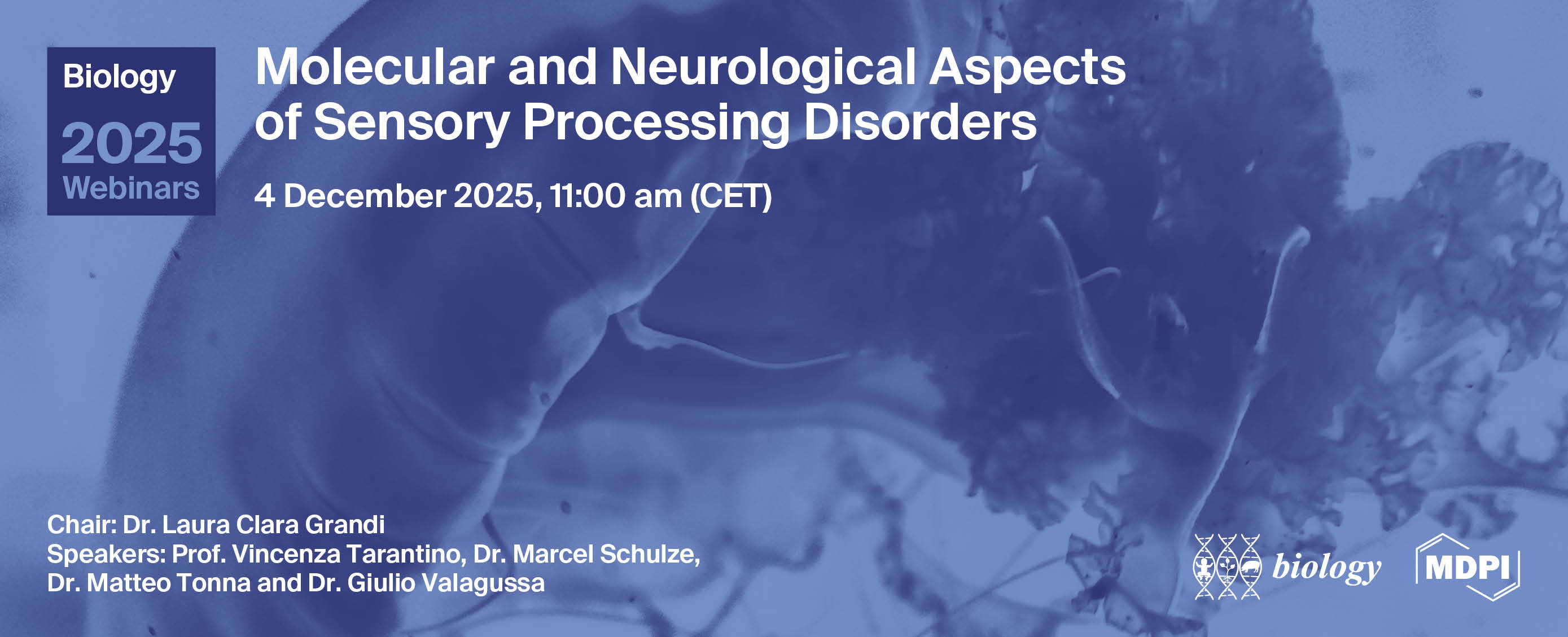
Biology Webinar | Molecular and Neurological Aspects of Sensory Processing Disorders
the chair
6th Biology Webinar
Molecular and Neurological Aspects of Sensory Processing Disorders
Sensory processing is a fundamental aspect of human development, enabling individuals to perceive, interpret, and adapt to their environment. When this process is disrupted, as in Sensory Processing Disorders (SPDs), the ability to respond appropriately to sensory stimuli is compromised, with significant consequences for cognition, communication, and stress regulation.
Functional neuroimaging has revealed atypical patterns of brain activity in individuals with SPD, while diffusion tensor imaging has provided valuable insights into microstructural integrity and white matter connectivity.
Atypical responses to sensory stimuli are also observed in neurodevelopmental conditions such as autism spectrum disorder and attention-deficit hyperactivity disorder. Emerging evidence suggests overlapping neural mechanisms between SPDs and these conditions, pointing to potential shared pathways in brain function.
Nevertheless, SPDs remain only partially understood. This underscores the urgent need to integrate novel scientific approaches and advanced technologies to unravel their complex mechanisms, and to clarify their relationship with other neurodevelopmental disorders involving sensory processing deficits. Equally important is the development of innovative diagnostic and therapeutic tools that may enable earlier detection and more effective interventions.
Date: 4 December 2025
Time: 11:00AM CET
Webinar ID: 892 1455 8472
Webinar Secretariat: journal.webinar@mdpi.com
Meet Our Chair

University of Milano-Bicocca, Dipartimento di Biotecnologie e Bioscienze, Milano, Italia;I am Laura Clara Grandi, a postdoctoral researcher at the University of Florence and the University of Milano-Bicocca (Italy). My work focuses on neuroscience and neuroelectrophysiology, with a particular interest in the electrical dynamics of the brain.
Meet Our Speakers

Department of Psychology, Educational Science and Human Movement, University of Palermo, Palermo, Italy;

University Hospital Bonn, Germany;

Università degli studi di Parma, Parma, Italy;
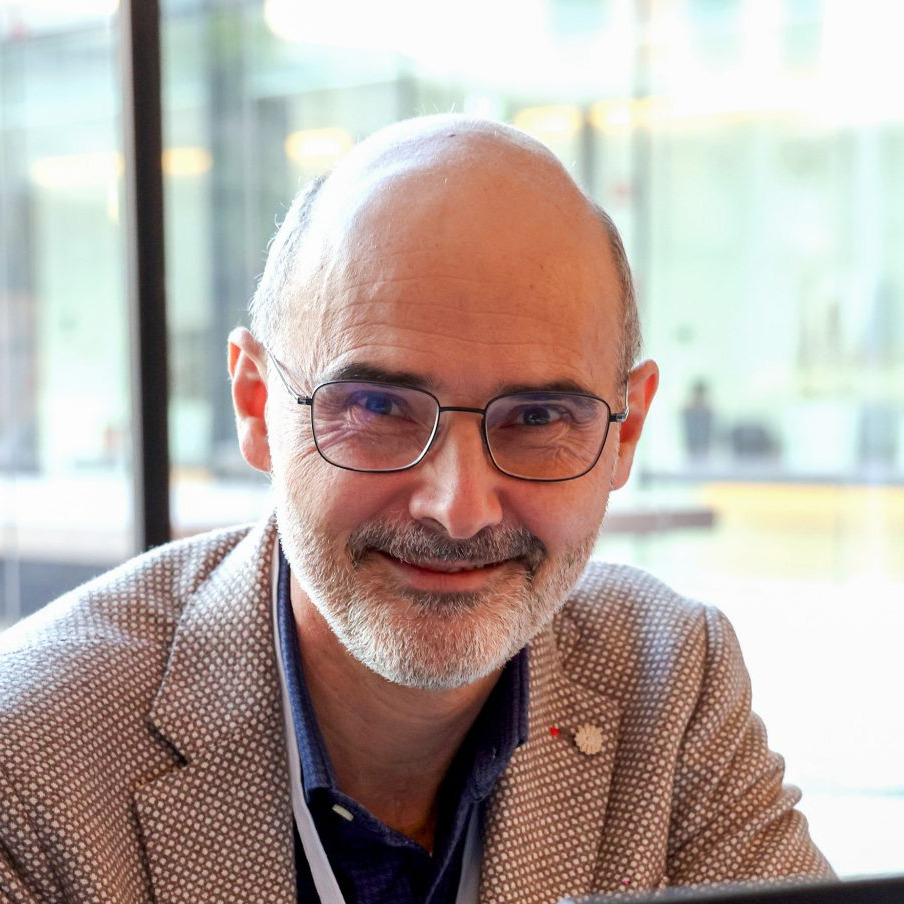
University of Milano-Bicocca, Milan, Italy;


The 6th Biology Webinar Series brought together international experts to explore the molecular, neurobiological, and computational foundations of sensory processing alterations. The webinar presented innovative findings on the neural circuits involved in sensory processing, anomalies in multisensory integration, and connections among neurodevelopmental and psychiatric conditions such as autism spectrum disorder, attention-deficit/hyperactivity disorder, and schizophrenia, offering an up-to-date overview of a rapidly evolving field. Examining neurodivergence is essential for understanding the complexity of the human brain and for promoting clinical and scientific approaches that respect and include diverse ways of functioning.
We thank all the participants and speakers for their valuable contributions.
The webinar was hosted via Zoom and required registration to attend. The full recording can be found below. In order to learn about future webinars, you can sign up to our newsletter by clicking “Subscribe" at the top of the page.