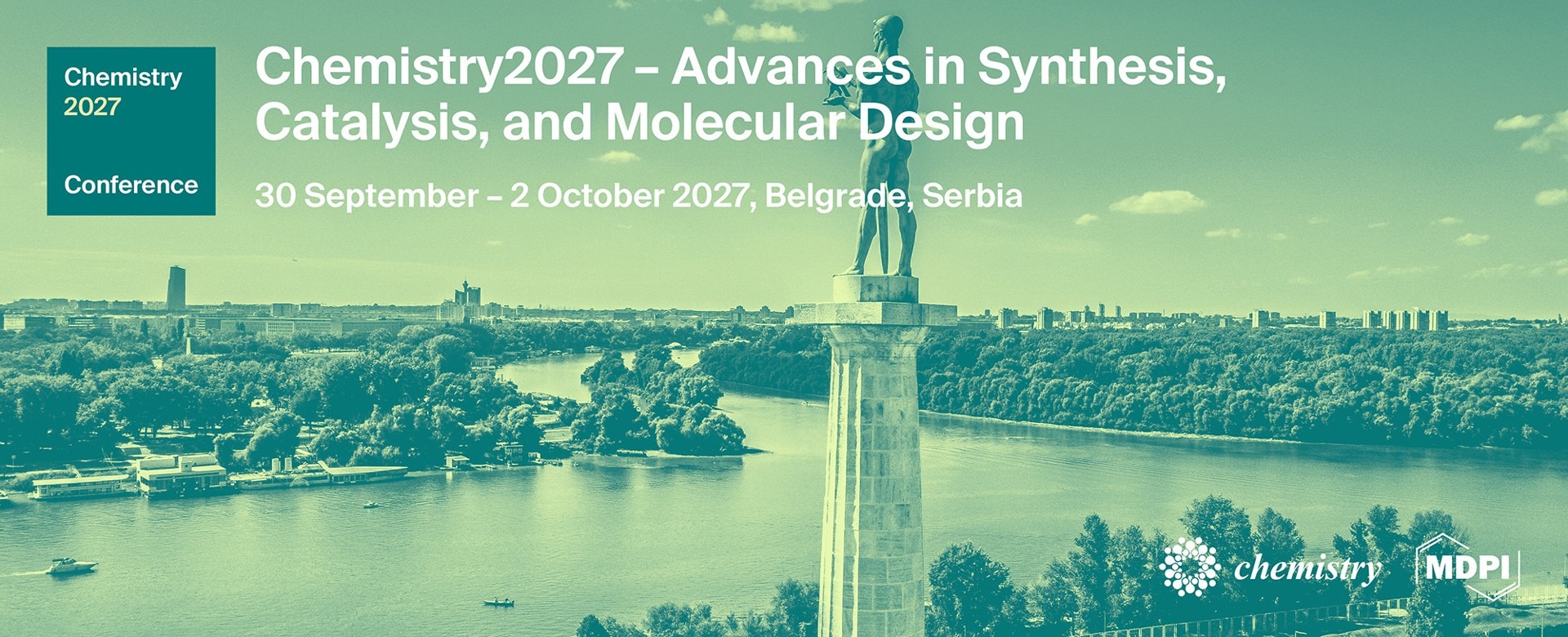
Advances in Synthesis, Catalysis, and Molecular Design (Chemistry 2027)
the chair
Dear Colleagues,
On behalf of MDPI and the journal Chemistry, it is my great pleasure to invite you to participate in Chemistry 2027, which will take place in Belgrade, Serbia, from 30 September to 2 October 2027.
Chemistry continues to evolve at the intersection of fundamental discovery, technological innovation, and emerging scientific frontiers. From understanding how molecules interact with light and energy to designing complex molecular architectures, developing selective synthetic strategies, and harnessing computational and data-driven approaches, chemistry continues to provide new ways of understanding and shaping the molecular world.
Chemistry 2027 will bring together researchers from academia, industry, and research institutions to explore recent advances across a broad spectrum of modern chemical sciences. The scientific program will highlight exciting developments in molecular excited states and photochemistry, molecular recognition and supramolecular systems, catalysis and molecular activation, C–H functionalization and cross-coupling, stereo- and chemoselective synthesis, natural products and drug discovery, electrochemistry for synthesis and energy, theoretical and computational chemistry, molecular modeling, and the rapidly developing applications of AI and big data in chemistry.
The conference will provide an international platform to discuss how new concepts, methodologies, and technologies are transforming chemical research from controlling molecular reactivity and constructing complex molecules to understanding chemical systems through computation and designing new molecules and materials with the help of artificial intelligence.
We warmly invite you to contribute to this dynamic scientific forum by submitting abstracts for oral and poster presentations. Whether your work explores fundamental molecular processes, advances synthetic and catalytic methodologies, addresses challenges in health and energy, or applies computational and AI-driven approaches to molecular discovery, Chemistry 2027 offers an opportunity to share your findings, exchange ideas, and build meaningful collaborations with colleagues from around the world.
We look forward to welcoming you to Belgrade for three inspiring days of scientific exchange, collaboration, and innovation.
Sincerely,
Prof. Dr. Igor Alabugin
Chemistry 2027 Chair
Meet Our Chair
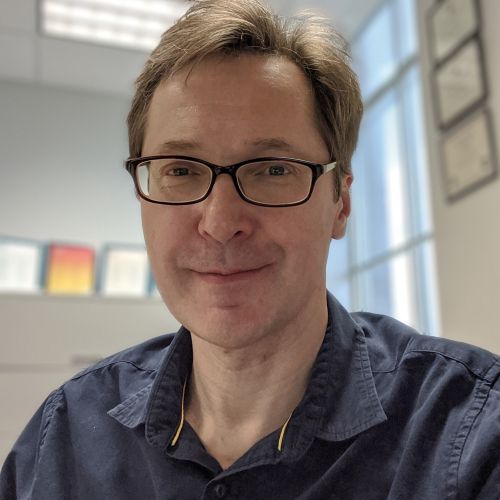
Department of Chemistry and Biochemistry, Florida State University, Tallahassee, USA;Igor Alabugin is a Distinguished Research Professor whose work bridges synthetic and theoretical organic chemistry. His research group is known for integrating experimental and theoretical approaches to discover new reactions, reveal hidden stereoelectronic effects, and design unusual molecules with applications for molecular electronics. In 2023, Alabugin received the Southern Chemist Award from the American Chemical Society for his pioneering contributions to organic chemistry. His honors also include the 2022 George Gamow Award, the 2022 Florida State University Distinguished Research Professor Award, the 2017 Florida Award from the American Chemical Society (ACS), and the 2011 ACS Arthur C. Cope Scholar Award, among others, recognizing his sustained innovation in the field of chemical reactivity. In addition to his research accomplishments, Alabugin is a dedicated mentor and educator, having guided numerous undergraduate, graduate, and postdoctoral researchers. He also serves as Editor-in-Chief of Chemistry and a member of editorial boards for several leading journals in the chemical sciences.
Ms. Jovana Vanovac
Ms. Dušica Radovanović
Mr. Cédric Spinnler
Dr. Ana Sanchis
Email: chemistry2027@mdpi.com
Important Dates
3 May
2027
3 Jun
2027
2 Jul
2027
14 Sep
2027
23 Sep
2027
Meet Our Speakers
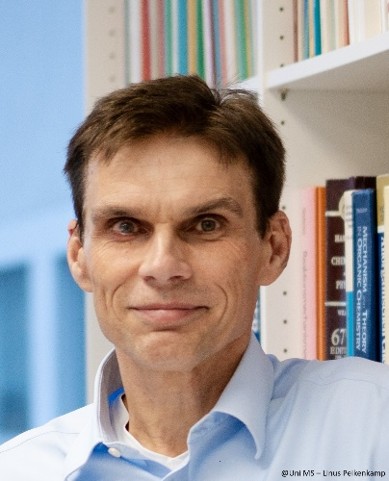
Prof. Dr. Armido Studer
University of Münster, Germany;Armido Studer studied at the ETH Zurich where he earned his doctorate in 1995. He then spent 1.5 years at the University of Pittsburgh, USA, as a postdoc, and obtained his post-doctoral lecturing qualification at the ETH Zurich in 2000. Following this, he accepted a professorship at the University of Marburg. Since 2004, Armido Studer has been a Professor of Organic Chemistry at the University of Münster. He received numerous international research awards, most recently the 2026 Leibniz Prize from the German Research Foundation. In 2016 and 2024, he was awarded ERC Advanced Grants. He is a member of the European Academy of Sciences, the Academia Europaea, the National Academy of Sciences Leopoldina and the North Rhine-Westphalian Academy of Sciences, Humanities and the Arts.
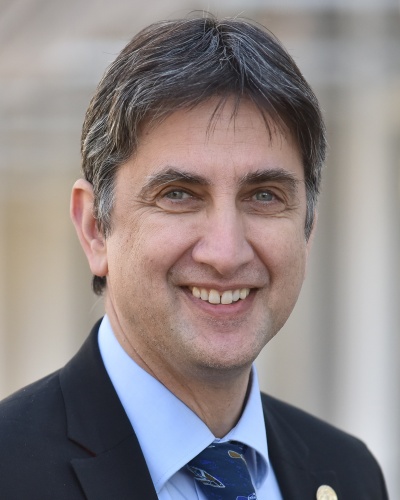
Organisch-Chemisches Institut, Heidelberg University, Heidelberg, Germany ;Prof. Dr. A. Stephen K. Hashmi is a Professor of Organic Chemistry at Heidelberg University, Germany, where he has held the Chair of Organic Chemistry since 2007. He completed his doctoral and habilitation studies in organic chemistry and conducted postdoctoral research at Stanford University. His research focuses on organic synthesis, highly strained organic compounds, and homogeneous catalysis with a focus on gold catalysis. Throughout his career, he has received numerous prestigious fellowships, awards, and international distinctions, including the ORCHEM Prize, Hector Research Prize, and Tan Kah Kee Chemistry Lectureship. He has also held several academic leadership positions at Heidelberg University and has served on the editorial and advisory boards of leading chemistry journals. He is the author of more than 550 scientific publications.
Prof. Paolo Melchiorre
University of Bologna, Italy;Paolo Melchiorre has been Professor of Chemistry at the University of Bologna since 2022. He began his academic career at the University of Bologna and subsequently spent over a decade conducting independent research at the Institute of Chemical Research of Catalonia (ICIQ, Spain), where he led a research group from 2009 to 2022. His scientific activity focuses on the development of new catalytic strategies for the sustainable synthesis of chiral molecules of pharmaceutical relevance, integrating organocatalysis, photocatalysis, and enzyme engineering to control light-activated radical reactivity.
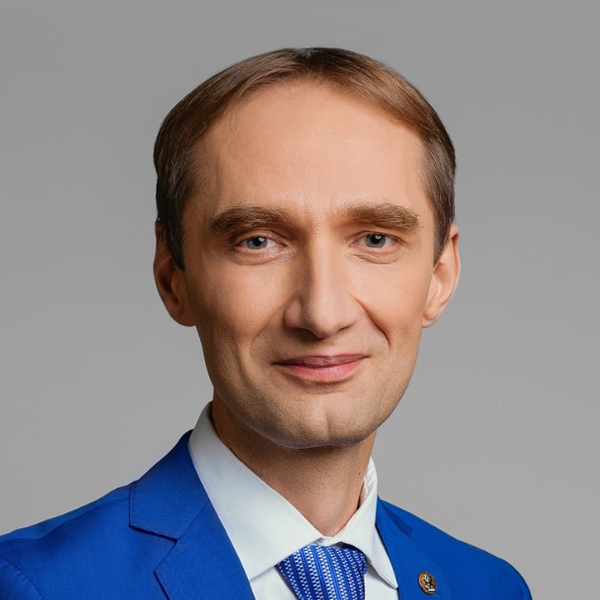
Russian Academy of Sciences, Russia;Zelinsky Institute of Organic Chemistry, Moscow, Russia ;Prof. Dr. Valentine P. Ananikov is a head of laboratory of Zelinsky Institute of Organic Chemistry at the Russian Academy of Sciences. He is Academician of Russian Academy of Sciences, a Member of European Academy (Academia Europaea), a Honorary Academician of National Academy of Sciences of Bashkortostan Republic, a Foreign Member of National Academy of Sciences of Armenia. Ananikov has been recognized with numerous awards and honors, including the International Organometallics Distinguished Author Award Lectureship by American Chemical Society, Balandin Prize for outstanding achievements in the field of catalysis, Markovnikov Prize by Tatarstan Republic for distinguished contribution to organic chemistry, the Gravity International Prize for outstanding achievements in artificial intelligence, Distinguished Artificial Intelligence Scholar Award by National Academy of Artificial Intelligence. His research interests span AI in chemistry, catalysis, nanotechnology, and organic synthesis, among others.
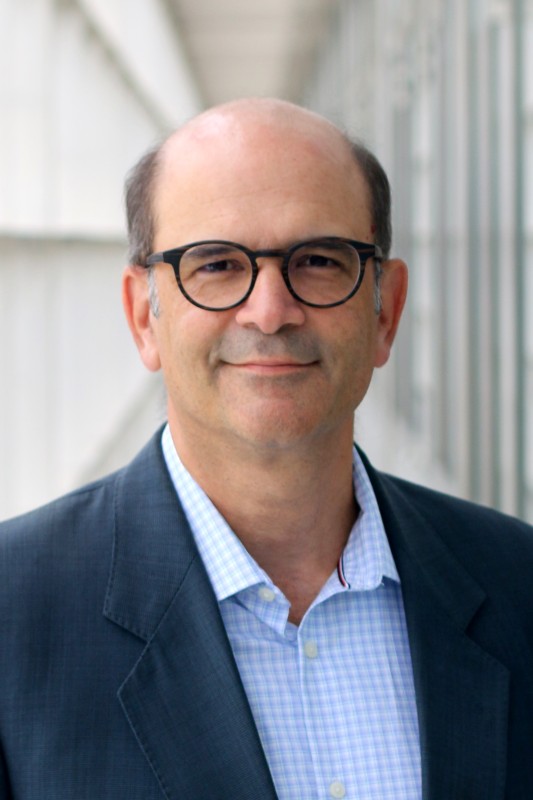
Department of Chemistry and Applied Biosciences, ETH Zürich;Prof. Dr. Erick M. Carreira is a distinguished organic chemist and Full Professor at ETH Zürich, Switzerland, where he has led a research group since 1998. His research focuses on the asymmetric synthesis of complex, biologically active natural products, the development of innovative catalytic methods, and chemical biology, advancing new approaches to molecular synthesis and drug discovery. His outstanding contributions have been recognized with the American Chemical Society Award for Creative Work in Synthetic Organic Chemistry, the Pfizer Research Award, and the Camille and Henry Dreyfus New Faculty Award. In 2020, he was elected to the U.S. National Academy of Sciences, one of the highest honors in scientific research. He has also served as Editor-in-Chief of the Journal of the American Chemical Society since 2021.
Sessions
Explore more detailsExhibiting
As organizers, we are excited to create an immersive and insightful conference, and we invite you to be a vital part of Chemistry2027. Explore our exhibitor opportunities and join us in shaping the future of Chemistry research and innovation.
Find the perfect exhibitor package tailored to your budget and desired exposure in our exhibitor brochure. Simply contact us via email chemistry2027@mdpi.com to discuss exhibitorship opportunities tailored to your organization. We appreciate your consideration!
Society Collaboration
Are you part of a society that isn't partnering with the conference? Contact us via email at chemistry2027@mdpi.com to discuss a possible partnership! Noteworthy detail: Members from partnering societies are granted a 20% discount on all registration fees.





-6a673ce7a8dcf.png)