
Foods Webinar | Beneficial Microbes and Antimicrobial Metabolites Shaping the Future of Fermented Foods
the chair
Dear Colleagues,
Consumers increasingly seek safe, nutritious, and sustainably produced foods, renewing scientific interest in traditional and modern fermentation. This webinar will explore how food fermentation, beneficial microorganisms, and natural antimicrobial strategies can shape the future of food systems.
Beneficial microbes, such as lactic acid bacteria, bifidobacteria, yeasts, and next generation probiotic strains, enhance food quality, safety, and functionality. Their metabolic products, including postbiotics, contribute to improved flavor, extended shelf life, and bioactive compounds with potential health benefits. At the same time, natural antimicrobials generated during fermentation, including organic acids and bacteriocins, offer promising alternatives to synthetic preservatives. But we need to remember the presence of bacteriophages and their role, positive or negative.
By bringing together interdisciplinary research, this webinar aims to advance our understanding of how beneficial microorganisms and their antimicrobial activities can support safer, healthier, and more sustainable food production.
Prof. Dr. Svetoslav Dimitrov Todorov
Prof. Dr. Emília Maria França Lima
Date: 25 May 2026
Time: 2:00 pm (CEST) | 8:00 am (EDT)
Webinar ID: 842 7977 4564
Webinar Secretariat: journal.webinar@mdpi.com
Meet Our Chair
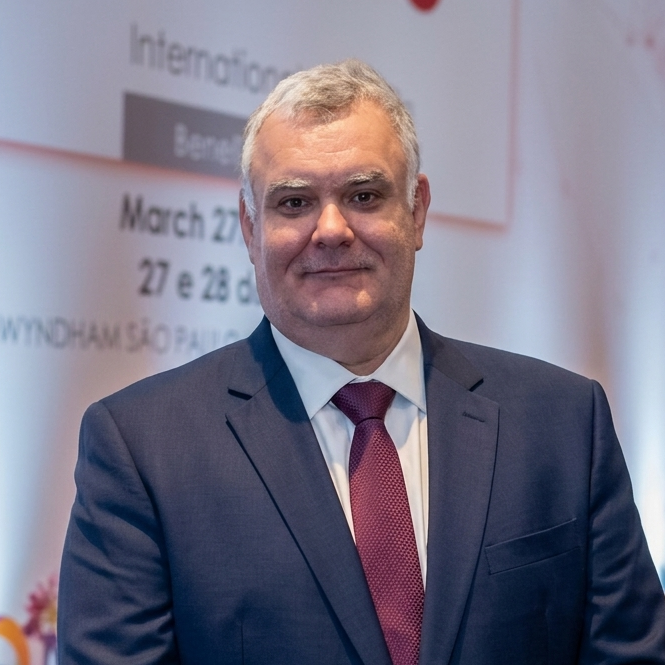
Universidade de São Paulo, Brasil;Prof. Svetoslav Dimitrov Todorov is a microbiologist specializing in food science and applied microbiology. He is a Professor at the University of São Paulo’s Faculty of Pharmaceutical Sciences, Department of Food and Experimental Nutrition. He holds degrees in Biotechnology, Industrial Microbiology, and International Relations from Sofia University, and a Ph.D. in Applied Microbiology from Sofia University and ENITIAA in France. His career includes postdoctoral work in South Africa, visiting professorships in Brazil and South Korea, and extensive research output in microbial biotechnology. He has more then 300 publications and h-factor 62 and been honored as most cited authors by Elsevier.
Meet Our Speakers
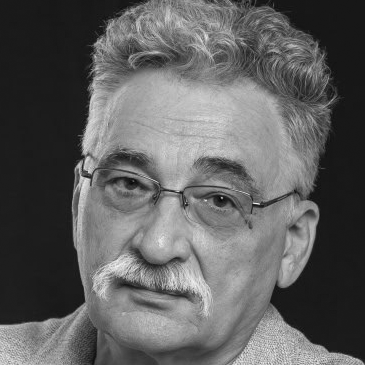
Rutgers State University, USA;Dr. Michael Leonidas Chikindas is a Professor in Microbiology, leading the Health Promoting Naturals Laboratory. He co-authored several patents, more than a hundred peer-reviewed papers and six book chapters. Dr. Chikindas developed and implemented a number of courses at Rutgers, including Food Microbiology (lectures and lab courses) and Beneficial Microbes in Food and Life. He is co-teaching the graduate-level course Food Biology Fundamentals. Dr. Chikindas is an applied microbiologist studying natural-derived antimicrobials and probiotics for use in human health, personal care, and agricultural applications. His external funding stems from private industries/organizations such as Bill & Melinda Gates Foundation and governmental agencies such as NIH, USDA, NSF, etc. He serves on Editorial Boards of Applied and Environmental Microbiology, Annals of Microbiology, Antibiotics, and Beneficial Microbes (Section Editor). Dr. Chikindas was a founder of Probiotics and Antimicrobial Proteins, the Springer Nature journal, and served as its Editor-in-Chief for twelve consecutive years. He served on the Editorial Boards of Letters in Applied Microbiology and the Journal of Applied Microbiology (also as the journal’s Senior Editor) for twenty-five years. He is a member of the American Society for Microbiology and the Society for Applied Microbiology (UK).
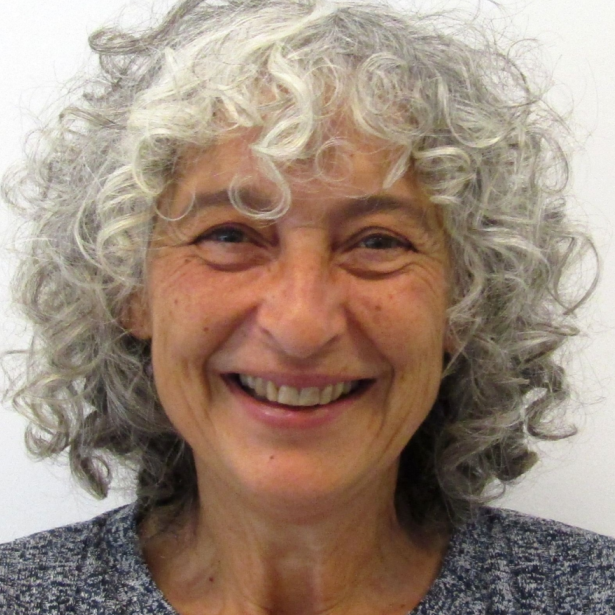
Instituto de Productos Lácteos de Asturias-CSIC, Spain;Beatriz Martínez is a molecular microbiologist working on lactic acid bacteria (LAB) and their applications in food biotechnology, particularly dairy starters and their bacteriocins. As a tenured PI at IPLA CSIC (Spain) since 2003, her research focuses on i) developing sustainable antimicrobial strategies using bacteriocins and phages, ii) understanding how species specific cell wall antimicrobials work and how resistance emerges, and iii) studying how LAB detect and respond to cell wall damage to improve strain robustness. Her work has been supported by competitive grants and published in over 100 papers and 17 book chapters. She served as head of the TecBio department at IPLA CSIC (2012–2016) and currently sits on the executive board of the Food Microbiology group of the Spanish Society for Microbiology (2018-) and on CSIC’s scientific technical Food Science subarea since 2025.
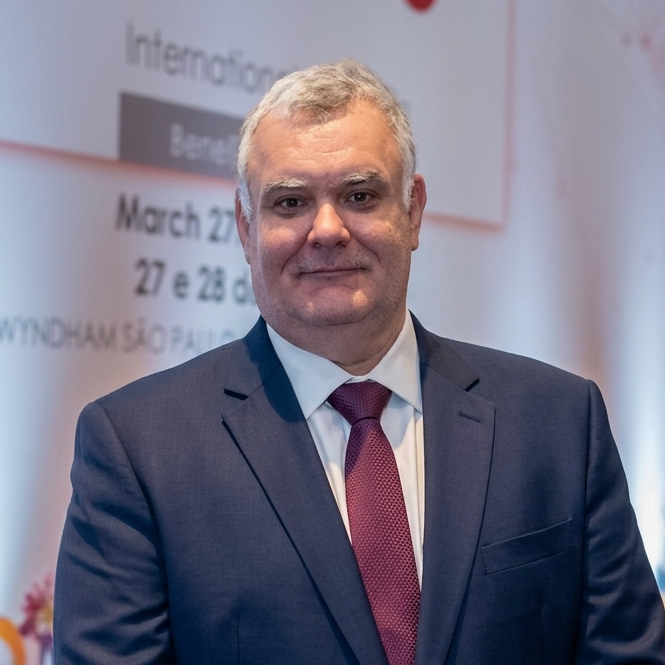
Universidade de São Paulo, Brasil;Prof. Svetoslav Dimitrov Todorov is a microbiologist specializing in food science and applied microbiology. He is a Professor at the University of São Paulo’s Faculty of Pharmaceutical Sciences, Department of Food and Experimental Nutrition. He holds degrees in Biotechnology, Industrial Microbiology, and International Relations from Sofia University, and a Ph.D. in Applied Microbiology from Sofia University and ENITIAA in France. His career includes postdoctoral work in South Africa, visiting professorships in Brazil and South Korea, and extensive research output in microbial biotechnology. He has more then 300 publications and h-factor 62 and been honored as most cited authors by Elsevier.
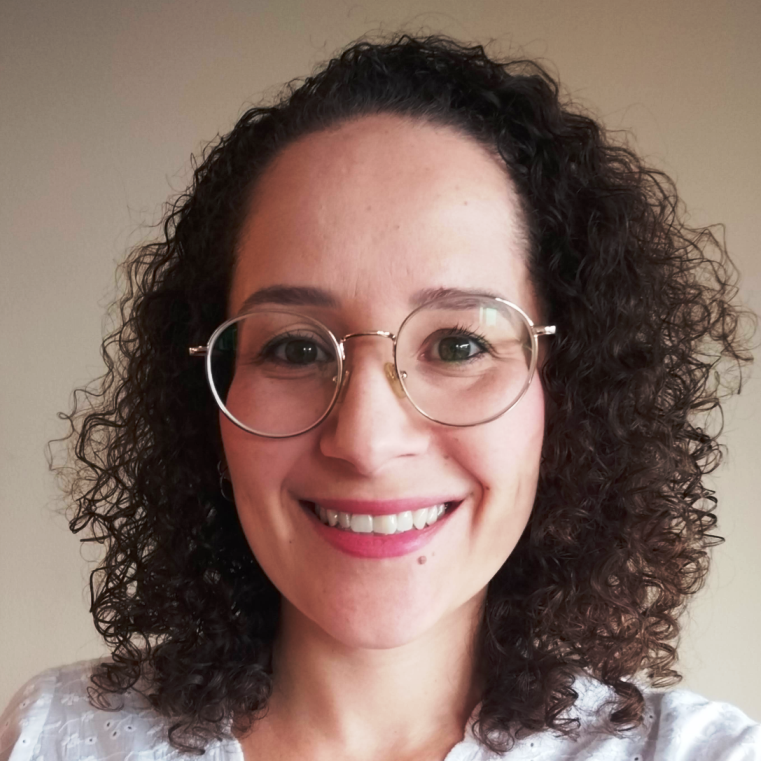
Universidade de São Paulo, Brasil;She holds a degree in Food Science and Technology (CTA) from the Federal University of Ouro Preto (UFOP, 2014), a master’s degree in the same field from the Federal University of Espírito Santo (UFES, 2016), and a PhD in Food Science from the School of Pharmaceutical Sciences of the University of São Paulo (FCF/USP, 2023). She worked as a substitute professor in the Department of Food at the UFOP School of Nutrition (2016–2018), teaching courses in CTA and Pharmacy. She completed a specialization in Didactic–Pedagogical Processes for Distance Learning (EaD) at the Virtual University of the State of São Paulo (Univesp) in partnership with USP. During her PhD, she conducted research in the Food Microbiology Laboratory, investigating the effects of phenolic compounds on the inhibition of bacterial communication (quorum sensing) in Pseudomonas aeruginosa, as well as evaluating the antimicrobial activity of plant extracts against pathogenic bacteria; and projects related to food safety. She also served as a teaching assistant for the courses “Quality Tools for Food Safety” and “Food Technology.” She is currently a postdoctoral researcher at FCF/USP through the Young Investigator Retention Program, funded by FAPESP and CNPq, conducting research on the benefits of bacteriocins produced by lactic acid bacteria isolated from artisanal fermented products. She has solid experience in food microbiology, quorum sensing, phenolic compounds, antimicrobial activity of plant extracts, and food safety. She also has skills in academic project management, student supervision, writing and reviewing scientific articles for international journals, preparing reports and educational materials, data analysis, science communication, and organizing scientific events.


In this section, you will find the recordings of this webinar to watch, re-watch and share with your colleagues!
|
Speaker/Presentation |
Time in CEST |
Time in EDT |
|
Anna-Vanesa Hrenyuk Journal Introduction and Overview of Submission Process |
2:00 – 2:10 pm |
8:00 – 8:10 am |
|
Prof. Svetoslav Todorov (Chair) Webinar Opening and Relevant Special Issue Introduction |
2:10 – 2:20 pm |
8:10 – 8:20 am |
|
Prof. Dr. Michael Chikindas Postbiotics: A Hazy Present, A Bright Future |
2:20 – 2:40 pm |
8:20 – 8:40 am |
|
Dr. Beatriz Martinez Beneficial and Unwanted Bacteriocin-Bacteriophage Interactions |
2:40 – 3:00 pm |
8:40 – 9:00 am |
|
Prof. Svetoslav Todorov Beneficial Properties of LAB, Not Only Bacteriocins Against Closely Related to the Producer Species |
3:00 – 3:20 pm |
9:00 – 9:20 am |
|
Dr. Emilia Lima Isolation and Characterization of Bacteriocin-Producing LAB from Artisanal Fermented Foods |
3:20 – 3:40 pm |
9:20 – 9:40 am |
|
Q&A |
3:40 – 3:55 pm |
9:40 – 9:55 am |
|
Prof. Svetoslav Todorov Closing of Webinar |
3:55 – 4:00 pm |
9:55 – 10:00 am |
Edited by Svetoslav Todorov and Emília Maria França Lima
Deadline for manuscript submissions: 15 September 2026