IJERPH Webinar | Invisible Wounds: Addressing Veterans' Mental Health Challenges by Centering Their Experiences and Perspectives
the chairs
IJERPH Webinar
Invisible Wounds: Addressing Veterans' Mental Health Challenges by Centering Their Experiences and Perspectives
“Invisible wounds” is a loaded and potentially confusing phrase. I do think, however, that most of us intuitively understand it and when we hear the phrase many of us likely involuntarily feel something from our own histories poking us.
I remember, years ago a woman veteran who had just started therapy with me at the VA one day saying how frustrating she found it that hardly anyone seemed to get that she was suffering terribly from the memories that haunted her of the rape she endured during basic training and the profound lack of support she experienced in the aftermath. She was not visibly injured—she had no apparent wounds. She was walking and talking just fine, so people questioned her service-connected pension, questioned how it was that she could still, after all those years, be unable to move past what happened. Why she still felt so unsafe that she hardly left her home.
Other veterans were unable to shake their grief and shame around unit members’ deaths and their belief that they could have, should have saved them. These experiences left them feeling outside the pale—no longer a human in good or even ok standing. Other veterans spoke of how scared they were of being designated “the weak link.” The underlying reasons for these fears were myriad—some soldiered on when they were physically injured and others went to extreme lengths to hide who they loved—but the core motivations were to stay safe and not jeopardize their belonging.
We cannot possibly list all the potential causes of invisible wounds that veterans and, really, all of humanity experience. Nor can we truly understand how invisible wounds are experienced by someone else (and, really, we are fortunate if we understand how they show up for ourselves). I do think it is fair, however, to say that when invisible wounds are present— and still unspoken and still wounding— they undermine our ability to feel safe, to have a solid sense of belonging, and to live with dignity.
The veterans I just spoke of were courageously starting to speak of their invisible wounds, to start trusting someone with what had been unspeakable; an incredibly hard, brave first step. The three talks we are going to hear today reflect other brave steps veterans have taken to address their invisible wounds and they reflect some of the ways that veterans are showing up for one another—speaking up and out about trauma, injustice, and what they and their communities need to heal.
First, we will hear from Dr. Cindy Chang and Ms. Amy Hoang who will present their paper entitled ““Do I Even Belong Here?”: Treatment Needs, Preferences, and Experiences of LGBTQ+ Veterans with a History of Suicidal Thoughts and Behaviors.” Dr. Chang is a research psychologist at the VA San Diego Healthcare System and assistant adjunct professor at the University of California, San Diego, and Ms. Hoang is a research assistant at the San Diego VA who has been instrumental in supporting the work they will be describing.
Next, Dr. Kim DeFiori will present her paper entitled “Navigating Uncertainty in Care: Suicide Risk and Protection in LGBTQ+ Military and Veteran Healthcare.” Dr. DeFiori is a retired Army officer and postdoctoral fellow at the UNC Charlotte Violence Prevention Center.
And finally, Dr. Louisa Kane will present her paper entitled “Finding Your People for the Journey: Women Veterans’ Reflections on the Role of Relationships in Substance Use Recovery.” Dr. Kane recently completed her internship in clinical psychology at the VA Puget Sound, and she is currently a postdoctoral fellow at the Center on Alcohol, Substance Use, And Addictions (CASAA) in New Mexico.
Date: 28 October 2026
Time: 6:00 pm CET | 1:00 pm EDT
Webinar ID: 822 6388 0600
Webinar Secretariat: journal.webinar@mdpi.com
Meet Our Chairs
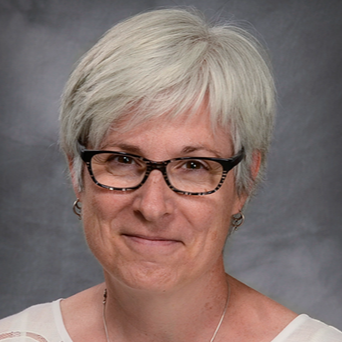
University of Washington, Department of Psychiatry and Behavioral Sciences;VA Puget Sound;Tracy Simpson, PhD, is a professor of psychiatry at the University of Washington, Department of Psychiatry and Behavioral Sciences, and a principal investigator within the VA’s Center of Excellence in Substance Addiction Treatment and Education at the VA Puget Sound Healthcare System. Her research focuses on the treatment of co-occurring substance use disorder (SUD) and posttraumatic stress disorder (PTSD), the needs of women veterans with SUDs, and mental health disparities—including suicidality—adversely affecting minoritized groups of veterans. In light of the heavy burden of alcohol-related morbidity and mortality among veterans, Dr. Simpson is also focused on addressing the stigma associated with alcohol use to help mitigate veterans’ tendencies to under-report consequential alcohol use.
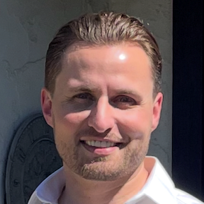
Boston VA Medical Center;Boston University Chobanian and Avedisian School of Medicine;Nicholas Livingston, PhD, is an associate professor of psychiatry, Boston University Chobanian and Avedisian School of Medicine, and a principal investigator within the VA’s Behavioral Science Division of the National Center for PTSD, VA Boston Healthcare System. His research focuses on complementary areas of substance use disorder (SUD) and posttraumatic stress disorder (PTSD) comorbidity, treatment access and outcomes, and predicting and preventing adverse events (e.g., overdose death, suicide). Dr. Livingston also studies the disproportionate risk of suicide, overdose and alcohol-attributable death among vulnerable veteran populations.
Meet Our Speakers
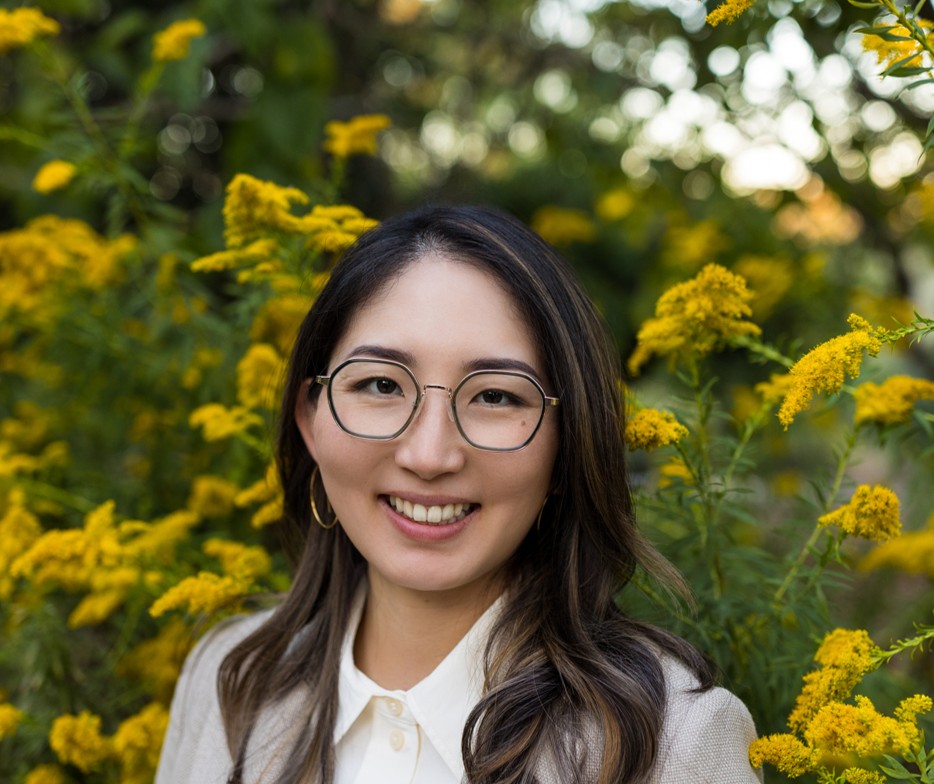
Dr. Cindy Chang
VA San Diego Healthcare System;University of California, San Diego;Cindy Chang, PsyD, is a Research Psychologist at the VA San Diego Healthcare System and Assistant Adjunct Professor at the University of California, San Diego. Dr. Chang’s research focuses on suicide prevention, social connectedness, and increasing access to mental healthcare among LGBTQ+ Veterans. Dr. Chang is the Principal Investigator of a five-year VA Career Development Award to develop and evaluate a group-based suicide prevention intervention designed to strengthen social connectedness among vulnerable Veterans. Dr. Chang's research has been published in peer-reviewed journals, and she has received over a dozen awards or grants recognizing her work from organizations such as the American Psychological Association and the Veterans Affairs.
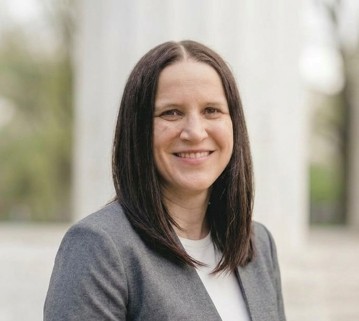
University of North Carolina Charlotte;Kim DeFiori, PhD, is a retired Army officer and Postdoctoral Fellow at the UNC Charlotte Violence Prevention Center. Her research focuses on suicide prevention, health policy, and healthcare systems, with particular attention to military-connected and LGBTQ+ populations.
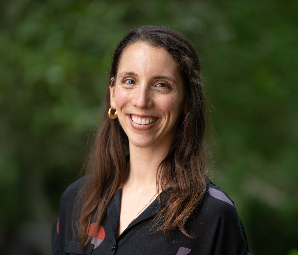
Dr. Louisa Kane
Center on Alcohol, Substance Use, and Addictions at University of New Mexico;Louisa Kane, Ph.D., is a current post-doctoral fellow at the Center on Alcohol, Substance use, And Addictions (CASAA). Her research focuses on the development, testing, and dissemination of individual and couple-based psychosocial interventions for substance use disorder and co-occurring mental health conditions. She is particularly interested in contextual and interpersonal mechanisms of substance use and behavior change, and how these can inform more effective treatments. Louisa approaches her work through a harm reduction lens, aiming to develop and improve existing interventions to meet people where they are within their broader relational context.
| Speaker/Presentation | Time in CET | Time in EDT |
| Dr. Tracy Simpson Chair Introduction |
6:00 - 6:10 pm | 1:00 - 1:10 pm |
| Dr. Cindy Chang "Do I Even Belong Here?": Treatment Needs, Preferences, and Experiences of LGBTQ+ Veterans with a History of Suicidal Thoughts and Behaviors |
6:10 - 6:30 pm | 1:10 - 1:30 pm |
| Dr. Kim DeFiori Navigating Uncertainty in Care: Suicide Risk and Protection in LGBTQ+ Military and Veteran Healthcare |
6:30 - 6:50 pm | 1:30 - 1:50 pm |
| Dr. Louisa Kane Finding Your People for the Journey: Women Veterans' Reflections on the Role of Relationships in Substance Use Recovery |
6:50 - 7:10 pm | 1:50 - 2:10 pm |
| Q&A | 7:10 - 7:25 pm | 2:10 - 2:25 pm |
| Dr. Tracy Simpson Closing of Webinar |
7:25 - 7:30 pm | 2:25 - 2:30 pm |
This is a FREE webinar. After registering, you will receive a confirmation email containing information on how to join the webinar. Registrations with academic institutional email addresses will be prioritized.
Certificates of attendance will be delivered to those who attend the live webinar.
Can’t attend? Register anyway and we’ll let you know when the recording is available to watch.
Register for free here!
"Invisible Wounds: Addressing Veterans' Mental Health Challenges by Centering Their Experiences and Perspectives"
Guest Editors: Dr. Tracy L. Simpson, Dr. Nicholas Livingston, Dr. Ashley C. Mog
Deadline for manuscript submissions: 31 January 2027