
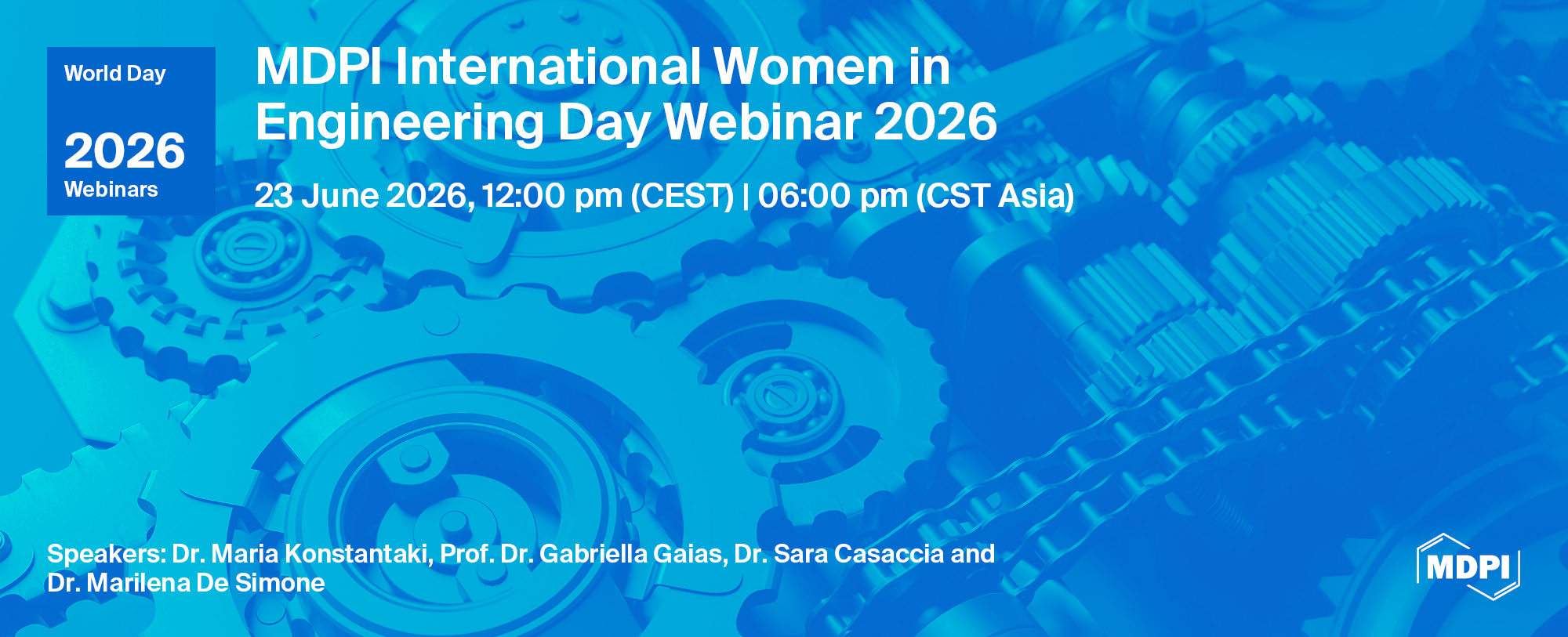
MDPI International Women in Engineering Day Webinar 2026 | Session 1
International Women in Engineering Day (INWED), observed annually on 23 June, is a global initiative that celebrates the outstanding achievements of women in engineering while inspiring more young women to pursue engineering careers. Aligned with the 2026 theme, "Engineering Intelligence", and Goal 5 (Gender Equality) of the United Nations Sustainable Development Goals (SDGs), MDPI highlights the innovative contributions of women engineers who are shaping the future through creativity, collaboration, and technological advancement. Together, we can foster a more inclusive engineering landscape and empower the next generation of women in STEM.
Join us in celebrating International Women in Engineering Day and supporting initiatives that empower women in STEM. This webinar will showcase not only the technical contributions of women engineers, but also the personal journeys, challenges, and achievements that have shaped their careers and inspired others to pursue paths in engineering and innovation.
Date: 23 June 2026
Time: 12:00 pm CEST | 6:00 pm CST Asia
Webinar ID: 856 2639 9832
Webinar Secretariat: journal.webinar@mdpi.com
Meet Our Speakers
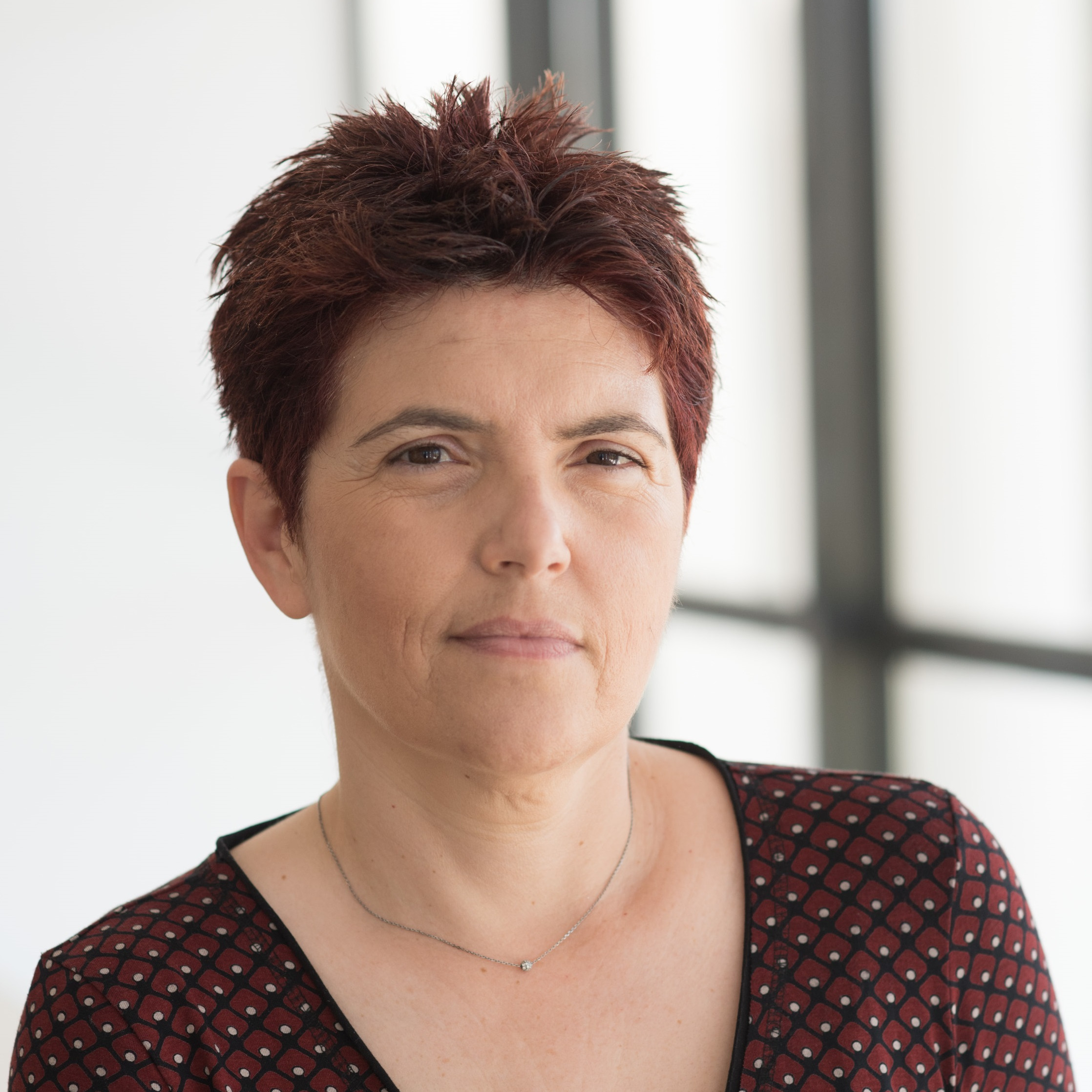
Institute of Electronic Structure and Laser (IESL), Foundation for Research and Technology- Hellas (FORTH), Heraklion, Greece;Dr. Maria Konstantaki is a Senior Application Scientist at the Institute of Electronic Structure and Laser, Foundation for Research and Technology—Hellas (FORTH). She holds a Ph.D. in Electronic and Electrical Engineering from the University of Strathclyde, Scotland, and a B.Sc. in Physics from the University of Crete, Greece. She has over two decades of expertise in advancing the science and technology of optical fiber sensor design and development. She has played a key role in numerous European research initiatives as Deputy Principal Investigator in major Horizon Europe and Horizon 2020 projects, contributing to the development of photonic technologies and innovation networks across Europe. Alongside her research, Dr. Konstantaki has broad experience in academic teaching and mentoring. Dr. Konstantaki has authored 44 publications in peer-reviewed international journals and more than 60 conference proceedings.
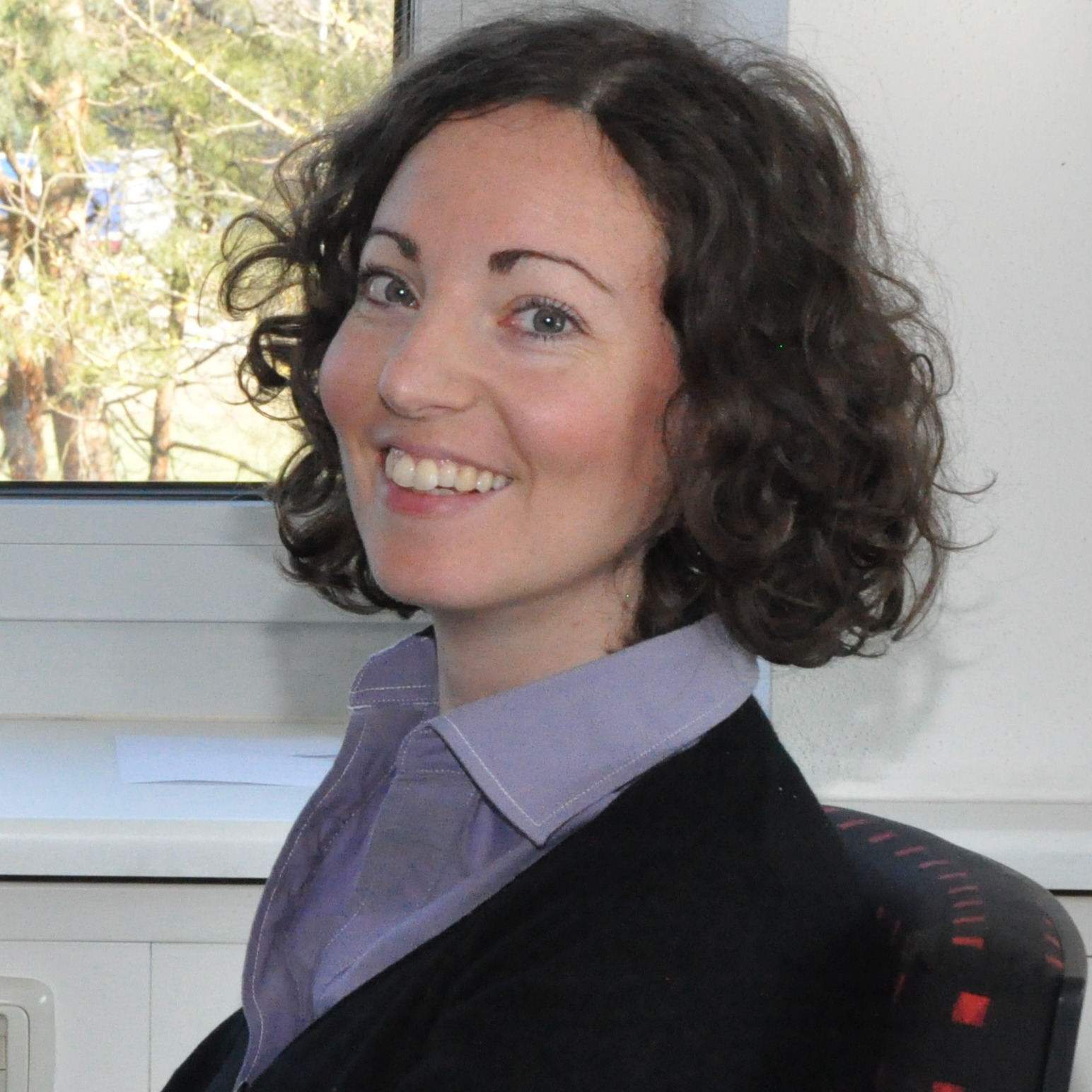
Department of Aerospace Science and Technology (DAER), Politecnico di Milano, Milan, Italy;Gabriella Gaias is Associate Professor of Aerospace Mechanics at the Department of Aerospace Science and Technology of Politecnico di Milano and co-coordinator of the COMPASS Lab. Her professional experience includes participation in several projects involving formation-flying missions for Earth observation and close-proximity operations. Her research interests include the development of relative Guidance, Navigation, and Control (GNC) algorithms, simulation systems, and flight software for multi-satellite missions. She received her MSc (2005) and PhD (2009) in Aerospace Engineering from Politecnico di Milano, Italy. She was awarded a European Commission Horizon 2020 Marie Skłodowska-Curie grant for the project ReMoVE. Before joining Politecnico di Milano, she worked as a Research Engineer (2009–2018) at the German Space Operations Center (GSOC) of the German Aerospace Center (DLR), where she contributed to two formation-flying missions flown since 2010. She served as Principal Investigator of the AVANTI experiment—an in-orbit demonstration that achieved the first fully autonomous vision-based rendezvous with a passive target spacecraft in low Earth orbit, relying exclusively on angles-only measurements. Within the PRISMA formation-flying mission, she worked as a GNC engineer in the control room and as an experiment developer for the ARGON demonstration. Her work has been disseminated through 25+ peer-reviewed international journal publications.
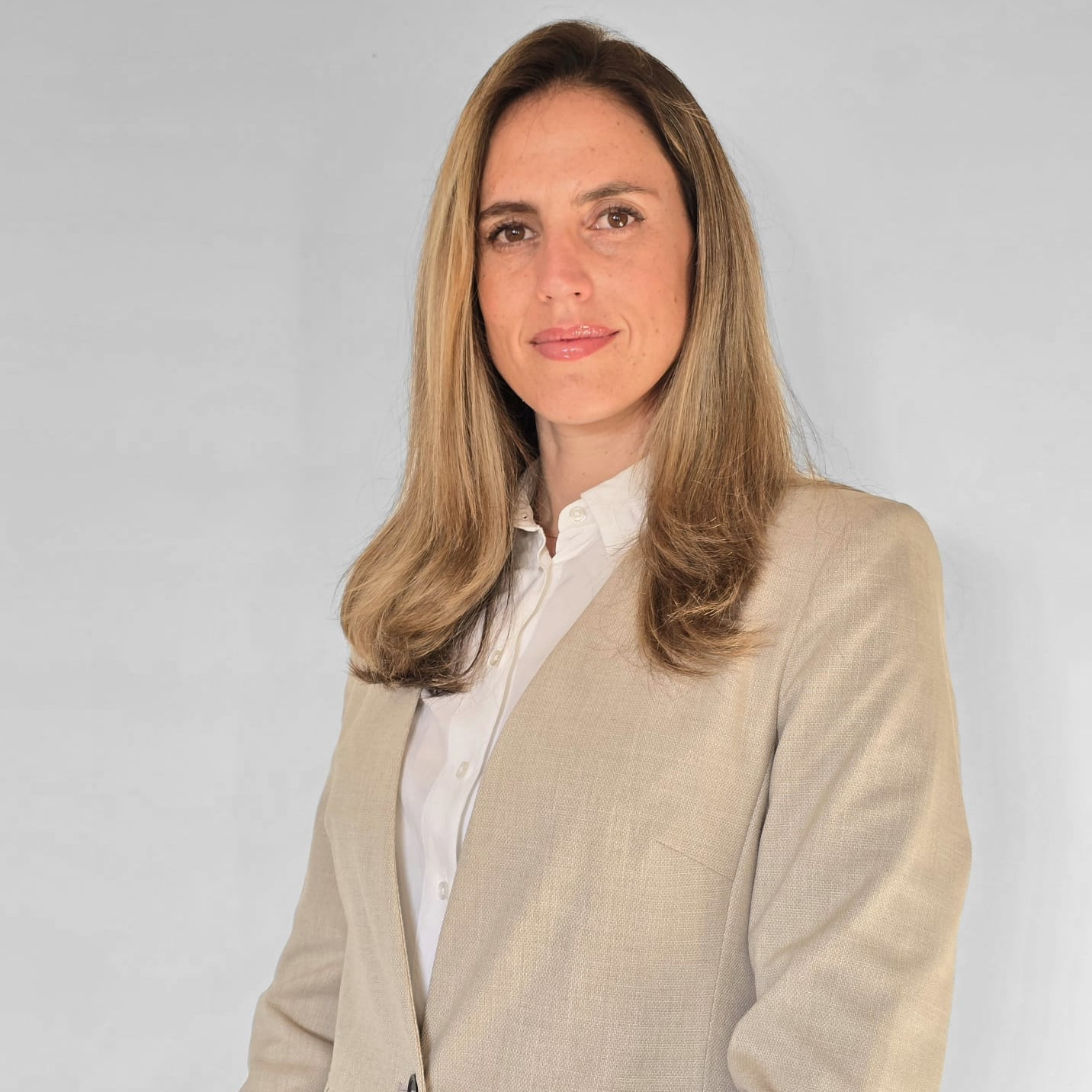
Department of Industrial Engineering and Mathematical Sciences (DIISM), Università Politecnica delle Marche, Ancona, Italy;Sara Casaccia is an Assistant Professor at the Department of Industrial Engineering and Mathematical Sciences (DIISM) of Università Politecnica delle Marche (UNIVPM), working in the field of Mechanical and Thermal Measurements. She received her Ph.D. in Industrial Engineering from UNIVPM in 2015. During her PhD, she was a Visiting Researcher at Washington University in St. Louis, working on Laser Doppler Vibrometry and physiological signal analysis. Her research activity focuses on measurement methodologies and sensing systems for wellbeing, comfort, and indoor environmental quality assessment in built environments. Her expertise includes wearable and non-invasive measurement systems, physiological and environmental monitoring, uncertainty analysis, sensor networks, and experimental campaigns involving real users in controlled and living environments. She has participated in several European and national projects, including Horizon Europe, H2020, AAL, PRIN, and regional initiatives, contributing to the development of innovative measurement approaches for personalized comfort assessment, healthy aging, support to disabled and fragile people, and smart living environments through advanced data analysis and artificial intelligence techniques.
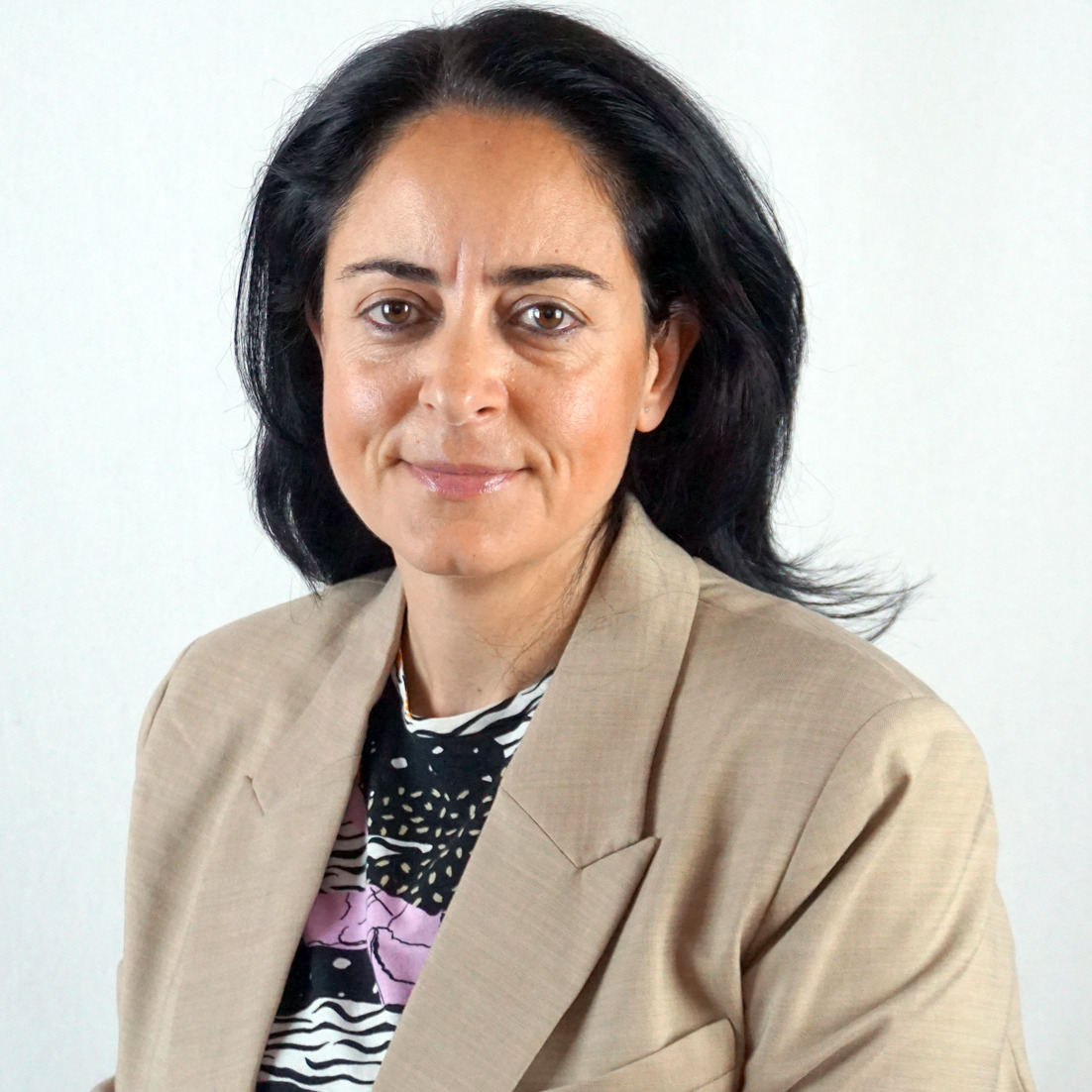
Department of Environmental Engineering (DIAm), University of Calabria, Rende, Italy;Marilena De Simone is an Environmental Engineer and earned a Ph.D in Mechanical Engineering. She currently works as an Associate Professor in Building Physics and Building Energy Systems at the University of Calabria (Italy). She is the author of scientific publications on the following topics: building physics, comfort and indoor environmental quality, passive and active solar systems, green roofs, energy storage materials, circular economy, occupants’ behavior, and energy efficiency of buildings. She was the coordinator for the University of Calabria and an active expert member of the IEA EBC ANNEX 66 and ANNEX 79 - (IEA) International Energy Agency, EBC - Energy in Buildings and Communities Programme. Currently, she is the local coordinator of the IEA EBC Annex 95 and Users TCP - Human-Centric Buildings for a Changing Climate. Since 2020, she has been responsible for the Observatory on Energy Poverty of the Calabria Region. The Regional Observatory has the aim of supporting studies, dissemination, analyses, and research activities in Southern Italy. The Observatory informs and involves institutions, associations, citizens, and businesses to activate concrete actions and policies, and directs families towards more conscious behavior in energy use.
In this section, you'll find the webinar recording. Share it with your colleagues!
| Speaker | Presentation | Time in CEST | Time in CST Asia |
|---|---|---|---|
| Introduction and Opening Remarks | 12:00–12:10 PM | 6:00–6:10 PM | |
| Dr. Maria Konstantaki | From Lab to Life: Application-Driven Optical Fiber Sensors | 12:10–12:30 PM | 6:10–6:30 PM |
| Prof. Gabriella Gaias | Multi-Satellite Missions for a Sustainable Use of Space | 12:30–12:50 PM | 6:30–6:50 PM |
| Prof. Sara Casaccia | Measuring Wellbeing: My Journey Through Engineering Research and Innovation in Measurement Applications | 12:50–1:10 PM | 6:50–7:10 PM |
| Assoc. Prof. Marilena De Simone | A Woman's Perspective on the Human Factor in Energy Engineering | 1:10–1:30 PM | 7:10–7:30 PM |
| Q&A Session | 1:30–1:55 PM | 7:30–7:55 PM | |
| Closing Remarks | 1:55–2:00 PM | 7:55–8:00 PM |
"Guidance, Navigation and Control Algorithms for Satellite Formation Flying (2nd Edition)"
Special Issue Editors: Dr. Gabriella Gaias and Dr. Jean-Sébastien Ardaens
Deadline for manuscript submissions: 31 July 2026
"Integrated Design Synergizing Sustainability, Well-Being, and Smart Technologies for Healthy and Climate-Adaptive Built Environments"
Special Issue Editors: Dr. Juan Ren and Dr. Xuan Ma
Deadline for manuscript submissions: 31 October 2026
"Sensors Network and Wearables for People Activities and Wellbeing Monitoring: 2nd Edition"
Special Issue Editors: Dr. Sara Casaccia and Dr. Gloria Cosoli
Deadline for manuscript submissions: 25 December 2026