The 1st International Online Conference on Diagnostics
Part of the International Online Conference on Diagnostics series
23–24 September 2026
22 June 2026
22 July 2026
16 September 2026
Medical Imaging, Pathology Diagnosis, Molecular Diagnosis, Laboratory Medicine, Point-of-Care Diagnosis, Artificial Intelligence in Diagnostics
- Go to the Sessions
- Event Details
Abstract Submission Deadline Extension
Great news! Following requests from several authors, the abstract submission deadline has been extended to 22 June 2026.
Submit your abstracts HERE.
Register for free HERE.
Save the date and join us at IOCDi 2026, taking place on 23–24 September 2026. We look forward to seeing you there!
For any inquiries, please contact iocdi2026@mdpi.com.
Welcome from the Chair
The goal of this conference is to enable scientists to present their latest research in the field of diagnostics and engage in discussions with the scientific community worldwide. We invite scientists, researchers, and healthcare professionals to contribute and share their findings in the following areas, including but not limited to:
– Pathology and Molecular Diagnostics
– Laboratory medicine
– Clinical Diagnosis and Prognosis
– Point-of-Care Diagnostics and Other Diagnostic Procedures
– Artificial Intelligence in Diagnostics
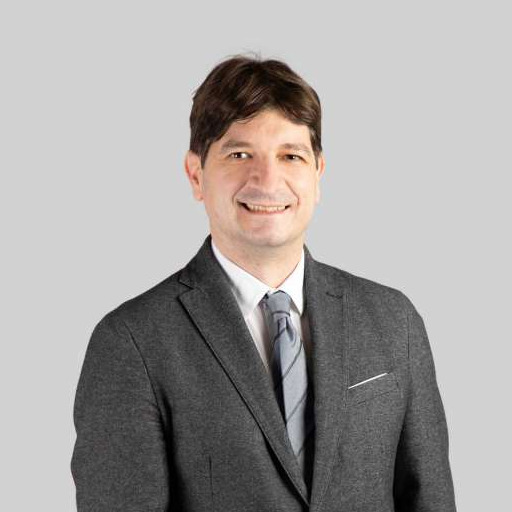
Prof. Dr. Giorgio Treglia
Conference Chair
1. Imaging Institute of Southern Switzerland, Ente Ospedaliero Cantonale (EOC), Bellinzona, Switzerland
2. Faculty of Biomedical Sciences, Università della Svizzera italiana (USI), Lugano, Switzerland

Event Chair
1. Imaging Institute of Southern Switzerland, Ente Ospedaliero Cantonale (EOC), Bellinzona, Switzerland,
2. Faculty of Biomedical Sciences, Università della Svizzera italiana (USI), Lugano, Switzerland

Prof. Dr. Giorgio Treglia graduated (cum laude) in medicine at the Università Cattolica of Rome (2003) and he achieved post-graduation in nuclear medicine (2007), attended an advanced course on systematic reviews and meta-analysis (2010) and achieved a master in health technology assessment and management - HTA (2011) at the same university. After the post-graduation in nuclear medicine, he worked as consultant in Italy until 2012, at Maggiore Hospital in Bologna (until 2009) and at Gemelli University Hospital in Rome (until 2012). From 2013 he is nuclear physician at Ente Ospedaliero Cantonale (EOC) with the currrent role of senior consultant. From 2017 he is also collaborator of the General directorate of Ente Ospedaliero Cantonale (EOC) with the current role of head of research and innovation service of the academic education, research and innovation area (AFRI). From 2017 Prof. Dr. Treglia is also associate physician at the University Hospital of Lausanne (CHUV) and from 2018 he is associate collaborator of Cochrane Switzerland as expert systematic reviewer and meta-analyst. About his academic roles, he achieved the title of Private Docent (PD) in 2018 at the Faculty of Biology and Medicine of the University of Lausanne (UNIL) and in 2020 he achieved the title of Titular Professor at the Faculty of Biomedical sciences of Università della Svizzera italiana (USI). He is also docent for the annual courses on systematic reviews and meta-analyses organized by the Clinical Trial Unit of Ente Ospedaliero Cantonale (CTU-EOC) and docent for the European School of Molecular Imaging and Therapy (ESMIT). From 2017 he is officer of the European Association of Nuclear Medicine (EANM). The research activity of Prof. Dr. Treglia is intense. His main research interests are focused on evidence-based imaging, positron emission tomography (PET) and hybrid imaging, and more in general on systematic reviews and meta-analyses of diagnostic test accuracy.
Session Chairs
Prof. Dr. Marijn M. Speeckaert
Department of Nephrology, Ghent University Hospital, Ghent, Belgium
Prof. Dr. Marijn M. Speeckaert is a Professor of Internal Diseases at Ghent University, Head of the Clinic Nephrology Department at Ghent University Hospital, Associate Editor of ACB, Section Editor-in-Chief of JPM, and Associate Editor of Frontiers in Immunology. He is an Experienced Medical Doctor with a Ph.D. and a demonstrated history of working in the medical practice industry. He is skilled in Translational Research, Clinical Research, Medical Education, Protein Chemistry, and Epidemiology. Also, he is a strong healthcare services professional with an MD and PhD focused in Nephrology from Ghent University.
Prof. Dr. Elad Asher
Jesselson Integrated Heart Center, Shaare Zedek Medical Center, Eisenberg R&D Authority and Faculty of Medicine, Hebrew University of Jerusalem, Jerusalem, Israel
Prof. Dr. Elad Asher is the director of the Intensive Cardiovascular Care Unit at Shaare Zedek Medical Center and in charge of the research unit as well. He has achieved his MD and MHA degrees at the Ben-Gurion University and did his interventional fellowship at the University Hospitals Cleveland Medical Center OH. His research focuses on myocardial infarction, platelets reactivity and atherosclerosis and he finds special interest in intra-vascular imaging with OCT.
Dr. Fabiano Bini
Department of Mechanical and Aerospace Engineering, Sapienza University of Rome, Eudossiana 18, 00184 Rome, Italy
Dr. Fabiano Bini is an Associate Professor of Bioengineering at Sapienza University of Rome, where he teaches Medical Imaging, Fundamentals of Biomechanics, Prosthetic Devices, and Testing of Biomedical Technologies. He is an Associate Editor of the international journals Nature Scientific Reports, Frontiers in Bioengineering and Biotechnology, and Bioengineering. Together with Franco Marinozzi, he designed the 3D reconstruction of the hologram of Jacopa da Cencelle.
Dr. Alessandro Stefano
Institute of Bioimaging and Complex Biological Systems, National Research Council (IBSBC-CNR), Cefalù, Italy
Alessandro Stefano is a software engineering researcher at the CNR of Italy. His research is focussed on the development and application of non-invasive imaging techniques, such as Positron Emission Tomography (PET), Computerized Tomography (CT), and Magnetic Resonance (MR). His work extensively explores the integration of Radiomics and Artificial Intelligence in clinical healthcare applications. Additionally, he specializes in the processing, quantification, and correction of both ex vivo and in vivo medical images, aiming to advance diagnostic and therapeutic practices through innovative imaging methodologies.
Dr. Gerald J. Kost
Pathology and Laboratory Medicine, School of Medicine, University of California, Davis, CA, USA
Dr. Kost studied Engineering at Stanford University and in Venezuela, then received the Master's degree in Engineering-Economic Systems (EEP) from Stanford prior to entering the Medical Scientist MD-PhD program at the University of California. He received his PhD in Bioengineering (NIH Traineeship) from UC San Diego and his MD from UC San Francisco in a Medical Scientist program. He was elected to Mu Alpha Theta (mathematics), Phi Kappa Phi (scholarship), and Sigma Xi (science) honor societies. His clinical residency comprised Internal Medicine/Neurology at UCLA and Laboratory Medicine at the University of Washington, Seattle. He is boarded in Clinical Pathology (ABP), was elected to the National Academy of Clinical Biochemistry (NACB, AACC Academy), served on its Board of Directors, and is licensed to practice medicine in California. For over three decades, he was Director of POCT/Clinical Chemistry for UC Davis Health. In 1995, he founded the POCT-CTRTM, and in 2016, the POC Institute. He held an Edward A. Dickson Endowed Emeritus Professor Award in the Department of Pathology and Laboratory Medicine, School of Medicine.
Prof. Dr. Cesar A. Moran
Department of Pathology, University of Texas MD Anderson Cancer Center, Houston, TX, USA
Prof. Dr. Cesar A. Moran is a thoracic pathologist and have practice diagnostic surgical pathology for over 25 years. His interest is in all aspects of thoracic pathology -lung, pleura, and mediastinum. During my career, he has participated in numerous publications focusing in thoracic pathology. In addition, he has directed numerous national and international courses in general surgical pathology as well as thoracic pathology.
Prof. Dr. Zhongheng Zhang
Department of Emergency Medicine, Sir Run Run Shaw Hospital, Zhejiang University School of Medicine, China
Dr Zhongheng Zhang is a fellow physician of the Jinhua Municipal Central Hospital. He graduated from school of medicine, Zhejiang University in 2009, receiving Master Degree. He has published more than 35 academic papers (science citation indexed) that have been cited for over 200 times. He has been appointed as reviewer for 10 journals, including Journal of Cardiovascular Medicine, Hemodialysis international, Journal of Translational Medicine, Critical care, International Journal of Clinical Practice, Journal of Critical Care. His major research interests include hemodynamic monitoring in sepsis and septic shock, delirium, and outcome study for critically ill patients. He is experienced in data management and statistical analysis by using R and stata, big data exploration, systematic review and meta-analysis.
Event Committee
Department of Life Science, Health and Health Professions, Link Campus University of Rome School of Medicine, Rome, Italy
Imaging; Diagnostic; breast imaging; breast prevention
Department of Life Sciences, Health and Health Professions, Link Campus University, Rome, Italy
Imaging of colorectal liver metastases: New developments and pending issues
Centre for Health Technology, University of Plymouth, Devon, UK
AI driven electronich health records analytics; explainable AI in healthcare; ethical AI in healthcare; natural language processing /text mining in healthcare; e-health techonology transformation; early detection and diagnosis; multimorbidity and polyphar
Department of Chemistry, FMKMC College, Mangalore University Constituent College, Madikeri, Karnataka, India
Sensor, Biosensor, Electrochemistry
Department of Radiology, Perelman School of Medicine, University of Pennsylvania, Philadelphia, USA
Aortic Atherosclerosis; pet; CT; pet and molecular imagingpet imaging
Biosciences Laboratory, IRCCS Romagnolo Institute for the Study of Tumors “Dino Amadori” (IRST), Meldola, Italy
metastatic colorectal cancer, molecular, targeted therapy; colorectal cancer; predictive biomarkers; lung cancer; search of markers for the early diagnosis of lung cancer egfr and k-ras analyses in patients with lung cancer
Horizon Health Network, Fredericton, NB, Canada,
Department of Pathology, Dalhousie University, Halifax, NS, Canada,
Discipline of Laboratory Medicine, Memorial University of Newfoundland, NL, Canada
Clinical Biochemistry / Medical Biochemistry; Laboratory Medicine & Pathology; Toxicology & Pharmacology; Diagnostic Techniques and Procedures
Department of Emergency Medicine, School of Medicine, University of California, Irvine, USA,
School of Medicine, University of California, Irvine, USA
Point of Care Ultrasound; Medical Ultrasound; Emergency Medicine; US; Sonography; MRI
Department of Automatics and Applied Software, Faculty of Engineering, Aurel Vlaicu University of Arad, Arad, Romania
Intelligent Systems; Soft Computing; Fuzzy Control; Modeling and Simulation; Nonlinear Systems; Permanent Magnet Synchronous Generator-Based
Department of Biomedical Engineering, College of Chemistry and Life Science, Beijing University of Technology, Beijing, China
Biomedical Ultrasonics; Liver Tumor; Radiofrequency Ablation; Computed Tomography; Ultrasound Imaging; Ultrasonics; Quantitative Ultrasound; Ultrasound Elastography; Medical Signal Processing; Medical Image Processing; Thermal Ablation; Biomedical Ultraso
Specializing in MRS-Based Metabolomics of Cancer; Three Patents: (i) Simple, Non-Invasive Approach for the Early Diagnosis of Colorectal Cancer Using PMRS; (ii) A Screening Tool for Colorectal Cancer in Asymptomatic Subjects; and (iii) Methods of Diagnosi
Department of Radiology, Kaohsiung Veterans General Hospital, Kaohsiung, Taiwan,
Faculty of Medicine, School of Medicine, National Yang Ming Chiao Tung University, Taipei, Taiwan,
School of Medicine, College of Medicine, National Sun Yat-Sen University, Kaohsiung, Taiwan
Lung Cancer; Diagnosis; Prognosis; Radiomics; Texture Analysis; Early Detection of Cancer; Lung Neoplasms; Nodules
Anemia; Erythropoiesis; Iron; CBC Counters; Clinical Chemistry; Blood Counts
Laboratory Diagnostic Service — SDLab, Porto Alegre, Brazil,
Hospital de Clínicas of Porto Alegre — HCPA, Porto Alegre, Brazil
Molecular Biology in the Diagnosis of Infectious Diseases; Virology; Precision Medicine; Next-Generation Sequencing
Department of Pathology, Division of Clinical Laboratories and Molecular Medicine, Massachusetts General Hospital, Boston, MA, USA,
Harvard Medical School, Boston, MA, USA
Clinical Pathology; Point-of-Care Testing
Department of Biological Sciences, Northern Arizona University, Flagstaff, AZ, USA
Human Activity Recognition; Gait with Machine Learning; Wearable Applications; Wireless Accelerometer; iPod Applications; iPhone Applications; Machine Learning
Department of Endocrinology, Carol Davila University of Medicine and Pharmacy, Bucharest, Romania,
C.I. Parhon National Institute of Endocrinology, Bucharest, Romania
endocrine, endocrine tumor, autoimmune, neuroendocrine; endocrine surgery, hereditary syndromes, bone, thyroid, parathyroid, osteoporosis; vitamin D; gynecological endocrinology
infection; biofilm bacteria; chronic wounds; decubitus; antibiotics
Vascular and Endovascular Surgery Unit, Department of General and Specialistic Surgery, Sant’Andrea Hospital of Rome, “Sapienza” University of Rome, Rome, Italy
Carotid Stenosis, Carotid endarterectomy, Ethics, Informed Consent, EVAR, Late mortality, Aortic Aneurysm
Department of Breast Imaging, The University of Texas MD Anderson Cancer Center, Houston, TX 77030, USA
breast | breast neoplasms | breast magnetic; breast cancer
geriatrics; cognition; cardiovascular diseases; orthostatic hypotension
Department of Pathology and ARUP Laboratories, University of Utah, Salt Lake City, UT, USA
lymphoma; leukemia; pathology; flow cytometry; hematological malignancies; hematologic diseases; myelodysplastic neoplasms; Clinical Hematology; hematopathology; acute myeloid leukemia; translational research; novel technologies
Department of Psychology, North Carolina Central University, Durham, NC, USA
sickle cell disease; chronic illness; case reports; Government; covid-19
cancer biomarker; biosystem; gene target
Department of Chemistry and Chemical Biology, Northeastern University, Boston, MA, USA,
Center for Life Sciences, Boston Children’s Hospital, Harvard Medical School, Boston, MA, USA
diagnostics, organ-on-chip, 2D Materials, nanomedicine, vaccines, biosensors
Nuclear Medicine Unit, TracerGLab, Department of Diagnostic Imaging, Oncological Radiotherapy and Hematology, Fondazione Policlinico Universitario A. Gemelli IRCCS, Rome, Italy
positron emission tomography computed tomography
Department of Brain and Cognitive Engineering (Primary), Korea University, Seoul, Republic of Korea,
Department of Artificial Intelligence (Secondary), Korea University, Seoul, Republic of Korea
artificial intelligence (machine learning) for biomedical images; robot-assisted microsurgeries in ophthalmology; novel optical imaging technologies for various fields in nanobiomedicine; neuroscience research
Department of Biological Sciences, Northern Arizona University, Flagstaff, AZ, USA
human activity recognition; gait with machine learning; wearable applications, wireless accelerometer, ipod applications, iphone applications, machine learning
Department of Gynecology and Obstetrics, School of Medicine, Vita-Salute San Raffaele University, Milan, Italy
Pregnancy, Ultrasound, Congenital anomalies, Congenital heart defects, Neural tube defects, Spina bifida, Preterm birth, Fetal growth, Doppler, Medically Assisted Reproduction, Obstetric Outcome, Intrapartum Surveillance
Department of Biochemical Diagnostics, Medical University of Bialystok, Bialystok, Poland
Clinical Chemistry, Oncology and Pathology
Laboratory of Photobiology, Keio University School of Medicine, Tokyo, Japan
Retinal Ischemic Diseases; Anti-Aging; Anti-Inflammation; Neuroprotection; Retinal Metabolism; Nutritional Supplements; Bioinformatics; Vitamins; Retinal Dysfunction; Fibrosis; Peroxisome Proliferator-Activated Receptor; Hypoxia-Inducible Factor; Nicotina
Universitair Ziekenhuis Antwerpen, Edegem, Belgium,
Department of Communication Sciences and Disorders, Long Island University (LIU) Brooklyn, Brooklyn, NY, USA
Cochlear implantation, aging hearing, working memory, and speech recognition
Institute of Biomedical Engineering, National Tsing Hua University, Hsinchu, Taiwan
Cellulose-Based Diagnostic Devices for Public Health and Food Safety; Cellular & Amp; Tetanus; Diphtheria; Pertussis; Influenza; Covid-19; Vaccinations; Antibody Responses; Vaccine; Sars-Cov-2
Department of Operative Dentistry, School of Dentistry, National and Kapodistrian University of Athens, Athens, Greece
Dental Caries; Dental Materials; Dentin Hypersensitivity; Restorative Dentistry; Sports Dentistry
Department of Chemistry, University of Patras,Patras, Greece
analytical chemistry; nucleic acids and protein analysis, biosensors
Institute for the Electromagnetic Sensing of the Environment (IREA), National Research Council of Italy, Naples, Italy
electromagnetics, imaging, radar, inverse problems
Keynote Speakers
Department of Diagnostic Sciences, Ghent University, Ghent, Belgium
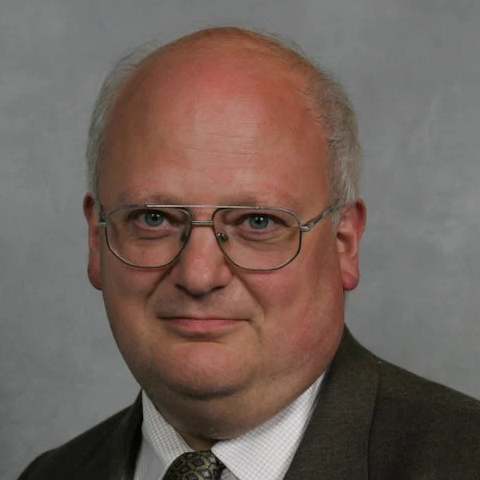
An overview on current glycation biomarkers
Joris R. Delanghe is affiliated with Ghent University in Belgium and has contributed extensively to research in medicine and biochemistry, genetics, and molecular biology. Their work spans numerous subfields including infectious diseases, nephrology, pathology and forensic medicine, nutrition and dietetics, and molecular biology. The scientist's research encompasses a variety of key topics including: Vitamin D Research Studies COVID-19 Clinical Research Studies Vitamin C and Antioxidants Research Advanced Glycation End Products research Chronic Kidney Disease and Diabetes SARS-CoV-2 and COVID-19 Research Dialysis and Renal Disease Management
Biochemistry, Proteins, Metabolism, Protein Purification, PCR, ELISA, Electrophoresis, Genetics, Antibodies, Inflammation
Department of Pathology, Division of Clinical Laboratories and Molecular Medicine, Massachusetts General Hospital, Boston, MA, USA,
Harvard Medical School, Boston, MA, USA
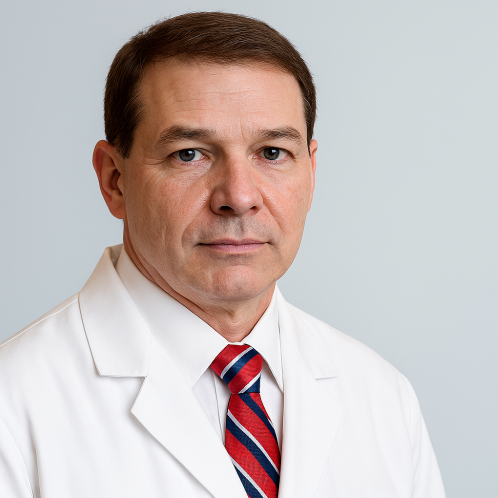
Prof. Dr. Kent Lewandrowski is Associate Chief for Laboratory and Molecular Medicine at the Massachusetts General Hospital Pathology Service and Professor of Pathology at Harvard Medical School. His research focuses on point-of-care diagnostics, serum cardiac markers, and pancreatic pathology, including the chemical and histopathologic features of pancreatic neoplasms and acute experimental pancreatitis. Prof. Dr. Lewandrowski is also a member of the leadership team at Partners Healthcare Personalized Medicine, where he has contributed extensively to operations improvement, regulatory compliance, strategic planning, and quality improvement initiatives. He has authored numerous studies examining the impact of rapid point-of-care testing in emergency department settings, with particular emphasis on reducing emergency room length of stay and unnecessary hospital admissions. In addition, Prof. Dr. Lewandrowski serves as Editor-in-Chief of Point of Care: The Journal of Near Patient Testing Technology. He completed his training in anatomic and clinical pathology at Massachusetts General Hospital and has been a member of the Department of Pathology staff since 1991.

Heart Institute and Action Group, Pitié-Salpétrière, Sorbonne University,Paris, France
Dr. Pierre Sabouret is an associate professor in Institute of Cardiology, Pitié-Salpêtrière Hospital (AP-HP), University Paris . From cardiology department. which is located in France . Dr. Pierre Sabouret area af specializations are Echocardiography , Hypertension ,Atrial Fibrillation.
Echocardiography, Hypertension, Atrial Fibrillation, Atherosclerosis, Metabolism, Myocardial Infarction, Diabetes, Heart Failure, Cardiovascular Medicine, Clinical Cardiology
Invited Speakers
International Centre for Point-of-Care Testing, Flinders University, Bedford Park, Australia
Point-of-care testing – Changing Lives for the Better in Remote Primary Care. The Australian experience.
Mark Shephard is Matthew Flinders Professor at Flinders University and former Founding Director of the International Centre for Point-of-Care Testing (2011–2022), following his earlier role as Director of the Community Point-of-Care Services unit (2003–2010). He has nearly 30 years of experience in pioneering translational research and implementation of point-of-care (POC) testing models for chronic, acute, and infectious diseases across rural and remote healthcare settings nationally and internationally. Professor Shephard has extensive expertise in POC device evaluation, training, quality management systems, and the development of undergraduate and postgraduate teaching programs in POC testing. Under his leadership, the International Centre for Point-of-Care Testing was designated a World Health Organization Collaborating Centre for three consecutive terms from 2017. He also served as inaugural Chair of the World Organization of Family Doctors Special Interest Group on Global Point-of-Care Testing from 2013 to 2018. He has authored more than 115 peer-reviewed journal articles and 24 book chapters, and is principal author and editor of the book A Practical Guide to Global Point-of-Care Testing. Professor Shephard has secured over AUD$72 million in competitive research funding as chief investigator on major grants. His honours include the Medal of the Order of Australia (OAM), an Australian of the Year Award, and the Royal College of Pathologists of Australasia Founding Fellowship in the Faculty of Science. In 2024, he was recognised among the world’s leading researchers by ScholarGPS and the Stanford University global rankings. In 2025, he was elected as an Expert Consultant to the International Federation of Clinical Chemistry and Laboratory Medicine Committee on Point of Care Testing and presented a TED Talk at the 5th United Nations General Assembly Symposium on Digital Health.
Nuclear Medicine Unit, Department of Biomedical, Dental Sciences and Morpho-Functional Imaging, Messina University, Messina, Italy
Theranostics application in Nuclear Medicine
Dr Riccardo Laudicella is a Nuclear Medicine Physician and Researcher at the University Hospital of Messina, Italy. In the same University, he completed in 2019 the 4-year Nuclear Medicine Residency Program with a bachelor thesis about “Applications of Radiomics on 18F-Choline PET/CT Images”. During his Residency, he spent 4 months as Visiting Trainee and Researcher in the Division of Nuclear Medicine and Molecular Imaging at Stanford University (2018). He then obtained a PhD in “Bioengineering Applied to Medical Sciences” at Messina University (2022), and also completed a 1.5 year fellowship at USZ and ETH (Zurich, Switzerland) regarding selective internal radiotherapy application in genitourinary cancer (2022). His main interests are about Artificial Intelligence Applications and Nuclear Medicine Theranostics.
Nuclear Medicine Unit, Azienda Ospedaliero-Universitaria SS. Antonio e Biagio e Cesare Arrigo, Alessandria, Italy
PET/CT in oncology: beyond diagnostic power
Department of Urology, Instituto Nacional de Cancerología, UNAM—Univesidad Nacional Autónoma de Mexico, Mexico City, Mexico
Urology & Nephrology Oncology Pathology Radiology, Nuclear Medicine & Medical Imaging Research & Experimental Medicine
Department of Laboratory Medicine, University Hospital Ghent, Ghent, Belgium
Matthijs Oyaert graduated as a master in drug development (pharmacy) in 2011 and master in clinical biology in 2016 at the KU Leuven and started working as a clinical biologist at the clinical laboratory of the Ghent University hospital. In the laboratory of clinical chemistry and hematology, he is responsible for a broad variety of (automated) routine clinical chemistry and immunochemistry tests and urinary test strip and particle analysis. In addition, he is involved in the laboratory diagnosis of auto-immune and neuroinflammatory diseases. During the first years, he obtained his PhD in 2021 entitled “New developments in the laboratory diagnosis of urinary tract pathology” at the Ghent University. Besides his activity in the Sciensano expert group of TDM, chemistry and immunochemistry and member of the European Federation of Laboratory Medicine (EFLM), he is an active Member of the current Royal Belgian Society of Laboratory Medicine (RBSLM) board. Since 2021, he is involved in the EFLM Task and Finish Group on Urinalysis under the supervision of Prof. Dr. Timo Kouri.
Registration
Instructions for Authors
IOCDi2026 will accept abstracts only. The accepted abstracts will be available online on Sciforum.net during and after the conference.
Important Deadline
1. Extended Deadline for abstract submission: 22 June 20262. Extended Abstract acceptance notification: 22 July 2026
Please note:
An abstract acceptance email only confirms that your abstract has been accepted. Oral or poster presentation invitations are determined separately by the conference chairs, and you will receive an additional email with the presentation result.
If you do not have an account, please register at www.sciforum.net. After logging in, submit your abstract using the “Submit Abstract” button on the conference homepage. No template is required.
Abstract Requirements
1. Types of Submissions
- Accepted: Original research abstracts; systematic reviews or meta-analyses abstracts (must comply with PRISMA 2020).
- Not accepted: Narrative, scoping, comparative, perspective, opinion, or essay-style reviews
2. Content Requirements
- Length: 200–300 words
- Structure: Introduction, Methods, Results, Conclusions
- Language: Clear, publication-ready English
- Originality: Must be original and unpublished; previously published abstracts will not be considered
3. Authorship
All listed authors must have made substantial contributions to the work, participated in drafting or critically revising the abstract, and approved the final version. The submitting (presenting) author is responsible for ensuring that all co-authors have reviewed and approved the submission, including its content and authorship order.
Requests for changes to authorship (including the addition, removal, or reordering of authors) after submission must be submitted using a signed Authorship Change Form, with written consent from all affected authors. Such requests are subject to review and approval by the Conference Organizing Team. All authors share collective responsibility for the accuracy, integrity, and ethical compliance of the submitted work.
Authors may submit multiple abstracts, but only one abstract per author may be selected for an oral presentation.
1. Each abstract must designate one presenter. To change the presenter, please contact us after you receive the oral/poster presentation invitation.
2. Only live presentations are accepted.
3. Presenters who do not attend the live session will not be eligible for awards or presentation certificates.
The slot for the oral presentation is 15 mins. We advise that your presentation lasts for a maximum of 12 mins, leaving at least 3 mins for the Q&A session.
Authors are encouraged to prepare presentations using PowerPoint or equivalent software for online display alongside their abstract. If provided, slides will be presented directly on the conference website via the Sciforum.net slide viewer and should be prepared in the same format as a traditional conference presentation of research results. All slides must be converted to PDF format prior to submission to ensure accurate online display.
Each presentation should:
- Communicate the research question or objective, methodology, key results, and scientific novelty;
- Use a clear and logical structure, typically Introduction-Methods-Results&Discussion structure (IMRaD) or a field-appropriate alternative;
- Emphasize the relevance of the work;
- Support key findings with clear figures or tables where appropriate;
- Conclude with a critical interpretation of the results and their impact.
Posters should be designed to allow independent understanding of the research and clearly present the essential elements of the study.
Each poster should include:
- Title, authors, affiliations, and contact details (clearly displayed at the top);
- Brief introduction outlining the research objective;
- Concise methodology summary;
- Main results, supported by clear, well-labeled figures or tables where appropriate;
- Short conclusion summarizing key findings and their relevance.
Technical specifications:
Dimensions (cm): 84.1 × 118.9 (A0 - portrait)
Resolution:300 dpi
Pixel size (portrait, 300 dpi):9933 × 14043 px
Minimum font size:≥24
The poster template can be downloaded HERE. We will reach out to you closer to the dates of the conference with more information.
Note: The uploaded poster may be used as provided and serves as a reference. However, as long as the technical specifications are followed, scholars are welcome to use any poster template of their choice.
Any request concerning abstract or proceedings paper withdrawal should be communicated to the Conference Organizing Team as early as possible, preferably prior to final acceptance and confirmation of the conference program. Please note that once abstracts are published in the Conference Report or once Proceedings papers are published in the Proceedings journal and assigned a DOI, they become part of the permanent scholarly record and cannot be fully removed.
AI policy
The responsible use of generative AI tools in the preparation of abstracts, posters, and presentations is permitted; however, any such use must be clearly disclosed, specifying the tool employed and its role. Authors retain full responsibility for the accuracy and integrity of their work.
Potential Conflicts of Interest
Authors must disclose any financial, professional, or personal relationships that could reasonably be perceived as influencing the integrity, interpretation, or presentation of their work. Failure to provide accurate disclosures may result in the removal of the abstract from the conference program and associated publications.
If there is no conflict, please state "The authors declare no conflicts of interest." This should be conveyed in a separate "Conflict of Interest" statement preceding the "Acknowledgments" and "References" sections at the end of the manuscript. Any financial support for the study must be fully disclosed in the "Acknowledgments" section.
1. Copyright Ownership
In accordance with Swiss copyright law, you, as the author, are the original creator of your work and retain full copyright ownership of your submitted abstract.
2. License Grant
By submitting your abstract for publication on the Sciforum.net platform, you grant MDPI, the platform’s publisher, a worldwide, royalty-free, non-exclusive license to:
- Publish, reproduce, and distribute the abstract online.
- Make the abstract publicly available in connection with the conference.
3. Author’s Retained Rights
This license is non-exclusive. As you retain full copyright, you are free to:
- Reuse, republish, and build upon your work in any way.
- Develop the abstract into a full paper for submission to other journals or publications.
- Enter into subsequent agreements, including granting an exclusive license or transferring copyright to another publisher for a future version of the work.
4. Author’s Responsibility
You remain solely responsible for complying with the policies of any other journal or publisher to which you may submit a subsequent version of your work, particularly concerning prior publication rules. MDPI and Sciforum.net bear no responsibility for any conflicts arising from your future submissions.
Publication Opportunities
Participants in this conference are cordially invited to contribute a full manuscript to the conference's Special Issue: Selected Papers From the 1st International Online Conference on Diagnostics (IOCDi 2026), published in Diagnostics (ISSN: 2075-4418, Impact Factor: 3.3). Conference discounts cannot be combined with reviewer vouchers. All submitted papers will undergo MDPI’s standard peer-review procedure. The abstracts should be cited and noted on the first page of the paper.
Authors of accepted abstracts are highly encouraged to submit an extended proceedings paper (ideally 4–8 pages in length) for the conference's dedicated proceedings volume in the Medical Sciences Forum (ISSN: 2673-9992) for free, please submit it after the conference.
Proceedings paper submission deadline: 8 November 2026. (45 days after the conference)
Please click HERE to submit your proceeding paper to the Medical Sciences Forum, and be sure to disclose the conference information in your cover letter or mention the conference name in your submission.
IOCDi 2026 Proceeding Paper Template
Publication Notice: Proceedings papers will undergo peer-review procedure. Acceptance at the conference does not ensure final publication.
Event Awards

The Awards
Number of Awards Available: 6
To acknowledge the support of the conference's esteemed authors and recognize their outstanding scientific accomplishments, we are pleased to announce the establishment of the Best Oral Presentation Award and Best Poster Award.
Best Oral Presentation Award and Best Poster Award
Number of Awards Available: 6
1. Best Oral Presentation Award
Eligibility: Open to all authors selected as oral speakers who have delivered their presentation. Failure to present, delegation of the presentation to another person, or use of AI-generated voice or similar substitutes will result in disqualification.
Criteria: Evaluation considers scientific rigor (clear, literature-supported research question or hypothesis, appropriate methodology, robust analysis and critical discussion of the results), IMRaD/field-appropriate structure, clarity of presented data (clear, well-labeled figures and tables), presentation skills and audience engagement, demonstrated scientific novelty and impact.
Prize: An award of CHF 200 and a certificate in recognition of your outstanding contribution.
Eligibility: Open to all authors who have presented their work through posters. Failure to present, delegation of the presentation to another person, or use of AI-generated voice or similar substitutes will result in disqualification.
Winner Announcement: The award winners will be evaluated and selected by the scientific committee after the conference. Results will be announced on the website and all winners will be individually contacted via email.
Sponsors and Partners
For information regarding sponsorship and exhibition opportunities, please click here.
Organizers
Sponsors
Media Partners
Conference Secretariat
Mrs. Ana-Maria Prodan
Mr. Russell Wang
Mr. Ionut Spatar
Email: iocdi2026@mdpi.com
For inquiries regarding submissions and sponsorship opportunities, please feel free to contact us.
S3. Laboratory medicine
Session Chair
Prof. Dr. Marijn M. Speeckaert, Department of Nephrology, Ghent University Hospital, Ghent, Belgium
Show all accepted abstracts (6) Hide accepted abstracts (6)
List of Accepted Abstracts (6) Toggle list
S4. Clinical Diagnosis and Prognosis
Session Chair
Prof. Dr. Elad Asher, Jesselson Integrated Heart Center, Shaare Zedek Medical Center, Eisenberg R&D Authority and Faculty of Medicine, Hebrew University of Jerusalem, Jerusalem, Israel
Show all accepted abstracts (1) Hide accepted abstracts (1)
List of Accepted Abstracts (1) Toggle list
S5. Point-of-Care Diagnostics and Other Diagnostic Procedures
Session Chair
Prof. Dr. Gerald J. Kost, Pathology and Laboratory Medicine, School of Medicine, University of California, Davis, CA, USA
Show all accepted abstracts (4) Hide accepted abstracts (4)
List of Accepted Abstracts (4) Toggle list
S6. Artificial Intelligence in Diagnostics
Session Chair
Prof. Dr. Zhongheng Zhang, Department of Emergency Medicine, Sir Run Run Shaw Hospital, Zhejiang University School of Medicine, Hangzhou, China
Show all accepted abstracts (2) Hide accepted abstracts (2)
List of Accepted Abstracts (2) Toggle list