The 3rd International Online Conference on Toxics
Connecting Ecosystems, Animals, and Humans: Toxicology in the One Health Era
Conference Closed and Winner Announcement
On behalf of the conference organizing committee, we would like to express our appreciation to all the participants for their contributions. From all accounts, the event was a success.
The Best Oral Presentation Awards and Best Poster Awards of IOCTO 2026 have been evaluated. Please refer to the Award Winners Announcement.
Please download your electronic Certificate of Attendance HERE.
Find the conference's abstract book HERE.
Explore the digital poster gallery HERE.
Participants in this conference are invited to contribute a full manuscript to a Special Issue: Selected Papers from the 3rd International Online Conference on Toxics (IOCTO2026) published in Toxics with a 10% discount on the publication fee. Deadline: 4 December 2026. Find out more about our Publication Opportunities.
On behalf of the conference chairs of IOCTO 2026, we are pleased to announce the winners of the Best Oral Presentation Awards and Best Poster Awards (200 CHF each).
Best Oral Presentation Awards
Amir Sapir
Pfos at Human-Relevant Concentrations Activates a Klf-1–P450 Mitochondrial Protective Axis in Caenorhabditis Elegans
Authors: Amir Sapir, Aisha Nijem, Shahd Ghadir, Benjamin Trablci, Oz Solomon, Eilon Barneea, Yoram Gerchman
Alison K. Bauer
Polycyclic Aromatic Hydrocarbons and Sugarcane Workers in Guatemalan
Authors: Alison K. Bauer, Finnegan Friday, Michael Armstrong, Nichole Reisdorph, Jared M. Brown, Lyndsay Krisher, Lee S. Newman
Ana-Marija Valland
Genotoxicity Biomarkers in Healthcare Workers Occupationally Exposed to Antineoplastic Drugs: A Systematic Review and Meta-Analysis
Authors: Ana-Marija Valland, Tatjana Golubović
Best Poster Awards
Ani Tevosyan
Improved Prediction of Chemical Carcinogenicity Based on Hybrid In Silico/In Vitro Methodology
Authors: Ani Tevosyan, Hayk Daghunts, Lusine Khondkaryan, Gohar Tadevosyan, Lilit Apresyan, Anna Misakyan, Zaven Navoyan, Nelly Babayan
Samuel Fernandes Santos
Ecological Assessment of Two Portuguese Estuaries Under Contrasting Urban Pressure: Douro vs Lima
Authors: Samuel Fernandes Santos, Marina Dolbeth, Sara C. Antunes
Suzana Žunec
Assessment of Pb Neurotoxicity in European Brown Bears: Evidence From Pb–Ca Associations and Oxidative Stress Biomarkers
Authors: Suzana Žunec, Dubravka Rašić, Maja Lazarus, Ankica Sekovanić, Agnieszka Sergiel, Đuro Huber
Congratulations to these authors for their outstanding scientific accomplishments!
the chairs
Dear colleagues,
On behalf of the MDPI journal Toxics (ISSN: 2305-6304; Impact Factor: 4.9) and its Scientific Committee, I am pleased to invite you to participate in the 3rd International Online Conference on Toxics (IOCTO2026). This meeting will be held online from 9-11 September 2026.
The aim of this platform is to bring together students, researchers, and scientists from around the world to present their work and exchange ideas on the exposure, effects, and risks regarding chemicals and materials in terms of humans and the natural environment, as well as on the development of new approaches to assess and/or manage the toxicological and ecotoxicological risks of chemicals and materials.
The topics are organized into five sessions, corresponding to the following journal sections:
S1. Exposure Routes / Exposome of Emerging Contaminants and Materials in the Environment;
S2. Wildlife Ecotoxicology, Sentinel Species, and Ecosystem Health;
S3. Innovating Toxicology: NAMs and Computational Tools for Next-Generation Risk Assessment;
S4. Molecular and Cellular Mechanisms, Comparative Toxicology, and Multi-Omics Integration;
S5. Risk assessment, Policy, and Environmental Justice in Chemical Safety.
Submitted abstracts will be reviewed by the conference committee and, if accepted, authors can choose to submit an extended proceedings paper of their work. All accepted abstracts will be published as one dedicated volume in the Environmental and Earth Sciences Proceedings (ISSN: 3042-5743).
The 3rd International Online Conference on Toxics offers you the opportunity to participate in this international, scholarly conference without having the concern or expenditure of travel fees. We would like to invite you to “attend” this conference by presenting your latest work. Abstracts (in English) should be submitted online before 5 June 2026.
Kind regards,
Dr. Natalia Garcia-Reyero
Institute for Genomics, Biocomputing & Biotechnology, Mississippi State University, Starkville, USA
Dr. Carlos Barata
Institute of Environmental Assessment and Water Research (IDAEA-CSIC), Barcelona, Spain



Meet Our Chairs
Institute for Genomics, Biocomputing & Biotechnology, Mississippi State University, Starkville, USA;Natàlia Garcia-Reyero Vinas received her BS in Biology from Universitat de Girona, and her MS and PhD from Universitat de Barcelona, in Barcelona, Spain. She has held several positions at the US Department of Defense and holds adjunct professor positions at Mississippi State University and University of Florida. Her research was geared towards predictive (eco)toxicology and now aims to advance the use of New Approach Methodologies and use science to inform policy and vice versa.
Institute of Environmental Assessment and Water Research (IDAEA-CSIC), Barcelona, Spain;Dr. Carlos Barata is a Senior Scientist at the Institute of Environmental Assessment and Water Research (IDAEA-CSIC), where they have served as a Researcher and Tenured Scientist since 2007. They earned their PhD in Biology (1994) and Degree in Biology (1988) from the University of Barcelona, followed by prestigious postdoctoral fellowships across Europe and research stays in Australia and the USA. Dr. Carlos Barata leads the ""Toxicology and Environmental Impact"" group, focusing on multidisciplinary studies in ecotoxicology and toxicogenomics. Their work involves developing novel, cost-effective, and ecologically relevant toxicity assays to assess toxic effects and identify hazardous substances. They apply ecological expertise to lab, field, and mixture toxicity studies, and have pioneered tissue/cell-specific toxic effects using advanced molecular tools. Their research, developed through extensive collaborations, has been applied globally in Portugal, Costa Rica, Australia, Germany, and the UK. A highly influential researcher, Dr. Carlos Barata has authored over 253 SCI papers and 25 book chapters, cited more than 9000 times (H-index: 54). They have supervised 30 PhD students and 20 Master's students, many of whom have gone on to prominent careers. An active leader in the scientific community, they have chaired numerous sessions for SETAC Europe and co-chaired the 30th ESCPB Meeting, notably chairing the 25th SETAC EU Annual Meeting in Barcelona (over 3000 participants) in 2015. He is also the Chief Editor for Toxics (ecotoxicology), an Associate Editor for Ecotoxicology, and an elected council member for SETAC EU (2012-2017) and SICTA (since 2011).
Important Dates
5 Jun
2026
8 Jul
2026
4 Sep
2026
4 Sep
2026
Meet Our Speakers
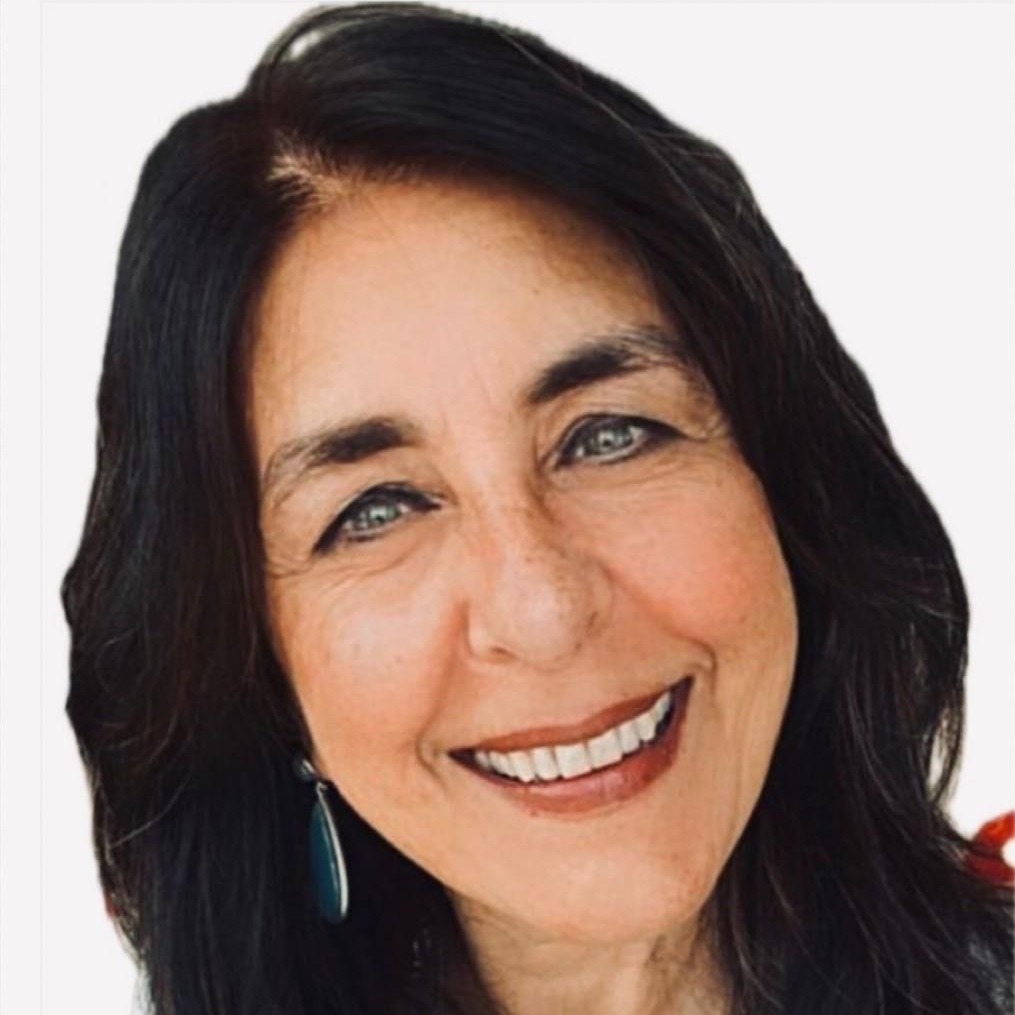
Department of Chemistry, Biology and Biotechnology, University of Perugia, Perugia, Italy;Prof. Antonia Concetta Elia is Associate Professor at the Department of Chemistry, Biology and Biotechnology of the Università degli Studi di Perugia, Italy, and holds the National Scientific Habilitation as Full Professor in Ecology. She earned her Ph.D. in Experimental Medicine from the same University and founded the Ecotoxicology Laboratory, establishing a long-standing research program in ecotoxicology. Her research focuses on contaminant-mediated oxidative stress biomarkers in aquatic and terrestrial organisms. She evaluates the impacts of contaminants on organism health and ecosystem integrity across a wide range of pollutants, including metals, pesticides, PCBs, and emerging contaminants such as microplastics and REEs. She has coordinated and participated in numerous national and international research projects, contributing to frontier research aligned with European strategic priorities. She supervises Ph.D. students, is a member of professional scientific societies, and has contributed to over 140 peer-reviewed publications. She also serves as reviewer for international journals and research funding programs, actively contributing to the advancement of ecotoxicological research.

Department of Surgery, Medical and Social Sciences, Faculty of Medicine and Health Sciences, University of Alcalá, Madrid, Spain;Dr Antonio Peña-Fernández is a Lecturer in Forensic Toxicology and Legal Medicine at the University of Alcalá, Spain, and an Honorary Associate Professor in Toxicology and Medical Sciences at De Montfort University, United Kingdom. He holds a PhD in Toxicology from the University of Alcalá, as well as a BSc in Chemistry, an MSc in Toxicology, and a Postgraduate Certificate in Higher Education. He is a Senior Fellow of the Higher Education Academy (SFHEA) and a former European Registered Toxicologist (EUROTOX). Dr Peña-Fernández has developed an internationally recognised research profile in environmental and forensic toxicology, with a particular focus on emerging contaminants and their implications for human health. His work combines environmental and human biomonitoring to assess exposure to trace elements, rare earth elements, and pollutants arising from electronic waste, pharmaceuticals, and other anthropogenic sources across urban, industrial, and rural environments. He also leads research in the field of chemical, biological, and radiological threats, contributing to the design of environmental decontamination strategies and medical countermeasures. He currently leads and contributes to several national and international projects funded by organisations including the Spanish Ministry of Defence, the Carlos III Health Institute, and the Ministry of Science and Innovation. Working with academic and research partners in Spain, the United Kingdom, and Sierra Leone, these projects address biomonitoring, exposure assessment, preparedness, and capacity building to protect public health from emerging chemical and biological risks. In addition to his research leadership, he is actively engaged in toxicology education, scientific publishing, and international academic collaboration.
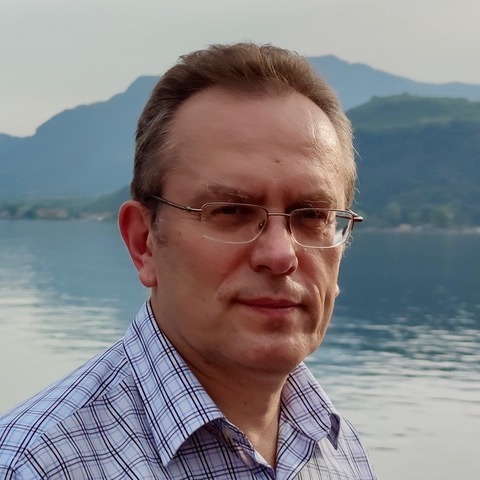
Helmholtz Munich -Research Center for Environmental Health (GmbH), Neuherberg, Germany & BIGCHEM Gmbh, Unterschleißheim, Germany;Igor Tetko received a Master's degree in Physics and Computer Science from the Moscow Institute of Physics and Technology and a PhD from the Ukrainian Academy of Sciences. He completed a postdoc in neuroinformatics at the University of Lausanne and received a habilitation in cheminformatics at the University of Strasbourg. He is the head of the Chemoinformatics Group at Helmholtz Munich and CEO of BigChem GmbH. He coordinates the Horizon Europe Marie Skłodowska-Curie doctoral network "Explainable AI for Molecules” (https://aichemist.eu) and is a member of the executive committee of the European Neural Network Society and the Program Chair of International Conference on Artificial Neural Networks (https://e-nns.org/icann2026). His research interests focus on the development and application of machine learning in chemistry, computational toxicology and life sciences. This includes predicting the physicochemical (in particular ADMET) and biological properties of molecules, integrating structural and biological information, and using different ways of representing chemical structures to create models with high predictive power, as well as eXplainable AI methods (XAI).
National Research Council (CNR) - Institute for Agricultural and Forestry Systems in the Mediterranean (ISAFOM), Rende (CS), Italy;Ilaria Guagliardi is a permanent researcher at the National Research Council of Italy, Institute for Agricultural and Forestry Systems in the Mediterranean (ISAFOM), located in Rende (CS), Italy. Her scientific expertise lies in environmental geochemistry, with a focus on pollution processes affecting agricultural and urban soils, water bodies, and sediments. She applies advanced geostatistical and multivariate techniques, including compositional and multifractal data analysis, to investigate contamination patterns and develop geospatial models for assessing geochemical risks and managing environmental impacts at regional scales. Her research also extends to water-related topics such as hydrological modeling, watershed management, and landscape ecology. Dr. Guagliardi is actively involved in editorial and peer-reviewing activities, serving as associate editor and reviewer for over 50 international scientific journals. She has authored more than 80 peer-reviewed publications and contributes as an expert panel member for evaluating international research projects. She maintains ongoing collaborations with several universities and research institutions in Italy and abroad, fostering interdisciplinary approaches to environmental science.
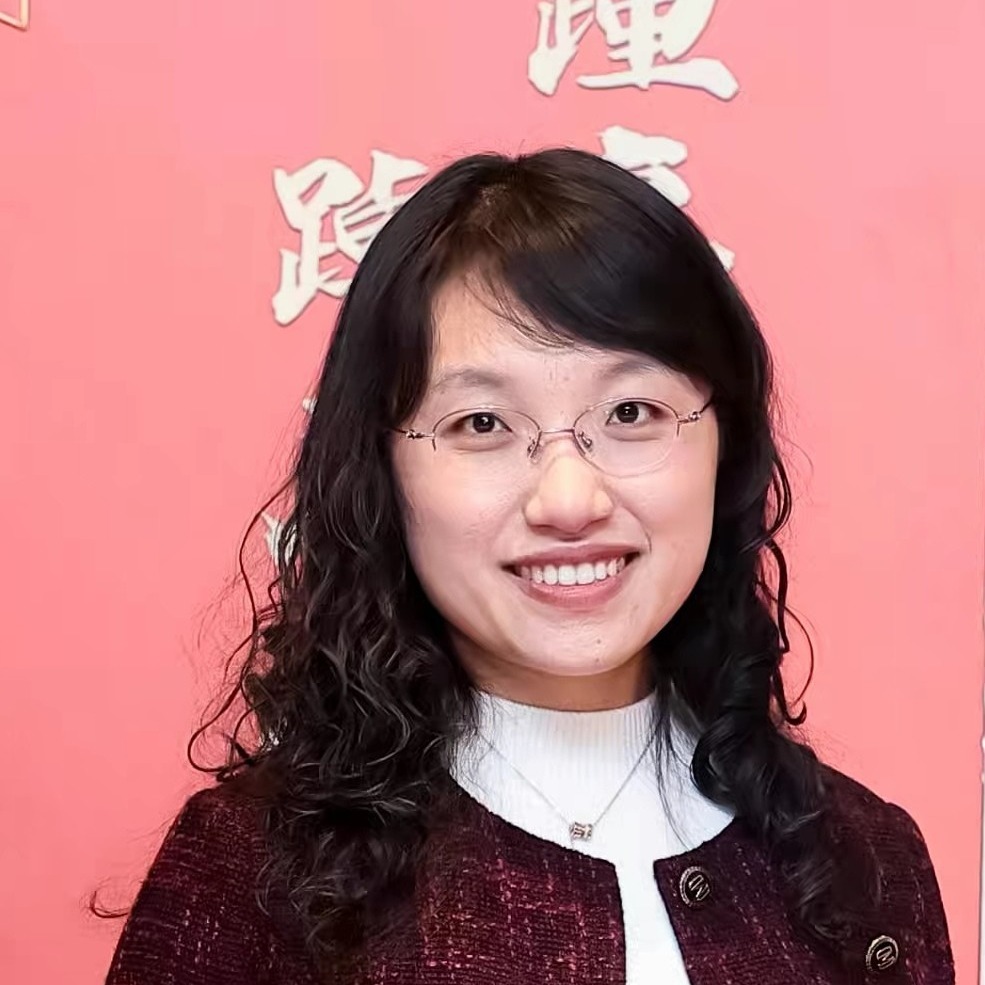
Prof. Dr. Wei Shi
School of Environment, Nanjing University, Nanjing, Jiangsu, China;Prof. Wei Shi is a Professor and Associate Dean at the School of Environment, Nanjing University. She is a recipient of China's prestigious National Science Fund for Distinguished Young Scholars. Her research program focuses on deciphering the environmental fate, toxicity, and risks of organic pollutants by leveraging big data analytics and AI. To this end, her team has developed a suite of high-throughput alternative testing platforms and computational toxicology methods, which have been integrated into internationally recognized toolkits, including the VEGA-HUB and the OECD QSAR Toolbox. A key innovation from her lab is the creation of an AI-powered Effect Directed Analysis framework, which enables the precise identification of bioactive toxicants in complex environmental matrices. With over 80 publications in SCI-indexed journals, she also contributes to the scientific community as an Associate Editor for Environmental Science & Technology.
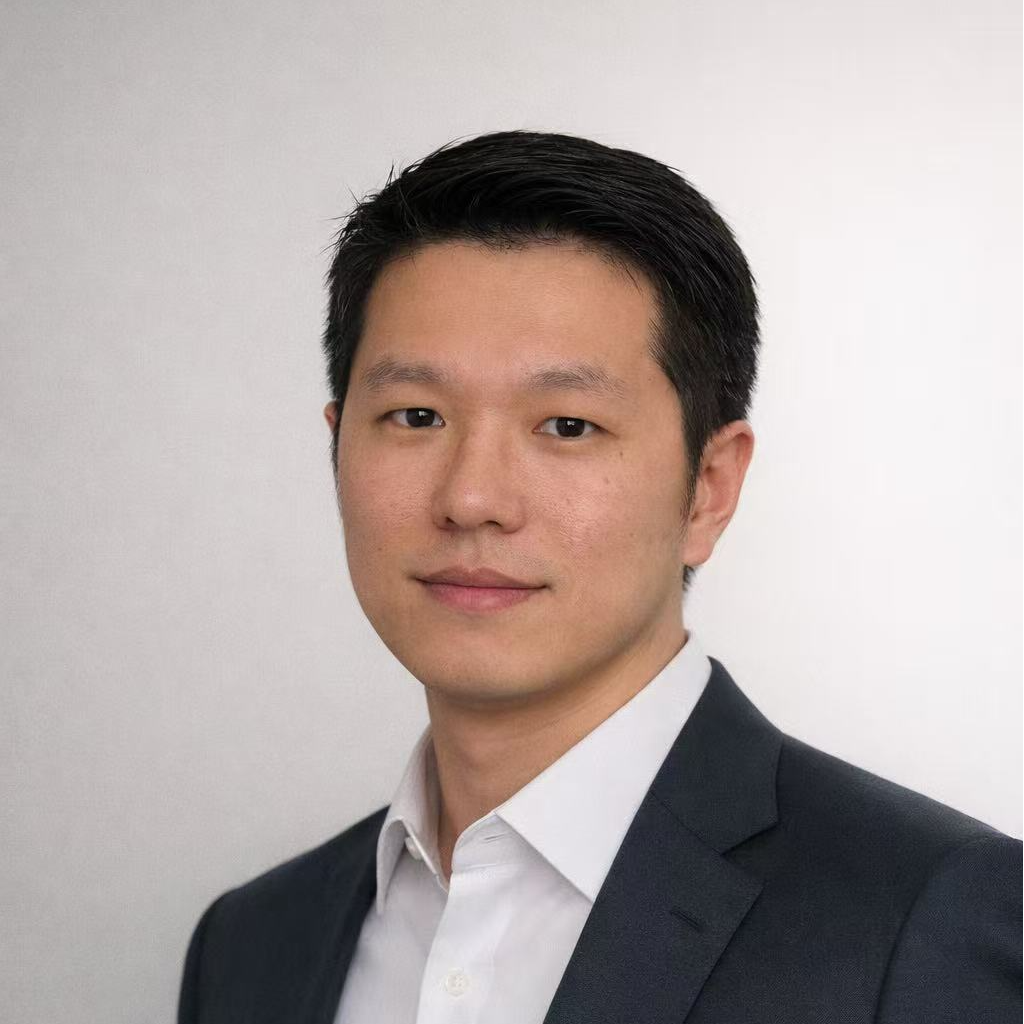
Nanyang Technological University, Singapore;Dr. Xiaotao Shen is a Nanyang Assistant Professor at the Lee Kong Chian School of Medicine, Nanyang Technological University, Singapore. He also serves as the Director of the Singapore Phenome Center. His research focuses on the development of bioinformatics algorithms for multi-omics data analysis and their applications in precision medicine and biological questions, particularly aging and aging-related diseases. Over the past few years, Dr. Shen has developed multiple computational methods for mass spectrometry-based omics and multi-omics data integration. He also developed a microsampling-based multi-omics platform for personal precision health monitoring and applied it to longitudinal personal health assessment. Dr. Shen serves on the editorial and early-career editorial boards of several journals, including iMeta, Phenomics, and npj Women’s Health. He is also a reviewer for journals such as Nature Genetics, Nature Methods, Nature Biotechnology, and Nature Communications.
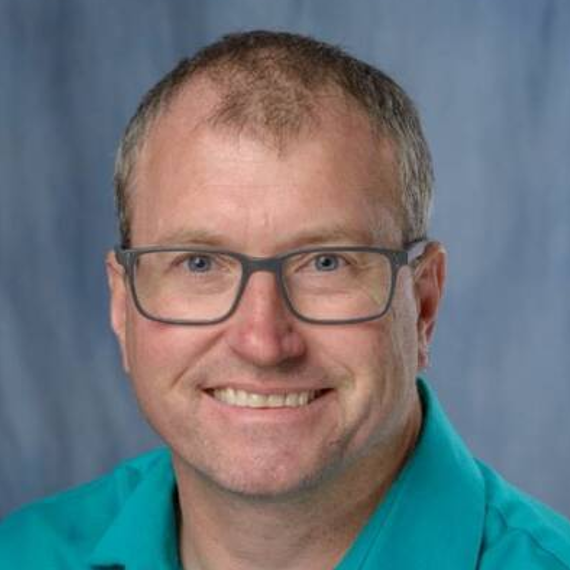
University of Florida, Gainesville, United States;Dr. Christopher J. Martyniuk is a Professor in the Department of Physiological Sciences at the College of Veterinary Medicine at the University of Florida. He is the Editor-in-Chief of Comparative Biochemistry and Physiology Part D: Genomics and Proteomics and is an Associate Editor for Toxics. With over 350 publications, Dr. Martyniuk is an internationally recognized expert in molecular toxicology and comparative endocrinology, focused on defining adverse outcome pathways in fish. His research applies techniques like transcriptomics, proteomics, lipidomics, computational biology, and mitochondrial bioenergetics to elucidate mechanisms of chemical exposures.
Dr. Ovokeroye Abafe
Brunel University of London, London, UK;Dr. Ovokeroye Abafe is an Assistant Professor in Environmental Sciences at Brunel University of London. His research is focused on the identification of emerging and legacy contaminants such as halogenated and organophosphate chemicals, PFAS, additive chemicals in plastics, pharmaceuticals, veterinary drugs etc. in abiotic, biotic environment and consumer products; and determine the extent of human exposure to these chemicals and the risk arising from such exposure using traditional and new approach methodologies. His group employs a suit of chromatography, targeted and non-target mass spectrometry to characterize the burden of chemicals in both environmental and human biological matrices to support environmental health research. His research has received competitive fundings from various organizations such as the European Commission, the UN-FAO, International Atomic Energy Agency, the National Research Foundation, NAS - USAID-PEER to support his research. He was a recipient of the H2020 Marie Sklodowska-Curie Individual Fellowship. He currently serves as an associate editor of Emerging Contaminants and member of editorial board of several leading journals such as Environmental Toxicology and Chemistry.

Department of Chemical, Biological, Pharmaceutical and Environmental Sciences (CHIBIOFARAM), University of Messina, Messina, Italy;Antonella Smeriglio is an Associate Professor of Pharmaceutical Biology at the University of Messina, Italy. Her research activity focuses on pharmacognosy, ethnopharmacology, phytochemistry and toxicology of medicinal, aromatic and food plants, natural products and agro-food by-products. Her published studies mainly concern the chemical characterization of plant extracts, essential oils and bioactive phytochemicals using chromatographic and mass-spectrometric techniques. These analytical investigations are integrated with in vitro, in vivo and ex-vivo studies aimed at evaluating antioxidant, anti-inflammatory, antiangiogenic, antimicrobial, cytoprotective, wound-healing, photoprotective and other pharmacological properties, as well as safety and toxicological aspects of natural products and bioactive compounds. She has also contributed to research on nutraceuticals, functional and fortified foods, intestinal bioaccessibility and metabolism, and the sustainable valorization of plant and agro-industrial by-products. She is the author of more than 140 peer-reviewed scientific publications, 3 book-chapter, 2 National patents and 1 European patent on nutraceutical formulations. According to Scopus, her work has received 6,250 citations and her H-index is 39 (June 2026).
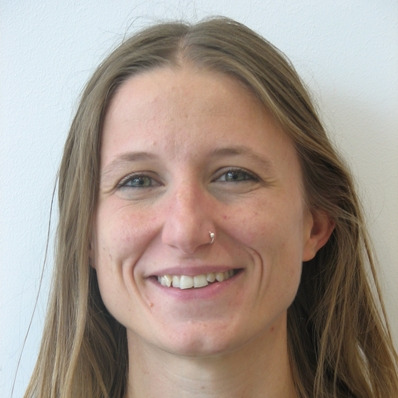
European Food Safety Authority (EFSA), Plant Health Unit (PLH), Parma, Italy;Plant physiologist by training, I have been working at the European Food Safety Authority (EFSA) as a Scientific Officer since 2007. My work focuses primarily on pest risk assessment and the development of related methodologies. In recent years, I have also been coordinating EFSA’s horizon scanning activities for plant health, supporting the early identification of emerging risks. My experience combines the development of new methods and tools with applied risk assessment to inform decision-making at the European level.
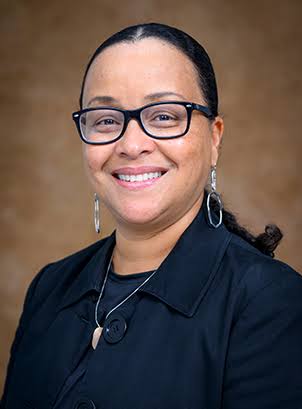
College of Science and Technology, North Carolina Agricultural and Technical State University, Built Environment Department, Greensboro, North Carolina, United States;Dr. Alesia C. Ferguson is a Professor and Chair of the Department of Built Environment and Interim Associate Dean for Undergraduate Education and Faculty Affairs in the College of Science and Technology at North Carolina Agricultural and Technical State University. With degrees in Civil and Environmental Engineering from Stanford University and a Master of Public Health from the University of Arkansas for Medical Sciences, her career spans engineering, public health, environmental exposure science, and higher education leadership. Dr. Ferguson’s research focuses on children’s environmental health, exposure assessment, healthy housing, heavy metal exposure, industrial hygiene, and risk modeling. She has led and collaborated on numerous federally funded projects supported by the EPA, NSF, HUD, and other agencies, securing millions of dollars in research funding. Her scholarship has produced more than 70 peer-reviewed journal publications/reports, 100 peer reviewed published abstracts/conference papers and conference presentations and over 48 invited presentation, talks and trainings, she has contributed significantly to understanding how environmental contaminants affect children and vulnerable communities. A recognized leader in her field, Dr. Ferguson serves also on the U.S. EPA Human Studies Review Board and has held editorial roles with leading environmental health journals. She is deeply committed to student success, faculty development, community engagement, and advancing diversity in STEM. Through her teaching, mentoring, research, and administrative leadership, she continues to promote healthier communities and excellence in higher education.