JCM Webinar | Large Language Models to Advance Precision Medicine
the chair
Large language models were initially designed for text generation. As these models grew in size, they gained new capabilities including the ability to summarize text and extract information from electronic health records and the medical literature. Recently emerging capabilities allow large language models to extract, categorize, and organize detailed medical data from text, imaging, and other sources in support of precision medicine initiatives. Additionally, these advanced models are showing an aptitude to perform sophisticated data analyses, design machine learning and AI algorithms, and to interpret the complex outputs from machine learning and AI models.
This webinar will provide insights into how large language models can assist in precision medicine initiatives including data collection, analysis, and interpretation. Examples will be drawn from traumatic brain injury, gynecology, obstetrics, and neurology. Emphasis will be on practical examples of how large language models can advance precision medicine.
Date: 8 October 2026
Time: 8:00 AM (CDT) | 3:00 PM (CEST) | 9:00 PM (CST Asia)
Webinar ID: 826 7896 3715
Webinar Secretariat: journal.webinar@mdpi.com
Meet Our Chair

Department of Neurology and Rehabilitation, University of Illinois at Chicago;Dr. Hier is a graduate of Harvard College and Harvard Medical School. He received his MBA degree from University of Illinois at Chicago. He completed a Neurology Residency and Fellowship at Massachusetts General Hospital. He served on the faculty of the University of Illinois at Chicago for 20 years—13 years as Department Chair. He is board certified in Neurology and Medical Informatics. He is a fellow of the American Academy of Neurology and the American Medical Informatics Association. He is currently an Emeritus Professor at University of Illinois at Chicago and has authored more than 200 publications in Neurology and Medical Informatics. His research interests are at the intersection of healthcare with artificial intelligence. He serves on the editorial boards of the Journal of Clinical Medicine and AI in Medicine.
Meet Our Speakers
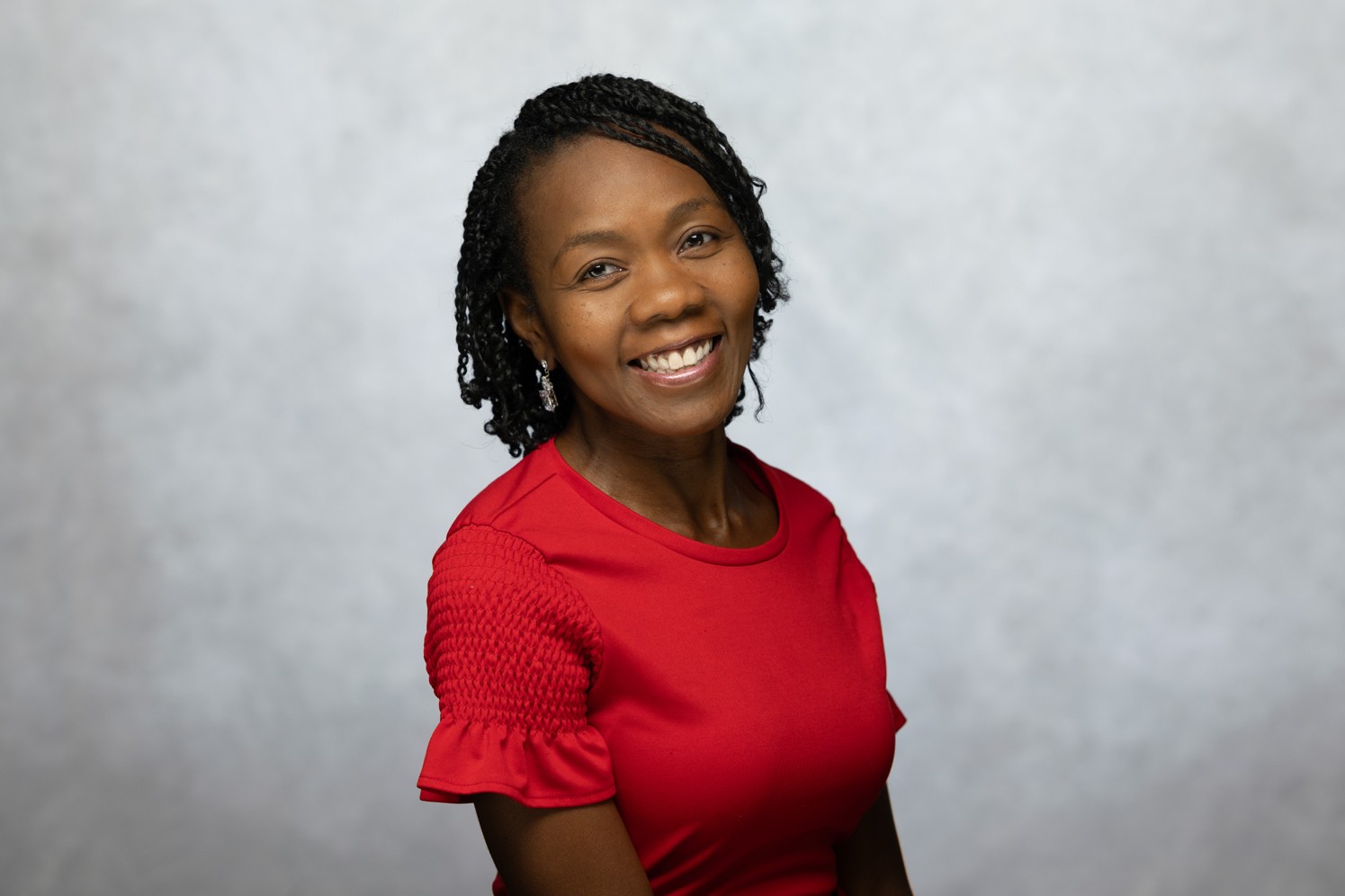
Engineering Program, Missouri State University;Dr. Obafemi-Ajayi is a Professor of Engineering (Electrical Eng.) at Missouri State University (MSU) where she leads the Computational Learning Systems lab. She works on developing ethical and explainable machine learning methods for analysis of multimodal data, aiming to enhance the understanding of specific disease mechanisms including traumatic brain injury (TBI) and Alzheimer’s disease. She has authored over 80 peer-reviewed journal articles and conference papers, as well as co-authored the book Computational Learning Approaches to Data Analytics in Biomedical Applications. She received the MSU Foundation for Research Excellence award in 2026 and the 2024 Atwood Excellence in Research and Teaching award.
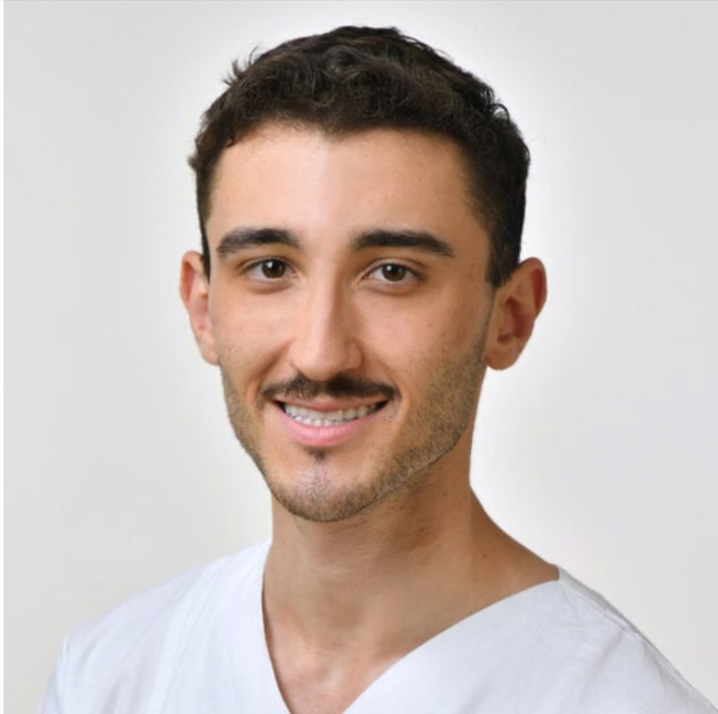
Department of Gynecology and Obstetrics, University Hospital of Basel;Dr. Iason Psilopatis is a medical doctor and researcher at the Women's Clinic of the University Hospital Basel in Switzerland. He completed his medical training and doctoral studies in Berlin, Germany. Dr. Psilopatis is a highly active clinical researcher with a special focus on the integration of Large Language Models (LLMs) in gynecology and obstetrics. In addition to his clinical work, he serves as an editorial board member for renowned international PubMed-indexed journals and frequently contributes to international clinical practice literature.
This is a FREE webinar. After registering, you will receive a confirmation email containing information on how to join the webinar. Registrations with academic institutional email addresses will be prioritized.
Certificates of attendance will be delivered to those who attend the live webinar.
Can’t attend? Register anyway and we’ll let you know when the recording is available to watch.
Register for free here!
| Speaker/Presentation | Time (CEST) | Time (EDT) | Time (CST Asia) |
| Dr. Daniel Hier Webinar Opening and Relevant Special Issue Introduction |
15:00–15:05 | 08:00–08:05 | 09:00–09:05 |
| Dr. Daniel Hier Advancing Phenotyping of Electronic Health Records With Large Language Models (Use Case: Multiple Sclerosis Phenotyping) |
15:05–15:25 | 08:05–08:25 | 09:05–09:25 |
| Dr. Tayo Obafemi-Ajayi Enhancing the Utility of Large Language Models for Clinical Explainability |
15:25–15:45 | 08:25–08:45 | 09:25–09:45 |
| Dr. Iason Psilopatis Applications of Large Language Models in Gynecology and Obstetrics |
15:45–16:05 | 08:45–09:05 | 09:45–10:05 |
| Q&A | 16:05–16:25 | 09:05–09:25 | 10:05–10:25 |
| Dr. Daniel Hier Closing of Webinar |
16:25–16:30 | 09:25–09:30 | 10:25–10:30 |
Advancing Personalized and Precision Medicine with Large Language Models
Edited by Daniel Hier
Manuscript submission deadline: 20 December 2026
Submit to Journal of Clinical Medicine