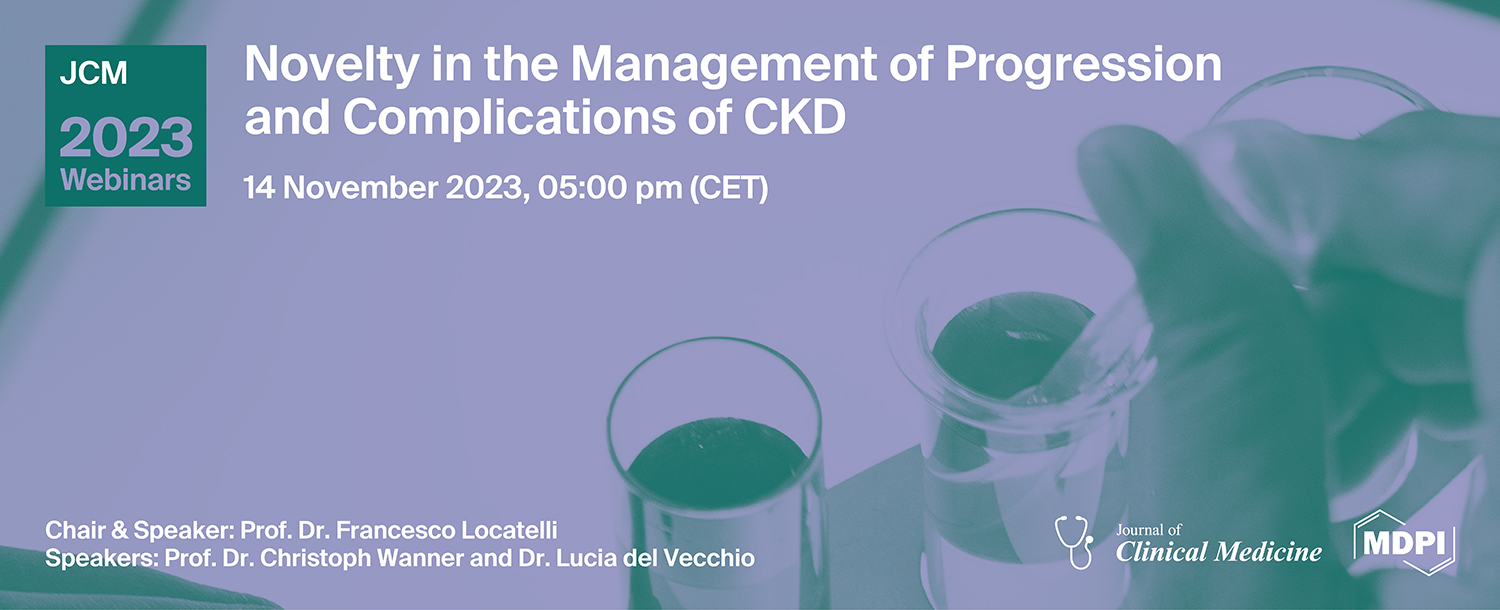
Journal of Clinical Medicine Webinar | Novelty in the Management of Progression and Complications of CKD
the chair
Type 2 diabetes mellitus (T2DM) is a critical disease of global proportions. The introduction of the clinical practice of sodium/glucose co-transporter 2 inhibitors (SGLT2i) for the treatment of T2DM has not only increased its therapeutic range, but has also unexpectedly opened interesting perspectives for the treatment of chronic kidney disease (CKD) in T2DM at risk of progressing to, or already with, impaired kidney function. Even more surprising was the evidence from the most recent trials—confirmed by specifically designed studies—that these drugs have a very important cardio-protective role against heart failure and a highly significant kidney-protective role against most non-diabetic CKD.
A potential barrier to their widespread use, however, could be related to an acute reduction in a patient’s glomerular filtration rate (GFR) commonly observed at the initiation of treatment, but which can be reversed. Such an event resembles the analogous effect perceptible within the initiation of the blockers of the renin–angiotensin–aldosterone system (RAAS), especially if carried out too aggressively. Indeed, with an excessive restriction of sodium, the analogous effect alongside the use of ACE inhibitors and sartanics has been known for years as a kidney-protective agent.
If not excessive, this acute reduction in GFR is to be considered a positive prognostic sign and far from being a negative prognostic sign, suggesting the possibility of preserving kidney function in the long term by reducing glomerular hyperfiltration, known as an important factor in the progression of CKD. Moreover, although the kidney-protective mechanism of SGT2i appears to be similar to that of RAS inhibitors, their kidney-protective effect adds up to and is not competitive with that of RASi. Moreover, the scientific community is continuously amazed by new pleiotropic effects emerging from the use of SGT2i, such as the correction of anemia with a mechanism that is not limited to simple dehydration.
Mineralocorticoid receptor overactivation contributes to inflammation and fibrosis, which in turn leads to the progression of CKD. For almost two decades, therapeutic interventions for slowing the progression of CKD were limited to the inhibition of the renin–angiotensin–aldosterone system. Recently, finerenone, a novel non-steroidal mineralocorticoid receptor antagonist, has shown promising cardiac and reno-protective benefits in the CKD of patients with T2DM. It can be added to the treatment of SGLT2i if residual albuminuria is still present, with the final goal of slowing the progression of kidney disease and preventing kidney replacement therapy in patients with diabetic and non-diabetic albuminuric kidney disease.
All ESAs (epoetin alfa, beta, darbepoetin alfa, methoxy polyethylene glycol epoetin beta, and their biosimilars) efficaciously correct anemia by replacing erythropoietin (EPO) deficiency occurring in failing kidneys. At variance with ESAs and by activating the hypoxia-inducible factor (HIF) pathway, HIF-PHIs stimulate the endogenous EPO and upregulate the expression of genes involved in the transport of iron and its mobilization from stores. This peculiar mechanism of action may theoretically produce a more effective anemia correction with a less pronounced increase in circulating EPO levels as compared to ESAs. Moreover, substantially lower peak serum EPO levels have been found in patients treated with HIF-PHIs in comparison with ESA treatment. However, the majority of randomized controlled trials (RCTs) testified, at best, non-inferiority in comparison with ESAs. Nevertheless, these oral compounds are a valid alternative to ESAs, particularly for non-hemodialysis patients, considering their ability to improve enteric iron absorption and utilization.
Date: 14 November 2023
Time: 5:00 pm CET | 11:00 am EDT
Webinar ID: 811 0606 5962
Webinar Secretariat: journal.webinar@mdpi.com
Meet Our Chair

Department of Nephrology and Dialysis, Alessandro Manzoni Hospital, Lecco, Italy.;Professor Francesco Locatelli is the former Director of the Department of Nephrology and Dialysis at Alessandro Manzoni Hospital Lecco, Italy and a former Teacher at the universities of Brescia and Milan. He is also former President of the European Renal Association (ERA-EDTA), International Society of Blood Purification, International Society of Geriatric Nephrology, and Italian Society of Nephrology. He is an Honorary Member of Czech, Hungarian, Polish, Romanian, Serbian, and Turkish societies of Nephrology and was previously a Council Member of the International Society of Nephrology. Furthermore, he is an International Distinguished Medalist and has received the Garabed Eknoyan Award of the US National Kidney Foundation. He is an Honorary Doctor at the Paron University Iasi, Romania. He is also an Honorary Fellow of the Royal College of Physicians of London, UK (FRCPC). For his outstanding clinical and scientific achievements, he was awarded by ERA-EDTA in 2013 and received the Umberto Buoncristiani Award in 2017. He also served as Chairman of the Board of European Best Practice Guidelines (EBPG) as well as on the Board of the National Kidney Foundation, Dialysis Outcome Quality Improvement (NKF-DOQI) and on the Executive Board of Directors of Kidney Disease Improvement Outcome (KDIGO). He was President of the World Congress of Nephrology in 2009. He has published more than 800 papers in nephrology-related fields, including glomerulonephritis, CKD progression, dialysis, and anemia. He was previously a member of the Expert Group of the KDIGO Controversy Conference on Anemia in 2019 and 2021. He is Editor-in-Chief of an MDPI journal and a reviewer for many journals, including The New England Journal of Medicine and The Lancet. He also received a certificate from ERA as one of the top reviewers of NDT in 2022.
Meet Our Speakers
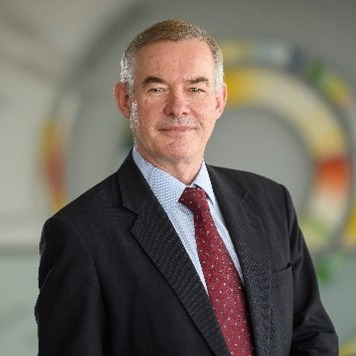
Prof. Dr. Christoph Wanner
Department Clinical Research and Epidemiology, Comprehensive Heart Failure Center, University Hospital Würzburg, Würzburg, Germany.;Department of Internal Medicine I—Division of Nephrology, University Hospital of Würzburg, Würzburg, Germany.;Christoph Wanner is a Professor of Medicine at the University of Würzburg and Professor at the Department of Clinical Studies and Epidemiology, Renal Research Unit, University Hospital of Würzburg, Germany. His research centers on the field of diabetic kidney disease, lipid disorders, and rare kidney diseases with a future focus on the maintenance or restoration of kidney health. He has published more than 950 PubMed-referenced scientific papers and articles (Hirsch Index: Web of Science, 107; Google Scholar, 143). He is a PI of the 4D study and a Steering Committee Member of the SHARP, the Empagliflozin studies, and the FIND CKD study, aiming to improve the management of cardiovascular and kidney disease progression and the treatment of kidney failure by dialysis. Prof. Dr. Wanners’ two landmark studies in this field are: (1) the 4D Study, published in 2005, and (2) the EMPA-REG Outcome, published in 2015 and 2016. In 2016, he received the highest awards from the European Renal Association (ERA) and the German Society of Nephrology. Prof. Dr. Wanner is currently President of the ERA, in office from June 2020 to June 2024.
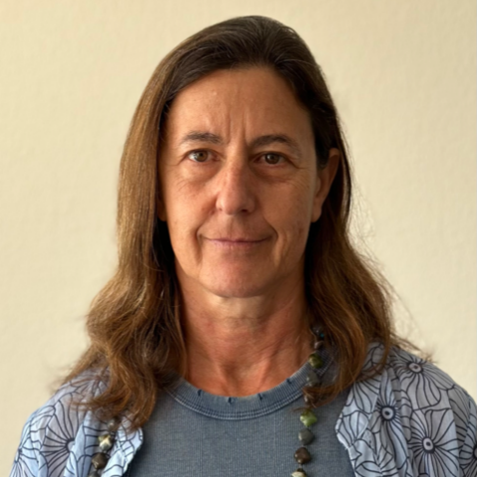
Department of Nephrology and Dialysis, ASST Lariana, Como, Italy.;Dr. Lucia del Vecchio received her Degree in Medicine in 1991 and Ph.D. in Medical Nephrology in 1996. At present, she is working as Medical Assistant in the Department of Nephrology and Dialysis, Sant’Anna Hospital, ASST Lariana, Como, Italy. Here, she works in the Nephrology Ward, in a limited-assistance dialysis center, and follows patients affected by primary and secondary glomerulonephritis and atypical hemolytic uremic syndrome. She has many scientific interests, including RAS inhibition and its role in slowing the progression of chronic nephropathies, anemia and its therapy (iron, ESA, HIF-PHD inhibitors), cardiovascular risk in CKD, nutrition in CKD patients, the genetics and treatment of primary and secondary glomerulonephritis, oxidative stress in CKD, SGLT2 inhibitors, and mineralocorticoid receptor antagonism. She has collaborated in several randomized clinical trials in the field of anemia of CKD, glomerulonephritis, and diabetic nephropathy as Sub-Investigator or Principal Investigator. She has been a National Leader for some international trials, including the ASCEND-ND trial and the PROTECT trial. She is a former Member of the ERBP group of ERA-EDTA and is currently a part of the Steering Committee of the EuReCa-M Working Group of ERA-EDTA. In addition to several short communications as abstract forms to national and international meetings, to date, she has contributed to nearly 240 publications in scientific journals.

We would like to thank the chair, speakers and all the participants for joining the webinar on Novelty in the Management of Progression and Complications of CKD as part of the special issue "Novelty in the Management of Progression and Complications of CKD". We look forward to seeing your work in the special issue.
In this section, you will find the recordings of this webinar to watch, re-watch and share with your colleagues!
"Novelty in the Management of Progression and Complications of CKD"
Edited by Francesco Locatelli
Deadline for manuscript submissions: 30 November 2023