
JFB Webinar | Bioceramics as a Reservoir of Therapeutic Ions and Cell Signaling
the chair
JFB Webinar -
Bioceramics as a Reservoir of Therapeutic Ions and Cell Signaling
Bioactive ceramics function as tunable reservoirs of therapeutic ions, enabling a controlled, sustained release of bioactive species capable of directing key regenerative processes. In this webinar, Dr. Ahmed El-Ghannam presents the mechanisms governing silicate ion release from bioactive ceramic surfaces and their proposed role in modulating immune response, tissue innervation, vascularization and hard and soft tissue regeneration. Particular attention will be given to the capacity of silicate ions to decompose reactive oxygen species such as hydrogen peroxide, a process proposed to generate molecular oxygen locally and counteract hypoxic conditions at the wound site, thereby supporting the broader wound-healing cascade. Through this ROS-scavenging and oxygen-generating activity, bioactive silicate ceramics demonstrate regenerative potential extending beyond bone, with emerging relevance to soft tissue repair. The relationship between ceramic surface chemistry and ion release kinetics will also be discussed, along with its implications for shaping local cellular signaling environments relevant to immune, vascular, and neural components of tissue regeneration. This presentation positions bioactive ceramics as active biochemical reservoirs, offering a framework for the rational design of next-generation regenerative and immunomodulatory biomaterials.
Date: 28 October 2026
Time: 20:00 EDT
Webinar ID: 818 5592 1927
Webinar Secretariat: journal.webinar@mdpi.com
Meet Our Chair
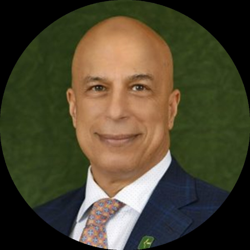
Department of Mechanical Engineering and Engineering Science, The University of North Carolina at Charlotte, Charlotte, NC, USA;Dr. Ahmed El-Ghannam is Professor of Orthopedic Biomaterials and Tissue Engineering in the Department of Mechanical Engineering and Engineering Science at the University of North Carolina at Charlotte. His research focuses on bioactive ceramics, orthopedic and dental implants, tissue engineering and additive manufacturing. He holds several U.S. patents covering resorbable bioactive ceramics, bioceramic coatings for titanium and cobalt-chromium alloys, additively manufactured bioactive silicon carbide (SiC) orthopedic devices and SiC space mirrors. Dr. El-Ghannam’s laboratory has received research support from DePuy/J&J, the North Carolina Biotechnology Center, the U.S. Department of Defense, NASA, Siemens Energy and other organizations. Notably, he successfully translated a novel resorbable bioactive ceramic, Shefabone™ SCPC, from laboratory development through FDA clearance and clinical use. Dr. El-Ghannam maintains extensive collaborations with universities, medical institutions and industry partners in the United States and internationally. He has served as a keynote speaker and conference chair at major national and international biomaterials meetings and has served for 16 years as an Associate Editor of the Journal of Biomedical Materials Research, Part A. He has authored and co-authored books, book chapters and numerous publications spanning biomaterials, materials science and engineering, protein–surface interactions, molecular biology, immunohistochemistry, immunology, dentistry and orthopedics. His scientific impact has been recognized by inclusion in Stanford University’s global ranking of the top 2% most-cited scientists in Bioengineering.
Meet Our Speakers
Department of Anesthesiology, University of Mississippi Medical Center, Jackson, MS, 39216, USA.;Dr. Michelle A. Tucci is a professor and the vice chair of Research at the University of Mississippi Medical Center, with extensive expertise in pharmacology, biomaterials, and translational biomedical research. Her research has advanced the understanding of neuropeptide Y (NPY) signalling and its potential therapeutic implications for musculoskeletal degeneration, particularly through investigations of Y1 receptor antagonism. Her collaborative research has examined the sustained delivery of NPY receptor antagonists in ovariectomized animal models, exploring their effects on reproductive physiology, intervertebral disc degeneration, and bone changes. These investigations provide a foundation for understanding the relationship between neuropeptide signalling, hormonal status, and musculoskeletal tissue responses, while highlighting the potential of controlled-release biomaterials for localized therapeutic intervention. With more than 400 scientific publications, Dr. Tucci has contributed extensively to the development of biomaterials, drug delivery, tissue repair, and experimental therapeutics. She is a fellow of the American Institute for Medical and Biological Engineering and a recipient of the SBEC C. William Hall Award and the Rocky Mountain Bioengineering Presidential Award. Her invited presentation will explore the NPY–Y1 receptor axis as a potential therapeutic target for spinal degeneration and pain, connecting experimental disc biology with sustained drug-delivery strategies.
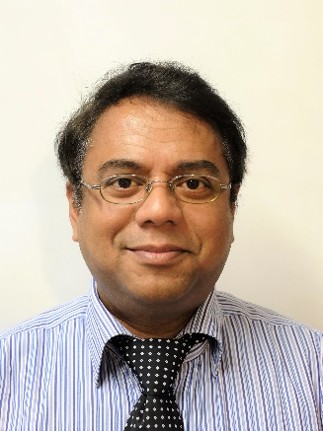
Department of Oral Rehabilitation, Centre for Bioengineering and Nanomedicine (Dunedin hub), School of Dentistry, University of Otago, Dunedin, New Zealand.;Dr. Mohammed Azam Ali is a Professor and Director of the Bioengineering Program, Centre for Bioengineering and Nanomedicine at the University of Otago, New Zealand. He is a globally recognized expert in biomaterials and biomedical engineering. With over 23 years of experience in teaching, research and leadership, he has made notable contributions to science, innovation and the community. Professor Azam has earned various awards, such as Bayer Innovator of the Year 2010, the Pierre Fauchard Academy 2024 and has been named Otago’s Supervisor of the Year twice (2018, 2024). He has led more than 30 major research projects, secured nearly NZ$13 million in research funding, supervised over 71 postgraduate students (PhD, MSc, PGDips/Honors), produced 24 patents, invented six medical devices now used in 23 countries and published 193+ papers and 14 book chapters. Professor Azam serves on the board of the Centre for Bioengineering and Nanomedicine, contributes to university committees and editorial boards and reviews grant applications for funding agencies (national and international). He has also reviewed over 20 PhD theses, 37 Master’s theses and served as a reviewer for various journals.
This is a FREE webinar. After registering, you will receive a confirmation email containing information on how to join the webinar. Registrations with academic institutional email addresses will be prioritized.
Certificates of attendance will be delivered to those who attend the live webinar.
Can’t attend? Register anyway and we’ll let you know when the recording is available to watch.
Register for free here!
Advanced Bioglasses, Bioceramics and Their Composites: State of the Art and Applications
Edited by Dr. Monika Furko
Deadline for manuscript submissions: 31 March 2027