MDPI World Ocean Day 2026 Webinar
MWOD2026
Welcome to the MDPI World Ocean Day 2026!
Each year, World Ocean Day brings together researchers, environmental leaders, and advocates from around the world to raise awareness and inspire action to protect our oceans and marine ecosystems. The 2026 campaign theme, “Reimagine” highlights the importance of collaborative and community-driven efforts in safeguarding marine biodiversity and ensuring a sustainable future for our oceans.
This webinar explores current challenges and emerging solutions in marine conservation, bringing together insights from marine ecology, environmental toxicology, and wildlife protection. Topics include the impact of ocean pollutants on sea turtle development, lessons from marine mammals in protecting ocean habitats and wildlife, and broader approaches to conserving marine ecosystems in a changing environment.
Register now and join us!
Date: 8 June 2026
Time: 1:30 pm CEST| 7:30 am EDT | 7:30 pm CST Asia
Webinar ID: 837 1908 7474
Webinar Secretariat: journal.webinar@mdpi.com
Meet Our Speakers
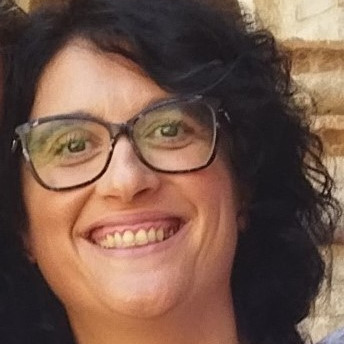
Polytechnic University of Marche, Italy;Prof. Giorgia Gioacchini is an Associate Professor in Cell Biology and Reproductive Biology of Marine Vertebrates at the Polytechnic University of Marche (UNIVPM), Italy. Her research focuses on marine pollution, reproductive toxicology and developmental biology, with particular attention to the effects of anthropogenic stressors and emerging contaminants on marine organisms and ecosystem health. She investigates the impact of microplastics, endocrine disruptors and other pollutants on reproductive processes, embryonic development and maternal transfer mechanisms in Mediterranean marine species. Her work integrates multidisciplinary approaches including molecular biology, histology, transcriptomics and biomonitoring techniques. Prof. Gioacchini is involved in several national and international projects on marine biodiversity conservation, sustainable fisheries and environmental health, and has authored more than 110 peer-reviewed scientific publications, with an H-index of 42 (Scopus).
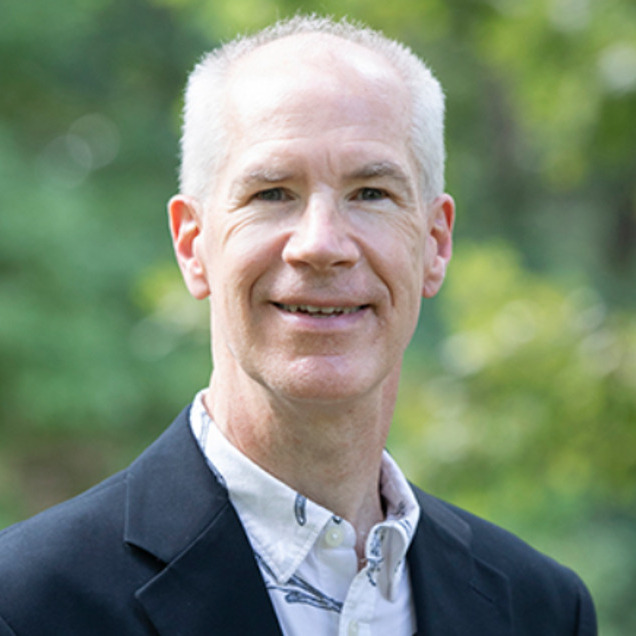
Hampden-Sydney College, USA;Dr. Alexander Werth is an evolutionary biologist whose research focuses on the anatomy, physiology, and ecology of marine mammals, especially baleen and toothed whales. He currently investigates plastic pollution, fishing gear entanglement, and other threats to whale feeding. His interest in cetaceans was sparked by reading, at age 8, that whales evolved from four-legged terrestrial ancestors who returned to the sea, and that their bodies contain clues of this transition, such as their vestigial pelvic bones. He worked at the Duke University Marine Laboratory while earning his bachelor’s degree, then earned master’s and PhD degrees from Harvard University while working with marine mammals at the New England Aquarium in Boston. He worked on arctic bowhead whales with indigenous Inupiat subsistence hunters as a postdoctoral fellow in Alaska with the North Slope Borough Department of Wildlife Management, and was a Fulbright Scholar studying coral reef ecology in the Republic of Maldives. He conducts biomechanics experiments at his home institution and regularly travels for research to marine field stations in Australia, New Zealand, Japan, Iceland, and other locations.
In this section, you will find the recordings of this webinar to watch, re-watch and share with your colleagues!












"Oceans in a Changing Climate"
Special Issue Editors: Dr. Mariana Bernardino and Dr. Diogo Mendes
Deadline for manuscript submissions: 25 August 2026