Microorganisms Webinar | Gut Microbiota in Health and Diseases: The Role of Pro-, Pre-, Syn-, and Post-Biotics in the Gut–Liver–Brain Axis
the chair
1st Microorganisms Webinar
Gut Microbiota in Health and Diseases: The Role of Pro-, Pre-, Syn-, and Post-Biotics in the Gut–Liver–Brain Axis
I am very pleased to welcome you to this webinar on Gut Microbiota in Health and Diseases, focusing on the role of pro-, pre-, syn-, and post-biotics in the gut–liver–brain axis. This event brings together key perspectives from a field that continues to transform our understanding of human health, highlighting how microbial ecosystems influence systemic physiology and disease processes.
The gut microbiota plays a central role in maintaining homeostasis, acting as a bridge between environmental exposures, metabolic pathways, and neuro-immune communication. Increasing evidence underscores how targeted modulation of this ecosystem through probiotics, prebiotics, synbiotics, and postbiotics can open new avenues for prevention and therapy across a wide range of conditions.
Today’s program reflects this complexity and progression of knowledge. We will begin with Prof. Agostino Di Ciaula, who will explore the environmental determinants of the gut microbiota, shedding light on how external factors shape microbial composition and function. This presentation will be followed by Prof. Mohamad Khalil, who will discuss the mechanisms and clinical applications of probiotics, prebiotics, and synbiotics, offering valuable insights into their translational potential. Finally, Prof. Fabio Pace will address an important and often debated topic, the rationale and clinical outcomes of multi-strain versus single-strain probiotics.
I would like to extend my sincere thanks to all speakers, organizers, and participants for making this event possible. I am confident that today’s discussions will not only deepen our understanding but also inspire new ideas, collaborations, and future research directions. I wish you all a stimulating and rewarding webinar!
Date: 7 May 2026
Time: 9:00 am EDT | 3:00 pm CEST
Webinar ID: 841 3837 8952
WebinarSecretariat: journal.webinar@mdpi.com
Meet Our Chair
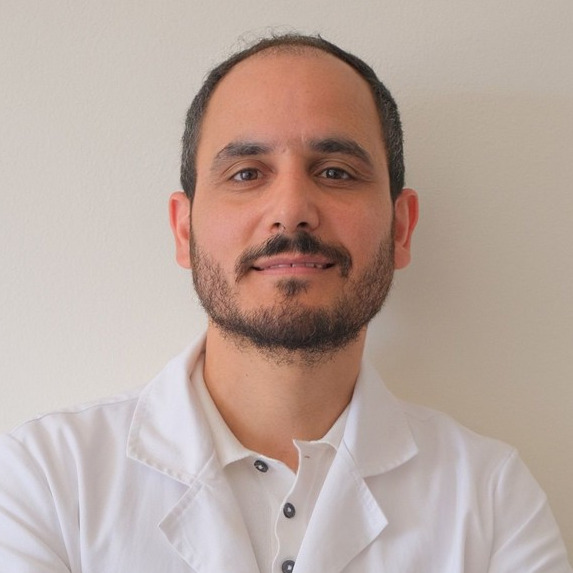
University of Bari Aldo Moro;Assistant professor of physiology at the University of Bari; his research topics include physiological and pathophysiological mechanisms of metabolic diseases and gut microbiota modulation, focusing on the bio-nutraceutical, molecular, and clinical aspects of Mediterranean plant products. Previously, Dr. Khalil earned a Ph.D. in Environmental and Territorial Sciences from the University of Genoa and the Lebanese University, and a second Ph.D. from the University of Bari Aldo Moro, where he investigated the clinical, physiological, and bio-functional effects of medicinal plant extracts and natural compounds.
Important Dates
7 May
2026
Meet Our Speakers
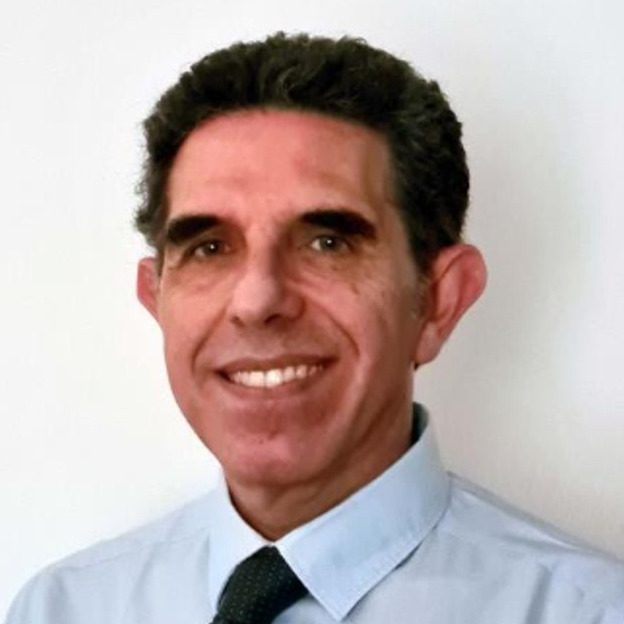
University of Bari Aldo Moro;MD, PhD in Public Health, Clinical Medicine, and Oncology at the University of Bari. Medical Assistant at the Clinica Medica “A. Murri”, Department of Precision and Regenerative Medicine and Ionian Area (DiMePre-J), University of Bari “Aldo Moro”, Bari, Italy. He has published more than 170 articles in peer-reviewed international journals in the fields of metabolic diseases, environmental health, functional diseases of the gastrointestinal tract, hepatology, non-invasive functional studies, and biomonitoring. He serves as Section Editor for European Journal of Clinical Investigation (Wiley Ed.) and Associate Editor for Internal and Emergency Medicine (Springer Ed.).
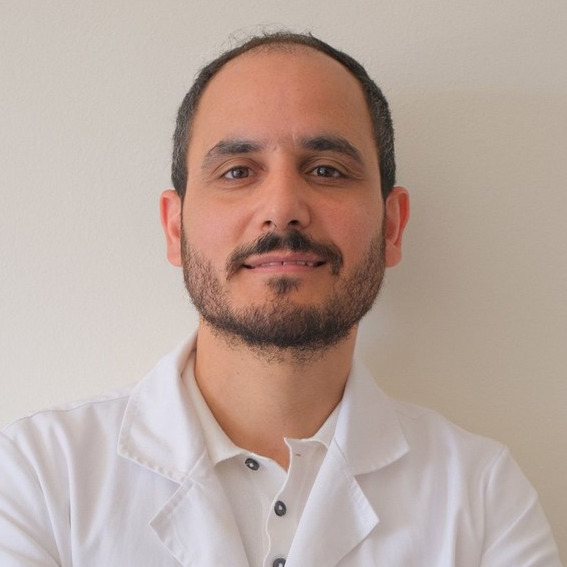
University of Bari Aldo Moro;Assistant professor of physiology at the University of Bari; his research topics include physiological and pathophysiological mechanisms of metabolic diseases and gut microbiota modulation, focusing on the bio-nutraceutical, molecular, and clinical aspects of Mediterranean plant products. Previously, Dr. Khalil earned a Ph.D. in Environmental and Territorial Sciences from the University of Genoa and the Lebanese University, and a second Ph.D. from the University of Bari Aldo Moro, where he investigated the clinical, physiological, and bio-functional effects of medicinal plant extracts and natural compounds.
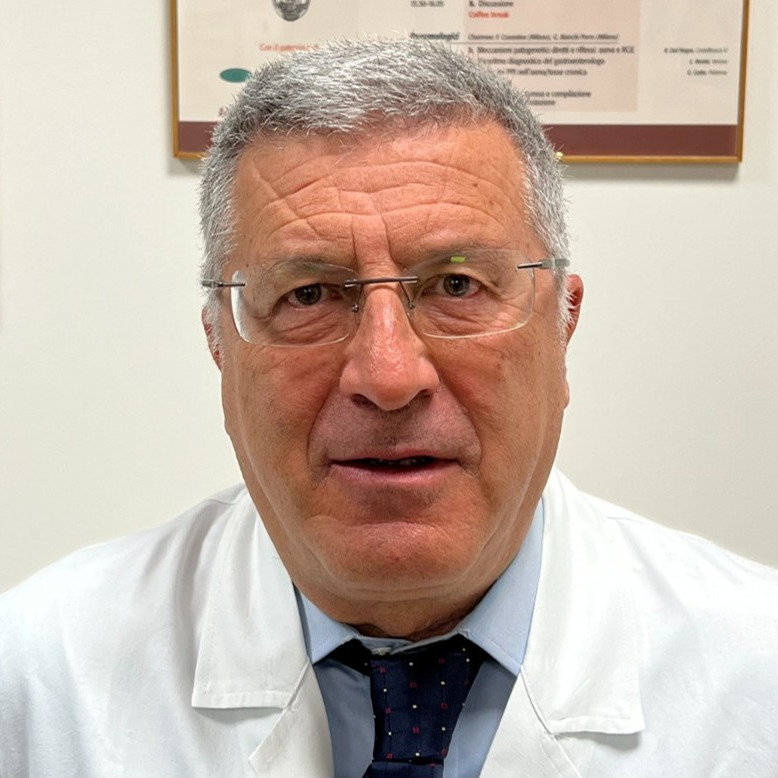
Gastroenterology Unit, ASST Bergamo Est, Seriate, Italy;Dr. Fabio Pace was educated in Palermo, Italy, where he was born. Shortly after graduating in Medicine in 1979, he became a lecturer at the University of Witwatersrand, Johannesburg, South Africa, where he conducted studies on the variations in gastric mucosal blood flow under stress conditions in collaboration with Prof. Ron Hinder. Following this, he returned to Europe and was appointed Research Assistant at the Gastroenterology Unit, Triemli Hospital, University of Zurich, Switzerland, headed by Andrè Blum. During his stay in Switzerland, he conducted pioneer research on ambulatory pH monitoring of esophageal pH, in collaboration with the German group of Prof. R. Siewert, and investigated the effect of intraventricular injection of salmon calcitonin on gastric acid secretion. After his return to Italy, he gradually focused his scientific interest on many clinical aspects of GERD, from its natural history to the effect of various antisecretory drugs on pH, symptoms, and complications. Prof. Pace is one of the world's foremost experts selected to create the new global Classification of GERD, i.e., the “Montreal” Classification. He has been an Associate Professor at the Medical School of the University of Milan, Milan, Italy, and Head of the Gastrointestinal Unit at the “Bolognini” Hospital, Seriate, Italy. Presently, he is Director of the Microbiota Center at Humanitas ICH, Rozzano, Italy. Dr. Pace’s main research interests are in the fields of GERD, GI motility disorders, and functional disorders of the GI tract. He has participated as a main investigator in many RCTs on GERD, IBS, and dyspepsia in accordance with the rules of GCP. He is an author/co-author of more than 200 scientific articles focusing on IBS, GERD, and other gastroenterological disorders, published in peer-reviewed journals. He is also the author/co-author of 15 books on GERD and IBS. He also acts as a reviewer for about 20 peer-reviewed gastroenterological journals with high IF.
In this section, you will find the recordings of this webinar to watch, re-watch and share with your colleagues!
The first webinar by Mircoorganisms, organized by the the Special Issue of the same name, was held on 7 May, 2026 via Zoom.
Gut Microbiota in Health and Diseases: The Role of Pro-/Pre-/Syn-/Post-Biotics in the Gut–Liver–Brain Axis
Guest Editor: Prof. Mohamad Khalil
Co-Guest Editor: Prof. Dr. Piero Portincasa
Deadline for Submission: 15 June 2026