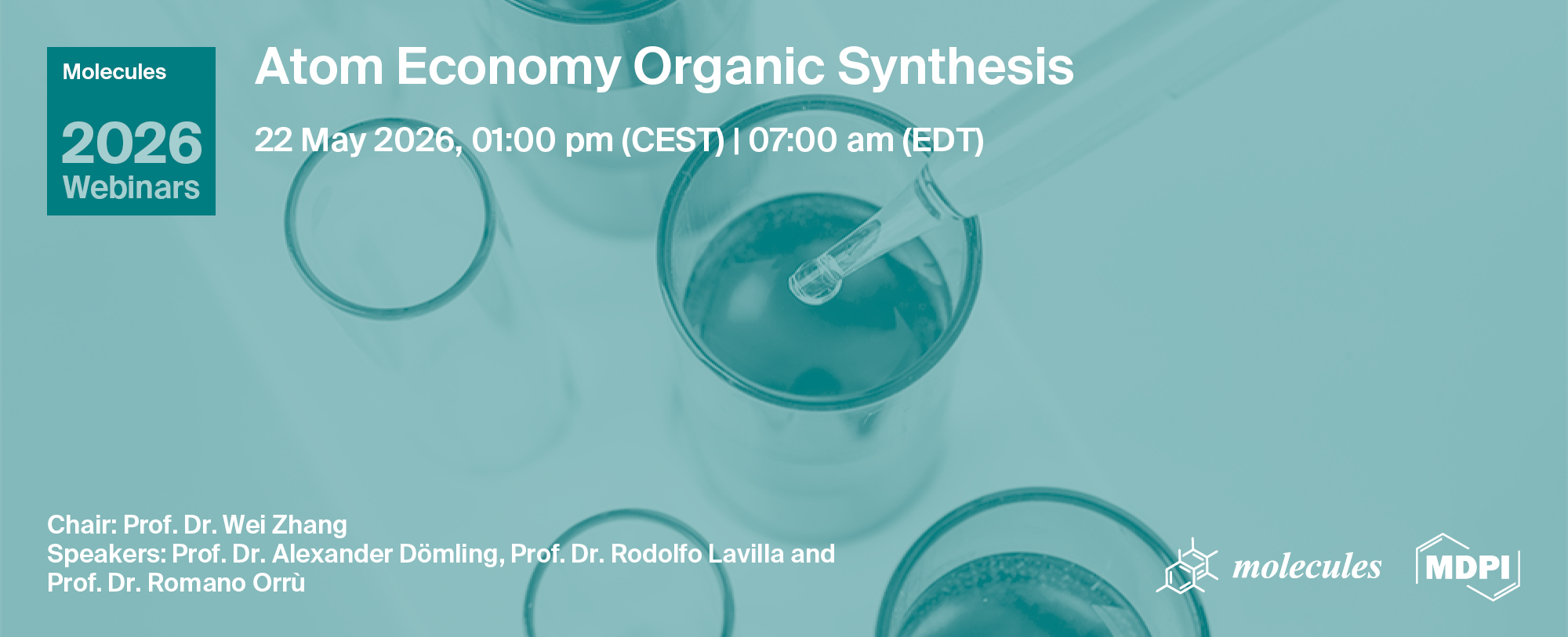
Molecules Webinar | Atom Economy Organic Synthesis
the chair
Synthetic efficiency is a key component of green chemistry. It maximizes reaction yields, reduces waste, and saves time and resource. As one of the 12 principles of green chemistry, atom economy has been well demonstrated in cascade reactions, multi-component reactions, and one-pot synthesis.
The distinguished speakers of this webinar Prof. Dr. Alexander Dömling, Prof. Dr. Rodolfo Lavilla, and Prof. Dr. Romano Orrù are the leaders in the development of new atom economic reactions and associated technologies for making bioactive molecules and functional materials.
Date: 22 May 2026
Time: 1:00 pm CEST | 7:00 am EDT
Webinar ID: 843 4010 1813
Webinar Secretariat: journal.webinar@mdpi.com
Meet Our Chair
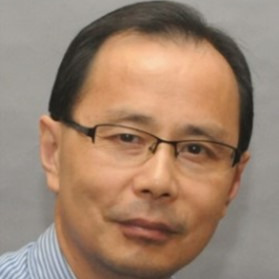
Department of Chemistry, University of Massachusetts Boston, Boston, USA;Dr. Wei Zhang is Professor and former Director of the Center for Green Chemistry at the University of Massachusetts Boston. He was Senior Chemist at DuPont and Director at Fluorous Technologies, Inc. His current research is in the areas of organic synthesis, organocatalysis, drug discovery, and green chemistry. He has coauthored 270 papers including three in Chem. Rev. on synthetic radicals and fluorous technologies, 6 patents and patent applications on drug discovery, and three books on green synthesis. He has been serving as editor and editorial advisory member on nine international journals.
Meet Our Speakers
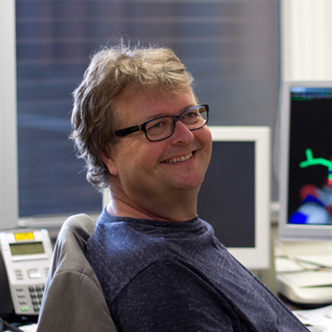
Innovative Chemistry Group, CATRIN, Palacky University, Olomouc, Czech Republic | Institute of Molecular and Translational Medicine, Faculty of Medicine and Dentistry, Palacky University, Olomouc, Czech Republic;Prof Alexander Dömling (ERA Chair of Innovative Chemistry Group at the Palacky University Olomouc) devotes his academic life to the design and discovery of bioactive compounds for difficult targets such as protein protein interactions, transcription factors, or RNA. He studied multi-component reactions with Ivar Ugi at the Technical University Munich (PhD), and with double Nobel laureate Barry Sharpless at The Scripps Research Institute (PD). At the University of Pittsburgh, he became associate and full professor and he introduced the “google-like” web-based technology ANCHOR.QUERY together with Carlos Camacho. ANCHOR.QUERY can screen very large (billions) of virtual compounds in just seconds for pharmacophores and based on key interacting fragments, e.g. large amino acid side chains of amino acids (in PPIs). Interestingly the resulting virtual hits can be instantaneously synthesized using convergent and fast multicomponent reaction chemistry in order to test the virtually generated hypothesis. From 2011 till 2022 he was Professor and chair of Drug Design at the University of Groningen. Another development is the technology platform Automated, miniaturized and accelerated drug discovery (AMADEUS) which was recently rewarded by an ERC Advanced grant. Here a fundamentally novel approach towards preclinical drug discovery and development is introduced by blending Instant Chemistry, nL dispensing, HT purification, HTS and machine learning. The indication areas Alexander Dömling is interested in are cancer immunology, infectious diseases and metabolic disorders. He has published more than 300 scientific articles, reviews and applied for >70 patents. Additionally, Alexander Dömling is a serial entrepreneur trying to make the expression “from bench to bedside” become true.
Laboratory of Medicinal Chemistry, Faculty of Pharmacy and Institute of Biomedicine (IBUB), University of Barcelona, Barcelona, Spain;Rodolfo Lavilla studied Pharmacy at the University of Barcelona, and later he obtained an M.S. in Medicinal Chemistry and a Ph.D. in Organic Chemistry there. After a postdoctoral stage at the University of California, San Diego, he entered faculty at the University of Barcelona where he is now full Professor of Organic & Medicinal Chemistry. His research interests deal with heterocyclic chemistry, multicomponent reactions, functional probes, medicinal chemistry and selective peptide modifications. He has published over 150 research articles, reviews, book chapters and patents, and holds collaborations with pharma companies and research groups in medicinal and biological chemistry.
Prof. Dr. Romano Orrù
Aachen Maastricht Institute of Biobased Materials, Maastricht University, The Netherlands;Romano Orru completed his PhD in organic chemistry at the Agricultural University of Wageningen, The Netherlands. From 1996 to 2000 he worked at the Technical as well as at the Karl-Franszens University of Graz, Austria on synthetic applications of bio-transformations. In 2000, he returned to the Netherlands, and was appointed Assistant Professor and later Associate Professor (2003) of Synthetic & Bioorganic Chemistry at Vrije Universiteit Amsterdam, where he was appointed chair in 2007. End of 2019 he moved to the AachenMaastricht Institute for Biobased Materials of Maastricht University as a professor of Organic Chemistry. Early 2022 he became the Scientific Director of AMIBM. His research focuses on the utilisation of one-pot cascade reactions and multi-component reactions to improve the efficiency, sustainability and precision of organic compound synthesis, with emphasis on applications in the field of pharmaceutical science. For that, he develops novel MCRs and employs them in combination with biocatalysts in one-pot processes to access targeted molecules in a stereoselective fashion. In another research line he develops isocyanides as versatile C1 building blocks in (transition) metal-catalyzed insertion reactions towards privileged heterocyclic scaffolds. He is considered a leader in his field and has contributed much to this emerging area

The webinar was hosted via Zoom and required registration to attend. The full recording can be found below. In order to learn about future webinars, you can sign up to our newsletter by clicking “Subscribe” at the top of the page.
Modern Application of Cycloaddition Reactions: Experimental and Theoretical Research
Guest Editors: Dr. Agnieszka Kącka-Zych and Prof. Dr. Patricia Perez
Manuscript Submission Deadline: 31 August 2026
Feature Papers in Organic Chemistry—Third Edition
Guest Editors: Prof. Dr. Roman Dembinski, Dr. Jacek Nycz, and Dr. Ewa Radzikowska-Cieciura
Manuscript Submission Deadline: 30 September 2026
Multicomponent Reactions for the Synthesis of Bioactive Heterocyclic Hybrids
Guest Editors: Dr. Carlos J. Cortes-García and Dr. Luis Chacón
Manuscript Submission Deadline: 15 November 2026