Molecules Webinar | Bioactive Proteins and Peptides from Marine and Food Sources: Discovery, Mechanisms, and Biomedical Applications
the chairs
44th Molecules Webinar
Bioactive Proteins and Peptides from Marine and Food Sources: Discovery, Mechanisms, and Biomedical Applications
Dear Colleagues,
Hi everyone, and a warm welcome to all participants joining us from around the world.
On behalf of Molecules and our organizing team, it is our great pleasure to welcome you to this international webinar entitled “Bioactive Proteins and Peptides from Marine and Food Sources: Discovery, Mechanisms, and Biomedical Applications.” We are delighted to bring together distinguished researchers, early-career scientists, and experts from diverse scientific backgrounds to discuss recent advances in the discovery, characterization, and biomedical applications of bioactive proteins and peptides derived from marine organisms and food sources.
Marine and food-derived bioactive peptides have attracted increasing scientific interest because of their remarkable biological activities and promising applications in functional foods, biomedicine, tissue engineering, and regenerative medicine. Understanding their structure–activity relationships, mechanisms of action, bioavailability, and potential for clinical and industrial translation is essential for advancing this rapidly developing field.
This webinar provides an excellent opportunity to exchange scientific knowledge, share innovative research findings, and strengthen international collaborations. We are particularly pleased to welcome our invited speakers, who will present their latest research on marine bioactive proteins, peptides, their structural characteristics, biological functions, and therapeutic potential.
I would like to express my sincere gratitude to all our speakers, participants, the Molecules editorial team, and the MDPI organizing team for making this scientific event possible.
We hope that this webinar's discussions will inspire new research ideas, encourage fruitful scientific interactions, and contribute to future developments in marine biotechnology, food science, and biomedical applications. I wish everyone an engaging, productive, and enjoyable scientific session.
The first presentation explores the bioactivity of Symplectoteuthis oualaniensis protamine and its derivatives, as well as their potential applications as biomaterials.
Invited Speaker: Dr. Na Li
The second presentation discusses the identification and utilization of functional compounds derived from seaweeds and other marine natural products.
Invited Speaker: Dr. Ahsan Javed
The third presentation focuses on the structural features, formation pathways, and potential applications of marine-derived cyclic peptides.
Invited Speaker: Ms. Ming Cheng
Title Presentation: Marine-Derived Cyclic Peptides: Structural Features, Formation Pathways, and Potential Applications
The fourth presentation investigates the anti-hyperuricemia mechanisms of tryptophan-rich tuna bioactive peptides.
Invited Speaker: Ms. Yanxin Wang
Title Presentation: Mechanism of Anti-Hyperuricemia by Tryptophan-Rich Tuna Bioactive Peptides
The fifth presentation examines the discovery, structural identification, and structure–activity relationships of marine bioactive peptides for nutritional and healthy food applications.
Invited Speaker: Dr. Qiaoji Tian
The sixth presentation focuses on the production, bioavailability, structure–activity relationships, and functional food applications of soy-derived small bioactive peptides.
Invited Speaker: Mr. Mubeen Asad
Title Presentation: Bioactivities and Functional Potential of Soy Sourced Based Small Peptides (2–5 Amino Acids): A Review
We hope these contributions will stimulate a discussion with attendees, fostering inputs, new insights and collaborations.
Date: 26 November 2026
Time: 11:00 – 13:30 CET
Webinar ID: 884 9749 5606
Webinar Secretariat: journal.webinar@mdpi.com
Meet Our Chairs
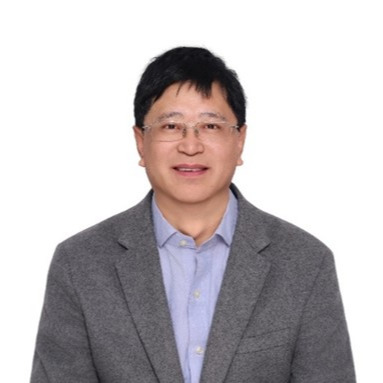
Department of Marine Biopharmacology, College of Food Science and Technology, Shanghai Ocean University, Shanghai 201306, China;Professor Wenhui Wu is a Professor at Shanghai Ocean University. He serves as Chair of the Marine Medicine Professional Committee of the Shanghai Pharmaceutical Association, Vice Chair of the Marine Traditional Chinese Medicine Professional Committee of the Chinese Society for Oceanography, and Chief Expert at the Marine Biomedicine Science and Technology Innovation Center in Shanghai's Lin-gang Special Area. His research focuses on marine drug discovery, marine biomaterials and tissue engineering, and marine-derived foods for special medical purposes. He has led research projects funded by the National Natural Science Foundation of China and the National Key Research and Development Program of China. He has published over 200 scientific papers, authored four monographs, holds 16 national invention patents, and received several honors, including the Marine Science and Technology Progress Award and the Natural Resources Science and Technology Award.
Department of Biomaterials Engineering, Faculty of Health Sciences, UCAM Catholic University San Antonio de Murcia, 30107 Murcia, Spain;Prof. Jeevithan Elango is currently a Professor in the Department of Biomaterials Engineering at the Universidad Católica San Antonio de Murcia (UCAM), Spain, and serves as a Distinguished Professor at Shanghai Ocean University (SHOU), China. He completed his Ph.D. in Food Science at SHOU in 2016, following advanced studies in Biochemistry at Bharathidasan University, India, and early research appointments at Tamil Nadu Fisheries University. With an h-index of 34 and over 2,500 citations across 105 peer-reviewed journal publications and 10 international book chapters, Prof. Jeevithan's research bridges marine bio-resources and regenerative medicine. His work focuses on tissue engineering, cartilage and bone regeneration, biomaterials (collagen, gelatin, chitosan, and titanium oxide), marine therapeutics, cancer, and metabolic diseases. Prof. Jeevithan has led nine major national and international research projects funded by European and Chinese science foundations and maintains active collaborative networks across the USA, Spain, France, Canada, Belgium, India, and beyond. His academic contributions have been recognized with prestigious honors, including the 2022 Academic Winner Award from the Royal Academy of Medicine and Surgery of the Region of Murcia, the 2017 NSFC International Young Scientist Award, and the 2016 Australian Endeavour Research Fellowship. He frequently delivers invited lectures worldwide, including at the UN Food and Agriculture Organization (FAO) in Rome, and serves on editorial boards for several leading international journals.
Meet Our Speakers
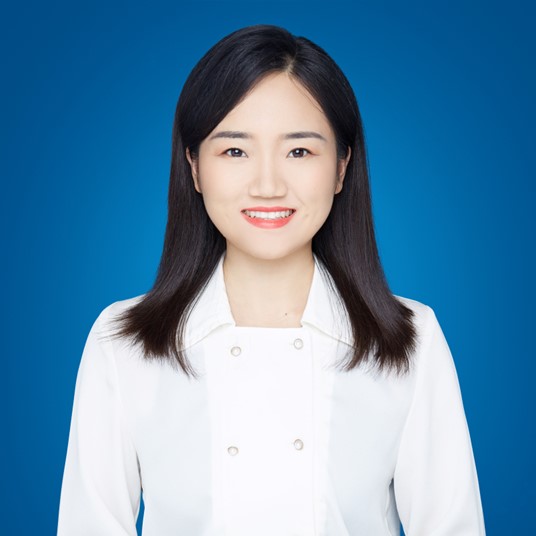
Department of Biotechnology and Biomedicine, Yangtze Delta Region Institute of Tsinghua University, Jiaxing, Zhejiang Province 314006, China;Dr. Na Li is currently a postdoctoral researcher at the Department of Biotechnology and Biomedicine, Yangtze Delta Region Institute of Tsinghua University, Jiaxing, Zhejiang Province, China. Her research focuses on bioactive proteins and peptides derived from marine organisms, particularly their biological activities and applications in biomaterials. Her current work investigates the bioactivity of Symplectoteuthis oualaniensis protamine and its derivatives, as well as their potential use as biomaterials.

College of Food Science and Technology, Shanghai Ocean University, China;Dr. Ahsan Javed is an accomplished researcher with a strong international background in food science, biochemistry, biomedical sciences, and biotechnology. He earned his Ph.D. from Kyungpook National University in South Korea, where he developed a deep foundation in his field of study. Following his doctorate, Dr. Javed continued his research as a postdoctoral fellow at Daegu Catholic University, further expanding his expertise. He subsequently broadened his global research experience by undertaking a second postdoctoral appointment at Shanghai Ocean University in China. Throughout his career, Dr. Javed has been dedicated to advancing scientific knowledge through rigorous research and cross-border academic collaboration. Dr. Javed is particularly interested in identifying and utilizing functional compounds from seaweeds and other marine natural products. He has published in international journals, including International Journal of Biological Macromolecules, Journal of Hazardous Materials, Food Chemistry, and Molecular Nutrition & Food Research, and has co-authored a book chapter on phenolic compounds and human health. His publications have received more than 1,600 citations, with an h-index of 17 and an i10-index of 22. He also serves as a guest editor for Frontiers in Toxicology and an editor for Journal of Food and Agroindustry. His honors include the Korean Government Scholarship for doctoral studies, an Excellent Academic Achievement Award from the Korean Ministry of Education, and his appointment as an Honorary Ambassador of Kyungpook National University.
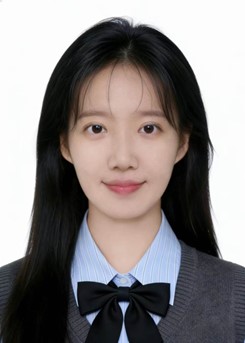
Ms. Ming Cheng
College of Food Science and Engineering, Ocean University of China, China;Cheng is a Ph.D. student at the College of Food Science and Engineering, Ocean University of China. Her research focuses on the discovery and innovative utilization of marine bioactive compounds. She has participated in five national and provincial research projects, published five SCI-indexed papers as the first author, contributed to one academic book, and been granted one invention patent.
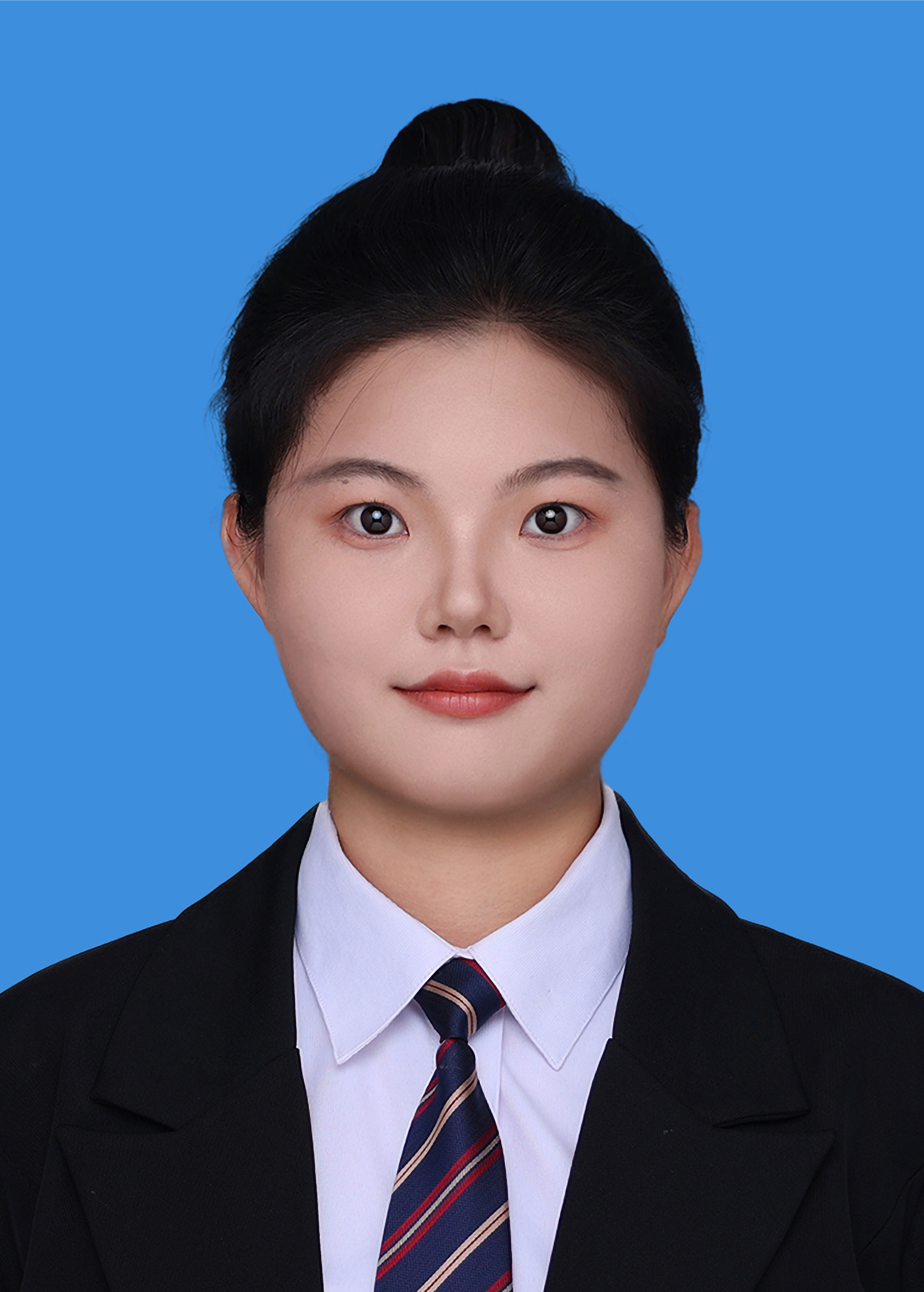
Ms. Yanxin Wang
School of Marine Science, Ningbo University, China;Wang Yanxin is a doctoral student. Her research primarily focuses on the mechanism of marine-derived anti-hyperuricemia peptides, concentrating on the interaction and regulatory mechanisms between these peptides, gut microbiota, their metabolites, and the host's uric acid metabolism. As the first author or co-first author, she has published four SCI papers in Food Science and Human Wellness, Food & Medicine Homology, Journal of Agricultural and Food Chemistry, Food Chemistry. She has also contributed to the application for one invention patent.
Dr. Qiaoji Tian
Yantai Institute of Coastal Zone Research, Chinese Academy of Sciences;Qiaoji Tian is an Assistant Researcher at Yantai Institute of Coastal Zone Research, Chinese Academy of Sciences. Her research interests cover the discovery, structural identification, structure–activity relationship elucidation of marine bioactive peptides, as well as their development and application in nutritional and healthy foods. She has published more than 10 SCI papers in journals including Food Chemistry, Food Research International and Critical Reviews in Food Science and Nutrition, and obtained over 13 authorized invention patents. She has led and participated in three national and provincial research projects. She is currently an editorial board member for journals including Advanced Functional Foods, Food & Medicine Homology, Marine Medicine and Food Research and Development.

Dr. Mubeen Asad
College of Food Science and Technology, Shanghai Ocean University, China;Mubeen Asad is a PhD scholar specializing in food science and bioactive peptides, with a research focus on soy-derived small peptides (2–5 amino acids). He completed his master’s degree at Shanghai Ocean University, China, under the China Scholarship Council (CSC) scholarship, and is currently pursuing his PhD at the same institution, also supported by the CSC scholarship. His doctoral work examines the production, intestinal absorption, bioavailability, structure–activity relationships, and functional-food applications of small bioactive peptides. He has published a paper in the Journal of Agricultural and Food Chemistry (JAFC), a top-tier journal in food science and agriculture, as a first author, and has also published two book chapters as a first author. His broader research interests include bioactive proteins and peptides from food and marine sources, peptide transport mechanisms, food safety and security, cereal and dairy technology, and product development. He has participated in national food science conferences and has practical experience in food processing, quality control, and analytical techniques such as HPLC.
Deadline for manuscript submissions: 30 April 2027