Sustainability Webinar | Pathways to a Plastic-Smart Future: Innovations in Monitoring, Mitigation, and Resource Recovery
24th Sustainability Webinar
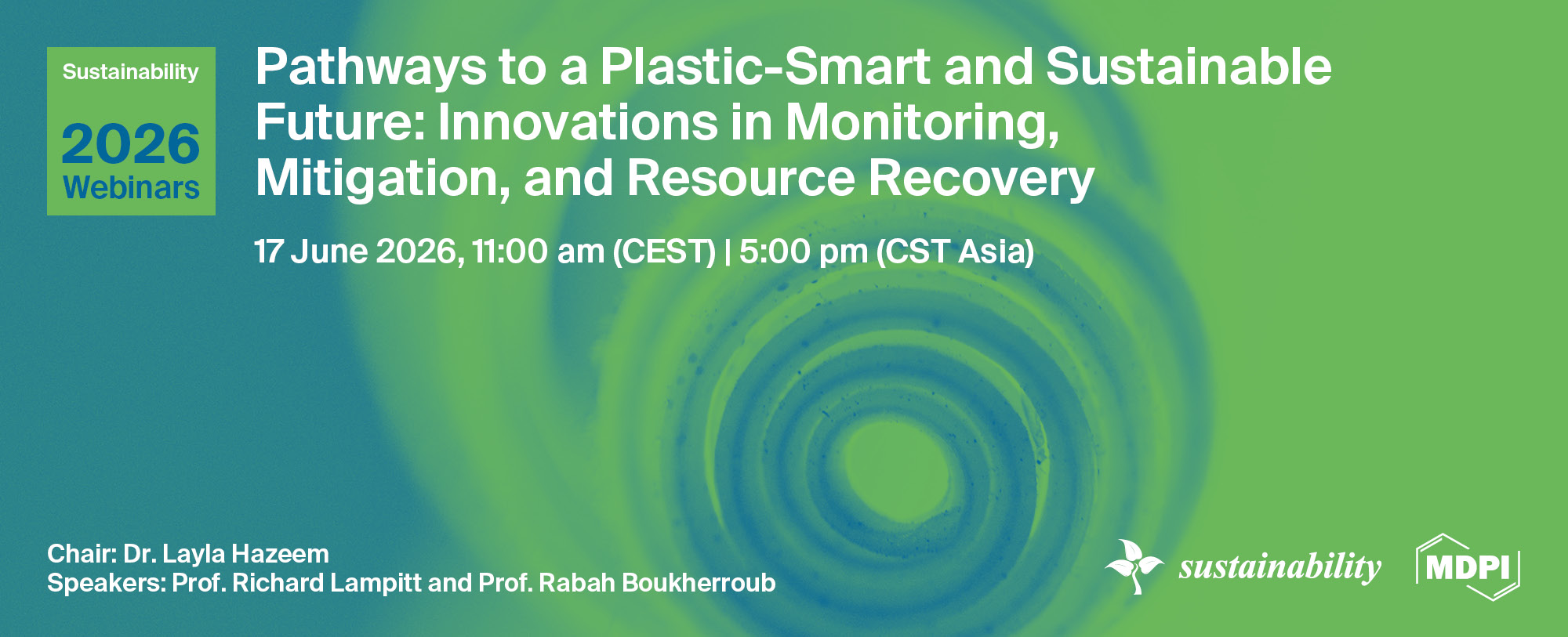
Pathways to a Plastic-Smart Future: Innovations in Monitoring, Mitigation, and Resource Recovery
In this section, you will find the recordings of this webinar to watch, re-watch and share with your colleagues!
The webinar “Pathways to a Plastic-Smart and Sustainable Future: Innovations in Monitoring, Mitigation, and Resource Recovery” provided valuable insights into both the environmental impacts of plastic pollution and innovative solutions for plastic waste management. Prof. Richard Lampitt discussed the transformation of particulate plastics into microplastics and nanoplastics, as well as their adverse effects on marine organisms and ecosystem functions, including nutrient cycling, primary productivity, and carbon sequestration. Complementing this perspective, Prof. Rabah Boukherroub highlighted the importance of reducing, reusing, and recycling plastics, with a particular focus on chemical upcycling strategies that convert waste polymers into higher-value materials and fuels, offering promising pathways toward a more sustainable and circular economy.
the chair
“Pathways to a Plastic-Smart and Sustainable Future: Innovations in Monitoring, Mitigation, and Resource Recovery”aims to strengthen scientific understanding and promote practical strategies that reduce microplastic contamination and its impact on marine environments. This webinar will feature two presentations that highlight both environmental implications of plastics and emerging resource recovery solutions.
We warmly encourage scientists and researchers to attend this event to enhance discussion, exchange ideas, and raise questions that can help shape the direction of research related on plastics. Your engagement is essential in driving collaborative, interdisciplinary solutions toward a plastic-smart future.
Date: 17 June 2026
Time: 11:00 CEST | 5:00 pm CST Asia
Webinar ID: 892 2604 3802
Webinar Secretariat: journal.webinar@mdpi.com
Meet Our Chair
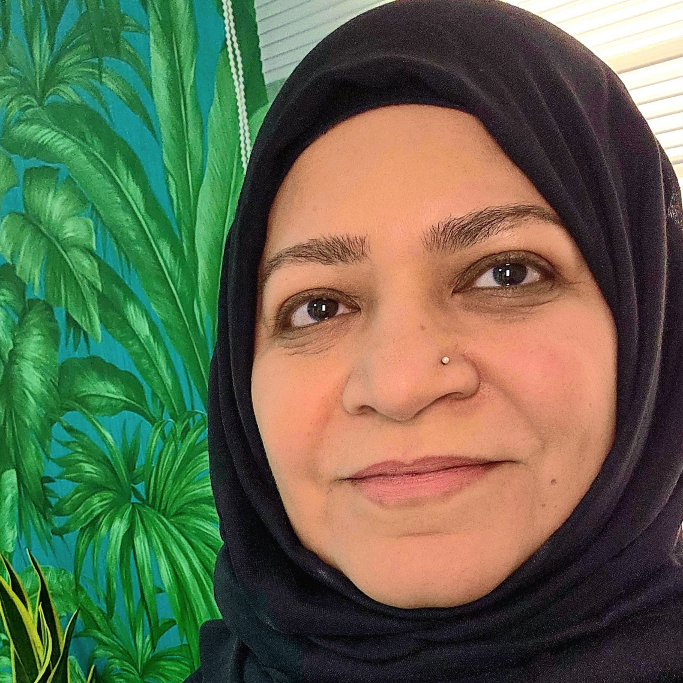
University of Bahrain, Kingdom of Bahrain;Dr. Layla Hazeem received a master’s degree in Oceanography and PhD in Marine Biology from National Oceanography Center, University of Southampton, UK. Currently she is an associate Professor at University of Bahrain. Her research focuses on environmental pollution. In recent years, Dr. Hazeem has led pioneering studies on microplastic contamination in Bahrain’s critical coastal habitats, particularly oyster beds and mangrove ecosystems, two environments essential for biodiversity, coastal protection and local fisheries. Her work investigates the distribution, ecological impacts, and potential bioaccumulation of microplastics within these sensitive areas, contributing valuable regional data to the growing global effort to address plastic pollution. Dr. Hazeem is passionate about promoting research-based solutions to safeguard marine life in the Kingdom of Bahrain.
Meet Our Speakers
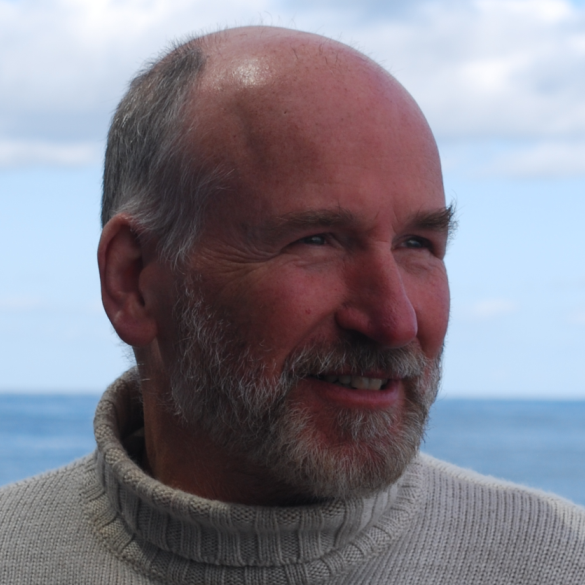
Prof. Richard Lampitt
National Oceanography Centre, UK;Professor Lampitt is an observational oceanographer with wide experience. To date he has mainly focused his research on carbon cycling in the oceans and particularly the downward flux of particulate matter in the open ocean. 11 years ago, he founded and now leads the Microplastics Research Group at NOC. The main objectives of the group are to measure the distribution, characteristics and properties of microplastics in aquatic environments from the upper reaches of rivers to the depths of the ocean and to understand the processes responsible for these distributions and how they change over time. Ecotoxicological studies are carried out in collaboration with other organizations.
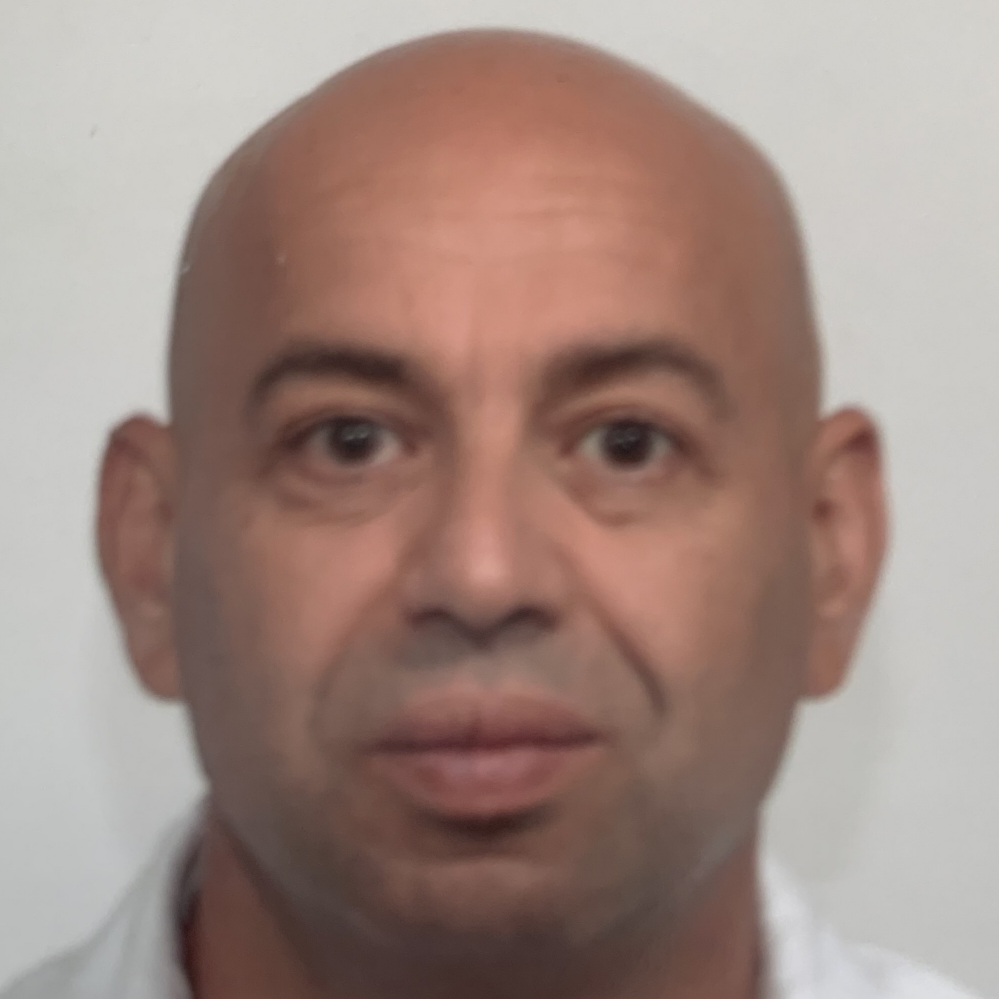
Université Lille, France;Dr. Rabah Boukherroub received a PhD in chemistry from the University Paul Sabatier in Toulouse, France. He is currently a CNRS research director at the Institute of Electronics, Microelectronics and Nanotechnology (IEMN), CNRS & University of Lille, France. His research interests are in the area of functional materials, surface chemistry, and photophysics of semiconductor/metal nanostructures with emphasis on photocatalysis, electrocatalysis and nanomedicine. He has published many research publications, wrote 45 book chapters and co-editor of 10 books in subjects related to nanotechnology, materials chemistry, and biosensors. He has 15 patents or patents pending
Advancing Marine Ecosystem Sustainability Through Microplastic Pollution Mitigation
Edited by Layla Hazeem, Abdulkarim Hasan Rashed, and Suad Ahmed Rashda
Deadline for manuscript submissions: 6 January 2027