Toxics Webinar | Environmental Toxicants in Human Health: Oxidative Stress, Metabolism and Toxicity
the chair
7th Toxics Webinar
Environmental Toxicants in Human Health: Oxidative Stress, Metabolism and Toxicity
Our webinar will present the mechanisms associated with different environmental chemicals inflicting health disorders for discussion. The main topic will be the physiological effects of physical and chemical agents on host and microbiota leading to immune responses, inflammation and oxidative-stress-infecting disorders. The differential influences of toxicants will also be discussed regarding the age of hosts and length of exposure. Presentations will be given by internationally well-recognized immunotoxicologists. Time will be given for questions and answers after each presentation, as well as a general discussion with speakers and attendees at the end.
Meet Our Chair
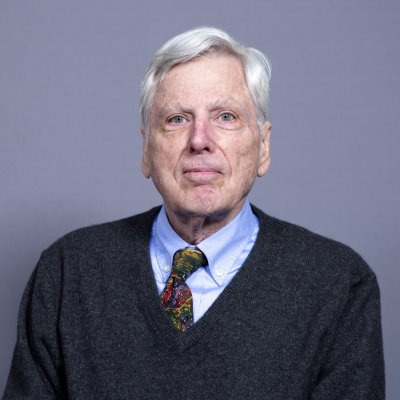
Department of Biomedical Sciences, College of Integrated Health Sciences, University at Albany, USA;Dr. David A. Lawrence addresses the biochemical and molecular analysis of the human and murine immune–neuroendocrine network with specific emphasis on the mechanisms by which chemicals and drugs alter the structure/function of antigen-presenting cells and the T-lymphocyte subsets responsible for maintenance of the immune homeostasis (controlled cell-mediated and humoral (antibody-mediated) immune responses).
Meet Our Speakers
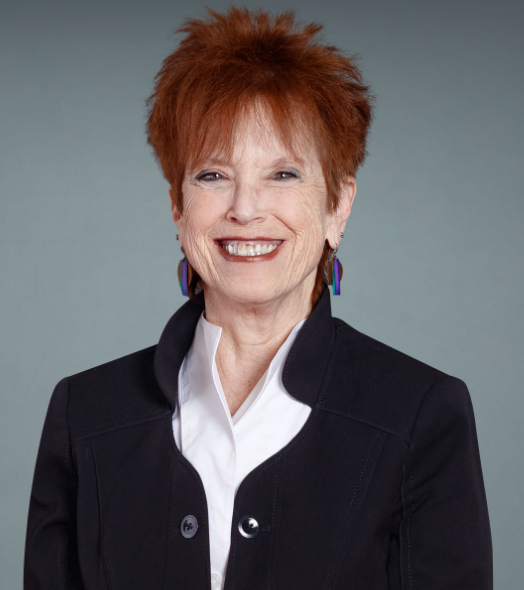
NYU Grossman School of Medicine, New York, USA;The major focus of Dr. Zelikoff’s research laboratory has long been the effects of inhaled toxicants on immune system function and the reproductive process. Ongoing studies include those using inhaled nanoparticles, particulate matter (PM), cigarette smoke or its components, as well as alternative tobacco products such as gutkha and hookah.

Dr. Debra L. Laskin
Rutgers University, New Jersey, USA;The overall focus of our research is immunotoxicology. We are particularly interested in the inflammatory mechanisms of tissue injury. Our focus is on macrophages. Although the involvement of macrophages in protecting against invading pathogens and tumor cells is well documented, studies from my laboratory have demonstrated that macrophages also have a “dark side”. Thus, they can be activated to release excessive quantities of proinflammatory and cytotoxic mediators that actually promote tissue injury.
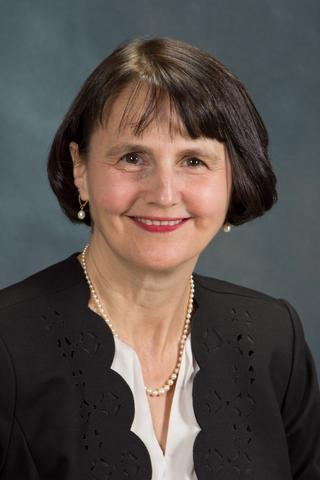
Department of Environmental Medicine, School of Medicine & Dentistry, The University of Rochester, Rochester, NY, USA;Dr. B. Paige Lawrence's expertise is in the disciplines of immunology and toxicology. Studying whether chemicals (e.g., pollutants, pharmaceuticals) affect the way the immune system works is the primary area of her expertise.

Dr. Jamie C. DeWitt
Oregon State University, Oregon, USA;She was a professor at the Department of Pharmacology & Toxicology at the Brody School of Medicine at East Carolina University (ECU). There, she led ground-breaking research funded by the Department of Defense, the NIEHS, and the U.S. Environmental Protection Agency, along with numerous state and philanthropic organizations to advance research in immunotoxicology, neurotoxicology, and neuroimmunotoxicology. Fully embracing the school’s educational mission, she also developed a biomedical statistics course and delivered instruction in toxicology, drug safety, pharmacokinetics/pharmacodynamics, and endocrine pharmacology to graduate, medical, and dental student learners.
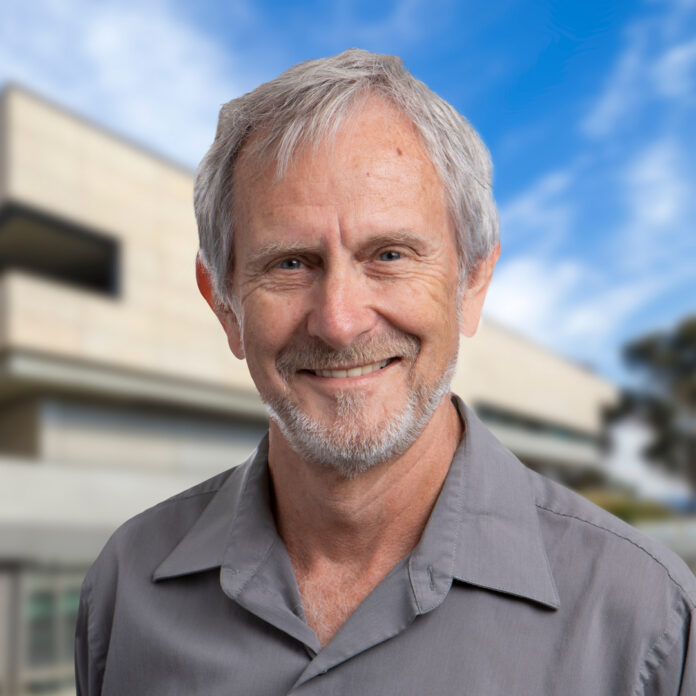
Dept. of Molecular and Experimental Medicine, MEM125, The Scripps Research Institute, San Diego, USA;Dr. Pollard’s research seeks to understand mechanisms of systemic autoimmunity, and the role that environment/occupational exposures play in the initiation and/or exacerbation of autoimmune diseases. Our current focus is crystalline silica exposure, as this has considerable relevance to autoimmunity associated with occupations in which individuals are exposed to silica dust (e.g. mining, artificial stone fabrication, sandblasting, etc). Currently, we focus on three major areas of investigation: 1) role of innate and adaptive immune responses in silica-induced autoimmunity, 2) determining mechanisms of silica-induced inflammatory arthritis, and 3) use of outbred mouse strains (Diversity Outbred (DO), BXD) to identify genetic loci associated with silicosis and silica-induced autoimmunity.
This is a FREE webinar. After registering, you will receive a confirmation email containing information on how to join the webinar. Registrations with academic institutional email addresses will be prioritized.
Certificates of attendance will be delivered to those who attend the live webinar.
Can’t attend? Register anyway and we’ll let you know when the recording is available to watch.
Register for free here!
| Speaker and Presentation | Time in EDT | Time in CEST |
| Dr. David A. Lawrence Chair Introduction |
10:00 – 10:10 | 16:00 – 16:10 |
| Dr. Judith T. Zelikoff Immunotoxicology as a Successful Predictor of Novel and Emerging Nicotine and Tobacco Product Toxicity Following Early Life Exposure |
10:10 – 10:30 | 16:10 – 16:30 |
| Dr. Debra L. Laskin Inflammatory Mechanisms of Lung Injury Induced by Inhaled Ozone |
10:30 – 10:50 | 16:30 – 16:50 |
| Dr. B. Paige Lawrence Developmental Immunotoxicity of PFAS |
10:50 – 11:10 | 16:50 – 17:10 |
| Dr. Jamie C. DeWitt Immunotoxicity as a Basis for Environmentally Induced Disease Risk |
11:10 – 11:30 | 17:10 – 17:30 |
| Dr. Michael Pollard Inhaled Particulates as Triggers for Systemic Autoimmunity: Mechanistic Insights from Silica Dust Exposure and Rheumatoid Arthritis |
11:30 – 11:50 | 17:30 – 17:50 |
| Q&A | 11:50 – 12:05 | 17:50 – 18:05 |
| Dr. David A. Lawrence Closing of Webinar |
12:05 – 12:10 | 18:05 – 18:10 |
Environmental Toxicants in Human Health: Oxidative Stress, Metabolism and Toxicity
Edited by Dr. David A. Lawrence and Dr. Michael Lynes
Deadline for manuscript submissions: 20 December 2026