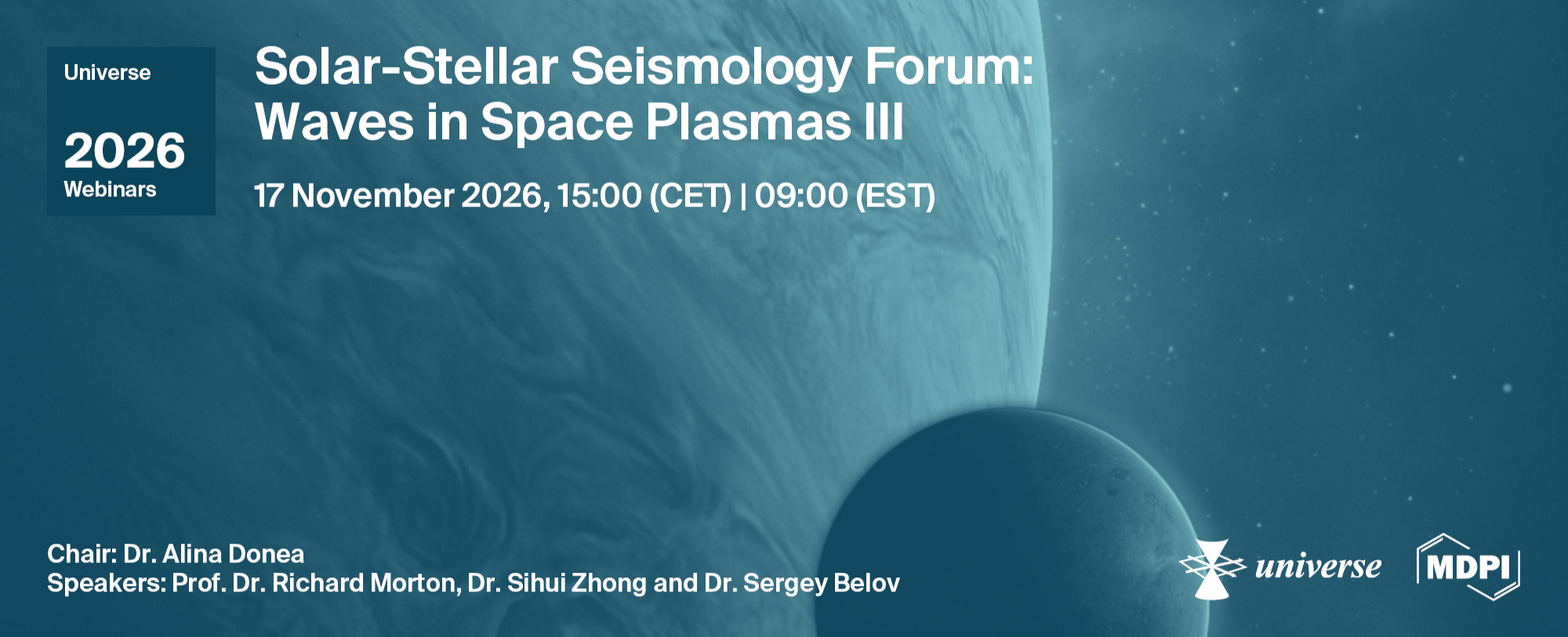
Universe Webinar | Solar-Stellar Seismology Forum: Waves in Space Plasmas III
the chair
It is our pleasure to chair today’s session, which brings together three complementary perspectives on one of the fascinating challenges present in solar physics: understanding waves in the solar atmosphere, where they come from, what they can tell us about the corona, and how new computational approaches can help us detect and study them.
We begin with Professor Richard Morton, who will discuss “Alfvénic Waves in the Sun’s Corona and Their Origin,” exploring the physical processes behind these waves and their importance in the solar atmosphere.
Our second speaker, Sihui Zhong, will present “A 50 min Coronal Kink Oscillation and Its Possible Photospheric Counterpart,” providing an intriguing connection between coronal oscillations and their potential origins lower in the solar atmosphere.
Finally, Sergey Belov will take us into the rapidly developing interface between solar physics and artificial intelligence with “Detection of Kink Oscillations in Solar Coronal Loops by a Convolutional Neural Network–Long Short-Term Memory Neural Network.”
Together, these talks will take us on a journey from the physical origin of coronal waves, through their observational signatures, to their automated detection using modern machine learning techniques.
Date: 17 November 2026
Time: 15:00 CET | 9:00 EST
Webinar ID: 892 0960 3824
Webinar Secretariat: journal.webinar@mdpi.com
Meet Our Chair
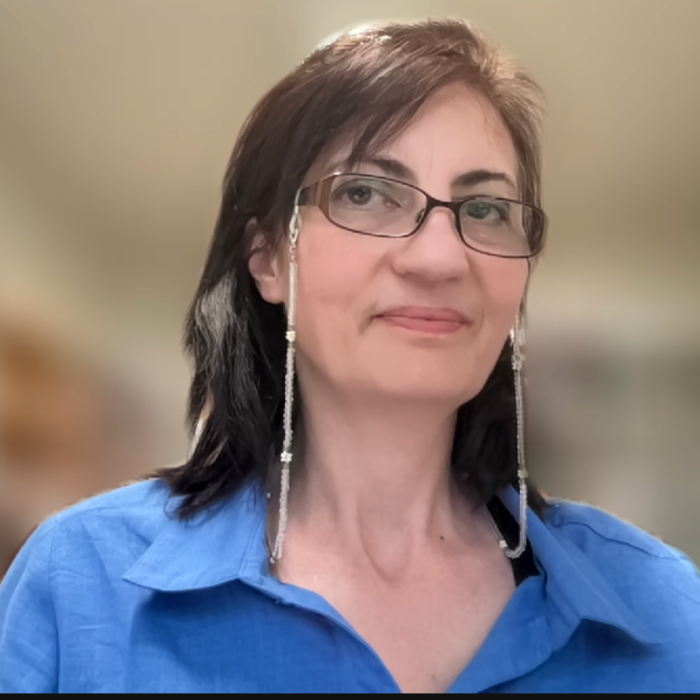
School of Mathematics, Monash University, Australia;Alina Donea is a Senior Lecturer in Astrophysics and Applied Mathematics at Monash University and a PhD supervisor in Solar Physics. Her research focuses on helioseismology, sunquakes, solar flares, magnetic fields, machine learning and space weather. An expert in Helioseismic Holography, she studies the Sun using state-of-the-art satellite observations. She is also actively involved in the Monash High-Altitude Balloon (MHAB) initiative, bringing together astrophysics, mathematics, engineering and environmental science through student-led near-space missions.
Meet Our Speakers
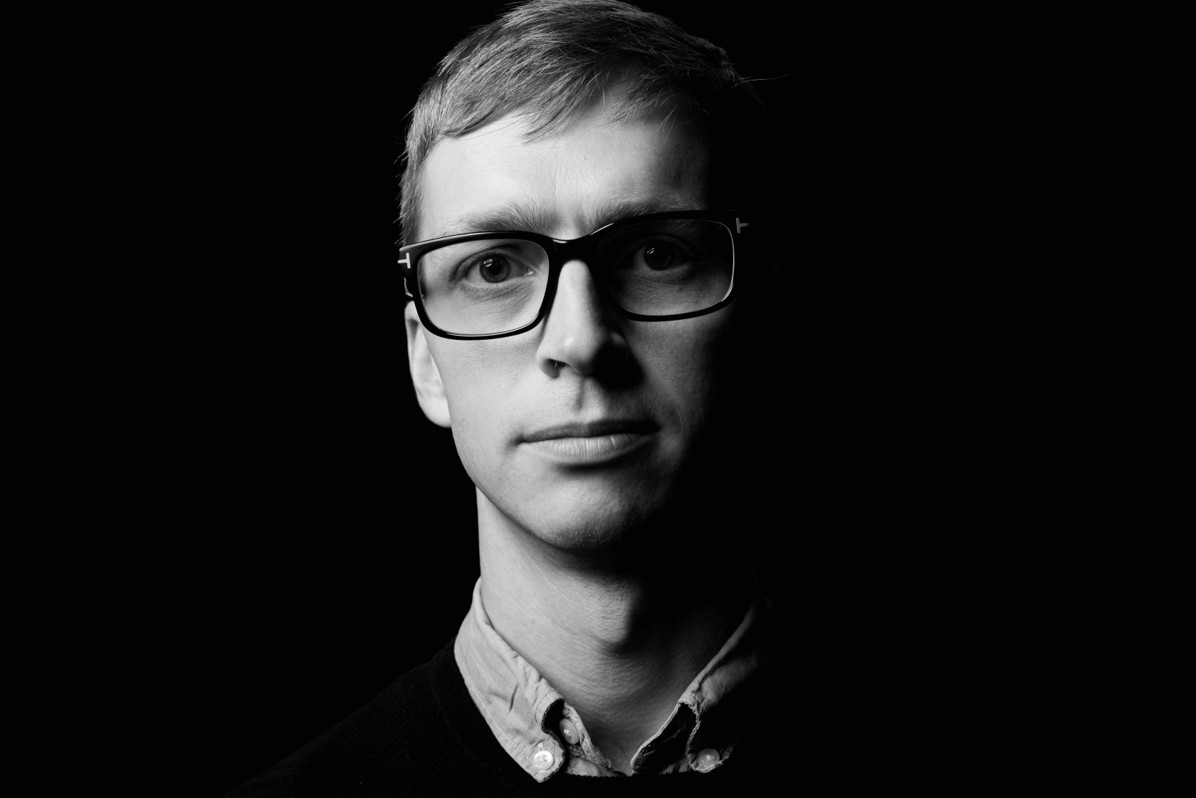
Dr. Richard Morton
School of Engineering, Physics and Mathematics, Northumbria University, UK;Richard Morton is a UKRI Future Leader Fellow and Professor at Northumbria University. He currently leads a research group that aims to understand how million-degree fast winds on the Sun are powered. His research focuses on investigating the role of magnetohydrodynamic (MHD) waves in transferring energy through the Sun’s atmosphere. Most of Morton’s work utilizes imaging and spectroscopic measurements in the EUV and Infrared to probe the waves in the Sun's corona. He is also interested in the use of such waves as a diagnostics tool to assess the coronal magnetic field—a quantity that is still notoriously challenging to measure.
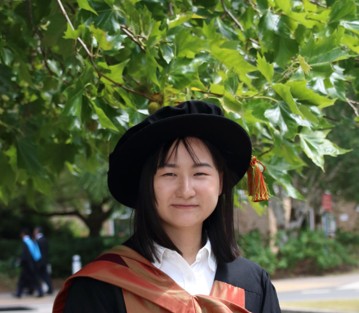
Dr. Sihui Zhong
Department of Mathematics, KU Leuven, Belgium;Dr. Sihui Zhong is an FWO postdoctoral research fellow at KU Leuven, having joined this institution after holding a postdoctoral position at the University of Exeter. She received her PhD from the University of Warwick in June 2024, and her thesis was awarded the Royal Astronomical Society's Keith Runcorn Prize. Her research mainly focuses on waves and oscillations in the solar atmosphere, particularly kink waves. She combines observations and modelling in her work, assessing applications to coronal seismology.
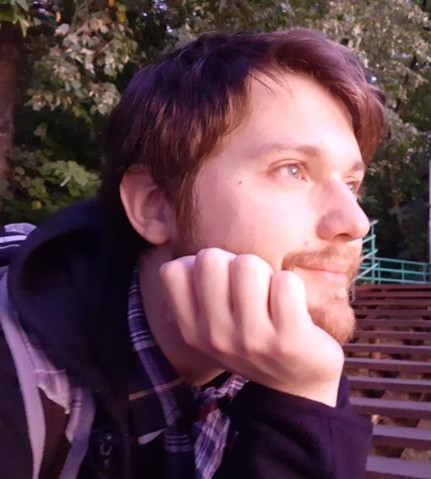
Dr. Sergey Belov
Centre for Fusion, Space and Astrophysics, University of Warwick, UK;Dr. Sergey Belov is a research fellow at the University of Warwick, where he studies how non-adiabatic and non-local energy-transport processes shape observable dynamics in the solar corona. His broader research focuses on coronal dynamics and thermodynamics, particularly solar flares, magnetohydrodynamic (MHD) waves, and advanced data-analysis methods, including ML and DL approaches.
This is a FREE webinar. After registering, you will receive a confirmation email containing information on how to join the webinar. Registrations with academic institutional email addresses will be prioritized.
Certificates of attendance will be delivered to those who attend the live webinar.
Can't attend? Register anyway, and we'll let you know when the recording is available to watch.
Register for free here!

Produced by - Robert Crippen (NASA)
- Dmitrii Kolotkov (Chair, Scientific Coordinator), University of Warwick, United Kingdom
- Sergey Belov, University of Warwick, United Kingdom
- Alina Donea, Monash University, Australia
- Mijie Shi, Shandong University, China
- Abhishekh Kumar Srivastava, Indian Institute of Technology (BHU), India
- John Stefan (early career), New Jersey Institute of Technology, USA
- Anhad Bagga (early career), University of Warwick, United Kingdom
- Hitesh Paliwal (early career), Aryabhatta Research Institute of Observational Sciences, India
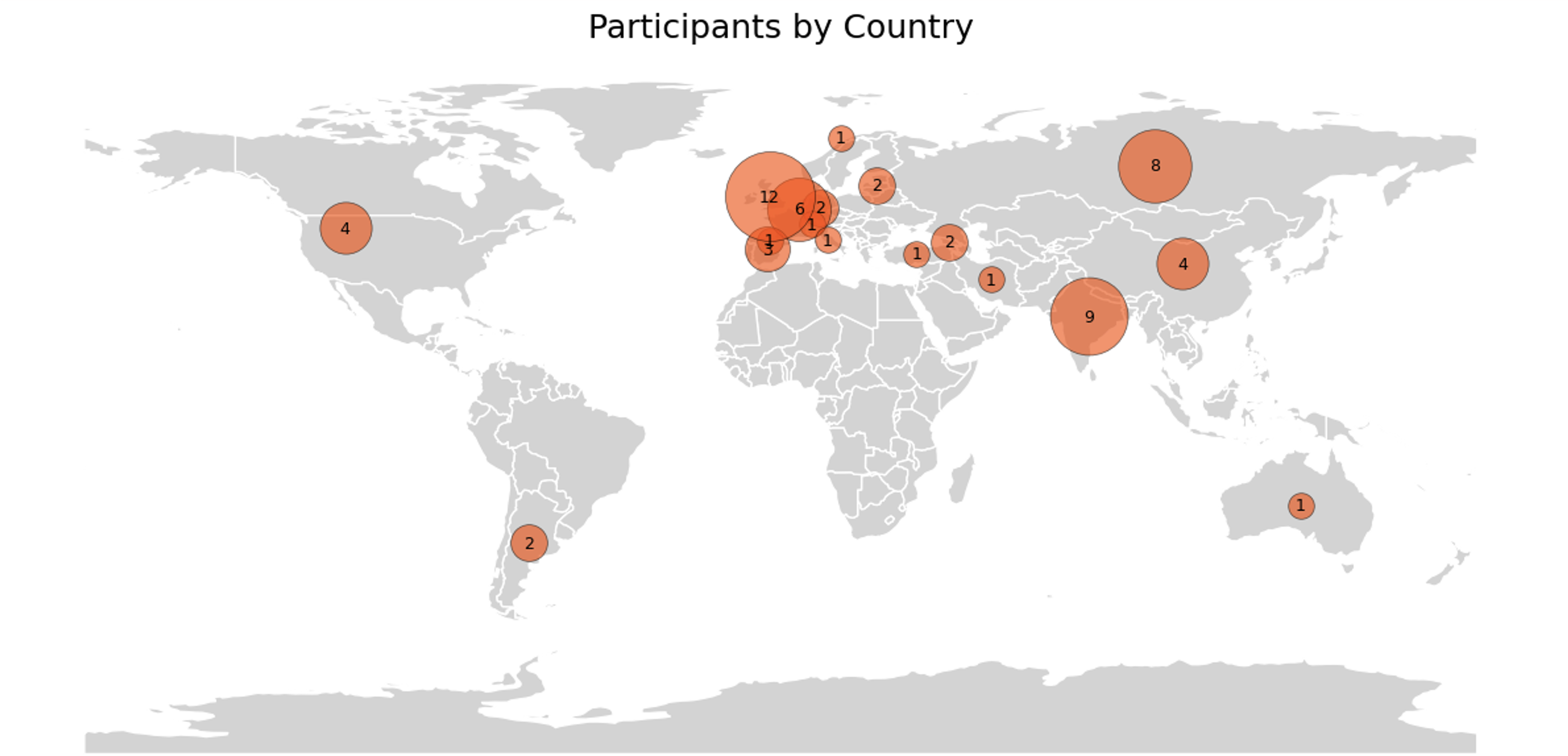 Join our Google Group to stay connected and updated on future sessions: https://groups.google.com/g/solarstellar-seismology-forum