
Veterinary Sciences Webinar | Postweaning Multisystemic Wasting Syndrome (PMWS) and Related Conditions: Current Challenges and Future Directions
the chairs
5th Veterinary Sciences Webinar
Postweaning Multisystemic Wasting Syndrome (PMWS) and Related Conditions: Current Challenges and Future Directions
Dear Colleagues,
Monitoring the health status of pigs in large agglomerations and systematically recording health indicators indicates that this form of circovirus infection is widespread on our farms. According to our observations, the main clinical expression is progressive loss of body weight, profuse watery diarrhea, dyspnea, tachypnea, lymphadenopathy, anemia, jaundice (not a constant finding) and absence of antimicrobial effect in treated animals. Pathophysiological research resulted in lymphocyte depletion and histiocytic infiltration with amphiphilic intracytoplasmic inclusions. In addition to this image, giant multinucleated cells were found in the lymph nodes. The kidney tissue under the microscope corresponded to interstitial nephritis, and the lung tissue showed a picture of lymph histiocytic interstitial pneumonia. The liver often showed mild changes in terms of non-purulent periportal hepatitis, and in more severe cases, extensive necrosis was detected, which is most often accompanied by icterus. This picture is completed by pancreatitis, granulomatous enteritis with atrophy of intestinal villi, and myocarditis. The goal is to monitor the incidence of PMWS on farms while conducting prophylactic and biosecurity measures on farms and control the seed of boars.
Date: 23 October 2026
Time: 11:00 CEST | 17:00 CST (Asia)
Webinar ID: 845 1396 5875
Webinar Secretariat: journal.webinar@mdpi.com
Meet Our Chairs
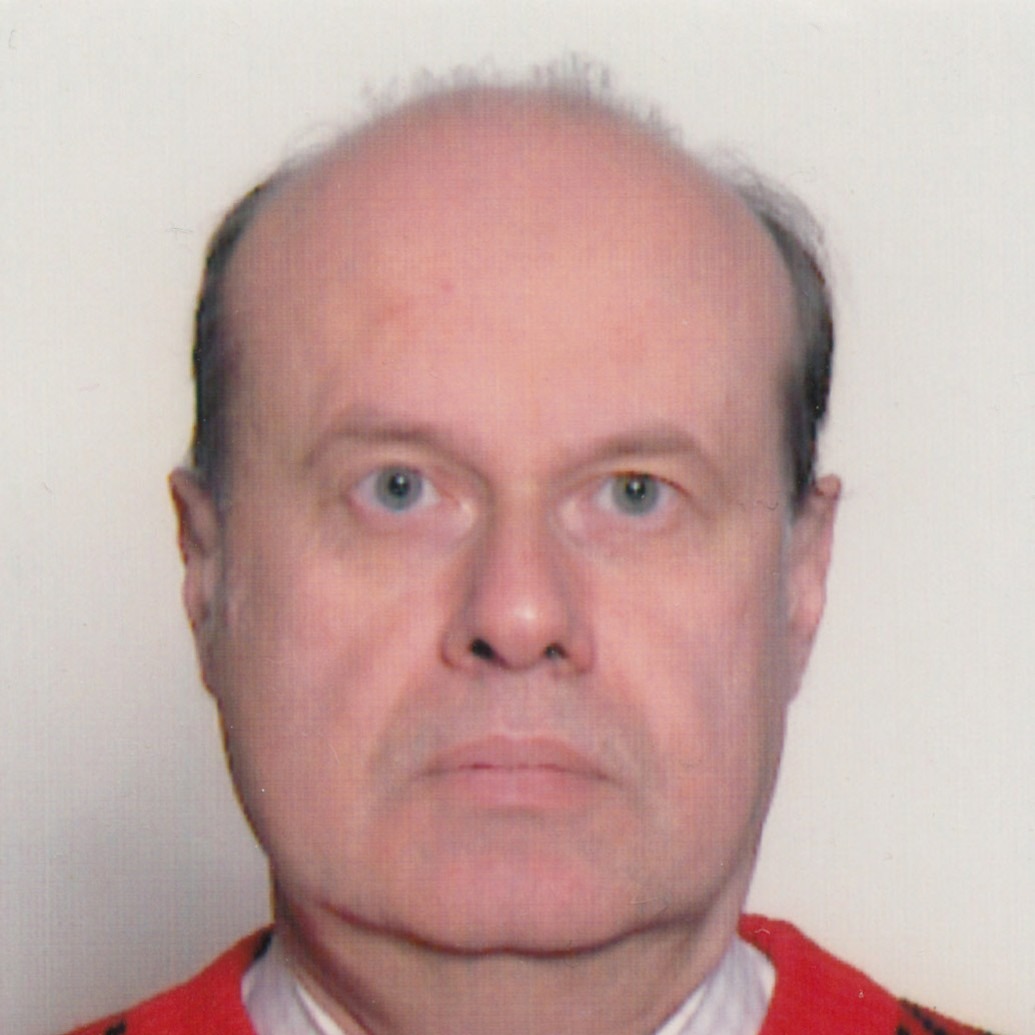
University of Belgrade, Faculty of Veterinary Medicine, Department for Ruminants and Swine Disease ;I have over 30 years of experience in scientific and technological projects at both national and international levels, and have led and supervised multiple projects internationally. Results from these projects have been published in numerous national and international journals. I am a retired professor (October 2024) at the University of Belgrade, Faculty of Veterinary Medicine, Belgrade, Serbia, and am still active in research. I publish my research in journals on the Sci list and in a national journal. I speak at national and international conferences. The field of my study is ruminant and swine disease, including biosecurity, welfare, and veterinary genetics.

Department of Clinical Sciences - Infectious Diseases, University of Agricultural Sciences and Veterinary Medicine, Cluj-Napoca, Romania;Position: PhD advisor, retired professor at the Department of Clinical Sciences—Infectious Diseases; DVM since 1982. Areas of interest: Infection and immunity in animals, antimicrobial resistance. PhD in Veterinary Medicine (Immunology of infectious diseases) since 1991, PhD in Biology (Physiological immune response in Aves) since 2005, Professor at the University of Agricultural Sciences and Veterinary Medicine since 1998, Member of the Hungarian Academy of Science, European Veterinary Education coordinator within the EAEVE (European Association of Establishments for Veterinary Education) since 2017, and with over 30 national and EU-funded research projects. Clarivate-indexed papers: 151. In total, 1766 citations and an h-index of 23.
Meet Our Speakers
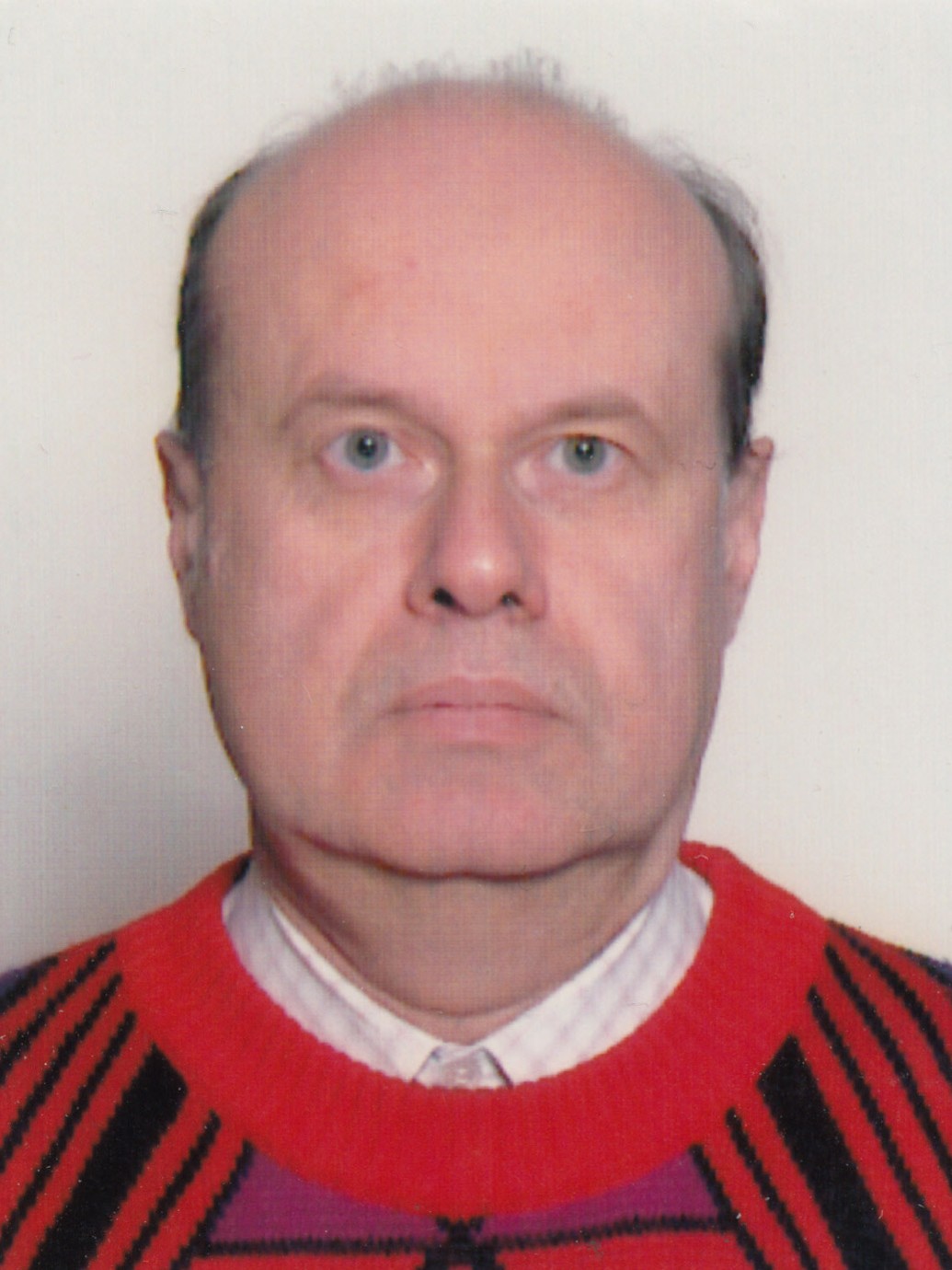
University of Belgrade, Faculty of Veterinary Medicine, Department for Ruminants and Swine Disease;I have over 30 years of experience in scientific and technological projects at both national and international levels, and have led and supervised multiple projects internationally. Results from these projects have been published in numerous national and international journals. I am a retired professor (October 2024) at the University of Belgrade, Faculty of Veterinary Medicine, Belgrade, Serbia, and am still active in research. I publish my research in journals on the Sci list and in a national journal. I speak at national and international conferences. The field of my study is ruminant and swine disease, including biosecurity, welfare, and veterinary genetics.
Department of Clinical Sciences - Infectious Diseases, University of Agricultural Sciences and Veterinary Medicine, Cluj-Napoca, Romania;PhD advisor, retired professor at the Department of Clinical Sciences—Infectious Diseases; DVM since 1982. Areas of interest: Infection and immunity in animals, antimicrobial resistance. PhD in Veterinary Medicine (Immunology of infectious diseases) since 1991, PhD in Biology (Physiological immune response in Aves) since 2005, Professor at the University of Agricultural Sciences and Veterinary Medicine since 1998, Member of the Hungarian Academy of Science, European Veterinary Education coordinator within the EAEVE (European Association of Establishments for Veterinary Education) since 2017, and with over 30 national and EU-funded research projects. Clarivate-indexed papers: 151. In total, 1766 citations and an h-index of 23.

Department for Microbiology, Faculty of Veterinary Medicine, University of Belgrade, Republic of Serbia;Andrea Radalj, DVM, PhD, is an Associate Professor at the Department of Microbiology, Faculty of Veterinary Medicine, University of Belgrade, where she also earned her PhD in Microbiology and Immunology and trained in veterinary virology at the Institute of Virology, University of Veterinary Medicine, Vienna. Her research focuses on the detection, genetic characterization, and phylogenetic analysis of animal viruses, with particular emphasis on swine pathogens in domestic and wild populations. She has published extensively on porcine circoviruses (PCV2, PCV3) and porcine parvoviruses in wild boars across Serbia and the Balkans, participates in the COST Action "European Swine Influenza Network" (ESFLU), and is trained in Oxford Nanopore sequencing for swine influenza A diagnostics. She is an Editorial Board member of Acta Veterinaria – Belgrade, with laboratory expertise spanning classical virus isolation through molecular and bioinformatic methods.

Department of Pathology and Veterinary Diagnostics, Institute of Veterinary Medicine, Warsaw University of Life Sciences-SGGW, Warsaw, Poland ;Dr. Aleksandra Wozniak is an Assistant Professor at the Department of Pathology and Veterinary Diagnostics, Institute of Veterinary Medicine, Warsaw University of Life Sciences (SGGW), Poland. Her research focuses on veterinary pathology, diagnostic methods, and infectious diseases of swine. She is particularly interested in the epidemiology, pathogenesis, and molecular diagnostics of porcine circovirus type 2 (PCV2), porcine circovirus type 3 (PCV3), porcine parvoviruses, and porcine respiratory viruses, including porcine reproductive and respiratory syndrome virus (PRRSV), influenza A virus (IAV), and porcine parainfluenza virus 1 (PPIV1). She was a member of the research team that received the Polish Minister of Education and Science Award for outstanding research on emerging viruses. Dr. Wozniak is actively involved in research, teaching, and scientific collaboration, contributing to the advancement of veterinary diagnostics and swine health.
This is a FREE webinar. After registering, you will receive a confirmation email containing information on how to join the webinar. Registrations with academic institutional email addresses will be prioritized.
Certificates of attendance will be delivered to those who attend the live webinar.
Unable to attend? Register anyway, and we'll let you know when the recording is available to watch,
Register for free here!
| Speaker/Presentation | Time in CEST | Time in CST (Asia) |
| Prof. Jovan Bojkovski & Prof. Dr. Marina Spinu Chair Introduction |
11:00 - 11:10 | 17:00 - 17:10 |
| Prof. Dr. Andrea Radalj Detection, Genotyping, and Phylogenetic Characterization of PCV2 and PCV3 in Wild Boar Population in Vojvodina, Northwestern Serbia |
11:10 - 11:30 | 17:10 - 17:30 |
| Dr. Aleksandra Wozniak Can We Keep Up? Diagnostic Challenges in Porcine Circovirus Infections. |
11:30- 11:50 | 17:30 - 17:50 |
| Q&A | 11:50 - 12:05 | 17:50 - 18:05 |
| Prof. Jovan Bojkovski & Prof. Dr. Marina Spinu Closing of Webinar |
12:05 - 12:10 | 18:05 - 18:10 |


Control of Postweaning Multisystem Wasting Syndrome (PMWS) in Farm Breeding: Biosecurity, Prophylactic Measures, Environmental Influence, Nutrition, Reproduction, Pathology, Zoohygiene, and Epidemiology
Guest Editors: Prof. Jovan Bojkovski and Prof. Dr. Marina Spinu
Deadline for Manuscript Submission: 20 March 2027