.jpg)
The 9th International Electronic Conference on Water Sciences
Recent Advances in Water Sciences under a Variable and Changing Environment
Conference Closed and Winner Announcement!
On behalf of the conference organizing committee of the 9th International Electronic Conference on Water Sciences (ECWS-9), we would like to express our appreciation to all the participants for their contributions. From all accounts, the meeting was a success.
The Best Oral Presentation Awards and Best Poster Awards of ECWS-9 have been evaluated. Please refer to the Winner Announcement.
the chairs
S1. Hydrological Processes and Modelling;
This conference will be conducted entirely online so as to eliminate concerns about travel and associated costs for participants from across the globe. An online format provides a platform that enables rapid and direct exchange of the latest research achievements and innovative concepts.
Kind regards,
Prof. Dr. Athanasios Loukas
Department of Rural and Surveying Engineering, Aristotle University of Thessaloniki, Thessaloniki, Greece
Chair of the 9th International Electronic Conference on Water Sciences



Meet Our Chairs
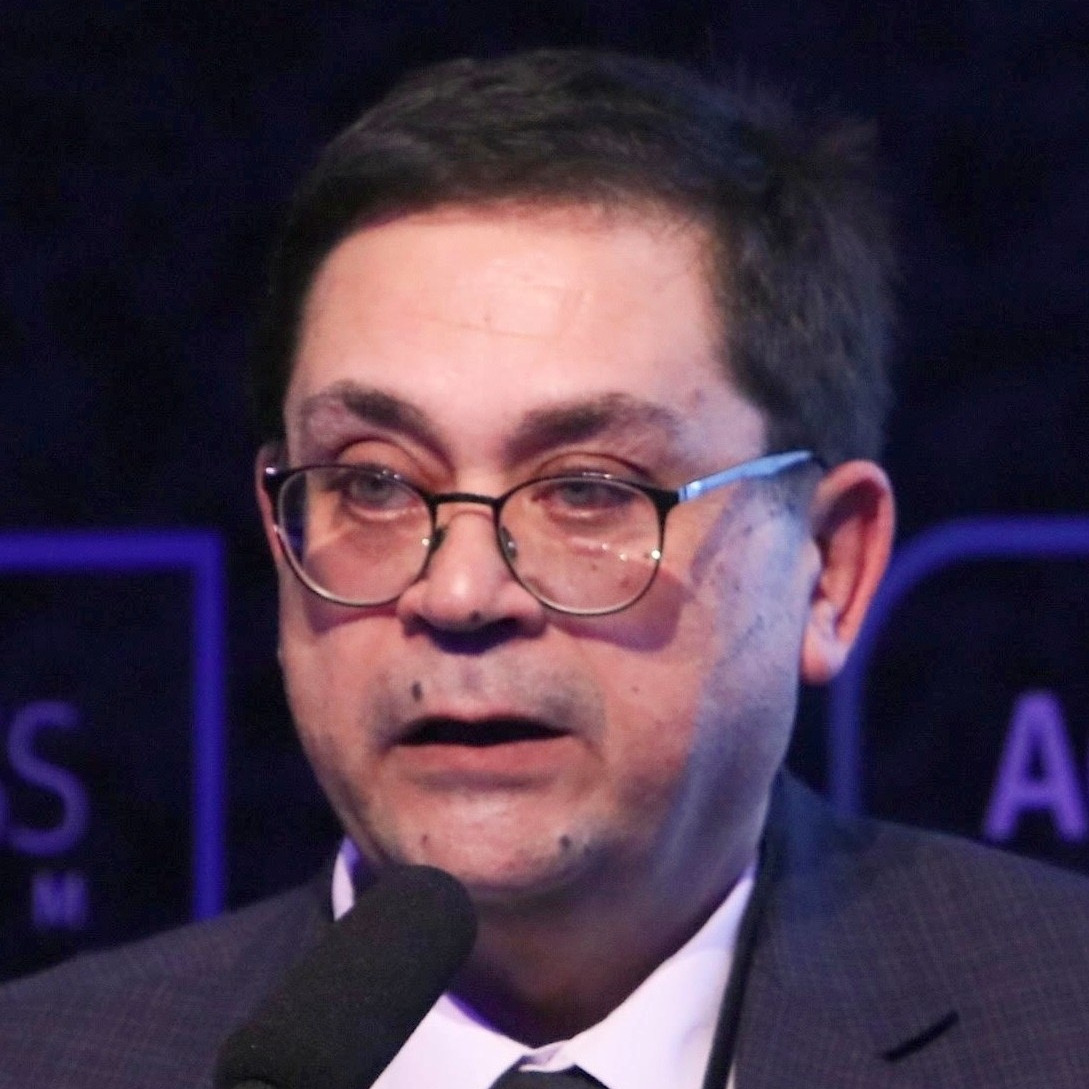
Department of Rural and Surveying Engineering, Aristotle University of Thessaloniki, Greece;

School of Rural and Surveying Engineering, Faculty of Engineering, Aristotle University of Thessaloniki, Thessaloniki, Greece;
Important Dates
21 Sep
2025
12 Oct
2025
9 Nov
2025
Meet Our Speakers
Research Centre in Environmental Science and Engineering, Politehnica University of Timisoara, Romania;Prof. Dr. Florica Manea is the Head of Research Centre in Environmental Science and Engineering from Politehnica University of Timisoara, Romania. Her scientific work has resulted in more than 175 scientific articles, 125 publications in impact factor journals, 15 national and international books/ chapters’ books and 4 national patents. Research interests: • engineering of water/wastewater treatment processes; • carbon based materials as catalyst/(electro)(photo)catalyst for environmental applications; • advanced combined oxidation processes; • innovative electrochemical hybrid processes for circular water management (electrochemical filtering systems, waste-derived contact electrocoagulation) • electrochemical sensors for environmental, food and health application.
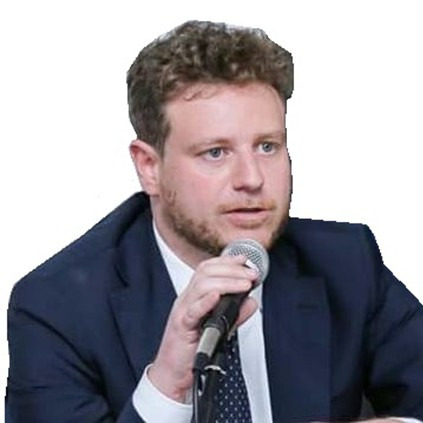
Department of Industrial Engineering (DIIN), University of Salerno, Italy;Associate Professor at the Department of Industrial Engineering (DIIN), University of Salerno (UNISA, Italy), Sabino DE GISI carries out teaching and research activities in the fields of Materials Science and Technology. He holds the courses “Technology of Applied Chemistry” and “Smart polymers and additive manufacturing” at the Chemical Engineering and Smart Industry degree courses of UNISA and is member of the board of the IETIS (Innovative Engineering Technologies for Industrial Sustainability) PhD programme. Former researcher at the Politecnico di Bari (Italy), he has expertise ranging from materials to environmental engineering. He is currently interested in technologies for recycling waste to obtain end-of-waste materials, the development of bioplastics for packaging as well as the study of the behaviour of post-consumer bioplastics, both conventional and innovative, in typical anaerobic digestion and composting plants when they are treated together with the organic fraction of municipal solid waste. In terms of cross-cutting competences, he is interested in Multi-Criteria Analysis (MCA) and Life Cycle Assessment (LCA) intended as tools to support public/private decision-makers. He is the author of more than 150 publications (102 of which are indexed on Scopus), he has more than 4500 citations in ISI-ranked journals, H-Index of 31 (www.scopus.com) and is part of the World’s Top 2% Scientists according to Stanford University for the year 2024. He has been a consultant for public and private companies operating in Italy.
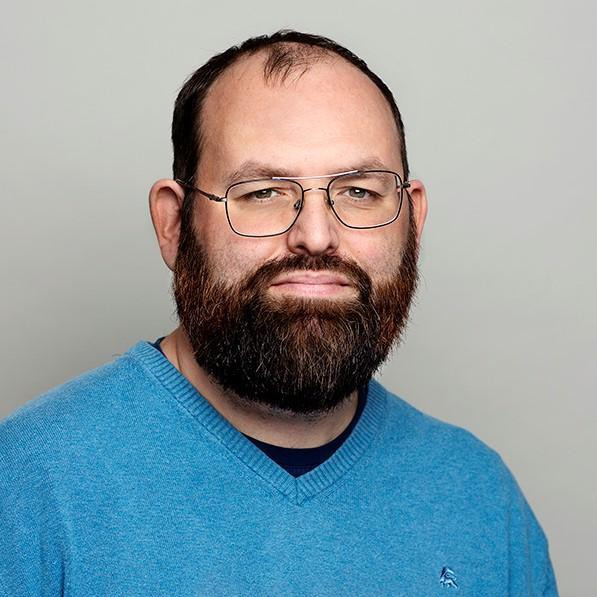
Department of Civil and Environmental Engineering Faculty of Engineering, Norwegian University of Science and Technology, Trondheim, Norway;Franz Tscheikner-Gratl has a Master in Civil Engineering (2011) and a PhD in Technical Sciences (2016) from the University of Innsbruck. After his PhD he was part of the Quantifying Uncertainty in Integrated Catchment Studies (QUICS) FP7 Marie Curie Initial Training Network (ITN) at TU Delft. In 2019 he joined the Water and Wastewater Group at NTNU. In 2013 he was awarded with the Eduard-Wallnöfer-Price of appreciation of the Tyrolean Industry and in 2016 with the Award of Excellence of the Austrian Federal Ministry of Science, Research and Economy. He is currently secretary of the working group for Urban drainage asset management (UDAM) of the Joint committee on Urban Drainage (JCUD), where he is also a part of the leadership team. Furthermore, he is an active reviewer for several scientific journals and a member of the editorial board of Urban Water Journal.
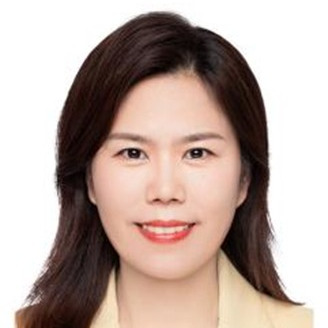
Pearl River Fisheries Research Institute, Chinese Academy of Fishery Sciences (CAFS), Guangzhou, China;Dr. Wangbao Gong is a Professor of Aquaculture at the Pearl River Fisheries Research Institute, CAFS. She serves as the Chief Scientist of the Innovation Team for Ecological Environment Regulation in Freshwater Pond Aquaculture at the CAFS. She received her Ph.D. from the Institute of Hydrobiology, Chinese Academy of Sciences, and conducted research as a Visiting Scholar at Virginia Tech, USA. Her research primarily focuses on developing biologically driven solutions for challenges related to aquaculture water and tailwater treatment, with particular emphasis on engineered biofilm systems, aerobic denitrification, biological nutrient removal, as well as the design and process control of bioreactors. By integrating microbial ecology with process innovation, her work promotes resource circularity and contributes to the sustainable development of aquaculture.
Dr. Yale Deng
Department of Veterinary Population Medicine, University of Minnesota, USA;Dr. Yale Deng earned his PhD in Aquaculture from Wageningen University in 2022. Following this, he worked as a postdoctoral researcher at the University of Minnesota until 2025. His research focuses on aquaculture wastewater treatment, microbial interactions within aquaculture systems, and the fish gut microbiota. He specializes in examining the complex interactions between the environment, hosts, and microbes, using metagenomics and bioinformatics. His work aims to reduce the environmental impact of aquaculture while optimizing the growth of aquatic animals. Dr. Deng has authored and co-authored over thirty peer-reviewed publications, which have collectively received more than 1,400 citations, as indicated by Google Scholar (h-index = 21). He has also served as a guest editor for special issues in journals such as Sustainability and Frontiers in Marine Sciences.
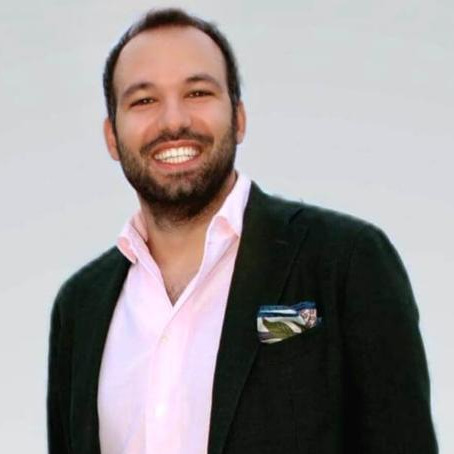
Department of Soil, Water, and Ecosystem Sciences, Institute of Food and Agricultural Sciences, University of Florida, Florida, USA;Nikolaos Tziolas is an Assistant Professor in the Department of Soil, Water, and Ecosystem Sciences at the University of Florida, where he leads the Soil Science Artificial Intelligence Laboratory. His expertise lies in soil science, Earth observation and explainable artificial intelligence, with over ten years of experience in research and innovation projects focused on developing new observational modalities for soil monitoring and decision support. He has contributed to projects on precision agriculture, land degradation neutrality, and the water–food–crop nexus. His current research emphasizes democratizing Earth Observation through AI-driven conversational platforms and decentralized systems, making geospatial intelligence more accessible to diverse stakeholders.
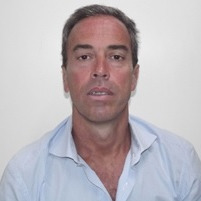
Department of Civil, Architectural and Environmental Engineering, University of Naples Federico II, Naples, Italy;Giuseppe Del Giudice is Full Professor of Hydraulic and Maritime Constructions and Hydrology at University of Naples Federico II, Italy. He earned his degree in Civil Engineering (Hydraulics) with honors in 1990 and received his PhD in Hydraulic Engineering in 1995 at the same university. His academic career has spanned over three decades, progressing from research fellow to associate professor and, since 2018, full professor. He teaches courses in aqueducts and sewer systems, water resources management, hydraulic works design, and smart energy water systems. His research focuses on hydraulic constructions, river hydraulics, water distribution networks, physical modeling of hydraulic structures, stormwater management, soil and infrastructure vulnerability, and hydraulic energy production. Prof. Del Giudice has authored numerous scientific publications and contributes actively to advancing the field of water sciences.
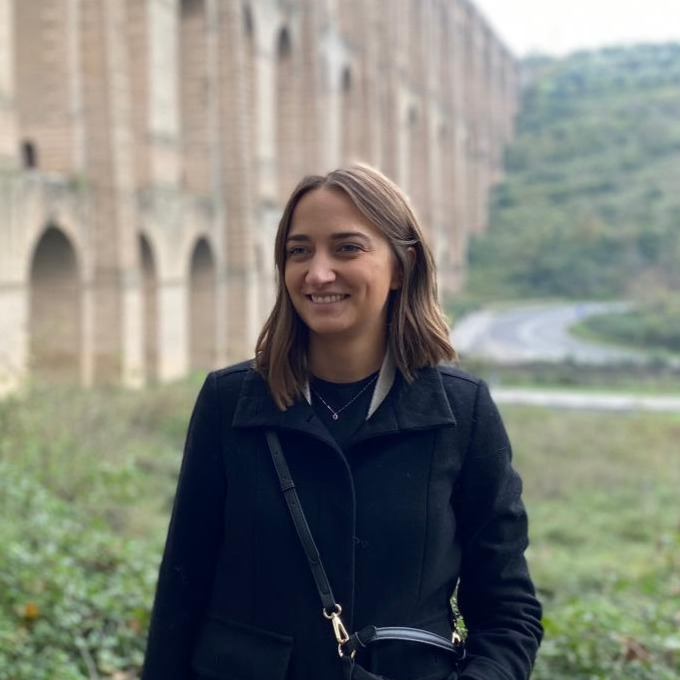
Department of Civil, Architectural and Environmental Engineering, University of Naples Federico II, Naples, Italy;Dina Pirone is a Postdoctoral Research Fellow at the University of Naples Federico II. She obtained her PhD in Civil Systems Engineering with a dissertation on probabilistic rainfall nowcasting using machine learning models. Her work initially focused on urban flooding, stormwater management, and the hydraulic performance of sewer and drainage systems. More recently, her research has expanded to groundwater vulnerability and the role of emerging contaminants in urban hydrology. She integrates hydrological modeling and data-driven approaches to better understand and mitigate the impacts of extreme hydro-meteorological events. Dina Pirone is the winner of the Hydro-Crysis prize for young researchers, awarded for excellence in hydraulic and civil engineering with particular reference to hydrogeological risk.
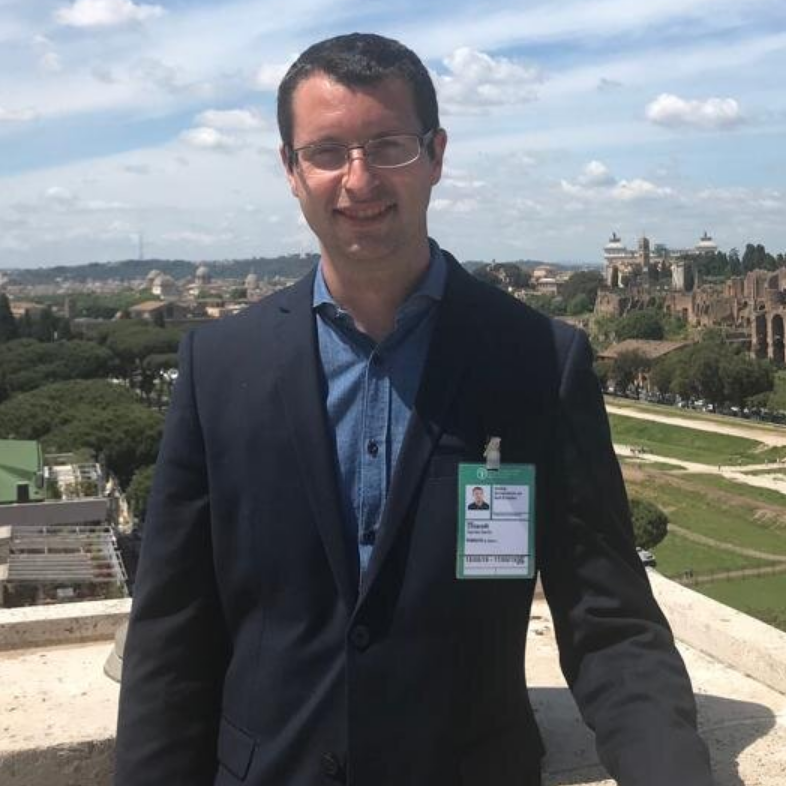
Department of Civil and Environmental Engineering, Polytechnic University of Milan, Italy;Prof. Chiarelli is a Senior Researcher (RTDB) at the Department of Civil and Environmental Engineering, Politecnico di Milano. His research focuses on hydrological modeling and its applications to water and food security assessment within a Water–Food–Energy–Ecosystem Nexus perspective. Prof. Chiarelli has contributed to the development of a spatially distributed hydrological model, WATNEEDS, designed to quantify crop water demand. Ongoing studies aim to expand the model’s functionalities to simulate innovative and sustainable agricultural systems (e.g., hydroponic farming) and alternative boundary conditions (e.g., the use of brackish water in agriculture), including climate change scenarios and adaptation strategies. The model has been applied to various case studies, enabling the analysis of water competition and Water–Energy–Food Nexus dynamics across production sectors. His work supports the identification of environmentally sustainable, co-created, and participatory solutions in line with FAO’s sustainable development guidelines. To date, Prof. Chiarelli has authored 47 peer-reviewed publications indexed in Scopus, with over 2,700 citations (H-index = 21).
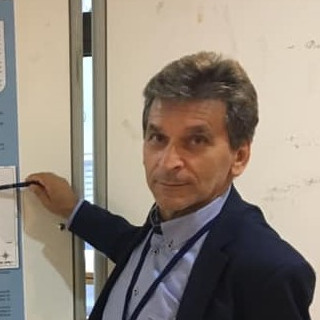
Department of Geology, Aristotle University of Thessaloniki, Greece;Dr. Konstantinos Voudouris is Professor at the Department of Geology; Director of Laboratory of Engineering Geology & Hydrogeology, Aristotle University of Thessaloniki, Greece. He received his Bachelor of Science Degree in Geology and Mathematics from the University of Patras and a PhD degree in Hydrogeology from the Department of Geology, University of Patras, Greece. His primary research interests are in Groundwater Water Quality, Field Hydrogeology, Aquifer Vulnerability to Pollution, Groundwater Management, Environmental Hydrogeology, and History of Water. He is a professional member of the International Association of Hydrogeologists, Hellenic Committee of Hydrogeology and European Water Resources Association. He has participated in a lot of European and National projects during the last years. From 2016-2021 and 2024- is the President of the Hellenic Committee of Hydrogeology (Hellenic National Chapter of International Association of Hydrogeologists, IAH) and a member of the Administration Council of UNESCO Centre (Cat. II) on Integrated and Multidisciplinary Water Resources Management. Furthermore, is Guest Professor from the University of Hubei, China (2019). He has a number of papers (220) published in the proceedings of international conferences and international scientific journals. He also published the books “Environmental Hydrogeology”, “Engineering Hydrogeology” and “Exploitation & Management of Groundwater” (in Greek) and is the editor of the books “Water Quality Monitoring and Assessment” and “Ecological Water Quality”. His published work has received more than 2600 citations in the Scopus database with an impact index h-index=30. In the years 2020, 2022 and 2024, he is included in the list of the 2% of the world's leading scientists, according to the assessment of Stanford University.
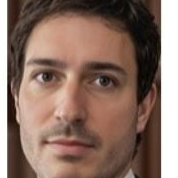
Department of Civil Engineering, Aristotle University of Thessaloniki, Greece;Dr. Manousos Valyrakis is the Associate Professor in Environmental Hydraulics, at the Department of Civil Engineering at the Aristotle University of Thessaloniki (AUTh). Dr. Valyrakis has about 2 decades experience in environmental hydraulics, and research focuses on hydro-environmental monitoring and the development of tools to safeguard infrastructure resilience to climate change and extreme hydrological events. He is the recipient of several awards and has chaired several international sessions and conferences, including River Flow 2026. He has also edited or co-edited several books, and special sessions in international journals. He has been invited to present his research on several international venues and he has authored more than 80 outputs, including many peer reviewed journal papers and invited book chapters. Currently, Dr. Valyrakis is dedicated to advancing sensor technologies to revolutionize the accuracy of flow and sediment transport measurements, as well as utilising the diverse sets of field and lab data sets for enabling modeling and prediction via novel computing methods and tools (including AI). Dr. Valyrakis has authored over 80 peer-reviewed publications, with over 2200 citations (i-index = 35) and is currently leading the above research activities at AUTh's Hydraulics Engineering Laboratory.
Sessions
Explore more details


Best Oral Presentation Awards
Authors: Danielle Rainville, Hossein Bonakdari
ID: sciforum-135918
Title: Integration of Geological and Hydrological Parameters through a Bayesian Framework to Estimate Flood Likelihood: Case Study of the Ottawa River Basin, Canada
Link: https://sciforum.net/paper/view/26231
Authors: Jingyi Wang
ID: sciforum-148579
Title: Dynamic Succession Patterns, Functional Metabolic Differentiation, and Multi-Scale Assembly Mechanisms of Multi-Media Bacterial Communities in Lakes Driven by Ice-Covered Conditions
Link: https://sciforum.net/paper/view/26207
Authors: Suyi Liu, Xin Pan, Jie Yuan, Kevin Tansey, Zi Yang, Zhanchuan Wang, Xu Ding, Yuanbo Liu, Yingbao Yang
ID: sciforum-133786
Title: A Global Terrestrial Evapotranspiration Dataset (2001-2019) Based on the Nonparametric Approach
Link: https://sciforum.net/paper/view/26423
Best Poster Awards
Authors: Theodoros Karampatakis, Effie Kostopoulou, Christos Giannakopoulos
ID: sciforum-137012
Title: Future Drought Variability in Greece: A Regional Assessment Based on PCA-Derived Spatial Patterns
Link: https://sciforum.net/paper/view/26300
Authors: Duban A. Paternina-Verona, Fernando J. Quintero-Vásquez, Oscar E. Coronado-Hernández, Helena M. Ramos
ID: sciforum-129442
Title: Transformer Linear Regression Algorithm for Predicting Maximum Air Pocket Pressure in Water Pipelines
Link: https://sciforum.net/paper/view/26425
Authors: Kosmas Lalas, Alexandra Ioannidi, Giorgos Louka, Konstantinos Kalogiannis, Maria Antonopoulou, Zacharias Frontistis
ID: sciforum-137011
Title: Solar-activated persulfate degradation of bisphenol-S: Kinetics in laboratory and pilot scale, transformation products and phytotoxicity
Link: https://sciforum.net/paper/view/26323
ECWS-9 Day 1
Session 5. Extreme Hydro-meteorological Events: Sources, Mitigation and Adaptation
Session 8. Wastewater Treatment and Reuse
ECWS-9 Day 2
Session 3. River, Lake and Groundwater Hydraulics, Quality and Vulnerability
Session 2. Urban Water Modelling and Management
ECWS-9 Day 3
Session 4. Water Resources Management, Policy and Governance
Session 1. Hydrological Processes and Modelling
ECWS-9 Day 4
Session 6. Ecohydrological Approaches and Ecosystems Conservancy
Session 7. Remote Sensing, Artificial Intelligence and New Technologies in Water Sciences
ECWS-9 Day 4 (Parallel Session)
Session 9. Agricultural Water Systems
Ass. Prof. Pantelis Sidiropoulos
Ms. Ann Li
Mr. Russell Wang
Ms. Chloe Lv
Email: ecws@mdpi.com
For inquiries regarding submissions and sponsorship opportunities, please feel free to contact us.