Medical Sciences Webinar丨Control of Oxygen Therapy
the chair
2nd Webinar on Medical Sciences
Control of Oxygen Therapy
Administration of oxygen for acute or chronic respiratory failure is one of the most frequent interventions in clinical medicine. The variety of settings in which these interventions are used includes critical care, hospital ward, emergency department, preoperative and post-operative settings, and at home in chronic respiratory diseases such as COPD and sleep apnea. The monitoring of oxygen administration is still based on clinical signs and symptoms plus oxygen saturation (SaO₂). One of the problems of this practice is that in many occasions it is not continuous, especially outside of the critical care arena. For that reason, corrections in oxygen administration are not done early. This may be followed by complications such as arrhythmias, patient discomfort, and chronic or acute lung and other organ complications. New options for monitoring comprise automatic and continuous systems that increase or decrease oxygen flow administration immediately. These systems are triggered by artificial intelligence. In this webinar, we will discuss both the complications of standard monitoring of oxygen therapy and the advantages and protective effects of immediate continuous monitoring followed by oxygen administration corrections.
Date: 17 June 2026
Time: 5:00 pm CEST | 11:00 am EDT
Webinar ID: 881 7665 0833
Webinar Secretariat: journal.webinar@mdpi.com
Meet Our Chair
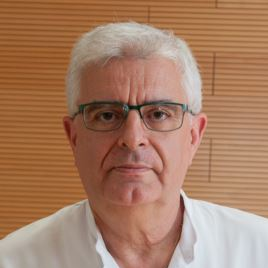
Institut D investigacions August Pi I Sunyer (IDIBAPS), Department of Pulmonology, Hospital Clinic de Barcelona, Universidad de Barcelona, 08036 Barcelona, Spain;Centro de Investigación Biomédica en Red en Enfermedades Respiratorias (CIBERES), Instituto de Salud Carlos III, 28029 Madrid, Spain;Editor in Chief of Medical Sciences, Chief Editor of Seminars of Respiratory Critical Care Medicine . Associate Editor of European Respiratory Diseases
In this section, you will find the recordings of this webinar to watch, re-watch and share with your colleagues!
Meet Our Speakers
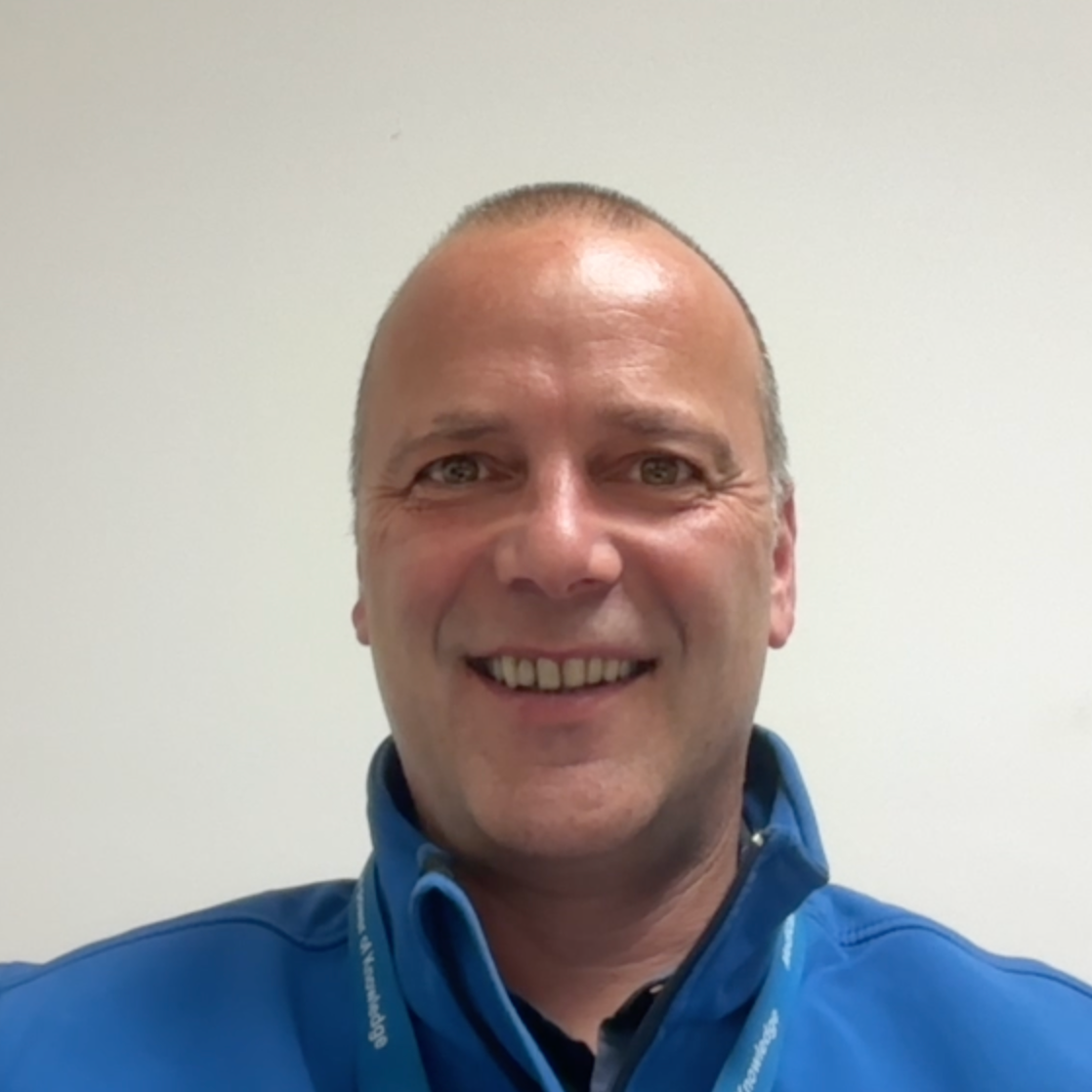
Dr. Carlos Ferrando
Chief of Section of the post-surgical ICU. Hospital Clinic of Barcelona;Chief of Surgical and Trauma ICU, Hospital Clinic de Barcelona, Former editor in chief of Spanish Journal of Anesthesiology and Resuscitation
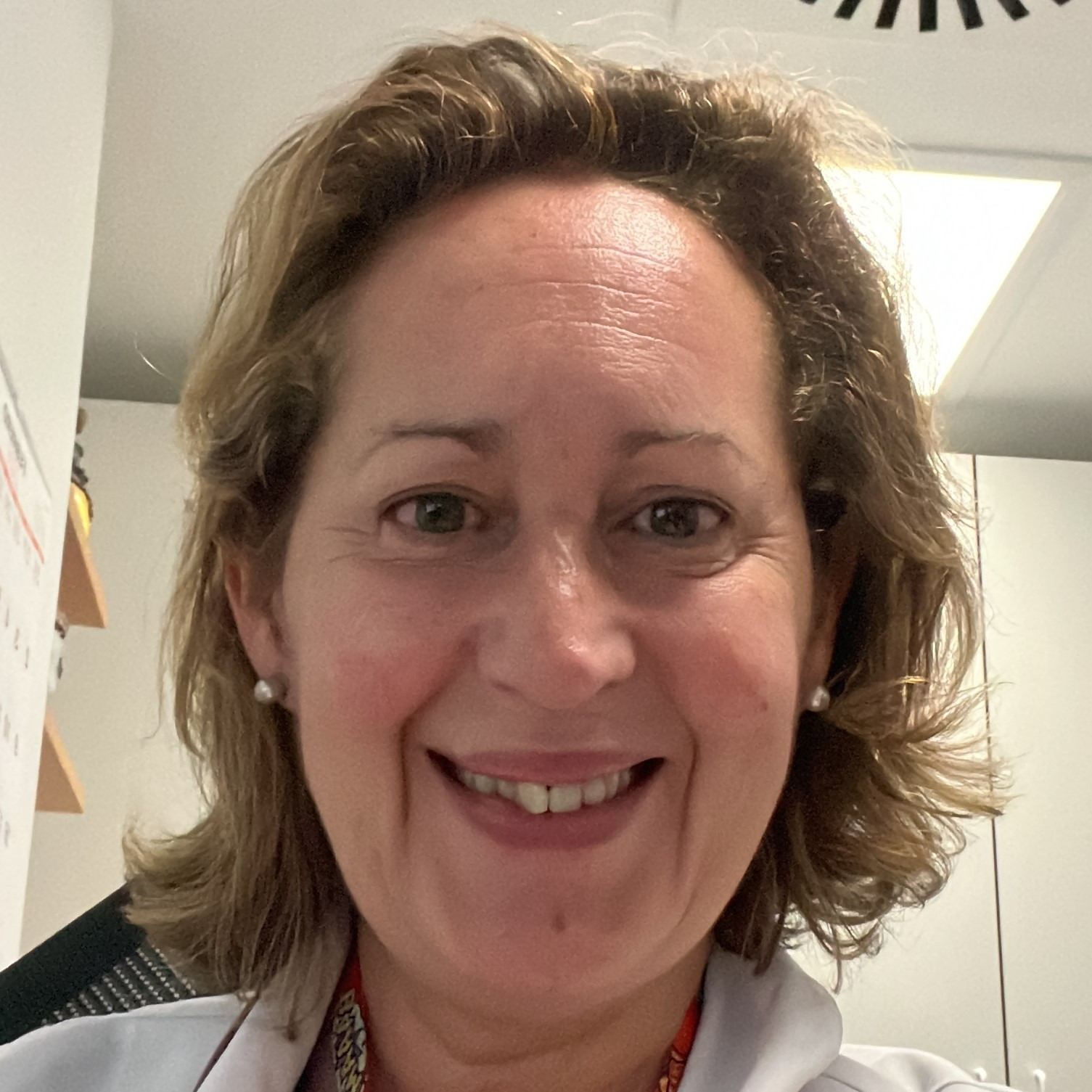
Head of Intermediate Respiratory Care Unit, IIS-Jiménez Díaz Foundation University Hospital Quirón Salud, CIBERES, Spanish Research Center for Respiratory Diseases, Madrid, Spain, REVA Network Paris (France) Innovation Director In SEPAR (Spanish Society of Pulmonology and Thoracic Surgery). Associate Professor of Medicine in UAX and UAM university;Pulmonologist with extensive clinical, research, and teaching experience, currently Associate Head of the pulmonology department and Head of the Respiratory Intermediate Unit at the Jiménez Díaz Foundation. PhD (with honors), international training (MIT, Harvard, Georgetown) and experience in France where she completed her subspecialty in respiratory resuscitation. Diploma in Theoretical Physics from Paris Saclay. Leading researcher in pulmonary pathophysiology, advanced monitoring, and artificial intelligence applications, with patents and numerous active projects.