
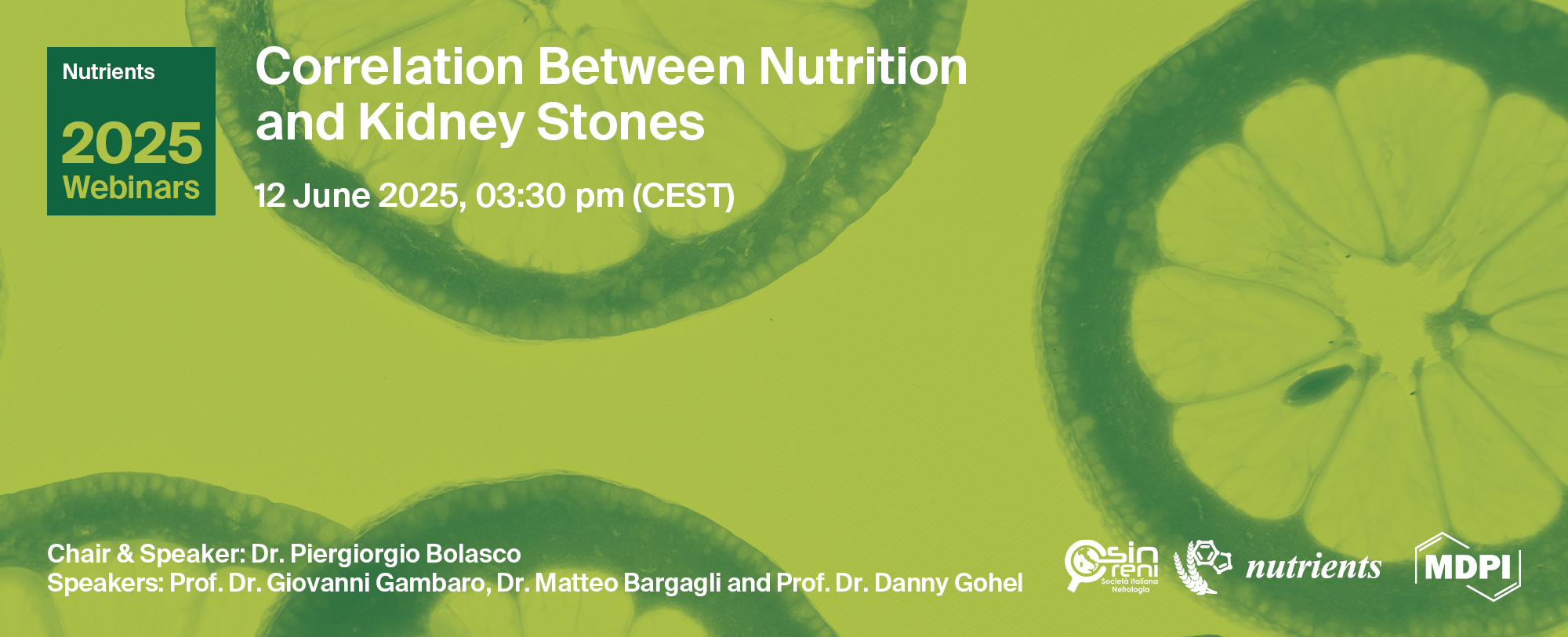
Nutrients Webinar | Correlation Between Nutrition and Kidney Stones
the chair
17th Nutrients Webinar
Correlation Between Nutrition and Kidney Stones
Eating habits can have a particularly strong influence on the incidence of various types of kidney stones, especially in patients referred to as “Frequent Kidney Stone Formers”. Epigenetics negatively amplifies and facilitates the serial formation of new kidney stones and the growth of pre-existing ones. The prevention, treatment and diagnosis path for nephrolithiasis cannot therefore be considered a 360-degree assessment if the nephrologist or urologist does not consider eating habits when establishing a tailored personalized eating plans dependent on the type of diagnosed stones. Nutrition is influenced by numerous factors: excessive and incongruous habits nutrition; food heritage in different parts of the world from the West to the East; the diet "segregation" of some populations in isolated geographical areas, even in the urban context alone due to the growth of areas of immigrant populations in cities and metropolises; the economic conditions of the affected subjects; the laboratory methods used; and lastly the ubiquitous and not particularly regulated use (in terms of quality and quantity) of foods with short/medium/long shelf lives that can influence intestinal absorption and renal load, thus contaminating the laboratory results necessary for a precise diagnosis. This webinar thus aims to focus on and deepen the understanding of these aspects toward breaking the mechanisms underlying the recurrent formation of crystals and litholites.
Date: 12 June 2025
Time: 3:30 pm CEST | 9:30 am EDT | 9:30 pm CST Asia
Webinar ID: 862 8062 9256
Webinar Secretariat: journal.webinar@mdpi.com
Meet Our Chair
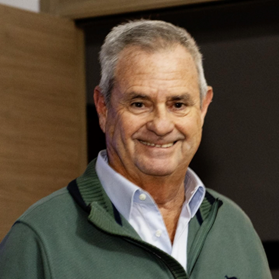
Chronic Kidney Insufficiency Research Group, Italian Society of Nephrology, Rome, Italy;Kidney Stones Pathologies Research Group, Italian Society of Nephrology, Rome, Italy;Piergiorgio Bolasco, MD, graduated in Nephrology and Anaesthesiology and Intensive Care. For 20 years, he was the Director of the Nephrology and Dialysis of Local Health Department in Cagliari, where he gained important technological and clinical experience in clinical haemodialysis and dialysis equipment, as well as in the biopsy and diagnosis of glomerulonephritis. Since the late 1970s, he has gained important experience in the field of nutrition in renal diseases, participating in numerous national and international congresses, and became a member of the Conservative and Nutritional Therapy Study Group of the Italian Society of Nephrology. In 2017, he specialized in the field of Kidney Nephrolithiasis becoming a member of the Nephrolithiasis Study Group of the Italian Society of Nephrology. He is now Director of the Private Treatment Centre for the Prevention and Care of Kidney Stones and Chronic Kidney Failure in Cagliari (Italy). Piergiorgio has received national recognition as an Associate Professor in Nephrology and Food Science. He is a reviewer for international journals: Kidney International, Nephron, Nephrology Dialysis and Transplantation, Journal of Nephrology, American Journal of Kidney Disease, Artificial Organs. He is also a Member of the Editorial Board of the Italian Journal of Nephrology, International Journal of Artificial Organs, and Journal of Renal Nutrition. Piergiorgio is an Academic Editor for the journal Nutrients. He is the author of a hundred publications in national and international journals that can be found in PubMed and Cochrane.
Meet Our Speakers

Nephrology Unit, University of Verona, 37134 Verona, Italy;Giovanni Gambaro, MD, PhD, FERA (born 14/Nov/1954) Giovanni is a Full Professor of Nephrology at the University of Verona, Italy. He is an Ordinary Council Member of the European Renal Association (ERA), and Past-Chair of the Italian College of Academic Nephrologists. • 2018–Now: Director of the Division of Nephrology and Dialysis, AOVR and University of Verona; • 2008–2018: Director of the Division of Nephrology and Dialysis, of the Rare Renal Disease Unit and of the Dept of Rheumatology, Dermatology, Immunity and Allergy, Nephrology, Urology and Renal Transplantation, Policlinico Agostino Gemelli, Catholic University (UCSC), Roma, Italy. He is the author of 516 papers published in international journals, with an H-Index of 63 (Scopus, total citations 18391). • 2020–Now: Member of the Writing Panel of EAU (European Association of Urology) Guidelines on Urolithiasis. He is Past-Editor-in-Chief of the Journal of Nephrology and Giornale Italiano di Nefrologia. Main scientific interests: Nephrolithiasis, CKD, extracellular matrix.
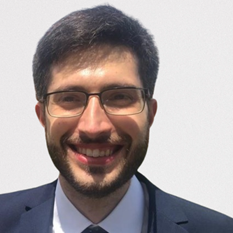
Dr. Matteo Bargagli
Department of Nephrology and Hypertension, Inselspital, Bern University Hospital, University of Bern, Bern, Switzerland;Matteo Bargagli is an MD, PhD, specializing in nephrology with a strong interest and experience in the field of nephrolithiasis, rare kidney diseases and autosomal dominant polycystic kidney disease. He received his medical degree in 2013 from Sapienza Università in Rome and went on to specialize in nephrology in 2019 at the Università Cattolica del Sacro Cuore, Rome. In 2023, Dr. Bargagli received a PhD in experimental and translational medicine at the same university. He is currently working as Attending Physician in nephrology and as post-doctoral fellow in the research group of Daniel Fuster at the University of Bern, Switzerland. Dr. Bargagli is an expert biostatistician and has made significant contributions to the field through his research and indexed publications in collaboration with Prof. Manuel Ferraro and Prof. Daniel Fuster.

Prof. Dr. Danny Gohel
School of Medical and Health Sciences, Tung Wah College, Hong Kong;Prof. Danny Gohel completed his Clinical Chemistry degree in USA and obtained his PhD at the University of Hong Kong. He is currently the Professor of Biomedical Sciences and Director of the Division of Science at the Tung Wah College, Hong Kong. Teaching, research expertise and interests Clinical biochemistry; immunology; environmental health; bladder cancer—pathobiology; glycosaminoglycans; nano-magnetic particles; rare cell isolation; renal stone disease—biochemical and nutritional aspects; toxicology; Traditional Chinese Medicine—therapeutic evidence. Research-related prizes and awards 2019 Research Excellence Award, Tung Wah College, Hong Kong. 2018 Best Poster Award in 2018, 38th Congress of the Societe International d’Urologie, 4–7 October 2018, Seoul, South Korea. 2006 Gold Medal for “Smart Wristband for Sleep Apnea” in 2006, International Trade Fair Ideas, Inventions and Novelties (IENA), Nuremberg, Germany



Nutrition Approach in Kidney Stone Diseases
Guest Editor: Dr. Piergiorgio Bolasco
Deadline for manuscript submissions: 5 November 2025