Event submissions
EventsThe 3rd International Electronic Conference on Forests — Exploring New Discoveries and New Directions in Forests
Published

This submission belongs to the session S1. Forest Ecology and Management of the event The 3rd International Electronic Conference on Forests — Exploring New Discoveries and New Directions in Forests
Published date
17 Oct, 2022
Academic Editor
'%3e%3cpath%20d='M12.6657%2010.9104C12.4185%2010.325%2012.0599%209.79327%2011.6097%209.34482C11.1609%208.89508%2010.6293%208.5365%2010.0442%208.28888C10.0389%208.28626%2010.0337%208.28495%2010.0285%208.28233C10.8446%207.69279%2011.3752%206.73249%2011.3752%205.64904C11.3752%203.8542%209.92103%202.39999%208.1262%202.39999C6.33136%202.39999%204.87715%203.8542%204.87715%205.64904C4.87715%206.73249%205.40774%207.69279%206.22393%208.28364C6.21869%208.28626%206.21345%208.28757%206.20821%208.29019C5.62129%208.5378%205.09463%208.89284%204.64265%209.34613C4.1929%209.79493%203.83432%2010.3266%203.58671%2010.9117C3.34345%2011.4845%203.21226%2012.0987%203.20023%2012.7209C3.19988%2012.7349%203.20233%2012.7488%203.20744%2012.7619C3.21255%2012.7749%203.22022%2012.7867%203.22998%2012.7968C3.23975%2012.8068%203.25142%2012.8147%203.26431%2012.8202C3.2772%2012.8256%203.29105%2012.8284%203.30504%2012.8284H4.09109C4.14874%2012.8284%204.19459%2012.7825%204.1959%2012.7262C4.2221%2011.7148%204.62823%2010.7676%205.34617%2010.0497C6.08899%209.30683%207.0755%208.89808%208.1262%208.89808C9.17689%208.89808%2010.1634%209.30683%2010.9062%2010.0497C11.6242%2010.7676%2012.0303%2011.7148%2012.0565%2012.7262C12.0578%2012.7838%2012.1037%2012.8284%2012.1613%2012.8284H12.9474C12.9613%2012.8284%2012.9752%2012.8256%2012.9881%2012.8202C13.001%2012.8147%2013.0126%2012.8068%2013.0224%2012.7968C13.0322%2012.7867%2013.0398%2012.7749%2013.0449%2012.7619C13.0501%2012.7488%2013.0525%2012.7349%2013.0522%2012.7209C13.0391%2012.0947%2012.9094%2011.4855%2012.6657%2010.9104ZM8.1262%207.9024C7.52486%207.9024%206.9589%207.6679%206.53312%207.24211C6.10733%206.81633%205.87283%206.25037%205.87283%205.64904C5.87283%205.0477%206.10733%204.48174%206.53312%204.05596C6.9589%203.63018%207.52486%203.39567%208.1262%203.39567C8.72753%203.39567%209.29349%203.63018%209.71927%204.05596C10.1451%204.48174%2010.3796%205.0477%2010.3796%205.64904C10.3796%206.25037%2010.1451%206.81633%209.71927%207.24211C9.29349%207.6679%208.72753%207.9024%208.1262%207.9024Z'%20fill='%235D1EE1'/%3e%3c/g%3e%3c/svg%3e) Rodolfo Picchio
Rodolfo PicchioCitation
Rodney Arthur Savidge, Climate change, forest mortality and the need for a solid scientific foundation in forestry, in Proceedings of The 3rd International Electronic Conference on Forests — Exploring New Discoveries and New Directions in Forests, 15 October–31 October 2022, MDPI: Basel, Switzerland, doi: 10.3390/IECF2022-13072
Share
Email
Facebook
Twitter
LinkedIn
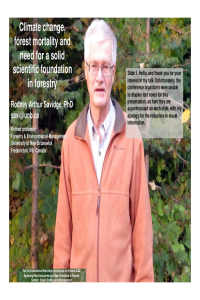
Climate change, forest mortality and the need for a solid scientific foundation in forestry
'%3e%3cpath%20d='M12.6647%2010.9104C12.4176%2010.325%2012.0589%209.7933%2011.6088%209.34485C11.16%208.89511%2010.6283%208.53653%2010.0432%208.28891C10.038%208.28629%2010.0327%208.28498%2010.0275%208.28236C10.8437%207.69282%2011.3743%206.73252%2011.3743%205.64907C11.3743%203.85423%209.92005%202.40002%208.12522%202.40002C6.33038%202.40002%204.87618%203.85423%204.87618%205.64907C4.87618%206.73252%205.40677%207.69282%206.22296%208.28367C6.21772%208.28629%206.21248%208.2876%206.20724%208.29022C5.62031%208.53783%205.09365%208.89287%204.64167%209.34616C4.19192%209.79496%203.83334%2010.3266%203.58573%2010.9117C3.34247%2011.4846%203.21128%2012.0987%203.19925%2012.721C3.1989%2012.735%203.20135%2012.7489%203.20646%2012.7619C3.21157%2012.7749%203.21924%2012.7868%203.22901%2012.7968C3.23877%2012.8068%203.25045%2012.8148%203.26334%2012.8202C3.27623%2012.8256%203.29007%2012.8284%203.30406%2012.8284H4.09012C4.14776%2012.8284%204.19362%2012.7825%204.19493%2012.7262C4.22113%2011.7148%204.62726%2010.7676%205.34519%2010.0497C6.08802%209.30686%207.07452%208.89811%208.12522%208.89811C9.17592%208.89811%2010.1624%209.30686%2010.9052%2010.0497C11.6232%2010.7676%2012.0293%2011.7148%2012.0555%2012.7262C12.0568%2012.7839%2012.1027%2012.8284%2012.1603%2012.8284H12.9464C12.9604%2012.8284%2012.9742%2012.8256%2012.9871%2012.8202C13%2012.8148%2013.0117%2012.8068%2013.0214%2012.7968C13.0312%2012.7868%2013.0389%2012.7749%2013.044%2012.7619C13.0491%2012.7489%2013.0515%2012.735%2013.0512%2012.721C13.0381%2012.0947%2012.9084%2011.4856%2012.6647%2010.9104ZM8.12522%207.90243C7.52388%207.90243%206.95792%207.66793%206.53214%207.24215C6.10636%206.81636%205.87185%206.2504%205.87185%205.64907C5.87185%205.04773%206.10636%204.48177%206.53214%204.05599C6.95792%203.63021%207.52388%203.3957%208.12522%203.3957C8.72655%203.3957%209.29252%203.63021%209.7183%204.05599C10.1441%204.48177%2010.3786%205.04773%2010.3786%205.64907C10.3786%206.2504%2010.1441%206.81636%209.7183%207.24215C9.29252%207.66793%208.72655%207.90243%208.12522%207.90243Z'%20fill='%235D1EE1'/%3e%3c/g%3e%3c/svg%3e)
Rodney Arthur Savidge 1,2
1. University of New Brunswick (retired)
2. Natural Forest Care Canada
Abstract
The fossil record allows the inference that the intrinsic attributes engendering survival of wild forest trees originated over millions of years of natural selection following physical, chemical and biological tests. Current thinking is that tolerance of, hence survival in, ever-changing environments is a physiological attribute influenced by both synecological associations and autecological changes. However, in terms of genetics and biochemistry, the fundamental basis for survival fitness remains incompletely known.
In association with the rapid rate of global climate change, there are now increasing incidents of forest mortality. Global sustainability of healthy forests requires ongoing survival fitness of forest organisms, in particular that of trees. Over the last century, tree-improvement programs selected and crossed individual mother trees having desired traits, to produce seed orchards and clones for reforestation/afforestation and related purposes. However, selections of preferred genotypes were based on their growth performance under earlier environmental conditions, and cultivars were selected mainly on the basis of commercial attributes rather than on their ability to survive extreme events. Consequently, the possibility exists that survival fitness of preferred cultivars and their progeny has been compromised, relative to wild types. The needed research remains to be done, but a solid scientific foundation to manage future forests is clearly lacking at present. This presentation reviews the current state of knowledge about these concerns and suggests future research priorities. The limits of tolerance of trees to unpredictable extreme events can begin to be estimated by subjecting seedlings to controlled environmental tests.
Keywords
autecology
climate change
forest health
forest mortality
physiology
population genetics
survival fitness
synecology
tolerance
Manuscript
sciforum-061771.pdf
Poster
SAVIDGE_RestructuredSlidePresentation.pdf
A preparation method of softwood lignin derivatives: US9347177B2 patent evaluation
Application of Tasseled Cap Transformation of Sentinel-2 - MSI Data for Forest Monitoring and Change Detection on territory of Natural Park "BLUE STONES"