Event submissions
Published

This submission belongs to the session S1. Environmental and Green Processes of the event The 2nd International Electronic Conference on Processes
Published date
31 May, 2023
Academic Editor
'%3e%3cpath%20d='M12.6657%2010.9104C12.4185%2010.325%2012.0599%209.79327%2011.6097%209.34482C11.1609%208.89508%2010.6293%208.5365%2010.0442%208.28888C10.0389%208.28626%2010.0337%208.28495%2010.0285%208.28233C10.8446%207.69279%2011.3752%206.73249%2011.3752%205.64904C11.3752%203.8542%209.92103%202.39999%208.1262%202.39999C6.33136%202.39999%204.87715%203.8542%204.87715%205.64904C4.87715%206.73249%205.40774%207.69279%206.22393%208.28364C6.21869%208.28626%206.21345%208.28757%206.20821%208.29019C5.62129%208.5378%205.09463%208.89284%204.64265%209.34613C4.1929%209.79493%203.83432%2010.3266%203.58671%2010.9117C3.34345%2011.4845%203.21226%2012.0987%203.20023%2012.7209C3.19988%2012.7349%203.20233%2012.7488%203.20744%2012.7619C3.21255%2012.7749%203.22022%2012.7867%203.22998%2012.7968C3.23975%2012.8068%203.25142%2012.8147%203.26431%2012.8202C3.2772%2012.8256%203.29105%2012.8284%203.30504%2012.8284H4.09109C4.14874%2012.8284%204.19459%2012.7825%204.1959%2012.7262C4.2221%2011.7148%204.62823%2010.7676%205.34617%2010.0497C6.08899%209.30683%207.0755%208.89808%208.1262%208.89808C9.17689%208.89808%2010.1634%209.30683%2010.9062%2010.0497C11.6242%2010.7676%2012.0303%2011.7148%2012.0565%2012.7262C12.0578%2012.7838%2012.1037%2012.8284%2012.1613%2012.8284H12.9474C12.9613%2012.8284%2012.9752%2012.8256%2012.9881%2012.8202C13.001%2012.8147%2013.0126%2012.8068%2013.0224%2012.7968C13.0322%2012.7867%2013.0398%2012.7749%2013.0449%2012.7619C13.0501%2012.7488%2013.0525%2012.7349%2013.0522%2012.7209C13.0391%2012.0947%2012.9094%2011.4855%2012.6657%2010.9104ZM8.1262%207.9024C7.52486%207.9024%206.9589%207.6679%206.53312%207.24211C6.10733%206.81633%205.87283%206.25037%205.87283%205.64904C5.87283%205.0477%206.10733%204.48174%206.53312%204.05596C6.9589%203.63018%207.52486%203.39567%208.1262%203.39567C8.72753%203.39567%209.29349%203.63018%209.71927%204.05596C10.1451%204.48174%2010.3796%205.0477%2010.3796%205.64904C10.3796%206.25037%2010.1451%206.81633%209.71927%207.24211C9.29349%207.6679%208.72753%207.9024%208.1262%207.9024Z'%20fill='%235D1EE1'/%3e%3c/g%3e%3c/svg%3e) Antoni Sánchez
Antoni SánchezCitation
Vilma Naujokienė, Edmundas Stankevičius, Egidijus Šarauskis, The effect of homogenized biosolution allocation in the digestate on reducing ammonia emissions, in Proceedings of The 2nd International Electronic Conference on Processes, 17 May–31 May 2023, MDPI: Basel, Switzerland, doi: 10.3390/ECP2023-14742
Share
Email
Facebook
Twitter
LinkedIn
The effect of homogenized biosolution allocation in the digestate on reducing ammonia emissions

Vilma Naujokienė 1
'%3e%3cpath%20d='M12.6647%2010.9104C12.4176%2010.325%2012.0589%209.7933%2011.6088%209.34485C11.16%208.89511%2010.6283%208.53653%2010.0432%208.28891C10.038%208.28629%2010.0327%208.28498%2010.0275%208.28236C10.8437%207.69282%2011.3743%206.73252%2011.3743%205.64907C11.3743%203.85423%209.92005%202.40002%208.12522%202.40002C6.33038%202.40002%204.87618%203.85423%204.87618%205.64907C4.87618%206.73252%205.40677%207.69282%206.22296%208.28367C6.21772%208.28629%206.21248%208.2876%206.20724%208.29022C5.62031%208.53783%205.09365%208.89287%204.64167%209.34616C4.19192%209.79496%203.83334%2010.3266%203.58573%2010.9117C3.34247%2011.4846%203.21128%2012.0987%203.19925%2012.721C3.1989%2012.735%203.20135%2012.7489%203.20646%2012.7619C3.21157%2012.7749%203.21924%2012.7868%203.22901%2012.7968C3.23877%2012.8068%203.25045%2012.8148%203.26334%2012.8202C3.27623%2012.8256%203.29007%2012.8284%203.30406%2012.8284H4.09012C4.14776%2012.8284%204.19362%2012.7825%204.19493%2012.7262C4.22113%2011.7148%204.62726%2010.7676%205.34519%2010.0497C6.08802%209.30686%207.07452%208.89811%208.12522%208.89811C9.17592%208.89811%2010.1624%209.30686%2010.9052%2010.0497C11.6232%2010.7676%2012.0293%2011.7148%2012.0555%2012.7262C12.0568%2012.7839%2012.1027%2012.8284%2012.1603%2012.8284H12.9464C12.9604%2012.8284%2012.9742%2012.8256%2012.9871%2012.8202C13%2012.8148%2013.0117%2012.8068%2013.0214%2012.7968C13.0312%2012.7868%2013.0389%2012.7749%2013.044%2012.7619C13.0491%2012.7489%2013.0515%2012.735%2013.0512%2012.721C13.0381%2012.0947%2012.9084%2011.4856%2012.6647%2010.9104ZM8.12522%207.90243C7.52388%207.90243%206.95792%207.66793%206.53214%207.24215C6.10636%206.81636%205.87185%206.2504%205.87185%205.64907C5.87185%205.04773%206.10636%204.48177%206.53214%204.05599C6.95792%203.63021%207.52388%203.3957%208.12522%203.3957C8.72655%203.3957%209.29252%203.63021%209.7183%204.05599C10.1441%204.48177%2010.3786%205.04773%2010.3786%205.64907C10.3786%206.2504%2010.1441%206.81636%209.7183%207.24215C9.29252%207.66793%208.72655%207.90243%208.12522%207.90243Z'%20fill='%235D1EE1'/%3e%3c/g%3e%3c/svg%3e)
Edmundas Stankevičius 2
Egidijus Šarauskis 1
1. Vytautas Magnus university
2. UAB “Grynas Baltija”
Abstract
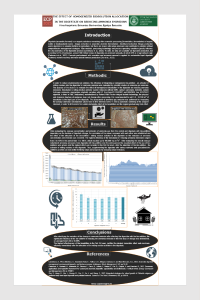
Digestate (anaerobic ferment) is an organic substance remaining after anaerobic processing (fermentation, fermentation) of organic matter or biodegradable waste - biogas extraction or anaerobic alcoholic fermentation - bioethanol extraction. Biogas production waste digestate is a valuable fertilizer in agriculture, but there are issues with odor emissions. Therefore, in order to reduce environmental air pollution, the efficiency of integrating a homogenized bio-additive - an activator of rotting residues into the digestate for ammonia emission was evaluated by scientific studies of ammonia gas emission. The purpose of the study is to evaluate the effect of homogenized bioadditive in the digestate on reducing ammonia emissions. Biosolution is rotting residue activator (carrier molasses without GMO, calcium carbonate, dolomite, sodium hydrogen carbonate, magnesium sulphate) complies with EC Eco-BasisVO 834/2007 and 889/2008, has ECOCERT approval, is listed in FiBL Switzerland, manufactured by Roland With Plocher integral technik technology, the physical and chemical structure of molasses does not change after processing. It is recommended to add 1.5 - 2 l/100 m3 of biosolution to the liquid part of the digestate. The assessment of ammonia gas emission was performed by measuring the average ammonia concentration values fixed in time intervals every 15 min by automatic switching of the analyzer channels, in order to first assess the sudden immediate effect of the bioadditive and the regular gradual long-term effect. After evaluating the average concentration and emission of ammonia gas from the control and digestate with bio-additives depending on the duration of digestate storage, the correlation of the values compared with each other was established and the effect of the allocation of the bio-additive - rotting residue activator in the digestate on the reduction of ammonia concentration and emission was recorded. The highest efficiency of the bioadditive in reducing ammonia emissions ranged from 3 to 43% in the period from 1 to 100 h, which reached up to 450,000 mg m-2h-1. After evaluating the overall average reduction of ammonia emissions from digestate with bio-additive over the entire period, the essential effect of the use of bio-additives was proven and the highest effect was recorded in the first 24 hours. after the allocation of the bio-additive - the activator of rotting residues in the digestate. Thus, supplementing the digestate with various nutrients and specialized bio-additives provides an even better fertilizing value and prospects for reducing odour emissions.
Keywords
NH3
bioenergy waste
emission
fertilizer
biopreparation
Manuscript
sciforum-071050.pdf
Poster
Poster_digestate.pdf
SIMULATION OF 1-D SOLUTE TRANSPORT WITH EQUILIBRIUM-CONTROLLED NON-LINEAR SORPTION USING MT3DMS
Semi-Empirical Modelling for Dissolution of Calcium from Ironmaking Slag in Ammonium Acetate for CO2 Utilisation