Event submissions
Published
This submission belongs to the session S4. Food Microbiology of the event The 5th International Electronic Conference on Foods
Published date
25 Oct, 2024
Academic Editor
'%3e%3cpath%20d='M12.6657%2010.9104C12.4185%2010.325%2012.0599%209.79327%2011.6097%209.34482C11.1609%208.89508%2010.6293%208.5365%2010.0442%208.28888C10.0389%208.28626%2010.0337%208.28495%2010.0285%208.28233C10.8446%207.69279%2011.3752%206.73249%2011.3752%205.64904C11.3752%203.8542%209.92103%202.39999%208.1262%202.39999C6.33136%202.39999%204.87715%203.8542%204.87715%205.64904C4.87715%206.73249%205.40774%207.69279%206.22393%208.28364C6.21869%208.28626%206.21345%208.28757%206.20821%208.29019C5.62129%208.5378%205.09463%208.89284%204.64265%209.34613C4.1929%209.79493%203.83432%2010.3266%203.58671%2010.9117C3.34345%2011.4845%203.21226%2012.0987%203.20023%2012.7209C3.19988%2012.7349%203.20233%2012.7488%203.20744%2012.7619C3.21255%2012.7749%203.22022%2012.7867%203.22998%2012.7968C3.23975%2012.8068%203.25142%2012.8147%203.26431%2012.8202C3.2772%2012.8256%203.29105%2012.8284%203.30504%2012.8284H4.09109C4.14874%2012.8284%204.19459%2012.7825%204.1959%2012.7262C4.2221%2011.7148%204.62823%2010.7676%205.34617%2010.0497C6.08899%209.30683%207.0755%208.89808%208.1262%208.89808C9.17689%208.89808%2010.1634%209.30683%2010.9062%2010.0497C11.6242%2010.7676%2012.0303%2011.7148%2012.0565%2012.7262C12.0578%2012.7838%2012.1037%2012.8284%2012.1613%2012.8284H12.9474C12.9613%2012.8284%2012.9752%2012.8256%2012.9881%2012.8202C13.001%2012.8147%2013.0126%2012.8068%2013.0224%2012.7968C13.0322%2012.7867%2013.0398%2012.7749%2013.0449%2012.7619C13.0501%2012.7488%2013.0525%2012.7349%2013.0522%2012.7209C13.0391%2012.0947%2012.9094%2011.4855%2012.6657%2010.9104ZM8.1262%207.9024C7.52486%207.9024%206.9589%207.6679%206.53312%207.24211C6.10733%206.81633%205.87283%206.25037%205.87283%205.64904C5.87283%205.0477%206.10733%204.48174%206.53312%204.05596C6.9589%203.63018%207.52486%203.39567%208.1262%203.39567C8.72753%203.39567%209.29349%203.63018%209.71927%204.05596C10.1451%204.48174%2010.3796%205.0477%2010.3796%205.64904C10.3796%206.25037%2010.1451%206.81633%209.71927%207.24211C9.29349%207.6679%208.72753%207.9024%208.1262%207.9024Z'%20fill='%235D1EE1'/%3e%3c/g%3e%3c/svg%3e) Antonio Bevilacqua
Antonio BevilacquaCitation
Nicholas L.F. Gallina, Nicole Irizarry Tardi, Xilin Li, Alvin Cai, Amanda Horn, Bruce M. Applegate, Arun K. Bhunia, Biofilm Formation and Immunomodulatory Response of Probiotic Blend, in Proceedings of The 5th International Electronic Conference on Foods, 28 October–30 October 2024, MDPI: Basel, Switzerland
Share
Email
Facebook
Twitter
LinkedIn
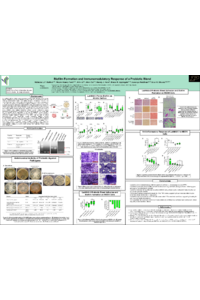
Biofilm Formation and Immunomodulatory Response of Probiotic Blend
'%3e%3cpath%20d='M12.6647%2010.9104C12.4176%2010.325%2012.0589%209.7933%2011.6088%209.34485C11.16%208.89511%2010.6283%208.53653%2010.0432%208.28891C10.038%208.28629%2010.0327%208.28498%2010.0275%208.28236C10.8437%207.69282%2011.3743%206.73252%2011.3743%205.64907C11.3743%203.85423%209.92005%202.40002%208.12522%202.40002C6.33038%202.40002%204.87618%203.85423%204.87618%205.64907C4.87618%206.73252%205.40677%207.69282%206.22296%208.28367C6.21772%208.28629%206.21248%208.2876%206.20724%208.29022C5.62031%208.53783%205.09365%208.89287%204.64167%209.34616C4.19192%209.79496%203.83334%2010.3266%203.58573%2010.9117C3.34247%2011.4846%203.21128%2012.0987%203.19925%2012.721C3.1989%2012.735%203.20135%2012.7489%203.20646%2012.7619C3.21157%2012.7749%203.21924%2012.7868%203.22901%2012.7968C3.23877%2012.8068%203.25045%2012.8148%203.26334%2012.8202C3.27623%2012.8256%203.29007%2012.8284%203.30406%2012.8284H4.09012C4.14776%2012.8284%204.19362%2012.7825%204.19493%2012.7262C4.22113%2011.7148%204.62726%2010.7676%205.34519%2010.0497C6.08802%209.30686%207.07452%208.89811%208.12522%208.89811C9.17592%208.89811%2010.1624%209.30686%2010.9052%2010.0497C11.6232%2010.7676%2012.0293%2011.7148%2012.0555%2012.7262C12.0568%2012.7839%2012.1027%2012.8284%2012.1603%2012.8284H12.9464C12.9604%2012.8284%2012.9742%2012.8256%2012.9871%2012.8202C13%2012.8148%2013.0117%2012.8068%2013.0214%2012.7968C13.0312%2012.7868%2013.0389%2012.7749%2013.044%2012.7619C13.0491%2012.7489%2013.0515%2012.735%2013.0512%2012.721C13.0381%2012.0947%2012.9084%2011.4856%2012.6647%2010.9104ZM8.12522%207.90243C7.52388%207.90243%206.95792%207.66793%206.53214%207.24215C6.10636%206.81636%205.87185%206.2504%205.87185%205.64907C5.87185%205.04773%206.10636%204.48177%206.53214%204.05599C6.95792%203.63021%207.52388%203.3957%208.12522%203.3957C8.72655%203.3957%209.29252%203.63021%209.7183%204.05599C10.1441%204.48177%2010.3786%205.04773%2010.3786%205.64907C10.3786%206.2504%2010.1441%206.81636%209.7183%207.24215C9.29252%207.66793%208.72655%207.90243%208.12522%207.90243Z'%20fill='%235D1EE1'/%3e%3c/g%3e%3c/svg%3e)
Nicholas L.F. Gallina 1,2
Nicole Irizarry Tardi 1,2
Xilin Li 1,2
Alvin Cai 1,2
Amanda Horn 3

Bruce M. Applegate 1,2

Arun K. Bhunia 1,2,4,5
1. Molecular Food Microbiology Laboratory, Department of Food Science, Purdue University, West Lafayette, IN 47907, USA
2. Purdue Institute of Inflammation, Immunology, and Infectious Disease, Purdue University, West Lafayette, IN, USA
3. CH2 Animal Solutions, 21 Bear Creek Estates Dr. Ottumwa, IA 52501, USA
4. Department of Comparative Pathology, Purdue University, West Lafayette, IN 47907, USA
5. Purdue University Interdisciplinary Life Sciences Program, Purdue University, West Lafayette, IN 47907, USA
Abstract
Background: Gut dysbiosis and an inflamed bowel are growing concerns within mammals, including dogs. Probiotic supplements are safe and effective for restoring the natural microbial community and improving gastrointestinal health. The biofilm formation, antimicrobial activities, and immunological responses of probiotics are crucial to improving gut health and thus were analyzed in this study.
Method: We tested a commercial probiotic blend (LabMax-3), a canine kibble additive, comprising Lactobacillus acidophilus, Lacticasibacillus casei, and Enterococcus faecium, for itsability to inactivate common enteric pathogens on agar plates, itsability to form biofilms on plastics, and its epithelial cell adhesion and immunomodulatory response on the Madin--Darby Canine Kidney (MDCK) cell line.
Results: The probiotic LabMax-3 blend or individual isolates showed a strong inhibitory effect against Salmonella enterica serovar Typhimurium, Listeria monocytogenes, enterotoxigenic Escherichia coli, and Campylobacter jejuni. In contrast, heat-killed and probiotic cell-free supernatants did not show any inhibition. LabMax-3 formed a moderate biofilm compared to Staphylococcus aureus cultured for 72 h, further confirmed by microscopic imaging. LabMax-3 adhesion to the MDCK cell line (with or without lipopolysaccharide (LPS) pretreatment showed comparable adhesion (P<0.05) to Lacticasibacillus casei ATCC 334, used as a control, which was further verified by Giemsa staining. LabMax-3 also did not show any cytotoxic effects on the MDCK cell line, as measured by lactate dehydrogenase assay. The IL-10 and TNFα ratio of LabMax-3, compared to the L. casei control, showed a significant increase (P<0.05), indicating a more pronounced immunomodulatory effect. TGFβ showed no significant differences between LabMax-3 and L. casei treatment.
Conclusions: LabMax-3, a canine kibble additive, can potentially improve canine gastrointestinal health.
Keywords
Probiotics
biofilm
antimicrobial activity
canine gut health
anti-inflammatory response
Poster
NIT_Poster_LM3.pdf
Detection of microRNA in food adulteration using lateral flow nucleic acid biosensor
Oxidative stability of roasted and unroasted pumpkin seed oils