Event submissions
Published

This submission belongs to the session S5. Smart Agriculture Sensors of the event The 11th International Electronic Conference on Sensors and Applications
Published date
26 Nov, 2024
Academic Editor
'%3e%3cpath%20d='M12.6657%2010.9104C12.4185%2010.325%2012.0599%209.79327%2011.6097%209.34482C11.1609%208.89508%2010.6293%208.5365%2010.0442%208.28888C10.0389%208.28626%2010.0337%208.28495%2010.0285%208.28233C10.8446%207.69279%2011.3752%206.73249%2011.3752%205.64904C11.3752%203.8542%209.92103%202.39999%208.1262%202.39999C6.33136%202.39999%204.87715%203.8542%204.87715%205.64904C4.87715%206.73249%205.40774%207.69279%206.22393%208.28364C6.21869%208.28626%206.21345%208.28757%206.20821%208.29019C5.62129%208.5378%205.09463%208.89284%204.64265%209.34613C4.1929%209.79493%203.83432%2010.3266%203.58671%2010.9117C3.34345%2011.4845%203.21226%2012.0987%203.20023%2012.7209C3.19988%2012.7349%203.20233%2012.7488%203.20744%2012.7619C3.21255%2012.7749%203.22022%2012.7867%203.22998%2012.7968C3.23975%2012.8068%203.25142%2012.8147%203.26431%2012.8202C3.2772%2012.8256%203.29105%2012.8284%203.30504%2012.8284H4.09109C4.14874%2012.8284%204.19459%2012.7825%204.1959%2012.7262C4.2221%2011.7148%204.62823%2010.7676%205.34617%2010.0497C6.08899%209.30683%207.0755%208.89808%208.1262%208.89808C9.17689%208.89808%2010.1634%209.30683%2010.9062%2010.0497C11.6242%2010.7676%2012.0303%2011.7148%2012.0565%2012.7262C12.0578%2012.7838%2012.1037%2012.8284%2012.1613%2012.8284H12.9474C12.9613%2012.8284%2012.9752%2012.8256%2012.9881%2012.8202C13.001%2012.8147%2013.0126%2012.8068%2013.0224%2012.7968C13.0322%2012.7867%2013.0398%2012.7749%2013.0449%2012.7619C13.0501%2012.7488%2013.0525%2012.7349%2013.0522%2012.7209C13.0391%2012.0947%2012.9094%2011.4855%2012.6657%2010.9104ZM8.1262%207.9024C7.52486%207.9024%206.9589%207.6679%206.53312%207.24211C6.10733%206.81633%205.87283%206.25037%205.87283%205.64904C5.87283%205.0477%206.10733%204.48174%206.53312%204.05596C6.9589%203.63018%207.52486%203.39567%208.1262%203.39567C8.72753%203.39567%209.29349%203.63018%209.71927%204.05596C10.1451%204.48174%2010.3796%205.0477%2010.3796%205.64904C10.3796%206.25037%2010.1451%206.81633%209.71927%207.24211C9.29349%207.6679%208.72753%207.9024%208.1262%207.9024Z'%20fill='%235D1EE1'/%3e%3c/g%3e%3c/svg%3e) Jean-marc Laheurte
Jean-marc LaheurteCitation
MURALI KRISHNA SENAPATY, Abhishek Ray, Neelamadhab Padhy, Enhancing Soil Fertility Prediction through Federated Learning on IoT-Generated Datasets with a Feature Selection Perspective, in Proceedings of The 11th International Electronic Conference on Sensors and Applications, 26 November–28 November 2024, MDPI: Basel, Switzerland, doi: 10.3390/ecsa-11-20474
Share
Email
Facebook
Twitter
LinkedIn
Enhancing Soil Fertility Prediction through Federated Learning on IoT-Generated Datasets with a Feature Selection Perspective
'%3e%3cpath%20d='M12.6647%2010.9104C12.4176%2010.325%2012.0589%209.7933%2011.6088%209.34485C11.16%208.89511%2010.6283%208.53653%2010.0432%208.28891C10.038%208.28629%2010.0327%208.28498%2010.0275%208.28236C10.8437%207.69282%2011.3743%206.73252%2011.3743%205.64907C11.3743%203.85423%209.92005%202.40002%208.12522%202.40002C6.33038%202.40002%204.87618%203.85423%204.87618%205.64907C4.87618%206.73252%205.40677%207.69282%206.22296%208.28367C6.21772%208.28629%206.21248%208.2876%206.20724%208.29022C5.62031%208.53783%205.09365%208.89287%204.64167%209.34616C4.19192%209.79496%203.83334%2010.3266%203.58573%2010.9117C3.34247%2011.4846%203.21128%2012.0987%203.19925%2012.721C3.1989%2012.735%203.20135%2012.7489%203.20646%2012.7619C3.21157%2012.7749%203.21924%2012.7868%203.22901%2012.7968C3.23877%2012.8068%203.25045%2012.8148%203.26334%2012.8202C3.27623%2012.8256%203.29007%2012.8284%203.30406%2012.8284H4.09012C4.14776%2012.8284%204.19362%2012.7825%204.19493%2012.7262C4.22113%2011.7148%204.62726%2010.7676%205.34519%2010.0497C6.08802%209.30686%207.07452%208.89811%208.12522%208.89811C9.17592%208.89811%2010.1624%209.30686%2010.9052%2010.0497C11.6232%2010.7676%2012.0293%2011.7148%2012.0555%2012.7262C12.0568%2012.7839%2012.1027%2012.8284%2012.1603%2012.8284H12.9464C12.9604%2012.8284%2012.9742%2012.8256%2012.9871%2012.8202C13%2012.8148%2013.0117%2012.8068%2013.0214%2012.7968C13.0312%2012.7868%2013.0389%2012.7749%2013.044%2012.7619C13.0491%2012.7489%2013.0515%2012.735%2013.0512%2012.721C13.0381%2012.0947%2012.9084%2011.4856%2012.6647%2010.9104ZM8.12522%207.90243C7.52388%207.90243%206.95792%207.66793%206.53214%207.24215C6.10636%206.81636%205.87185%206.2504%205.87185%205.64907C5.87185%205.04773%206.10636%204.48177%206.53214%204.05599C6.95792%203.63021%207.52388%203.3957%208.12522%203.3957C8.72655%203.3957%209.29252%203.63021%209.7183%204.05599C10.1441%204.48177%2010.3786%205.04773%2010.3786%205.64907C10.3786%206.2504%2010.1441%206.81636%209.7183%207.24215C9.29252%207.66793%208.72655%207.90243%208.12522%207.90243Z'%20fill='%235D1EE1'/%3e%3c/g%3e%3c/svg%3e)
MURALI KRISHNA SENAPATY 1
Abhishek Ray 1
Neelamadhab Padhy 2
1. KIIT DEEMED TO BE UNIVERSITY, BHUBANESWAR, India
2. Gandhi Institute of Engineeing Technology University, Computational science ,Gunupur
Abstract
Introduction: The fertile soil is having a balanced nutrient value of pH, potassium, phosphorous, nitrogen, water retention capability, and organic substances. A fertile soil allows for better growth of plants and in turn leads to better production. The soil fertility needs vary from crop to crop such as nutrient needs, pH requirements, soil texture availability, etc . It is essential to identify the soil fertile level as per the crop.
Objective: Our objective of this paper is to develop a robust model that is capable of predicting soil fertility. The model is integrated with the IoT-generated data and federated learning-based feature selection techniques to improve the accuracy of the dataset.
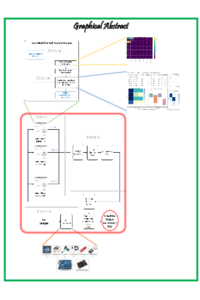
Material/Methods: A soil mineral dataset was collected through the IoT sensors of different agricultural fields. It collects the parameters of the soil and these are moisture, pH, nutrient levels, etc. Further, it is transformed into the dataset which is divided into several parts(partitions). We used federated learning for the training of the ML model on the partitioned datasets which are collected from the IoT sensors. The model updates are aggregated centrally without sharing raw data, preserving data privacy. Initially, we applied different feature selection techniques on the dataset such as Variance Threshold, Chi-Square, Recursive Feature Elimination (RFE), PCA Loadings, Random Forest (RF) Importance, Mutual Information, and Lasso Coefficients) to suggest the best model. Then we applied machine learning algorithms such as Logistic Regression, Decision Trees, Naive Bayes, and their ensemble to analyze and improve the performance.
Result: From our experimental observation, we analyzed the performance metrics of different ML classifiers and it revealed that the ensemble of logistic regression and decision tree has better performance compared to other models. The model achieved a precision of 87%, accuracy of 87%, recall of 87%, and F1-Score of 86%.
Keywords
Soil fertility,IoT sensors
federated learning
machine learning
Manuscript
engproc-sciforum_105687_S5.pdf
Poster
GRAPHICAL ABSTRACT-VERSION2(ECSA11) (2).pdf
Effect of irregularities on the coupled vibrations of a medium-low speed Maglev system: experimental testing and simulations
“Smart Clothing” technology for heart function monitoring during a session of “dry” immersion