Event submissions
Published
This submission belongs to the session S3. Behaviour, Biology, and Physiology of the event The 2nd International Electronic Conference on Entomology
Published date
17 May, 2025
Academic Editor
'%3e%3cpath%20d='M12.6657%2010.9104C12.4185%2010.325%2012.0599%209.79327%2011.6097%209.34482C11.1609%208.89508%2010.6293%208.5365%2010.0442%208.28888C10.0389%208.28626%2010.0337%208.28495%2010.0285%208.28233C10.8446%207.69279%2011.3752%206.73249%2011.3752%205.64904C11.3752%203.8542%209.92103%202.39999%208.1262%202.39999C6.33136%202.39999%204.87715%203.8542%204.87715%205.64904C4.87715%206.73249%205.40774%207.69279%206.22393%208.28364C6.21869%208.28626%206.21345%208.28757%206.20821%208.29019C5.62129%208.5378%205.09463%208.89284%204.64265%209.34613C4.1929%209.79493%203.83432%2010.3266%203.58671%2010.9117C3.34345%2011.4845%203.21226%2012.0987%203.20023%2012.7209C3.19988%2012.7349%203.20233%2012.7488%203.20744%2012.7619C3.21255%2012.7749%203.22022%2012.7867%203.22998%2012.7968C3.23975%2012.8068%203.25142%2012.8147%203.26431%2012.8202C3.2772%2012.8256%203.29105%2012.8284%203.30504%2012.8284H4.09109C4.14874%2012.8284%204.19459%2012.7825%204.1959%2012.7262C4.2221%2011.7148%204.62823%2010.7676%205.34617%2010.0497C6.08899%209.30683%207.0755%208.89808%208.1262%208.89808C9.17689%208.89808%2010.1634%209.30683%2010.9062%2010.0497C11.6242%2010.7676%2012.0303%2011.7148%2012.0565%2012.7262C12.0578%2012.7838%2012.1037%2012.8284%2012.1613%2012.8284H12.9474C12.9613%2012.8284%2012.9752%2012.8256%2012.9881%2012.8202C13.001%2012.8147%2013.0126%2012.8068%2013.0224%2012.7968C13.0322%2012.7867%2013.0398%2012.7749%2013.0449%2012.7619C13.0501%2012.7488%2013.0525%2012.7349%2013.0522%2012.7209C13.0391%2012.0947%2012.9094%2011.4855%2012.6657%2010.9104ZM8.1262%207.9024C7.52486%207.9024%206.9589%207.6679%206.53312%207.24211C6.10733%206.81633%205.87283%206.25037%205.87283%205.64904C5.87283%205.0477%206.10733%204.48174%206.53312%204.05596C6.9589%203.63018%207.52486%203.39567%208.1262%203.39567C8.72753%203.39567%209.29349%203.63018%209.71927%204.05596C10.1451%204.48174%2010.3796%205.0477%2010.3796%205.64904C10.3796%206.25037%2010.1451%206.81633%209.71927%207.24211C9.29349%207.6679%208.72753%207.9024%208.1262%207.9024Z'%20fill='%235D1EE1'/%3e%3c/g%3e%3c/svg%3e) Kristopher Giles
Kristopher GilesCitation
Jiwoo Kim, Youngwoo Kim, Jeremy Nadolski, Robin Lewis Cooper, The behavioral and physiological effects of temperature and TRPA1 overexpression in D. melanogaster and L. sericata larvae: mechanotransduction, locomotion, thermotaxis, and membrane potential, in Proceedings of The 2nd International Electronic Conference on Entomology, 19 May–21 May 2025, MDPI: Basel, Switzerland
Share
Email
Facebook
Twitter
LinkedIn
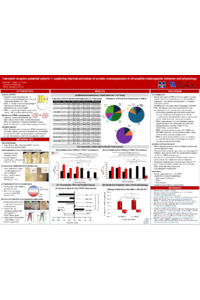
The behavioral and physiological effects of temperature and TRPA1 overexpression in D. melanogaster and L. sericata larvae: mechanotransduction, locomotion, thermotaxis, and membrane potential
'%3e%3cpath%20d='M12.6647%2010.9104C12.4176%2010.325%2012.0589%209.7933%2011.6088%209.34485C11.16%208.89511%2010.6283%208.53653%2010.0432%208.28891C10.038%208.28629%2010.0327%208.28498%2010.0275%208.28236C10.8437%207.69282%2011.3743%206.73252%2011.3743%205.64907C11.3743%203.85423%209.92005%202.40002%208.12522%202.40002C6.33038%202.40002%204.87618%203.85423%204.87618%205.64907C4.87618%206.73252%205.40677%207.69282%206.22296%208.28367C6.21772%208.28629%206.21248%208.2876%206.20724%208.29022C5.62031%208.53783%205.09365%208.89287%204.64167%209.34616C4.19192%209.79496%203.83334%2010.3266%203.58573%2010.9117C3.34247%2011.4846%203.21128%2012.0987%203.19925%2012.721C3.1989%2012.735%203.20135%2012.7489%203.20646%2012.7619C3.21157%2012.7749%203.21924%2012.7868%203.22901%2012.7968C3.23877%2012.8068%203.25045%2012.8148%203.26334%2012.8202C3.27623%2012.8256%203.29007%2012.8284%203.30406%2012.8284H4.09012C4.14776%2012.8284%204.19362%2012.7825%204.19493%2012.7262C4.22113%2011.7148%204.62726%2010.7676%205.34519%2010.0497C6.08802%209.30686%207.07452%208.89811%208.12522%208.89811C9.17592%208.89811%2010.1624%209.30686%2010.9052%2010.0497C11.6232%2010.7676%2012.0293%2011.7148%2012.0555%2012.7262C12.0568%2012.7839%2012.1027%2012.8284%2012.1603%2012.8284H12.9464C12.9604%2012.8284%2012.9742%2012.8256%2012.9871%2012.8202C13%2012.8148%2013.0117%2012.8068%2013.0214%2012.7968C13.0312%2012.7868%2013.0389%2012.7749%2013.044%2012.7619C13.0491%2012.7489%2013.0515%2012.735%2013.0512%2012.721C13.0381%2012.0947%2012.9084%2011.4856%2012.6647%2010.9104ZM8.12522%207.90243C7.52388%207.90243%206.95792%207.66793%206.53214%207.24215C6.10636%206.81636%205.87185%206.2504%205.87185%205.64907C5.87185%205.04773%206.10636%204.48177%206.53214%204.05599C6.95792%203.63021%207.52388%203.3957%208.12522%203.3957C8.72655%203.3957%209.29252%203.63021%209.7183%204.05599C10.1441%204.48177%2010.3786%205.04773%2010.3786%205.64907C10.3786%206.2504%2010.1441%206.81636%209.7183%207.24215C9.29252%207.66793%208.72655%207.90243%208.12522%207.90243Z'%20fill='%235D1EE1'/%3e%3c/g%3e%3c/svg%3e)
Jiwoo Kim 1
Youngwoo Kim 2
Jeremy Nadolski 3

Robin Lewis Cooper 4
1. Model Laboratory School, 521 Lancaster Avenue, Richmond, Kentucky, 40475, USA
2. The Gatton Academy of Mathematics and Science, 1509 College Heights Blvd, Bowling Green, Kentucky, 42101, USA
3. Department of Mathematical and Computational Sciences, Benedictine University, Lisle, Illinois, 60532, USA
4. Department of Biology, University of Kentucky, Lexington, Kentucky, 40506, USA
Abstract
As climate change rapidly occurs, it is essential to understand how temperature impacts the behavior and physiology of small ectotherms such as insects. Insects are influenced by the temperature in terms of survival, development, and physiology. To exogenously regulate their body temperature, insects often exhibit escape behavior to navigate to preferred temperatures. In insects such as D. melanogaster larvae, the TRPA1 channel is activated by warm temperatures (>26°C), and the larva senses temperature changes. However, there is limited research on how the temperature influences sensory stimuli, which holds implications for ectothermic survival under climate change. Thus, this study investigated the comparative effects of temperature and TRPA1 overexpression in various sensory neurons and muscle tissues on the (1) mechanotransduction, (2) locomotion, (3) thermotaxis, and (4) membrane potential of D. melanogaster and Lucilia sericata larvae. First, the head–abdomen–tail assay was performed by means of a tap to each area with a monofilament. Second, body wall movements and mouth hook movements assays were performed. All behavioral assays were conducted at 20°C and 33°C with second- and third-instar larvae. Next, larvae of the same genetic strains or species were placed in Petri dishes to assess their thermal preference zones using IR imaging. Finally, intracellular electrophysiological recordings were conducted in muscles to determine the effects on the resting membrane potential. The results revealed behavioral differences due to localized stimuli, temperatures, larval stages, and TRPA1 channel overexpression.
Keywords
behavior
physiology
trpa1
drosophila
blow fly
Poster
Kim_Jiwoo_Entomology_Conference.pdf
Improving Beneficial Insect Behavior by Reducing Cannibalism in Green Lacewing Larvae using Operant Conditioning at Multiple Life Stages in Various Social Settings
Flames and Fragility: The Impact of Wildfires on Butterfly Biodiversity in Southern Italy