Event submissions
Published
This submission belongs to the session B. Nutritional and Functional Foods of the event The 6th International Electronic Conference on Foods
Published date
27 Oct, 2025
Academic Editor
'%3e%3cpath%20d='M12.6657%2010.9104C12.4185%2010.325%2012.0599%209.79327%2011.6097%209.34482C11.1609%208.89508%2010.6293%208.5365%2010.0442%208.28888C10.0389%208.28626%2010.0337%208.28495%2010.0285%208.28233C10.8446%207.69279%2011.3752%206.73249%2011.3752%205.64904C11.3752%203.8542%209.92103%202.39999%208.1262%202.39999C6.33136%202.39999%204.87715%203.8542%204.87715%205.64904C4.87715%206.73249%205.40774%207.69279%206.22393%208.28364C6.21869%208.28626%206.21345%208.28757%206.20821%208.29019C5.62129%208.5378%205.09463%208.89284%204.64265%209.34613C4.1929%209.79493%203.83432%2010.3266%203.58671%2010.9117C3.34345%2011.4845%203.21226%2012.0987%203.20023%2012.7209C3.19988%2012.7349%203.20233%2012.7488%203.20744%2012.7619C3.21255%2012.7749%203.22022%2012.7867%203.22998%2012.7968C3.23975%2012.8068%203.25142%2012.8147%203.26431%2012.8202C3.2772%2012.8256%203.29105%2012.8284%203.30504%2012.8284H4.09109C4.14874%2012.8284%204.19459%2012.7825%204.1959%2012.7262C4.2221%2011.7148%204.62823%2010.7676%205.34617%2010.0497C6.08899%209.30683%207.0755%208.89808%208.1262%208.89808C9.17689%208.89808%2010.1634%209.30683%2010.9062%2010.0497C11.6242%2010.7676%2012.0303%2011.7148%2012.0565%2012.7262C12.0578%2012.7838%2012.1037%2012.8284%2012.1613%2012.8284H12.9474C12.9613%2012.8284%2012.9752%2012.8256%2012.9881%2012.8202C13.001%2012.8147%2013.0126%2012.8068%2013.0224%2012.7968C13.0322%2012.7867%2013.0398%2012.7749%2013.0449%2012.7619C13.0501%2012.7488%2013.0525%2012.7349%2013.0522%2012.7209C13.0391%2012.0947%2012.9094%2011.4855%2012.6657%2010.9104ZM8.1262%207.9024C7.52486%207.9024%206.9589%207.6679%206.53312%207.24211C6.10733%206.81633%205.87283%206.25037%205.87283%205.64904C5.87283%205.0477%206.10733%204.48174%206.53312%204.05596C6.9589%203.63018%207.52486%203.39567%208.1262%203.39567C8.72753%203.39567%209.29349%203.63018%209.71927%204.05596C10.1451%204.48174%2010.3796%205.0477%2010.3796%205.64904C10.3796%206.25037%2010.1451%206.81633%209.71927%207.24211C9.29349%207.6679%208.72753%207.9024%208.1262%207.9024Z'%20fill='%235D1EE1'/%3e%3c/g%3e%3c/svg%3e) Manuel Viuda-Martos
Manuel Viuda-MartosCitation
Jyoti Arora, Luxita Sharma, Kanwalpreet Kochhar, Development,Sensory Evaluation and Characterization of Buckwheat-Based Gluten-Free Synbiotic Products Using Ayurvedic Herbs Having Prebiotic Potential, in Proceedings of The 6th International Electronic Conference on Foods, 28 October–30 October 2025, MDPI: Basel, Switzerland
Share
Email
Facebook
Twitter
LinkedIn
Development,Sensory Evaluation and Characterization of Buckwheat-Based Gluten-Free Synbiotic Products Using Ayurvedic Herbs Having Prebiotic Potential
'%3e%3cpath%20d='M12.6647%2010.9104C12.4176%2010.325%2012.0589%209.7933%2011.6088%209.34485C11.16%208.89511%2010.6283%208.53653%2010.0432%208.28891C10.038%208.28629%2010.0327%208.28498%2010.0275%208.28236C10.8437%207.69282%2011.3743%206.73252%2011.3743%205.64907C11.3743%203.85423%209.92005%202.40002%208.12522%202.40002C6.33038%202.40002%204.87618%203.85423%204.87618%205.64907C4.87618%206.73252%205.40677%207.69282%206.22296%208.28367C6.21772%208.28629%206.21248%208.2876%206.20724%208.29022C5.62031%208.53783%205.09365%208.89287%204.64167%209.34616C4.19192%209.79496%203.83334%2010.3266%203.58573%2010.9117C3.34247%2011.4846%203.21128%2012.0987%203.19925%2012.721C3.1989%2012.735%203.20135%2012.7489%203.20646%2012.7619C3.21157%2012.7749%203.21924%2012.7868%203.22901%2012.7968C3.23877%2012.8068%203.25045%2012.8148%203.26334%2012.8202C3.27623%2012.8256%203.29007%2012.8284%203.30406%2012.8284H4.09012C4.14776%2012.8284%204.19362%2012.7825%204.19493%2012.7262C4.22113%2011.7148%204.62726%2010.7676%205.34519%2010.0497C6.08802%209.30686%207.07452%208.89811%208.12522%208.89811C9.17592%208.89811%2010.1624%209.30686%2010.9052%2010.0497C11.6232%2010.7676%2012.0293%2011.7148%2012.0555%2012.7262C12.0568%2012.7839%2012.1027%2012.8284%2012.1603%2012.8284H12.9464C12.9604%2012.8284%2012.9742%2012.8256%2012.9871%2012.8202C13%2012.8148%2013.0117%2012.8068%2013.0214%2012.7968C13.0312%2012.7868%2013.0389%2012.7749%2013.044%2012.7619C13.0491%2012.7489%2013.0515%2012.735%2013.0512%2012.721C13.0381%2012.0947%2012.9084%2011.4856%2012.6647%2010.9104ZM8.12522%207.90243C7.52388%207.90243%206.95792%207.66793%206.53214%207.24215C6.10636%206.81636%205.87185%206.2504%205.87185%205.64907C5.87185%205.04773%206.10636%204.48177%206.53214%204.05599C6.95792%203.63021%207.52388%203.3957%208.12522%203.3957C8.72655%203.3957%209.29252%203.63021%209.7183%204.05599C10.1441%204.48177%2010.3786%205.04773%2010.3786%205.64907C10.3786%206.2504%2010.1441%206.81636%209.7183%207.24215C9.29252%207.66793%208.72655%207.90243%208.12522%207.90243Z'%20fill='%235D1EE1'/%3e%3c/g%3e%3c/svg%3e)
Jyoti Arora 1
Luxita Sharma 2
Kanwalpreet Kochhar 3
1. Department of Integrative Dietetics and Nutrition, All India Institute of Ayurveda, Ministry of AYUSH, Gautampuri, Sarita Vihar, New Delhi – 110076, India
2. Department of Food and Nutrition, Amity Medical School, Amity University Haryana, Manesar, Gurugram – 122413, Haryana, India
3. Department of Physiology, All India Institute of Medical Sciences (AIIMS), Ansari Nagar, New Delhi – 110029, India
Abstract
Abstract
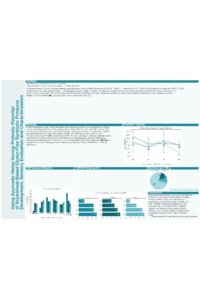
This study aimed to develop innovative synbiotic food products derived from buckwheat by culturing Lactobacillus plantarum (MTCC No-13002), Lactobacillus rhamnosus (MTCC No-13028), and Streptococcus salivarius (MTCC No-13009) with a formulation based on Punica granatum peel and Aegle mermelos, along with prebiotics such as licorice. Blanching and germination processes were employed to mitigate anti-nutritional factors. Optimized variations were evaluated using a hedonic scale in conjunction with the Analytic Hierarchy Process (AHP) and Technique for Order of Preference by Similarity to Ideal Solution (TOPSIS) methods. The mean values of all sensory attributes assessed in the product samples exceeded 6. Analysis of variance (ANOVA) indicated significant variance among the mean product samples (p < 0.05). The taste and consistency of all product samples showed substantial variation at a confidence level of p < 0.001; however, all chocolate samples received comparable scores for appearance. The chocolate samples were ranked as follows: 202 > 201 > 204 > 203, while sample 302 was the highest-rated thandai, and sample 102 was the best-rated among jelly variations. The total microbiological counts for thandai, chocolate, and jelly were 7.25 log/cfu g, 7.76 log/cfu g, and 7.79 log/cfu g, respectively. Nutritional qualities were favorable, with moderate levels of protein and carbohydrates and low to moderate levels of fat. Buckwheat serves as an effective substrate for non-dairy synbiotics, and the high probiotic viability of Ayurvedic herbs provides a novel aspect to the research, suggesting potential benefits for gluten-related disorders (GRD) in enhancing gut and overall health.
Keywords
GRD,Gluten-free,Buckwheat,Synbiotics
Poster
AIIA_Sciforum2025_Poster_Final_v4.pdf
Web monitoring of Italians' home food safety interest and perception: a preliminary study
Hepatoprotective effects of a cricket-enriched pasta in an in vitro intestine–liver model under oxidative stress conditions