Event submissions
Published
This submission belongs to the session S1. Personalised nutrition for athletic performance of the event The 5th International Online Conference on Nutrients
Published date
05 Dec, 2025
Academic Editor
'%3e%3cpath%20d='M12.6657%2010.9104C12.4185%2010.325%2012.0599%209.79327%2011.6097%209.34482C11.1609%208.89508%2010.6293%208.5365%2010.0442%208.28888C10.0389%208.28626%2010.0337%208.28495%2010.0285%208.28233C10.8446%207.69279%2011.3752%206.73249%2011.3752%205.64904C11.3752%203.8542%209.92103%202.39999%208.1262%202.39999C6.33136%202.39999%204.87715%203.8542%204.87715%205.64904C4.87715%206.73249%205.40774%207.69279%206.22393%208.28364C6.21869%208.28626%206.21345%208.28757%206.20821%208.29019C5.62129%208.5378%205.09463%208.89284%204.64265%209.34613C4.1929%209.79493%203.83432%2010.3266%203.58671%2010.9117C3.34345%2011.4845%203.21226%2012.0987%203.20023%2012.7209C3.19988%2012.7349%203.20233%2012.7488%203.20744%2012.7619C3.21255%2012.7749%203.22022%2012.7867%203.22998%2012.7968C3.23975%2012.8068%203.25142%2012.8147%203.26431%2012.8202C3.2772%2012.8256%203.29105%2012.8284%203.30504%2012.8284H4.09109C4.14874%2012.8284%204.19459%2012.7825%204.1959%2012.7262C4.2221%2011.7148%204.62823%2010.7676%205.34617%2010.0497C6.08899%209.30683%207.0755%208.89808%208.1262%208.89808C9.17689%208.89808%2010.1634%209.30683%2010.9062%2010.0497C11.6242%2010.7676%2012.0303%2011.7148%2012.0565%2012.7262C12.0578%2012.7838%2012.1037%2012.8284%2012.1613%2012.8284H12.9474C12.9613%2012.8284%2012.9752%2012.8256%2012.9881%2012.8202C13.001%2012.8147%2013.0126%2012.8068%2013.0224%2012.7968C13.0322%2012.7867%2013.0398%2012.7749%2013.0449%2012.7619C13.0501%2012.7488%2013.0525%2012.7349%2013.0522%2012.7209C13.0391%2012.0947%2012.9094%2011.4855%2012.6657%2010.9104ZM8.1262%207.9024C7.52486%207.9024%206.9589%207.6679%206.53312%207.24211C6.10733%206.81633%205.87283%206.25037%205.87283%205.64904C5.87283%205.0477%206.10733%204.48174%206.53312%204.05596C6.9589%203.63018%207.52486%203.39567%208.1262%203.39567C8.72753%203.39567%209.29349%203.63018%209.71927%204.05596C10.1451%204.48174%2010.3796%205.0477%2010.3796%205.64904C10.3796%206.25037%2010.1451%206.81633%209.71927%207.24211C9.29349%207.6679%208.72753%207.9024%208.1262%207.9024Z'%20fill='%235D1EE1'/%3e%3c/g%3e%3c/svg%3e) David Nieman
David NiemanCitation
David Romero García, José Martínez Sanz, Rubén Jiménez-alfageme, José Herrero Barceló, José Luis García Menárguez, Carmen Manchado, Raquel Vaquero-Cristobal, Food and beverage intake habits in handball players: relationship with gender and competitive level, in Proceedings of The 5th International Online Conference on Nutrients, 10 December–12 December 2025, MDPI: Basel, Switzerland
Share
Email
Facebook
Twitter
LinkedIn
Food and beverage intake habits in handball players: relationship with gender and competitive level

David Romero García 1

José Martínez Sanz 2

Rubén Jiménez-alfageme 3

José Herrero Barceló 4
'%3e%3cpath%20d='M12.6647%2010.9104C12.4176%2010.325%2012.0589%209.7933%2011.6088%209.34485C11.16%208.89511%2010.6283%208.53653%2010.0432%208.28891C10.038%208.28629%2010.0327%208.28498%2010.0275%208.28236C10.8437%207.69282%2011.3743%206.73252%2011.3743%205.64907C11.3743%203.85423%209.92005%202.40002%208.12522%202.40002C6.33038%202.40002%204.87618%203.85423%204.87618%205.64907C4.87618%206.73252%205.40677%207.69282%206.22296%208.28367C6.21772%208.28629%206.21248%208.2876%206.20724%208.29022C5.62031%208.53783%205.09365%208.89287%204.64167%209.34616C4.19192%209.79496%203.83334%2010.3266%203.58573%2010.9117C3.34247%2011.4846%203.21128%2012.0987%203.19925%2012.721C3.1989%2012.735%203.20135%2012.7489%203.20646%2012.7619C3.21157%2012.7749%203.21924%2012.7868%203.22901%2012.7968C3.23877%2012.8068%203.25045%2012.8148%203.26334%2012.8202C3.27623%2012.8256%203.29007%2012.8284%203.30406%2012.8284H4.09012C4.14776%2012.8284%204.19362%2012.7825%204.19493%2012.7262C4.22113%2011.7148%204.62726%2010.7676%205.34519%2010.0497C6.08802%209.30686%207.07452%208.89811%208.12522%208.89811C9.17592%208.89811%2010.1624%209.30686%2010.9052%2010.0497C11.6232%2010.7676%2012.0293%2011.7148%2012.0555%2012.7262C12.0568%2012.7839%2012.1027%2012.8284%2012.1603%2012.8284H12.9464C12.9604%2012.8284%2012.9742%2012.8256%2012.9871%2012.8202C13%2012.8148%2013.0117%2012.8068%2013.0214%2012.7968C13.0312%2012.7868%2013.0389%2012.7749%2013.044%2012.7619C13.0491%2012.7489%2013.0515%2012.735%2013.0512%2012.721C13.0381%2012.0947%2012.9084%2011.4856%2012.6647%2010.9104ZM8.12522%207.90243C7.52388%207.90243%206.95792%207.66793%206.53214%207.24215C6.10636%206.81636%205.87185%206.2504%205.87185%205.64907C5.87185%205.04773%206.10636%204.48177%206.53214%204.05599C6.95792%203.63021%207.52388%203.3957%208.12522%203.3957C8.72655%203.3957%209.29252%203.63021%209.7183%204.05599C10.1441%204.48177%2010.3786%205.04773%2010.3786%205.64907C10.3786%206.2504%2010.1441%206.81636%209.7183%207.24215C9.29252%207.66793%208.72655%207.90243%208.12522%207.90243Z'%20fill='%235D1EE1'/%3e%3c/g%3e%3c/svg%3e)
José Luis García Menárguez 4

Carmen Manchado 5

Raquel Vaquero-Cristobal 6
1. Optics, Pharmacology and Anatomy Department, University of Alicante, 03690 Alicante, Spain
2. Nursing department, Faculty of Health Sciencies, University of Alicante, 03690 Alicante, Spain
3. Physiotherapy Department, Faculty of Health Sciences, University of Gasteiz—EUNEIZ, 01013 Vitoria-Gasteiz, Spain.
4. Faculty of Health Sciences, University of Alicante, 03690 Alicante, Spain
5. General Didactics and Specific Didactics, Faculty of Education, University of Alicante, 03690 Alicante, Spain
6. Research Group Movement Sciences and Sport (MS&SPORT). Department of Physical Activity and Sport Sciences. Faculty of Sport Sciences. University of Murcia. Spain
Abstract
Handball is a complex sport, played by both men and women. In order to cover the nutritional requirements, correct dietary-nutritional planning must be carried out. Therefore, the aim of this study was to describe and evaluate the food, water and alcohol intake of handball players according to gender and competitive level. A descriptive cross-sectional study was conducted on 348 handball players (22.49 ± 4.11 years, 158 of whom were women and 190 were men, all of them of legal age) from Spanish leagues who completed a self-administered, semi-quantitative food and beverage intake questionnaire. It was observed that men ate white meat, red meat, soft drinks and prepared/frozen foods more frequently (p=<0.001-0.029), and women ate rice more frequently (p=0.021). In terms of competitive level, those in the honour division ate fruit and vegetables more frequently and drank soft drinks less frequently (p=0.001-0.014). The most frequent reasons for following a diet were performance(15.7%) and health(22.9%). Men drank water more frequently than women during the day and during training(p=<0.001-0.022). On the other hand, water intake habits during training increased as the competitive level increased(p=0.048). Most players drank alcohol at least once or between once and twice a week. In conclusion, differences in food and water intake habits were observed according to gender and competitive level. These data favour the advancement of the understanding of the impact that nutrition has on each of the players. Consequently, with this knowledge, dietary recommendations and guidelines in handball can be improved.
Keywords
handball
food frequency questionnaire
sports nutrition
food groups
Feeding Behavior.
Poster
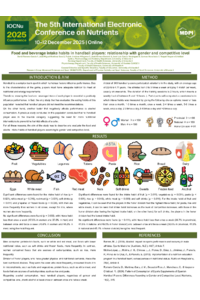
Poster_sciforum142460.pdf
Effects of Early Time-Restricted Eating (eTRE) on Postural Mobility, Body Composition, and Energy Intake in Judo Athletes
EFFECTS OF BETA-ALANINE SUPPLEMENTATION ON NEUROMUSCULAR AND CARDIOVASCULAR PERFORMANCE IN FEMALE RUGBY PLAYERS