Event submissions
Published
This submission belongs to the session S1. The Social Nature of Health and Well-Being of the event The 1st International Online Conference on Societies
Published date
19 Jan, 2026
Academic Editor
'%3e%3cpath%20d='M12.6657%2010.9104C12.4185%2010.325%2012.0599%209.79327%2011.6097%209.34482C11.1609%208.89508%2010.6293%208.5365%2010.0442%208.28888C10.0389%208.28626%2010.0337%208.28495%2010.0285%208.28233C10.8446%207.69279%2011.3752%206.73249%2011.3752%205.64904C11.3752%203.8542%209.92103%202.39999%208.1262%202.39999C6.33136%202.39999%204.87715%203.8542%204.87715%205.64904C4.87715%206.73249%205.40774%207.69279%206.22393%208.28364C6.21869%208.28626%206.21345%208.28757%206.20821%208.29019C5.62129%208.5378%205.09463%208.89284%204.64265%209.34613C4.1929%209.79493%203.83432%2010.3266%203.58671%2010.9117C3.34345%2011.4845%203.21226%2012.0987%203.20023%2012.7209C3.19988%2012.7349%203.20233%2012.7488%203.20744%2012.7619C3.21255%2012.7749%203.22022%2012.7867%203.22998%2012.7968C3.23975%2012.8068%203.25142%2012.8147%203.26431%2012.8202C3.2772%2012.8256%203.29105%2012.8284%203.30504%2012.8284H4.09109C4.14874%2012.8284%204.19459%2012.7825%204.1959%2012.7262C4.2221%2011.7148%204.62823%2010.7676%205.34617%2010.0497C6.08899%209.30683%207.0755%208.89808%208.1262%208.89808C9.17689%208.89808%2010.1634%209.30683%2010.9062%2010.0497C11.6242%2010.7676%2012.0303%2011.7148%2012.0565%2012.7262C12.0578%2012.7838%2012.1037%2012.8284%2012.1613%2012.8284H12.9474C12.9613%2012.8284%2012.9752%2012.8256%2012.9881%2012.8202C13.001%2012.8147%2013.0126%2012.8068%2013.0224%2012.7968C13.0322%2012.7867%2013.0398%2012.7749%2013.0449%2012.7619C13.0501%2012.7488%2013.0525%2012.7349%2013.0522%2012.7209C13.0391%2012.0947%2012.9094%2011.4855%2012.6657%2010.9104ZM8.1262%207.9024C7.52486%207.9024%206.9589%207.6679%206.53312%207.24211C6.10733%206.81633%205.87283%206.25037%205.87283%205.64904C5.87283%205.0477%206.10733%204.48174%206.53312%204.05596C6.9589%203.63018%207.52486%203.39567%208.1262%203.39567C8.72753%203.39567%209.29349%203.63018%209.71927%204.05596C10.1451%204.48174%2010.3796%205.0477%2010.3796%205.64904C10.3796%206.25037%2010.1451%206.81633%209.71927%207.24211C9.29349%207.6679%208.72753%207.9024%208.1262%207.9024Z'%20fill='%235D1EE1'/%3e%3c/g%3e%3c/svg%3e) Gregor Wolbring
Gregor WolbringCitation
Suzana Turcu, Andrei Kozma, Luisa Preda, Bogdan Danciu, Cristiana Glavce, Wellbeing of Cancer Caregivers: Scoping Review, in Proceedings of The 1st International Online Conference on Societies, 21 January–23 January 2026, MDPI: Basel, Switzerland
Share
Email
Facebook
Twitter
LinkedIn
Wellbeing of Cancer Caregivers: Scoping Review

Suzana Turcu 1
'%3e%3cpath%20d='M12.6647%2010.9104C12.4176%2010.325%2012.0589%209.7933%2011.6088%209.34485C11.16%208.89511%2010.6283%208.53653%2010.0432%208.28891C10.038%208.28629%2010.0327%208.28498%2010.0275%208.28236C10.8437%207.69282%2011.3743%206.73252%2011.3743%205.64907C11.3743%203.85423%209.92005%202.40002%208.12522%202.40002C6.33038%202.40002%204.87618%203.85423%204.87618%205.64907C4.87618%206.73252%205.40677%207.69282%206.22296%208.28367C6.21772%208.28629%206.21248%208.2876%206.20724%208.29022C5.62031%208.53783%205.09365%208.89287%204.64167%209.34616C4.19192%209.79496%203.83334%2010.3266%203.58573%2010.9117C3.34247%2011.4846%203.21128%2012.0987%203.19925%2012.721C3.1989%2012.735%203.20135%2012.7489%203.20646%2012.7619C3.21157%2012.7749%203.21924%2012.7868%203.22901%2012.7968C3.23877%2012.8068%203.25045%2012.8148%203.26334%2012.8202C3.27623%2012.8256%203.29007%2012.8284%203.30406%2012.8284H4.09012C4.14776%2012.8284%204.19362%2012.7825%204.19493%2012.7262C4.22113%2011.7148%204.62726%2010.7676%205.34519%2010.0497C6.08802%209.30686%207.07452%208.89811%208.12522%208.89811C9.17592%208.89811%2010.1624%209.30686%2010.9052%2010.0497C11.6232%2010.7676%2012.0293%2011.7148%2012.0555%2012.7262C12.0568%2012.7839%2012.1027%2012.8284%2012.1603%2012.8284H12.9464C12.9604%2012.8284%2012.9742%2012.8256%2012.9871%2012.8202C13%2012.8148%2013.0117%2012.8068%2013.0214%2012.7968C13.0312%2012.7868%2013.0389%2012.7749%2013.044%2012.7619C13.0491%2012.7489%2013.0515%2012.735%2013.0512%2012.721C13.0381%2012.0947%2012.9084%2011.4856%2012.6647%2010.9104ZM8.12522%207.90243C7.52388%207.90243%206.95792%207.66793%206.53214%207.24215C6.10636%206.81636%205.87185%206.2504%205.87185%205.64907C5.87185%205.04773%206.10636%204.48177%206.53214%204.05599C6.95792%203.63021%207.52388%203.3957%208.12522%203.3957C8.72655%203.3957%209.29252%203.63021%209.7183%204.05599C10.1441%204.48177%2010.3786%205.04773%2010.3786%205.64907C10.3786%206.2504%2010.1441%206.81636%209.7183%207.24215C9.29252%207.66793%208.72655%207.90243%208.12522%207.90243Z'%20fill='%235D1EE1'/%3e%3c/g%3e%3c/svg%3e)
Andrei Kozma 2
Luisa Preda 3
Bogdan Danciu 4
Cristiana Glavce 1
1. Medical Anthropology Department, Francisc I. Rainer Institute of Anthropology, Romanian Academy, Bucharest, 050474, Romania
2. Research Department, Alessandrescu-Rusescu National Institute for Mother and Child Health, Bucharest, 020382, Romania
3. School of Advanced Studies of the Romanian Academy, Bucharest, 010071, Romania
4. Developmental and Cross-Cultural Psychology, Romanian Institute of Philosophy and Psychology, Romanian Academy, Bucharest, 050474, Romania
Abstract
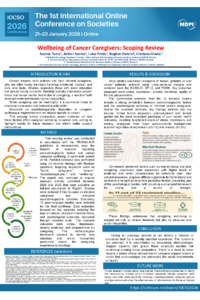
Informal caregivers are essential to cancer care, often shouldering complex emotional, physical, and logistical responsibilities. While caregiving can be meaningful, it is frequently linked to psychological distress and reduced wellbeing. Despite their central role, little is known about how sociodemographic inequalities influence caregivers’ mental health in cancer contexts.
This scoping review synthesized recent research on the relationship between caregiver sociodemographic factors and wellbeing outcomes in cancer care. Following PRISMA-ScR guidelines, a systematic PubMed search identified studies published between 2020 and 2025 using terms related to family caregiving, cancer, sociodemographics, and wellbeing. After eligibility screening, 12 peer-reviewed studies were included. Data were extracted on cancer type, caregiver characteristics, sociodemographic variables, wellbeing measures, and key findings.
The studies focused on caregivers of patients with breast, pediatric, and oral cancers. Reported wellbeing outcomes included stress, depression, anxiety, resilience, quality of life, and preparedness for caregiving or end-of-life support. Across nearly all studies, lower income, limited education, female gender, and unemployment were consistently associated with poorer psychological outcomes. Eleven of the twelve studies identified significant links between sociodemographic disadvantage and heightened distress. Conversely, factors such as marital status, religious affiliation, and prior caregiving experience were occasionally tied to greater resilience or reduced burden.
Overall, this review highlights that caregiver wellbeing in cancer care is shaped not only by clinical demands but also by structural and social inequities. Sociodemographic disadvantage consistently predicts greater mental health vulnerability. These findings underscore the need for equity-driven, culturally responsive interventions to safeguard high-risk caregivers and prevent cancer care systems from reinforcing existing social inequalities.
Keywords
cancer caregiving
sociodemographic factors
caregiver wellbeing
Poster
sciforum_152347_S1_slides_IOCS2026_POSTER_Wellbeing_of_Cancer_Caregivers_Scoping_Review.pdf
Understanding Dementia through Caregivers’ Experiences: Behavioral Challenges and Quality of Life
Women's subjective well-being: a micro-level analysis for Poland and Lithuania