Event submissions
Published
This submission belongs to the session S2. Patient-Centered Care—Optimizing Care Pathways through Engagement and Outcome Measurement of the event The 1st International Online Conference on Healthcare
Published date
20 Mar, 2026
Academic Editor
'%3e%3cpath%20d='M12.6657%2010.9104C12.4185%2010.325%2012.0599%209.79327%2011.6097%209.34482C11.1609%208.89508%2010.6293%208.5365%2010.0442%208.28888C10.0389%208.28626%2010.0337%208.28495%2010.0285%208.28233C10.8446%207.69279%2011.3752%206.73249%2011.3752%205.64904C11.3752%203.8542%209.92103%202.39999%208.1262%202.39999C6.33136%202.39999%204.87715%203.8542%204.87715%205.64904C4.87715%206.73249%205.40774%207.69279%206.22393%208.28364C6.21869%208.28626%206.21345%208.28757%206.20821%208.29019C5.62129%208.5378%205.09463%208.89284%204.64265%209.34613C4.1929%209.79493%203.83432%2010.3266%203.58671%2010.9117C3.34345%2011.4845%203.21226%2012.0987%203.20023%2012.7209C3.19988%2012.7349%203.20233%2012.7488%203.20744%2012.7619C3.21255%2012.7749%203.22022%2012.7867%203.22998%2012.7968C3.23975%2012.8068%203.25142%2012.8147%203.26431%2012.8202C3.2772%2012.8256%203.29105%2012.8284%203.30504%2012.8284H4.09109C4.14874%2012.8284%204.19459%2012.7825%204.1959%2012.7262C4.2221%2011.7148%204.62823%2010.7676%205.34617%2010.0497C6.08899%209.30683%207.0755%208.89808%208.1262%208.89808C9.17689%208.89808%2010.1634%209.30683%2010.9062%2010.0497C11.6242%2010.7676%2012.0303%2011.7148%2012.0565%2012.7262C12.0578%2012.7838%2012.1037%2012.8284%2012.1613%2012.8284H12.9474C12.9613%2012.8284%2012.9752%2012.8256%2012.9881%2012.8202C13.001%2012.8147%2013.0126%2012.8068%2013.0224%2012.7968C13.0322%2012.7867%2013.0398%2012.7749%2013.0449%2012.7619C13.0501%2012.7488%2013.0525%2012.7349%2013.0522%2012.7209C13.0391%2012.0947%2012.9094%2011.4855%2012.6657%2010.9104ZM8.1262%207.9024C7.52486%207.9024%206.9589%207.6679%206.53312%207.24211C6.10733%206.81633%205.87283%206.25037%205.87283%205.64904C5.87283%205.0477%206.10733%204.48174%206.53312%204.05596C6.9589%203.63018%207.52486%203.39567%208.1262%203.39567C8.72753%203.39567%209.29349%203.63018%209.71927%204.05596C10.1451%204.48174%2010.3796%205.0477%2010.3796%205.64904C10.3796%206.25037%2010.1451%206.81633%209.71927%207.24211C9.29349%207.6679%208.72753%207.9024%208.1262%207.9024Z'%20fill='%235D1EE1'/%3e%3c/g%3e%3c/svg%3e) Lorraine Evangelista
Lorraine EvangelistaCitation
Carolina Alexandra Cabo, Orlando Fernandes, Sara Santos, Mário C. Espada, Jose Alberto Parraca, Age-Related Differences and the Effects of Sensorimotor Training on Postural Control in Older Adults, in Proceedings of The 1st International Online Conference on Healthcare, 25 March–26 March 2026, MDPI: Basel, Switzerland
Share
Email
Facebook
Twitter
LinkedIn
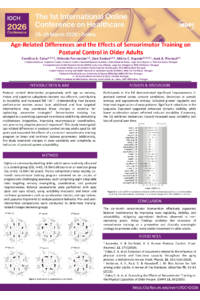
Age-Related Differences and the Effects of Sensorimotor Training on Postural Control in Older Adults
'%3e%3cpath%20d='M12.6647%2010.9104C12.4176%2010.325%2012.0589%209.7933%2011.6088%209.34485C11.16%208.89511%2010.6283%208.53653%2010.0432%208.28891C10.038%208.28629%2010.0327%208.28498%2010.0275%208.28236C10.8437%207.69282%2011.3743%206.73252%2011.3743%205.64907C11.3743%203.85423%209.92005%202.40002%208.12522%202.40002C6.33038%202.40002%204.87618%203.85423%204.87618%205.64907C4.87618%206.73252%205.40677%207.69282%206.22296%208.28367C6.21772%208.28629%206.21248%208.2876%206.20724%208.29022C5.62031%208.53783%205.09365%208.89287%204.64167%209.34616C4.19192%209.79496%203.83334%2010.3266%203.58573%2010.9117C3.34247%2011.4846%203.21128%2012.0987%203.19925%2012.721C3.1989%2012.735%203.20135%2012.7489%203.20646%2012.7619C3.21157%2012.7749%203.21924%2012.7868%203.22901%2012.7968C3.23877%2012.8068%203.25045%2012.8148%203.26334%2012.8202C3.27623%2012.8256%203.29007%2012.8284%203.30406%2012.8284H4.09012C4.14776%2012.8284%204.19362%2012.7825%204.19493%2012.7262C4.22113%2011.7148%204.62726%2010.7676%205.34519%2010.0497C6.08802%209.30686%207.07452%208.89811%208.12522%208.89811C9.17592%208.89811%2010.1624%209.30686%2010.9052%2010.0497C11.6232%2010.7676%2012.0293%2011.7148%2012.0555%2012.7262C12.0568%2012.7839%2012.1027%2012.8284%2012.1603%2012.8284H12.9464C12.9604%2012.8284%2012.9742%2012.8256%2012.9871%2012.8202C13%2012.8148%2013.0117%2012.8068%2013.0214%2012.7968C13.0312%2012.7868%2013.0389%2012.7749%2013.044%2012.7619C13.0491%2012.7489%2013.0515%2012.735%2013.0512%2012.721C13.0381%2012.0947%2012.9084%2011.4856%2012.6647%2010.9104ZM8.12522%207.90243C7.52388%207.90243%206.95792%207.66793%206.53214%207.24215C6.10636%206.81636%205.87185%206.2504%205.87185%205.64907C5.87185%205.04773%206.10636%204.48177%206.53214%204.05599C6.95792%203.63021%207.52388%203.3957%208.12522%203.3957C8.72655%203.3957%209.29252%203.63021%209.7183%204.05599C10.1441%204.48177%2010.3786%205.04773%2010.3786%205.64907C10.3786%206.2504%2010.1441%206.81636%209.7183%207.24215C9.29252%207.66793%208.72655%207.90243%208.12522%207.90243Z'%20fill='%235D1EE1'/%3e%3c/g%3e%3c/svg%3e)
Carolina Alexandra Cabo 1,2,3,4
Orlando Fernandes 1,2
Sara Santos 1,2,5

Mário C. Espada 2,3,4,6,7

Jose Alberto Parraca 1,2
1. Departamento de Desporto e Saúde, Escola de Saúde e Desenvolvimento Humano, Universidade de Évora, Largo dos Colegiais 2, 7000-645 Évora, Portugal
2. Comprehensive Health Research Centre (CHRC), University of Évora, Largo dos Colegiais 2, 7000-645 Évora, Portugal
3. Instituto Politécnico de Setúbal, Escola Superior de Educação, 2914-504 Setúbal, Portugal
4. Sport Physical activity and health Research & Innovation Center (SPRINT), 2040-413 Rio Maior, Portugal
5. School of Health Sciences, University of Algarve (ESSUAlg), 8005-139 Faro, Portugal
6. Life Quality Research Centre (CIEQV), Setúbal, Portugal
7. CIPER, Faculdade de Motricidade Humana, Universidade de Lisboa, 1499-002 Lisboa, Portugal
Abstract
Introduction: Postural control deteriorates progressively with age as sensory, motor, and cognitive subsystems become less efficient, contributing to instability and increased fall risk. Understanding how balance performance evolves across later adulthood and how targeted interventions may counteract these changes is essential for optimizing preventive strategies. Sensorimotor training has emerged as a promising approach to enhance stability by stimulating multisensory integration and adaptive postural responses. This study investigated age-related differences in postural control among adults aged 55–80 years and evaluated the effects of a six-month sensorimotor training program on linear and nonlinear balance parameters.
Methods: Eighty-six community-dwelling older adults were randomly allocated to a Control Group (CG, n = 43; 73.50 ± 6.08 years) or an Exercise Group (EG, n = 43; 72.40 ± 7.03 years). The EG completed a twice-weekly, six-month sensorimotor training program centred on six circuits of progressively challenging exercises, each comprising eight adaptable tasks targeting sensory reweighting, coordination, and postural responsiveness. Balance assessments were performed with eyes open and eyes closed, using variability measures and linear and nonlinear parameters, including acceleration metrics, entropy indices, and Lyapunov Exponents, to analyze postural behavior.
Results: Participants in the EG demonstrated significant improvements in postural control across sensory conditions. Decreases in sample entropy and approximate entropy indicated greater regularity and improved organisation of sway patterns. Significant reductions in the Lyapunov Exponent suggested enhanced dynamic stability, while lower acceleration values reflected reduced instability. Conversely, the CG exhibited tendencies toward increased sway variability and loss of control over time.
Conclusions: The six-month sensorimotor intervention effectively supported balance maintenance by improving sway regularity, stability, and adaptability, mitigating age-related declines observed in non-exercising peers. These findings reinforce the relevance of sensorimotor training as a preventive and clinically meaningful strategy to promote safer, more stable movement in older adults.
Keywords
Sensorimotor training
Postural control
Balance stability-
Aging
Fall prevention
Older adults
Poster
poster IOCH 2026.pdf
Emergency Department Presentations Due to Psychoactive Substances: A Retrospective Analysis
Managing Online Breastfeeding Consultations Using LDA and BERTopic: A Topic Modeling Approach