Event submissions
Published
This submission belongs to the session S9. Experimental and Clinical Neurosciences of the event The 1st International Online Conference on Behavioral Sciences
Published date
30 Mar, 2026
Academic Editor
'%3e%3cpath%20d='M12.6657%2010.9104C12.4185%2010.325%2012.0599%209.79327%2011.6097%209.34482C11.1609%208.89508%2010.6293%208.5365%2010.0442%208.28888C10.0389%208.28626%2010.0337%208.28495%2010.0285%208.28233C10.8446%207.69279%2011.3752%206.73249%2011.3752%205.64904C11.3752%203.8542%209.92103%202.39999%208.1262%202.39999C6.33136%202.39999%204.87715%203.8542%204.87715%205.64904C4.87715%206.73249%205.40774%207.69279%206.22393%208.28364C6.21869%208.28626%206.21345%208.28757%206.20821%208.29019C5.62129%208.5378%205.09463%208.89284%204.64265%209.34613C4.1929%209.79493%203.83432%2010.3266%203.58671%2010.9117C3.34345%2011.4845%203.21226%2012.0987%203.20023%2012.7209C3.19988%2012.7349%203.20233%2012.7488%203.20744%2012.7619C3.21255%2012.7749%203.22022%2012.7867%203.22998%2012.7968C3.23975%2012.8068%203.25142%2012.8147%203.26431%2012.8202C3.2772%2012.8256%203.29105%2012.8284%203.30504%2012.8284H4.09109C4.14874%2012.8284%204.19459%2012.7825%204.1959%2012.7262C4.2221%2011.7148%204.62823%2010.7676%205.34617%2010.0497C6.08899%209.30683%207.0755%208.89808%208.1262%208.89808C9.17689%208.89808%2010.1634%209.30683%2010.9062%2010.0497C11.6242%2010.7676%2012.0303%2011.7148%2012.0565%2012.7262C12.0578%2012.7838%2012.1037%2012.8284%2012.1613%2012.8284H12.9474C12.9613%2012.8284%2012.9752%2012.8256%2012.9881%2012.8202C13.001%2012.8147%2013.0126%2012.8068%2013.0224%2012.7968C13.0322%2012.7867%2013.0398%2012.7749%2013.0449%2012.7619C13.0501%2012.7488%2013.0525%2012.7349%2013.0522%2012.7209C13.0391%2012.0947%2012.9094%2011.4855%2012.6657%2010.9104ZM8.1262%207.9024C7.52486%207.9024%206.9589%207.6679%206.53312%207.24211C6.10733%206.81633%205.87283%206.25037%205.87283%205.64904C5.87283%205.0477%206.10733%204.48174%206.53312%204.05596C6.9589%203.63018%207.52486%203.39567%208.1262%203.39567C8.72753%203.39567%209.29349%203.63018%209.71927%204.05596C10.1451%204.48174%2010.3796%205.0477%2010.3796%205.64904C10.3796%206.25037%2010.1451%206.81633%209.71927%207.24211C9.29349%207.6679%208.72753%207.9024%208.1262%207.9024Z'%20fill='%235D1EE1'/%3e%3c/g%3e%3c/svg%3e) Bin Hu
Bin HuCitation
Jose Joaquin Merino, Maria Jesús Pelaz Fernández, José María Parmigiani-Cabaña, José María Parmigiani-Izquierdo, Rubén Fernández-García, María Eugenia Cabaña-Muñoz, Long-term curcumin supplementation in patients with anxiety prevents monocyte activation and reduces systemic sCD14 levels (a monocyte activation marker), in Proceedings of The 1st International Online Conference on Behavioral Sciences, 1 April–3 April 2026, MDPI: Basel, Switzerland
Share
Email
Facebook
Twitter
LinkedIn
Long-term curcumin supplementation in patients with anxiety prevents monocyte activation and reduces systemic sCD14 levels (a monocyte activation marker)
'%3e%3cpath%20d='M12.6647%2010.9104C12.4176%2010.325%2012.0589%209.7933%2011.6088%209.34485C11.16%208.89511%2010.6283%208.53653%2010.0432%208.28891C10.038%208.28629%2010.0327%208.28498%2010.0275%208.28236C10.8437%207.69282%2011.3743%206.73252%2011.3743%205.64907C11.3743%203.85423%209.92005%202.40002%208.12522%202.40002C6.33038%202.40002%204.87618%203.85423%204.87618%205.64907C4.87618%206.73252%205.40677%207.69282%206.22296%208.28367C6.21772%208.28629%206.21248%208.2876%206.20724%208.29022C5.62031%208.53783%205.09365%208.89287%204.64167%209.34616C4.19192%209.79496%203.83334%2010.3266%203.58573%2010.9117C3.34247%2011.4846%203.21128%2012.0987%203.19925%2012.721C3.1989%2012.735%203.20135%2012.7489%203.20646%2012.7619C3.21157%2012.7749%203.21924%2012.7868%203.22901%2012.7968C3.23877%2012.8068%203.25045%2012.8148%203.26334%2012.8202C3.27623%2012.8256%203.29007%2012.8284%203.30406%2012.8284H4.09012C4.14776%2012.8284%204.19362%2012.7825%204.19493%2012.7262C4.22113%2011.7148%204.62726%2010.7676%205.34519%2010.0497C6.08802%209.30686%207.07452%208.89811%208.12522%208.89811C9.17592%208.89811%2010.1624%209.30686%2010.9052%2010.0497C11.6232%2010.7676%2012.0293%2011.7148%2012.0555%2012.7262C12.0568%2012.7839%2012.1027%2012.8284%2012.1603%2012.8284H12.9464C12.9604%2012.8284%2012.9742%2012.8256%2012.9871%2012.8202C13%2012.8148%2013.0117%2012.8068%2013.0214%2012.7968C13.0312%2012.7868%2013.0389%2012.7749%2013.044%2012.7619C13.0491%2012.7489%2013.0515%2012.735%2013.0512%2012.721C13.0381%2012.0947%2012.9084%2011.4856%2012.6647%2010.9104ZM8.12522%207.90243C7.52388%207.90243%206.95792%207.66793%206.53214%207.24215C6.10636%206.81636%205.87185%206.2504%205.87185%205.64907C5.87185%205.04773%206.10636%204.48177%206.53214%204.05599C6.95792%203.63021%207.52388%203.3957%208.12522%203.3957C8.72655%203.3957%209.29252%203.63021%209.7183%204.05599C10.1441%204.48177%2010.3786%205.04773%2010.3786%205.64907C10.3786%206.2504%2010.1441%206.81636%209.7183%207.24215C9.29252%207.66793%208.72655%207.90243%208.12522%207.90243Z'%20fill='%235D1EE1'/%3e%3c/g%3e%3c/svg%3e)
Jose Joaquin Merino 1,2,3
Maria Jesús Pelaz Fernández 4
José María Parmigiani-Cabaña 5
José María Parmigiani-Izquierdo 5

Rubén Fernández-García 6
María Eugenia Cabaña-Muñoz 5,7
1. Grupo de Medicina Regenerativa, Instituto de Investigación Sanitaria Hospital 12 de Octubre, Madrid, Spain
2. Instituto Pluridisciplinar (UCM), Madrid, Spain
3. Facultad de Farmacia, Departamento de Farmacología, Farmacognosia y Botánica (UCM), Universidad Complutense de Madrid, Madrid, Spain
4. BIONORDIC, Valladolid, Spain
5. Clinica CIROM, Murcia, Spain
6. Departamento de Enfermería, Fisioterapia y Medicina, Universidad de Almeria, Almería, Spain
7. Private Dentist Practice, Private Clinic, 30001 Murcia, Spain.
Abstract
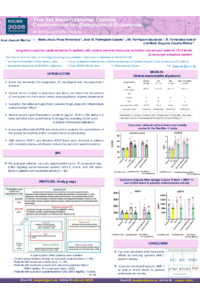
Stress can accelerate the progression of neurological and neuropsychiatric diseases. In fact, chronic stress is linked to hypertension, anxiety, and depression, which increase oxidative stress and promote neuroinflammation, which are factors involved in age-related dementia. Curcumin, the active principle from Curcuma longa, plays anti-inflammatory and antioxidant roles and mitigates detrimental effects of stress. Stress often promotes depression, activates distinct neuronal circuits in the brain and provokes neuroinflammation and neurodegeneration. Acute stress has short-term effects on the immune system, including changes in the number and composition of circulating monocytes, and increases cytokine levels. Mediators of inflammation have been found to be higher in individuals with depression, while stress-induced increase in blood monocyte levels is independent of monocyte subtypes. Stress affects monocyte levels in pathological chronic stress-related conditions, including anxiety and depression or post-traumatic stress disorder.
Since pharmacological anti-stress drugs have some adverse effects, long-term curcumin supplementation (1800 mg/day) over 90 consecutive days in patients with moderate anxiety prevented sCD14 increase casued by stress; additionally, MCP-1-induced overproduction by anxiety as a chemotactic mechanism can activate monocytes in certain neurological conditions. Both increases in sCD14 and MCP-1 levels were reverted by curcuminoids in patients with anxiety. Thus, curcumin prevented anxiety behaviour, due to decreased cortisol and reduced systemic cytokine levels in patients with moderate anxiety.
Keywords
cortisol
monocytes
sCD14
chemokines
neuroinflamation
cognition
stress and behavior
stress and chemokines
Poster
2Behavioral congress José Joaquin Merino.pdf
The Ethics of Seeing: Contextual Moderation of Altered Image Acceptability
Post-Anesthesia Awareness and PTSD Risk: Exploring the Psychological Aftermath of Intraoperative Awareness