Event submissions
Published
This submission belongs to the session S5. Society and Technology of the event The 1st International Online Conference on Social Sciences
Published date
25 May, 2026
Academic Editor
'%3e%3cpath%20d='M12.6657%2010.9104C12.4185%2010.325%2012.0599%209.79327%2011.6097%209.34482C11.1609%208.89508%2010.6293%208.5365%2010.0442%208.28888C10.0389%208.28626%2010.0337%208.28495%2010.0285%208.28233C10.8446%207.69279%2011.3752%206.73249%2011.3752%205.64904C11.3752%203.8542%209.92103%202.39999%208.1262%202.39999C6.33136%202.39999%204.87715%203.8542%204.87715%205.64904C4.87715%206.73249%205.40774%207.69279%206.22393%208.28364C6.21869%208.28626%206.21345%208.28757%206.20821%208.29019C5.62129%208.5378%205.09463%208.89284%204.64265%209.34613C4.1929%209.79493%203.83432%2010.3266%203.58671%2010.9117C3.34345%2011.4845%203.21226%2012.0987%203.20023%2012.7209C3.19988%2012.7349%203.20233%2012.7488%203.20744%2012.7619C3.21255%2012.7749%203.22022%2012.7867%203.22998%2012.7968C3.23975%2012.8068%203.25142%2012.8147%203.26431%2012.8202C3.2772%2012.8256%203.29105%2012.8284%203.30504%2012.8284H4.09109C4.14874%2012.8284%204.19459%2012.7825%204.1959%2012.7262C4.2221%2011.7148%204.62823%2010.7676%205.34617%2010.0497C6.08899%209.30683%207.0755%208.89808%208.1262%208.89808C9.17689%208.89808%2010.1634%209.30683%2010.9062%2010.0497C11.6242%2010.7676%2012.0303%2011.7148%2012.0565%2012.7262C12.0578%2012.7838%2012.1037%2012.8284%2012.1613%2012.8284H12.9474C12.9613%2012.8284%2012.9752%2012.8256%2012.9881%2012.8202C13.001%2012.8147%2013.0126%2012.8068%2013.0224%2012.7968C13.0322%2012.7867%2013.0398%2012.7749%2013.0449%2012.7619C13.0501%2012.7488%2013.0525%2012.7349%2013.0522%2012.7209C13.0391%2012.0947%2012.9094%2011.4855%2012.6657%2010.9104ZM8.1262%207.9024C7.52486%207.9024%206.9589%207.6679%206.53312%207.24211C6.10733%206.81633%205.87283%206.25037%205.87283%205.64904C5.87283%205.0477%206.10733%204.48174%206.53312%204.05596C6.9589%203.63018%207.52486%203.39567%208.1262%203.39567C8.72753%203.39567%209.29349%203.63018%209.71927%204.05596C10.1451%204.48174%2010.3796%205.0477%2010.3796%205.64904C10.3796%206.25037%2010.1451%206.81633%209.71927%207.24211C9.29349%207.6679%208.72753%207.9024%208.1262%207.9024Z'%20fill='%235D1EE1'/%3e%3c/g%3e%3c/svg%3e) Daniel McCarthy
Daniel McCarthyCitation
Seyed Amir Iravani, Hojjat Kazemi, Privacy Curtain—Sacrificing Causal Inference in Predictive Systems? Revisiting Value Conflict from a Modern Paradox , in Proceedings of The 1st International Online Conference on Social Sciences, 28 May–29 May 2026, MDPI: Basel, Switzerland
Share
Email
Facebook
Twitter
LinkedIn
Privacy Curtain—Sacrificing Causal Inference in Predictive Systems? Revisiting Value Conflict from a Modern Paradox
'%3e%3cpath%20d='M12.6647%2010.9104C12.4176%2010.325%2012.0589%209.7933%2011.6088%209.34485C11.16%208.89511%2010.6283%208.53653%2010.0432%208.28891C10.038%208.28629%2010.0327%208.28498%2010.0275%208.28236C10.8437%207.69282%2011.3743%206.73252%2011.3743%205.64907C11.3743%203.85423%209.92005%202.40002%208.12522%202.40002C6.33038%202.40002%204.87618%203.85423%204.87618%205.64907C4.87618%206.73252%205.40677%207.69282%206.22296%208.28367C6.21772%208.28629%206.21248%208.2876%206.20724%208.29022C5.62031%208.53783%205.09365%208.89287%204.64167%209.34616C4.19192%209.79496%203.83334%2010.3266%203.58573%2010.9117C3.34247%2011.4846%203.21128%2012.0987%203.19925%2012.721C3.1989%2012.735%203.20135%2012.7489%203.20646%2012.7619C3.21157%2012.7749%203.21924%2012.7868%203.22901%2012.7968C3.23877%2012.8068%203.25045%2012.8148%203.26334%2012.8202C3.27623%2012.8256%203.29007%2012.8284%203.30406%2012.8284H4.09012C4.14776%2012.8284%204.19362%2012.7825%204.19493%2012.7262C4.22113%2011.7148%204.62726%2010.7676%205.34519%2010.0497C6.08802%209.30686%207.07452%208.89811%208.12522%208.89811C9.17592%208.89811%2010.1624%209.30686%2010.9052%2010.0497C11.6232%2010.7676%2012.0293%2011.7148%2012.0555%2012.7262C12.0568%2012.7839%2012.1027%2012.8284%2012.1603%2012.8284H12.9464C12.9604%2012.8284%2012.9742%2012.8256%2012.9871%2012.8202C13%2012.8148%2013.0117%2012.8068%2013.0214%2012.7968C13.0312%2012.7868%2013.0389%2012.7749%2013.044%2012.7619C13.0491%2012.7489%2013.0515%2012.735%2013.0512%2012.721C13.0381%2012.0947%2012.9084%2011.4856%2012.6647%2010.9104ZM8.12522%207.90243C7.52388%207.90243%206.95792%207.66793%206.53214%207.24215C6.10636%206.81636%205.87185%206.2504%205.87185%205.64907C5.87185%205.04773%206.10636%204.48177%206.53214%204.05599C6.95792%203.63021%207.52388%203.3957%208.12522%203.3957C8.72655%203.3957%209.29252%203.63021%209.7183%204.05599C10.1441%204.48177%2010.3786%205.04773%2010.3786%205.64907C10.3786%206.2504%2010.1441%206.81636%209.7183%207.24215C9.29252%207.66793%208.72655%207.90243%208.12522%207.90243Z'%20fill='%235D1EE1'/%3e%3c/g%3e%3c/svg%3e)
Seyed Amir Iravani 1
Hojjat Kazemi 1
1. Faculty of Law and Political Science, University of Tehran, Tehran, 14155-6619, Islamic Republic of Iran
Abstract
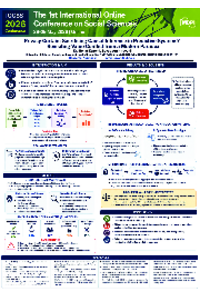
In the era of machine learning-driven predictive systems, data anonymization and perturbation techniques have become widespread for protecting individual and group privacy and simulating rare events. Yet these approaches frequently undermine causal inference, reduce model accuracy, and enlarge predictive gaps—the critical disparity between statistical inferences derived from training data and definitive operational predictions.
This review investigates the inverse relationship between privacy preservation and predictive performance, conceptualizing it as a contemporary value conflict embedded in technicism: over-reliance on technical fixes that unintentionally intensify systematic biases within intelligent automation.
Central research questions include the following: Does privacy protection via data perturbation obstruct models’ direct grasp of human behavioral patterns? What are the downstream effects of predictive gaps on task automation and societal biases? Drawing heavily on Max Weber’s value pluralism, instrumental rationality, and the (iron cage) metaphor—alongside Isaiah Berlin’s insights—the analysis demonstrates how technocratic solutions and unilateral privacy advocacy fail to resolve the inherent tension, reducing a deep value clash to mere technical problems and perpetuating a vicious cycle of increasing complexity.
A hybrid methodology combined horizontal and vertical literature reviews. From Scopus, IEEE, and Google Scholar (2019–2025), 21 sources were selected using keywords “Machine Learning,” “Model Accuracy,” and “Privacy,” then coded in MAXQDA 24 across five categories, revealing four major gaps: insufficient social-science framing, the need for multidimensional assessment, technical–social disconnect, and unexamined sociological privacy–accuracy links.
Findings show that “infrastructural privacy” widens predictive gaps, echoing Weber’s iron cage where rationality traps rather than liberates. Real-world cases (supermarket pregnancy targeting, counterterrorism metadata analysis) highlight privacy violations and error amplification via proxy data. While protective, synthetic data and differential privacy distort genuine causal relations, fostering biases in sensitive automation domains such as policy-making.
The review concludes that meaningful resolution demands explicit value-based trade-offs_neither absolute technicism nor uncompromising privacy absolutism_to curb systematic biases in socio-technical systems.
Keywords
Technicism
Predictive Gap
Systematic Bias
Infrastructural Privacy
Machine Learning
Value Conflict
Poster
poster.pdf
Gendered Cyber Insecurities: Risk Perception, Protective Behaviors, and Victimization in Digital Environments
From Editorial Gatekeeping to Agentic Media Curation: A Conceptual Model for Reinforcement Learning Systems and Societal Accountability