Event submissions
Published
This submission belongs to the session S5. STEM Education of the event The 1st International Online Conference on Education Sciences
Published date
10 Jun, 2026
Academic Editor
'%3e%3cpath%20d='M12.6657%2010.9104C12.4185%2010.325%2012.0599%209.79327%2011.6097%209.34482C11.1609%208.89508%2010.6293%208.5365%2010.0442%208.28888C10.0389%208.28626%2010.0337%208.28495%2010.0285%208.28233C10.8446%207.69279%2011.3752%206.73249%2011.3752%205.64904C11.3752%203.8542%209.92103%202.39999%208.1262%202.39999C6.33136%202.39999%204.87715%203.8542%204.87715%205.64904C4.87715%206.73249%205.40774%207.69279%206.22393%208.28364C6.21869%208.28626%206.21345%208.28757%206.20821%208.29019C5.62129%208.5378%205.09463%208.89284%204.64265%209.34613C4.1929%209.79493%203.83432%2010.3266%203.58671%2010.9117C3.34345%2011.4845%203.21226%2012.0987%203.20023%2012.7209C3.19988%2012.7349%203.20233%2012.7488%203.20744%2012.7619C3.21255%2012.7749%203.22022%2012.7867%203.22998%2012.7968C3.23975%2012.8068%203.25142%2012.8147%203.26431%2012.8202C3.2772%2012.8256%203.29105%2012.8284%203.30504%2012.8284H4.09109C4.14874%2012.8284%204.19459%2012.7825%204.1959%2012.7262C4.2221%2011.7148%204.62823%2010.7676%205.34617%2010.0497C6.08899%209.30683%207.0755%208.89808%208.1262%208.89808C9.17689%208.89808%2010.1634%209.30683%2010.9062%2010.0497C11.6242%2010.7676%2012.0303%2011.7148%2012.0565%2012.7262C12.0578%2012.7838%2012.1037%2012.8284%2012.1613%2012.8284H12.9474C12.9613%2012.8284%2012.9752%2012.8256%2012.9881%2012.8202C13.001%2012.8147%2013.0126%2012.8068%2013.0224%2012.7968C13.0322%2012.7867%2013.0398%2012.7749%2013.0449%2012.7619C13.0501%2012.7488%2013.0525%2012.7349%2013.0522%2012.7209C13.0391%2012.0947%2012.9094%2011.4855%2012.6657%2010.9104ZM8.1262%207.9024C7.52486%207.9024%206.9589%207.6679%206.53312%207.24211C6.10733%206.81633%205.87283%206.25037%205.87283%205.64904C5.87283%205.0477%206.10733%204.48174%206.53312%204.05596C6.9589%203.63018%207.52486%203.39567%208.1262%203.39567C8.72753%203.39567%209.29349%203.63018%209.71927%204.05596C10.1451%204.48174%2010.3796%205.0477%2010.3796%205.64904C10.3796%206.25037%2010.1451%206.81633%209.71927%207.24211C9.29349%207.6679%208.72753%207.9024%208.1262%207.9024Z'%20fill='%235D1EE1'/%3e%3c/g%3e%3c/svg%3e) Daniel Muijs
Daniel MuijsCitation
Emmanuel Junior Asa, Evaluating Factors Affecting the Effectiveness of Physics Teaching and Learning in Senior Secondary Schools: Evidence from Papua New Guinea within a Global STEM Education Context, in Proceedings of The 1st International Online Conference on Education Sciences, 15 June–17 June 2026, MDPI: Basel, Switzerland
Share
Email
Facebook
Twitter
LinkedIn
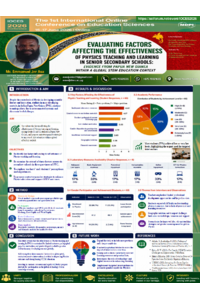
Evaluating Factors Affecting the Effectiveness of Physics Teaching and Learning in Senior Secondary Schools: Evidence from Papua New Guinea within a Global STEM Education Context
'%3e%3cpath%20d='M12.6647%2010.9104C12.4176%2010.325%2012.0589%209.7933%2011.6088%209.34485C11.16%208.89511%2010.6283%208.53653%2010.0432%208.28891C10.038%208.28629%2010.0327%208.28498%2010.0275%208.28236C10.8437%207.69282%2011.3743%206.73252%2011.3743%205.64907C11.3743%203.85423%209.92005%202.40002%208.12522%202.40002C6.33038%202.40002%204.87618%203.85423%204.87618%205.64907C4.87618%206.73252%205.40677%207.69282%206.22296%208.28367C6.21772%208.28629%206.21248%208.2876%206.20724%208.29022C5.62031%208.53783%205.09365%208.89287%204.64167%209.34616C4.19192%209.79496%203.83334%2010.3266%203.58573%2010.9117C3.34247%2011.4846%203.21128%2012.0987%203.19925%2012.721C3.1989%2012.735%203.20135%2012.7489%203.20646%2012.7619C3.21157%2012.7749%203.21924%2012.7868%203.22901%2012.7968C3.23877%2012.8068%203.25045%2012.8148%203.26334%2012.8202C3.27623%2012.8256%203.29007%2012.8284%203.30406%2012.8284H4.09012C4.14776%2012.8284%204.19362%2012.7825%204.19493%2012.7262C4.22113%2011.7148%204.62726%2010.7676%205.34519%2010.0497C6.08802%209.30686%207.07452%208.89811%208.12522%208.89811C9.17592%208.89811%2010.1624%209.30686%2010.9052%2010.0497C11.6232%2010.7676%2012.0293%2011.7148%2012.0555%2012.7262C12.0568%2012.7839%2012.1027%2012.8284%2012.1603%2012.8284H12.9464C12.9604%2012.8284%2012.9742%2012.8256%2012.9871%2012.8202C13%2012.8148%2013.0117%2012.8068%2013.0214%2012.7968C13.0312%2012.7868%2013.0389%2012.7749%2013.044%2012.7619C13.0491%2012.7489%2013.0515%2012.735%2013.0512%2012.721C13.0381%2012.0947%2012.9084%2011.4856%2012.6647%2010.9104ZM8.12522%207.90243C7.52388%207.90243%206.95792%207.66793%206.53214%207.24215C6.10636%206.81636%205.87185%206.2504%205.87185%205.64907C5.87185%205.04773%206.10636%204.48177%206.53214%204.05599C6.95792%203.63021%207.52388%203.3957%208.12522%203.3957C8.72655%203.3957%209.29252%203.63021%209.7183%204.05599C10.1441%204.48177%2010.3786%205.04773%2010.3786%205.64907C10.3786%206.2504%2010.1441%206.81636%209.7183%207.24215C9.29252%207.66793%208.72655%207.90243%208.12522%207.90243Z'%20fill='%235D1EE1'/%3e%3c/g%3e%3c/svg%3e)
Emmanuel Junior Asa 1
1. Department of Primary Teacher Education, Faculty of Education, Divine Word University St. Benedict’s Campus Wewak, Port Moresby, Wewak, East Sepik, P.O Box 542, Papua New Guinea
Abstract
Across many developing and under-resourced education systems worldwide, persistent underachievement in secondary school Physics remains a critical barrier to strengthening STEM capacity and fostering participation in the global knowledge economy. While Physics is central to developing scientific literacy, analytical thinking, and innovation, students in many contexts continue to perform below expectations due to interconnected systemic and classroom-level challenges.
This study investigates the factors influencing the effectiveness of Physics teaching and learning among Grade 11 and 12 students in Papua New Guinea, offering insights that resonate with similar educational contexts internationally. Conducted in six diverse secondary schools across Madang, East Sepik, and West Sepik Provinces, the research employs a mixed-methods approach, including questionnaires, semi-structured interviews, and classroom observations. Participants comprised six Physics teachers and sixty senior secondary students.
Findings reveal a complex interplay of challenges consistent with global trends in STEM education in developing contexts. These include limited access to clear and contextually relevant curriculum materials, gaps in teachers’ pedagogical content knowledge, inadequate laboratory infrastructure, low student motivation, and persistent gender disparities in participation and achievement. Additionally, structural inequities—such as geographic isolation, financial constraints, and limited institutional support—further exacerbate disparities, particularly in rural and remote schools.
Beyond identifying constraints, this study contributes to the international discourse on improving STEM education by proposing context-responsive and scalable strategies. These include strengthening teacher professional development, contextualizing curriculum design, enhancing equitable resource distribution, and implementing targeted interventions to address gender imbalance and student engagement. The study underscores the importance of aligning national reforms with localized realities while drawing on global best practices.
The significance of this research extends beyond Papua New Guinea. Its findings offer transferable lessons for other low- and middle-income countries striving to improve Physics education and broader STEM outcomes. By addressing these persistent challenges, education systems can better prepare students with the competencies required for participation in an increasingly technology-driven and interconnected world.
Ultimately, improving Physics education is not only a national imperative but also a global priority. This study provides evidence-based insights to inform policy, practice, and future research aimed at advancing equitable and effective STEM education worldwide.
Keywords
Physics education
STEM education
secondary schools
developing countries
pedagogy
curriculum
laboratory resources
teacher professional development
student motivation
gender equity
educational equity
Poster
Poster Final MPDI.pdf
The Impact of Digital Literacy Training Programs on Teachers' Instructional Quality in Kaduna State.
“I Should Now Confess That I Followed the Banking System of Education…”: Reexamining and Reimaging my Teaching Practices Through Critical Pedagogy Lens