Event submissions
Published
This submission belongs to the session S3. Emerging Chemicals: Environment Risks and Health Effects of the event The 1st International Online Conference on Xenobiotics
Published date
17 Jun, 2026
Academic Editor
'%3e%3cpath%20d='M12.6657%2010.9104C12.4185%2010.325%2012.0599%209.79327%2011.6097%209.34482C11.1609%208.89508%2010.6293%208.5365%2010.0442%208.28888C10.0389%208.28626%2010.0337%208.28495%2010.0285%208.28233C10.8446%207.69279%2011.3752%206.73249%2011.3752%205.64904C11.3752%203.8542%209.92103%202.39999%208.1262%202.39999C6.33136%202.39999%204.87715%203.8542%204.87715%205.64904C4.87715%206.73249%205.40774%207.69279%206.22393%208.28364C6.21869%208.28626%206.21345%208.28757%206.20821%208.29019C5.62129%208.5378%205.09463%208.89284%204.64265%209.34613C4.1929%209.79493%203.83432%2010.3266%203.58671%2010.9117C3.34345%2011.4845%203.21226%2012.0987%203.20023%2012.7209C3.19988%2012.7349%203.20233%2012.7488%203.20744%2012.7619C3.21255%2012.7749%203.22022%2012.7867%203.22998%2012.7968C3.23975%2012.8068%203.25142%2012.8147%203.26431%2012.8202C3.2772%2012.8256%203.29105%2012.8284%203.30504%2012.8284H4.09109C4.14874%2012.8284%204.19459%2012.7825%204.1959%2012.7262C4.2221%2011.7148%204.62823%2010.7676%205.34617%2010.0497C6.08899%209.30683%207.0755%208.89808%208.1262%208.89808C9.17689%208.89808%2010.1634%209.30683%2010.9062%2010.0497C11.6242%2010.7676%2012.0303%2011.7148%2012.0565%2012.7262C12.0578%2012.7838%2012.1037%2012.8284%2012.1613%2012.8284H12.9474C12.9613%2012.8284%2012.9752%2012.8256%2012.9881%2012.8202C13.001%2012.8147%2013.0126%2012.8068%2013.0224%2012.7968C13.0322%2012.7867%2013.0398%2012.7749%2013.0449%2012.7619C13.0501%2012.7488%2013.0525%2012.7349%2013.0522%2012.7209C13.0391%2012.0947%2012.9094%2011.4855%2012.6657%2010.9104ZM8.1262%207.9024C7.52486%207.9024%206.9589%207.6679%206.53312%207.24211C6.10733%206.81633%205.87283%206.25037%205.87283%205.64904C5.87283%205.0477%206.10733%204.48174%206.53312%204.05596C6.9589%203.63018%207.52486%203.39567%208.1262%203.39567C8.72753%203.39567%209.29349%203.63018%209.71927%204.05596C10.1451%204.48174%2010.3796%205.0477%2010.3796%205.64904C10.3796%206.25037%2010.1451%206.81633%209.71927%207.24211C9.29349%207.6679%208.72753%207.9024%208.1262%207.9024Z'%20fill='%235D1EE1'/%3e%3c/g%3e%3c/svg%3e) A. P. Pinto
A. P. PintoCitation
Mariem Ben Rhouma, Lina Chouchene, Kaouthar Kessabi, Sana Boughammoura, Asma Haddadi, Massimo Venditti, Imed Messaoudi, Maternal Bisphenol S exposure impairs testicular function in adult Wistar rat offspring via thyroid axis disruption, in Proceedings of The 1st International Online Conference on Xenobiotics, 22 June–23 June 2026, MDPI: Basel, Switzerland
Share
Email
Facebook
Twitter
LinkedIn
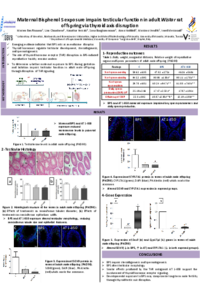
Maternal Bisphenol S exposure impairs testicular function in adult Wistar rat offspring via thyroid axis disruption
'%3e%3cpath%20d='M12.6647%2010.9104C12.4176%2010.325%2012.0589%209.7933%2011.6088%209.34485C11.16%208.89511%2010.6283%208.53653%2010.0432%208.28891C10.038%208.28629%2010.0327%208.28498%2010.0275%208.28236C10.8437%207.69282%2011.3743%206.73252%2011.3743%205.64907C11.3743%203.85423%209.92005%202.40002%208.12522%202.40002C6.33038%202.40002%204.87618%203.85423%204.87618%205.64907C4.87618%206.73252%205.40677%207.69282%206.22296%208.28367C6.21772%208.28629%206.21248%208.2876%206.20724%208.29022C5.62031%208.53783%205.09365%208.89287%204.64167%209.34616C4.19192%209.79496%203.83334%2010.3266%203.58573%2010.9117C3.34247%2011.4846%203.21128%2012.0987%203.19925%2012.721C3.1989%2012.735%203.20135%2012.7489%203.20646%2012.7619C3.21157%2012.7749%203.21924%2012.7868%203.22901%2012.7968C3.23877%2012.8068%203.25045%2012.8148%203.26334%2012.8202C3.27623%2012.8256%203.29007%2012.8284%203.30406%2012.8284H4.09012C4.14776%2012.8284%204.19362%2012.7825%204.19493%2012.7262C4.22113%2011.7148%204.62726%2010.7676%205.34519%2010.0497C6.08802%209.30686%207.07452%208.89811%208.12522%208.89811C9.17592%208.89811%2010.1624%209.30686%2010.9052%2010.0497C11.6232%2010.7676%2012.0293%2011.7148%2012.0555%2012.7262C12.0568%2012.7839%2012.1027%2012.8284%2012.1603%2012.8284H12.9464C12.9604%2012.8284%2012.9742%2012.8256%2012.9871%2012.8202C13%2012.8148%2013.0117%2012.8068%2013.0214%2012.7968C13.0312%2012.7868%2013.0389%2012.7749%2013.044%2012.7619C13.0491%2012.7489%2013.0515%2012.735%2013.0512%2012.721C13.0381%2012.0947%2012.9084%2011.4856%2012.6647%2010.9104ZM8.12522%207.90243C7.52388%207.90243%206.95792%207.66793%206.53214%207.24215C6.10636%206.81636%205.87185%206.2504%205.87185%205.64907C5.87185%205.04773%206.10636%204.48177%206.53214%204.05599C6.95792%203.63021%207.52388%203.3957%208.12522%203.3957C8.72655%203.3957%209.29252%203.63021%209.7183%204.05599C10.1441%204.48177%2010.3786%205.04773%2010.3786%205.64907C10.3786%206.2504%2010.1441%206.81636%209.7183%207.24215C9.29252%207.66793%208.72655%207.90243%208.12522%207.90243Z'%20fill='%235D1EE1'/%3e%3c/g%3e%3c/svg%3e)
Mariem Ben Rhouma 1
Lina Chouchene 1
Kaouthar Kessabi 1
Sana Boughammoura 1
Asma Haddadi 1
Massimo Venditti 2
Imed Messaoudi 1
1. Laboratory of Genetics, Biodiversity and Bio-resources Valorization, Higher Institute of Biotechnology of Monastir, University of Monastir, Monastir, Tunisia
2. Department of Experimental Medicine, Section of Human Physiology and Integrated Biological Functions, University of Campania “Luigi Vanvitelli”, Naples 80138, Italy
Abstract
Bisphenol S (BPS), initially considered a safer alternative to BPA, is now increasingly recognized for its comparable or even more pronounced endocrine-disrupting effects. Recent studies suggest that bisphenols may interfere with endocrine function by disrupting thyroid signaling, which in turn can impair reproductive health. This study investigates the effects of maternal BPS exposure during gestation and lactation on testicular function in adult male offspring, with a particular focus on the involvement of thyroid hormone receptor (THR) inhibition. Wistar female rats were treated daily with BPS (200 µg/kg/day) or AT 1-850 (a THR antagonist, 10 nmol/day/rat), during gestation and lactation. The experimental work was carried out in accordance with Good Laboratory Practice (GLP). Testicular function was assessed in adult male offspring by evaluating sperm parameters, testicular histology, testosterone levels, and the expression of proteins involved in testicular development and the blood–testis barrier (SOX9, CYP17A1 and CX43), along with their respective gene expression. BPS exposure led to reduced body weight, decreased relative seminal vesicle weight and testosterone levels, altered seminiferous tubule dimensions, and impairments in sperm motility, viability, daily sperm production, and their efficiency, accompanied by an increase in sperm abnormalities. Similarly, AT 1-850 exposure produced comparable negative effects. Protein expression analysis revealed a downregulation of SOX9, CYP17A1 and CX43 levels in both exposed groups. Gene expression analysis showed a reduction in Sox9 in the BPS group, while AT 1-850 upregulated its expression. Both treatments significantly reduced Cyp17a1 expression. These findings suggest that BPS disrupts testicular function in adult male offspring, potentially by interfering with nuclear THR signaling following maternal exposure during fetal and postnatal development.
Keywords
Bisphenol S
maternal exposure
thyroid hormone receptors
thyroid disruption
adult male offspring.
Poster
Poster (Mariem Ben Rhouma et al).pdf
Assessing the Sublethal Impacts of Tobacco-Derived Compounds Using Daphnia as a Model Organism
In vivo effect of metals in clams Ruditapes decussatus: A multi-marker approach