Event submissions
Published
This submission belongs to the session S3. Emerging Chemicals: Environment Risks and Health Effects of the event The 1st International Online Conference on Xenobiotics
Published date
17 Jun, 2026
Academic Editor
'%3e%3cpath%20d='M12.6657%2010.9104C12.4185%2010.325%2012.0599%209.79327%2011.6097%209.34482C11.1609%208.89508%2010.6293%208.5365%2010.0442%208.28888C10.0389%208.28626%2010.0337%208.28495%2010.0285%208.28233C10.8446%207.69279%2011.3752%206.73249%2011.3752%205.64904C11.3752%203.8542%209.92103%202.39999%208.1262%202.39999C6.33136%202.39999%204.87715%203.8542%204.87715%205.64904C4.87715%206.73249%205.40774%207.69279%206.22393%208.28364C6.21869%208.28626%206.21345%208.28757%206.20821%208.29019C5.62129%208.5378%205.09463%208.89284%204.64265%209.34613C4.1929%209.79493%203.83432%2010.3266%203.58671%2010.9117C3.34345%2011.4845%203.21226%2012.0987%203.20023%2012.7209C3.19988%2012.7349%203.20233%2012.7488%203.20744%2012.7619C3.21255%2012.7749%203.22022%2012.7867%203.22998%2012.7968C3.23975%2012.8068%203.25142%2012.8147%203.26431%2012.8202C3.2772%2012.8256%203.29105%2012.8284%203.30504%2012.8284H4.09109C4.14874%2012.8284%204.19459%2012.7825%204.1959%2012.7262C4.2221%2011.7148%204.62823%2010.7676%205.34617%2010.0497C6.08899%209.30683%207.0755%208.89808%208.1262%208.89808C9.17689%208.89808%2010.1634%209.30683%2010.9062%2010.0497C11.6242%2010.7676%2012.0303%2011.7148%2012.0565%2012.7262C12.0578%2012.7838%2012.1037%2012.8284%2012.1613%2012.8284H12.9474C12.9613%2012.8284%2012.9752%2012.8256%2012.9881%2012.8202C13.001%2012.8147%2013.0126%2012.8068%2013.0224%2012.7968C13.0322%2012.7867%2013.0398%2012.7749%2013.0449%2012.7619C13.0501%2012.7488%2013.0525%2012.7349%2013.0522%2012.7209C13.0391%2012.0947%2012.9094%2011.4855%2012.6657%2010.9104ZM8.1262%207.9024C7.52486%207.9024%206.9589%207.6679%206.53312%207.24211C6.10733%206.81633%205.87283%206.25037%205.87283%205.64904C5.87283%205.0477%206.10733%204.48174%206.53312%204.05596C6.9589%203.63018%207.52486%203.39567%208.1262%203.39567C8.72753%203.39567%209.29349%203.63018%209.71927%204.05596C10.1451%204.48174%2010.3796%205.0477%2010.3796%205.64904C10.3796%206.25037%2010.1451%206.81633%209.71927%207.24211C9.29349%207.6679%208.72753%207.9024%208.1262%207.9024Z'%20fill='%235D1EE1'/%3e%3c/g%3e%3c/svg%3e) Stefano Magni
Stefano MagniCitation
Jose Joaquin Merino, José María Parmigiani-Izquierdo, Fabio Camacho-Alonso, María Eugenia Cabaña-Muñoz, Analysis of selenium and heavy metals by ICP-MS in patients with long-term dental titanium and/or amalgam fillings: does selenium deficiency increase the accumulation of mercury and aluminium in patients?, in Proceedings of The 1st International Online Conference on Xenobiotics, 22 June–23 June 2026, MDPI: Basel, Switzerland
Share
Email
Facebook
Twitter
LinkedIn
Analysis of selenium and heavy metals by ICP-MS in patients with long-term dental titanium and/or amalgam fillings: does selenium deficiency increase the accumulation of mercury and aluminium in patients?
'%3e%3cpath%20d='M12.6647%2010.9104C12.4176%2010.325%2012.0589%209.7933%2011.6088%209.34485C11.16%208.89511%2010.6283%208.53653%2010.0432%208.28891C10.038%208.28629%2010.0327%208.28498%2010.0275%208.28236C10.8437%207.69282%2011.3743%206.73252%2011.3743%205.64907C11.3743%203.85423%209.92005%202.40002%208.12522%202.40002C6.33038%202.40002%204.87618%203.85423%204.87618%205.64907C4.87618%206.73252%205.40677%207.69282%206.22296%208.28367C6.21772%208.28629%206.21248%208.2876%206.20724%208.29022C5.62031%208.53783%205.09365%208.89287%204.64167%209.34616C4.19192%209.79496%203.83334%2010.3266%203.58573%2010.9117C3.34247%2011.4846%203.21128%2012.0987%203.19925%2012.721C3.1989%2012.735%203.20135%2012.7489%203.20646%2012.7619C3.21157%2012.7749%203.21924%2012.7868%203.22901%2012.7968C3.23877%2012.8068%203.25045%2012.8148%203.26334%2012.8202C3.27623%2012.8256%203.29007%2012.8284%203.30406%2012.8284H4.09012C4.14776%2012.8284%204.19362%2012.7825%204.19493%2012.7262C4.22113%2011.7148%204.62726%2010.7676%205.34519%2010.0497C6.08802%209.30686%207.07452%208.89811%208.12522%208.89811C9.17592%208.89811%2010.1624%209.30686%2010.9052%2010.0497C11.6232%2010.7676%2012.0293%2011.7148%2012.0555%2012.7262C12.0568%2012.7839%2012.1027%2012.8284%2012.1603%2012.8284H12.9464C12.9604%2012.8284%2012.9742%2012.8256%2012.9871%2012.8202C13%2012.8148%2013.0117%2012.8068%2013.0214%2012.7968C13.0312%2012.7868%2013.0389%2012.7749%2013.044%2012.7619C13.0491%2012.7489%2013.0515%2012.735%2013.0512%2012.721C13.0381%2012.0947%2012.9084%2011.4856%2012.6647%2010.9104ZM8.12522%207.90243C7.52388%207.90243%206.95792%207.66793%206.53214%207.24215C6.10636%206.81636%205.87185%206.2504%205.87185%205.64907C5.87185%205.04773%206.10636%204.48177%206.53214%204.05599C6.95792%203.63021%207.52388%203.3957%208.12522%203.3957C8.72655%203.3957%209.29252%203.63021%209.7183%204.05599C10.1441%204.48177%2010.3786%205.04773%2010.3786%205.64907C10.3786%206.2504%2010.1441%206.81636%209.7183%207.24215C9.29252%207.66793%208.72655%207.90243%208.12522%207.90243Z'%20fill='%235D1EE1'/%3e%3c/g%3e%3c/svg%3e)
Jose Joaquin Merino 1,2,3
José María Parmigiani-Izquierdo 4

Fabio Camacho-Alonso 5
María Eugenia Cabaña-Muñoz 6
1. Department of Pharmacology, Pharmacognosy and Botany, Faculty of Pharmacy, Complutense University of Madrid (UCM), Madrid 28040, Spain
2. Pluridisciplinar Institute, UCM, Madrid 28040, Spain
3. Regenerative Medicine Group, Health Research Institute Hospital 12 de Octubre (imas12), Madrid 28041, Spain
4. Multidisciplinary Implantology and Oral Rehabilitation Center, CIROM Clinic, Murcia 30001, Spain
5. Department of Oral Surgery, Faculty of Medicine, University of Murcia, Murcia 30100, Spain
6. Multidisciplinary Implantology and Oral Rehabilitation Center, CIROM Clinic, Murcia 30001, Private Dentist Practice, Spain
Abstract
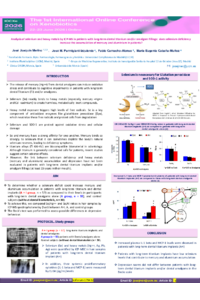
The release of mercury (Hg++) from dental amalgams can induce oxidative stress and contribute to cognitive impairments in patients with long-term dental amalgams. Furthermore, the presence of mercury and aluminium could accelerate the progression of neurological diseases.
Conversely, titanium alloy (Ti 6Al-4V) is a biocompatible biomaterial of interest in the field of odontology. Although titanium is generally considered safe for patients, recent studies have revealed certain adverse effects associated with this material. However, the link between selenium deficiency and accumulation of heavy metals (mercury and aluminium) and depression has not been elucidated in patients with long-term dental titanium implants and/or amalgam fillings (at least 15 years in the mouth).
Our aim is to determine whether a selenium deficit could increase mercury and aluminium accumulation in patients with long-term titanium and dental implants (A + I group, n = 57) as compared to their levels in participants with long-term dental amalgams alone (A group, n = 55), and control subjects (without dental biomaterials, n = 30). To achieve this, we compared Se/Hg++ and Se/Al ratios in hair samples via ICP-MS spectrophotometry between A+I, A, and control groups, while a Beck's test was performed to assess possible differences in depressive behaviour.
In our study, A+I patients had lower Se/Hg²⁺ and Se/Al ratios than the A group. This suggests that titanium contributes to selenium depletion, which indirectly leads to Hg²⁺ or Al tissue accumulation in participants with long-term titanium and dental amalgam fillings. As heavy metals contribute to Alzheimer's disease pathology, selenium supplementation could reduce their accumulation in patients with long-term dental biomaterials.
Conclusion: Patients with long-term titanium and dental amalgam fillings have selenium levels that contribute to mercury and aluminium accumulation.
Keywords
toxicology of heavy metals
selenium
biomaterials
mass spectrophotometry
Poster
2José Joaquín Merino Sciforum Xenobiotics congress 22-234 june 2026 POSTER JOSE JOAQUIIN MERINO.pdf
Pathogen Detection and Functional Gene Analysis of Microbial Communities in a Waste-Impacted River System
Embryonic exposure to di(2-ethylhexyl) phthalate disturbs DNA methylation status of the ovaries in adult female zebrafish and the early development of F1 generation