Event submissions
Published
This submission belongs to the session S4. (Micro)plastic Pollution in Environment and Human of the event The 1st International Online Conference on Xenobiotics
Published date
17 Jun, 2026
Academic Editor
'%3e%3cpath%20d='M12.6657%2010.9104C12.4185%2010.325%2012.0599%209.79327%2011.6097%209.34482C11.1609%208.89508%2010.6293%208.5365%2010.0442%208.28888C10.0389%208.28626%2010.0337%208.28495%2010.0285%208.28233C10.8446%207.69279%2011.3752%206.73249%2011.3752%205.64904C11.3752%203.8542%209.92103%202.39999%208.1262%202.39999C6.33136%202.39999%204.87715%203.8542%204.87715%205.64904C4.87715%206.73249%205.40774%207.69279%206.22393%208.28364C6.21869%208.28626%206.21345%208.28757%206.20821%208.29019C5.62129%208.5378%205.09463%208.89284%204.64265%209.34613C4.1929%209.79493%203.83432%2010.3266%203.58671%2010.9117C3.34345%2011.4845%203.21226%2012.0987%203.20023%2012.7209C3.19988%2012.7349%203.20233%2012.7488%203.20744%2012.7619C3.21255%2012.7749%203.22022%2012.7867%203.22998%2012.7968C3.23975%2012.8068%203.25142%2012.8147%203.26431%2012.8202C3.2772%2012.8256%203.29105%2012.8284%203.30504%2012.8284H4.09109C4.14874%2012.8284%204.19459%2012.7825%204.1959%2012.7262C4.2221%2011.7148%204.62823%2010.7676%205.34617%2010.0497C6.08899%209.30683%207.0755%208.89808%208.1262%208.89808C9.17689%208.89808%2010.1634%209.30683%2010.9062%2010.0497C11.6242%2010.7676%2012.0303%2011.7148%2012.0565%2012.7262C12.0578%2012.7838%2012.1037%2012.8284%2012.1613%2012.8284H12.9474C12.9613%2012.8284%2012.9752%2012.8256%2012.9881%2012.8202C13.001%2012.8147%2013.0126%2012.8068%2013.0224%2012.7968C13.0322%2012.7867%2013.0398%2012.7749%2013.0449%2012.7619C13.0501%2012.7488%2013.0525%2012.7349%2013.0522%2012.7209C13.0391%2012.0947%2012.9094%2011.4855%2012.6657%2010.9104ZM8.1262%207.9024C7.52486%207.9024%206.9589%207.6679%206.53312%207.24211C6.10733%206.81633%205.87283%206.25037%205.87283%205.64904C5.87283%205.0477%206.10733%204.48174%206.53312%204.05596C6.9589%203.63018%207.52486%203.39567%208.1262%203.39567C8.72753%203.39567%209.29349%203.63018%209.71927%204.05596C10.1451%204.48174%2010.3796%205.0477%2010.3796%205.64904C10.3796%206.25037%2010.1451%206.81633%209.71927%207.24211C9.29349%207.6679%208.72753%207.9024%208.1262%207.9024Z'%20fill='%235D1EE1'/%3e%3c/g%3e%3c/svg%3e) Stefano Magni
Stefano MagniCitation
Rabia Akram, Rehana Iqbal, Riaz Hussain, Xenobiotic Bisphenol A (C₁₅H₁₆O₂) from (Micro)plastic Pollution: Oxidative Stress and Genotoxic Effects in Aristichthys nobilis, in Proceedings of The 1st International Online Conference on Xenobiotics, 22 June–23 June 2026, MDPI: Basel, Switzerland
Share
Email
Facebook
Twitter
LinkedIn
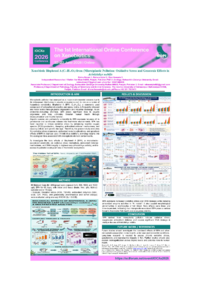
Xenobiotic Bisphenol A (C₁₅H₁₆O₂) from (Micro)plastic Pollution: Oxidative Stress and Genotoxic Effects in Aristichthys nobilis

Rabia Akram 1,2
'%3e%3cpath%20d='M12.6647%2010.9104C12.4176%2010.325%2012.0589%209.7933%2011.6088%209.34485C11.16%208.89511%2010.6283%208.53653%2010.0432%208.28891C10.038%208.28629%2010.0327%208.28498%2010.0275%208.28236C10.8437%207.69282%2011.3743%206.73252%2011.3743%205.64907C11.3743%203.85423%209.92005%202.40002%208.12522%202.40002C6.33038%202.40002%204.87618%203.85423%204.87618%205.64907C4.87618%206.73252%205.40677%207.69282%206.22296%208.28367C6.21772%208.28629%206.21248%208.2876%206.20724%208.29022C5.62031%208.53783%205.09365%208.89287%204.64167%209.34616C4.19192%209.79496%203.83334%2010.3266%203.58573%2010.9117C3.34247%2011.4846%203.21128%2012.0987%203.19925%2012.721C3.1989%2012.735%203.20135%2012.7489%203.20646%2012.7619C3.21157%2012.7749%203.21924%2012.7868%203.22901%2012.7968C3.23877%2012.8068%203.25045%2012.8148%203.26334%2012.8202C3.27623%2012.8256%203.29007%2012.8284%203.30406%2012.8284H4.09012C4.14776%2012.8284%204.19362%2012.7825%204.19493%2012.7262C4.22113%2011.7148%204.62726%2010.7676%205.34519%2010.0497C6.08802%209.30686%207.07452%208.89811%208.12522%208.89811C9.17592%208.89811%2010.1624%209.30686%2010.9052%2010.0497C11.6232%2010.7676%2012.0293%2011.7148%2012.0555%2012.7262C12.0568%2012.7839%2012.1027%2012.8284%2012.1603%2012.8284H12.9464C12.9604%2012.8284%2012.9742%2012.8256%2012.9871%2012.8202C13%2012.8148%2013.0117%2012.8068%2013.0214%2012.7968C13.0312%2012.7868%2013.0389%2012.7749%2013.044%2012.7619C13.0491%2012.7489%2013.0515%2012.735%2013.0512%2012.721C13.0381%2012.0947%2012.9084%2011.4856%2012.6647%2010.9104ZM8.12522%207.90243C7.52388%207.90243%206.95792%207.66793%206.53214%207.24215C6.10636%206.81636%205.87185%206.2504%205.87185%205.64907C5.87185%205.04773%206.10636%204.48177%206.53214%204.05599C6.95792%203.63021%207.52388%203.3957%208.12522%203.3957C8.72655%203.3957%209.29252%203.63021%209.7183%204.05599C10.1441%204.48177%2010.3786%205.04773%2010.3786%205.64907C10.3786%206.2504%2010.1441%206.81636%209.7183%207.24215C9.29252%207.66793%208.72655%207.90243%208.12522%207.90243Z'%20fill='%235D1EE1'/%3e%3c/g%3e%3c/svg%3e)
Rehana Iqbal 1
Riaz Hussain 3
1. Institute of Zoology, Bahauddin Zakariya University, Multan 60800, Pakistan
2. Independent Researcher, Rahim Yar Khan, 64200, Pakistan
3. Department of Pathology, Islamia University of Bahawalpur, Bahawalpur, 63100, Pakistan
Abstract
Background:
(Micro)plastic pollution is a growing environmental and public health concern, especially in developing countries, where industrial discharge, unregulated plastic use, and improper waste management amplify the release of xenobiotics such as bisphenol A (BPA). BPA is widely used in consumer products like baby feeders, food containers, and plastic manufacturing industries. As an endocrine disruptor with potential carcinogenic properties, BPA leaches from macro- and microplastics into aquatic systems, threatening both aquatic organisms and humans through the food chain. Sustainable alternatives and improved waste management practices are urgently needed, particularly in developing regions.
Methods:
Eighty freshwater bighead carp (Aristichthys nobilis) were randomly divided into four groups (A–D). Fish in groups B–D were exposed to different BPA concentrations for 60 days, while group A served as the control. Post-exposure, gills, liver, kidneys, and brain tissues were analyzed for oxidative stress biomarkers, antioxidant enzyme activities, and genotoxic alterations.
Results:
BPA exposure caused significant increases in oxidative stress markers (ROS, TBARS, GSH) and decreases in antioxidant enzymes (catalase, SOD, peroxidase) (p < 0.05). Morphological abnormalities, nuclear alterations in erythrocytes, and DNA damage were observed, indicating strong genotoxic potential.
Conclusion:
The study demonstrates that BPA from (micro)plastics and industrial discharge induces oxidative stress, disrupts antioxidant defenses, and causes genetic damage in freshwater fish. In developing countries, uncontrolled plastic use and inadequate waste disposal exacerbate these risks. Adoption of sustainable alternatives—including bio-based plastics (PLA and PHA), natural polymers (cellulose and chitosan), and reusable materials like glass and stainless steel—along with stricter plastic waste management, is urgently needed to protect both aquatic ecosystems and human health.
Keywords
Bisphenol A (BPA)
Xenobiotic
(Micro)plastic pollution
Oxidative stress
Genotoxicity
Freshwater fish (Aristichthys nobilis)
Poster
ppt poster xenobiotics.pdf
Flocculation as a Control Strategy for Plastic Removal in Wastewater Treatment Plants
Tire Road Wear Particles (TRWPs) from different asphalts: an ecotoxicological comparison on zebrafish larvae