Event submissions
Published
This submission belongs to the session S1. Energy transition, decarbonization and environmental policy of the event The 1st International Online Conference on Inventions
Published date
22 Jun, 2026
Academic Editor
'%3e%3cpath%20d='M12.6657%2010.9104C12.4185%2010.325%2012.0599%209.79327%2011.6097%209.34482C11.1609%208.89508%2010.6293%208.5365%2010.0442%208.28888C10.0389%208.28626%2010.0337%208.28495%2010.0285%208.28233C10.8446%207.69279%2011.3752%206.73249%2011.3752%205.64904C11.3752%203.8542%209.92103%202.39999%208.1262%202.39999C6.33136%202.39999%204.87715%203.8542%204.87715%205.64904C4.87715%206.73249%205.40774%207.69279%206.22393%208.28364C6.21869%208.28626%206.21345%208.28757%206.20821%208.29019C5.62129%208.5378%205.09463%208.89284%204.64265%209.34613C4.1929%209.79493%203.83432%2010.3266%203.58671%2010.9117C3.34345%2011.4845%203.21226%2012.0987%203.20023%2012.7209C3.19988%2012.7349%203.20233%2012.7488%203.20744%2012.7619C3.21255%2012.7749%203.22022%2012.7867%203.22998%2012.7968C3.23975%2012.8068%203.25142%2012.8147%203.26431%2012.8202C3.2772%2012.8256%203.29105%2012.8284%203.30504%2012.8284H4.09109C4.14874%2012.8284%204.19459%2012.7825%204.1959%2012.7262C4.2221%2011.7148%204.62823%2010.7676%205.34617%2010.0497C6.08899%209.30683%207.0755%208.89808%208.1262%208.89808C9.17689%208.89808%2010.1634%209.30683%2010.9062%2010.0497C11.6242%2010.7676%2012.0303%2011.7148%2012.0565%2012.7262C12.0578%2012.7838%2012.1037%2012.8284%2012.1613%2012.8284H12.9474C12.9613%2012.8284%2012.9752%2012.8256%2012.9881%2012.8202C13.001%2012.8147%2013.0126%2012.8068%2013.0224%2012.7968C13.0322%2012.7867%2013.0398%2012.7749%2013.0449%2012.7619C13.0501%2012.7488%2013.0525%2012.7349%2013.0522%2012.7209C13.0391%2012.0947%2012.9094%2011.4855%2012.6657%2010.9104ZM8.1262%207.9024C7.52486%207.9024%206.9589%207.6679%206.53312%207.24211C6.10733%206.81633%205.87283%206.25037%205.87283%205.64904C5.87283%205.0477%206.10733%204.48174%206.53312%204.05596C6.9589%203.63018%207.52486%203.39567%208.1262%203.39567C8.72753%203.39567%209.29349%203.63018%209.71927%204.05596C10.1451%204.48174%2010.3796%205.0477%2010.3796%205.64904C10.3796%206.25037%2010.1451%206.81633%209.71927%207.24211C9.29349%207.6679%208.72753%207.9024%208.1262%207.9024Z'%20fill='%235D1EE1'/%3e%3c/g%3e%3c/svg%3e) Zahid Ullah
Zahid UllahCitation
Silmara Furtado da Silva, Maria Letícia Murta Valle, Navigating the Regulatory Landscape: Advancing Sustainable Aviation Fuel Production in Brazil’s Energy Transition, in Proceedings of The 1st International Online Conference on Inventions, 25 June–26 June 2026, MDPI: Basel, Switzerland
Share
Email
Facebook
Twitter
LinkedIn
Navigating the Regulatory Landscape: Advancing Sustainable Aviation Fuel Production in Brazil’s Energy Transition
'%3e%3cpath%20d='M12.6647%2010.9104C12.4176%2010.325%2012.0589%209.7933%2011.6088%209.34485C11.16%208.89511%2010.6283%208.53653%2010.0432%208.28891C10.038%208.28629%2010.0327%208.28498%2010.0275%208.28236C10.8437%207.69282%2011.3743%206.73252%2011.3743%205.64907C11.3743%203.85423%209.92005%202.40002%208.12522%202.40002C6.33038%202.40002%204.87618%203.85423%204.87618%205.64907C4.87618%206.73252%205.40677%207.69282%206.22296%208.28367C6.21772%208.28629%206.21248%208.2876%206.20724%208.29022C5.62031%208.53783%205.09365%208.89287%204.64167%209.34616C4.19192%209.79496%203.83334%2010.3266%203.58573%2010.9117C3.34247%2011.4846%203.21128%2012.0987%203.19925%2012.721C3.1989%2012.735%203.20135%2012.7489%203.20646%2012.7619C3.21157%2012.7749%203.21924%2012.7868%203.22901%2012.7968C3.23877%2012.8068%203.25045%2012.8148%203.26334%2012.8202C3.27623%2012.8256%203.29007%2012.8284%203.30406%2012.8284H4.09012C4.14776%2012.8284%204.19362%2012.7825%204.19493%2012.7262C4.22113%2011.7148%204.62726%2010.7676%205.34519%2010.0497C6.08802%209.30686%207.07452%208.89811%208.12522%208.89811C9.17592%208.89811%2010.1624%209.30686%2010.9052%2010.0497C11.6232%2010.7676%2012.0293%2011.7148%2012.0555%2012.7262C12.0568%2012.7839%2012.1027%2012.8284%2012.1603%2012.8284H12.9464C12.9604%2012.8284%2012.9742%2012.8256%2012.9871%2012.8202C13%2012.8148%2013.0117%2012.8068%2013.0214%2012.7968C13.0312%2012.7868%2013.0389%2012.7749%2013.044%2012.7619C13.0491%2012.7489%2013.0515%2012.735%2013.0512%2012.721C13.0381%2012.0947%2012.9084%2011.4856%2012.6647%2010.9104ZM8.12522%207.90243C7.52388%207.90243%206.95792%207.66793%206.53214%207.24215C6.10636%206.81636%205.87185%206.2504%205.87185%205.64907C5.87185%205.04773%206.10636%204.48177%206.53214%204.05599C6.95792%203.63021%207.52388%203.3957%208.12522%203.3957C8.72655%203.3957%209.29252%203.63021%209.7183%204.05599C10.1441%204.48177%2010.3786%205.04773%2010.3786%205.64907C10.3786%206.2504%2010.1441%206.81636%209.7183%207.24215C9.29252%207.66793%208.72655%207.90243%208.12522%207.90243Z'%20fill='%235D1EE1'/%3e%3c/g%3e%3c/svg%3e)
Silmara Furtado da Silva 1
Maria Letícia Murta Valle 2
1. Department of Chemical and Materials Engineering, Pontifical Catholic University of Rio de Janeiro (PUC-Rio), Rio de Janeiro, 22451-900, Brazil
2. Department of Organic Processes, Federal University of Rio de Janeiro, Rio de Janeiro - RJ, 21941-901, Brazil
Abstract
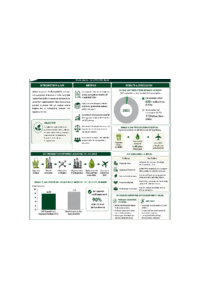
This study examines the development of sustainable aviation fuels (SAFs) in Brazil within the broader context of global decarbonization and energy transition objectives. Despite Brazil’s established leadership in biofuels, the adoption of SAF remains incipient, hindered by technological, economic, and regulatory barriers. Through a comprehensive review of national initiatives from 2000 to 2024, this research quantifies Brazil’s significant potential, estimating that sugarcane residues alone could produce 6.48 billion liters of SAF annually via the Alcohol-to-Jet (ATJ) pathway, meeting up to 90% of the country’s fossil jet fuel demand. The analysis highlights that global SAF production surpassed 600 million liters in 2023, yet this represents only 0.53% of total aviation fuel consumption. In Brazil, key challenges include production costs, which remain 20% higher than conventional jet fuel, and a regulatory environment requiring alignment with international standards such as ASTM D7566, which currently permits only a 50% blend limit for most SAF pathways. The study evaluates the role of pivotal policies like the Programa Combustível do Futuro and the RenovaBio program, which generate decarbonization credits (CBIOs), in fostering a supportive governance ecosystem. It further identifies critical bottlenecks in environmental licensing and the need for enhanced public–private collaboration to de-risk investments. Recommendations are provided to streamline multi-stakeholder engagement, implement targeted fiscal incentives, and consolidate regulatory frameworks to accelerate SAF integration. These efforts are essential for Brazil to meet its ambitious Nationally Determined Contribution commitments to reduce greenhouse gas emissions by 48.4% by 2025 and 53.1% by 2030, positioning its aviation sector as having a sustainable, low-carbon future.
Keywords
Sustainable aviation fuels
decarbonization
Brazil
regulatory framework
biofuel policy
Poster
Poster - Silmara Furtado da Silva.pdf
Evaluation of Torrefied Fruit and Vegetable Residues as a Sustainable Coal Substitute: Fuel Quality Characterization and ASTM D388 Classification
Techno-Economic Feasibility of an Off-Grid Wind-Powered Hydrogen Microgrid for Green Hydrogen Production in Northwest Algeria: System Modelling by HOMER Energy