Event submissions
Published
This submission belongs to the session S3. Energy system analysis and modelling of the event The 1st International Online Conference on Inventions
Published date
22 Jun, 2026
Academic Editor
'%3e%3cpath%20d='M12.6657%2010.9104C12.4185%2010.325%2012.0599%209.79327%2011.6097%209.34482C11.1609%208.89508%2010.6293%208.5365%2010.0442%208.28888C10.0389%208.28626%2010.0337%208.28495%2010.0285%208.28233C10.8446%207.69279%2011.3752%206.73249%2011.3752%205.64904C11.3752%203.8542%209.92103%202.39999%208.1262%202.39999C6.33136%202.39999%204.87715%203.8542%204.87715%205.64904C4.87715%206.73249%205.40774%207.69279%206.22393%208.28364C6.21869%208.28626%206.21345%208.28757%206.20821%208.29019C5.62129%208.5378%205.09463%208.89284%204.64265%209.34613C4.1929%209.79493%203.83432%2010.3266%203.58671%2010.9117C3.34345%2011.4845%203.21226%2012.0987%203.20023%2012.7209C3.19988%2012.7349%203.20233%2012.7488%203.20744%2012.7619C3.21255%2012.7749%203.22022%2012.7867%203.22998%2012.7968C3.23975%2012.8068%203.25142%2012.8147%203.26431%2012.8202C3.2772%2012.8256%203.29105%2012.8284%203.30504%2012.8284H4.09109C4.14874%2012.8284%204.19459%2012.7825%204.1959%2012.7262C4.2221%2011.7148%204.62823%2010.7676%205.34617%2010.0497C6.08899%209.30683%207.0755%208.89808%208.1262%208.89808C9.17689%208.89808%2010.1634%209.30683%2010.9062%2010.0497C11.6242%2010.7676%2012.0303%2011.7148%2012.0565%2012.7262C12.0578%2012.7838%2012.1037%2012.8284%2012.1613%2012.8284H12.9474C12.9613%2012.8284%2012.9752%2012.8256%2012.9881%2012.8202C13.001%2012.8147%2013.0126%2012.8068%2013.0224%2012.7968C13.0322%2012.7867%2013.0398%2012.7749%2013.0449%2012.7619C13.0501%2012.7488%2013.0525%2012.7349%2013.0522%2012.7209C13.0391%2012.0947%2012.9094%2011.4855%2012.6657%2010.9104ZM8.1262%207.9024C7.52486%207.9024%206.9589%207.6679%206.53312%207.24211C6.10733%206.81633%205.87283%206.25037%205.87283%205.64904C5.87283%205.0477%206.10733%204.48174%206.53312%204.05596C6.9589%203.63018%207.52486%203.39567%208.1262%203.39567C8.72753%203.39567%209.29349%203.63018%209.71927%204.05596C10.1451%204.48174%2010.3796%205.0477%2010.3796%205.64904C10.3796%206.25037%2010.1451%206.81633%209.71927%207.24211C9.29349%207.6679%208.72753%207.9024%208.1262%207.9024Z'%20fill='%235D1EE1'/%3e%3c/g%3e%3c/svg%3e) Trilochan Bhatta
Trilochan BhattaCitation
Hady H Fayek, Mohamed Walid Mahmoud, Omar Mohsen Sayed, Mazen El-Walid Abd El-Aal, Comparative Techno-Economic Analysis of Offshore and Onshore Wind Farms in Zafraana, Egypt, Using the System Advisor Model (SAM), in Proceedings of The 1st International Online Conference on Inventions, 25 June–26 June 2026, MDPI: Basel, Switzerland
Share
Email
Facebook
Twitter
LinkedIn
Comparative Techno-Economic Analysis of Offshore and Onshore Wind Farms in Zafraana, Egypt, Using the System Advisor Model (SAM)

Hady H Fayek 1
'%3e%3cpath%20d='M12.6647%2010.9104C12.4176%2010.325%2012.0589%209.7933%2011.6088%209.34485C11.16%208.89511%2010.6283%208.53653%2010.0432%208.28891C10.038%208.28629%2010.0327%208.28498%2010.0275%208.28236C10.8437%207.69282%2011.3743%206.73252%2011.3743%205.64907C11.3743%203.85423%209.92005%202.40002%208.12522%202.40002C6.33038%202.40002%204.87618%203.85423%204.87618%205.64907C4.87618%206.73252%205.40677%207.69282%206.22296%208.28367C6.21772%208.28629%206.21248%208.2876%206.20724%208.29022C5.62031%208.53783%205.09365%208.89287%204.64167%209.34616C4.19192%209.79496%203.83334%2010.3266%203.58573%2010.9117C3.34247%2011.4846%203.21128%2012.0987%203.19925%2012.721C3.1989%2012.735%203.20135%2012.7489%203.20646%2012.7619C3.21157%2012.7749%203.21924%2012.7868%203.22901%2012.7968C3.23877%2012.8068%203.25045%2012.8148%203.26334%2012.8202C3.27623%2012.8256%203.29007%2012.8284%203.30406%2012.8284H4.09012C4.14776%2012.8284%204.19362%2012.7825%204.19493%2012.7262C4.22113%2011.7148%204.62726%2010.7676%205.34519%2010.0497C6.08802%209.30686%207.07452%208.89811%208.12522%208.89811C9.17592%208.89811%2010.1624%209.30686%2010.9052%2010.0497C11.6232%2010.7676%2012.0293%2011.7148%2012.0555%2012.7262C12.0568%2012.7839%2012.1027%2012.8284%2012.1603%2012.8284H12.9464C12.9604%2012.8284%2012.9742%2012.8256%2012.9871%2012.8202C13%2012.8148%2013.0117%2012.8068%2013.0214%2012.7968C13.0312%2012.7868%2013.0389%2012.7749%2013.044%2012.7619C13.0491%2012.7489%2013.0515%2012.735%2013.0512%2012.721C13.0381%2012.0947%2012.9084%2011.4856%2012.6647%2010.9104ZM8.12522%207.90243C7.52388%207.90243%206.95792%207.66793%206.53214%207.24215C6.10636%206.81636%205.87185%206.2504%205.87185%205.64907C5.87185%205.04773%206.10636%204.48177%206.53214%204.05599C6.95792%203.63021%207.52388%203.3957%208.12522%203.3957C8.72655%203.3957%209.29252%203.63021%209.7183%204.05599C10.1441%204.48177%2010.3786%205.04773%2010.3786%205.64907C10.3786%206.2504%2010.1441%206.81636%209.7183%207.24215C9.29252%207.66793%208.72655%207.90243%208.12522%207.90243Z'%20fill='%235D1EE1'/%3e%3c/g%3e%3c/svg%3e)
Mohamed Walid Mahmoud 1
Omar Mohsen Sayed 1
Mazen El-Walid Abd El-Aal 1
1. Faculty of Engineering, Egyptian Chinese University, Cairo, Egypt
Abstract
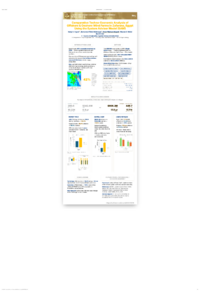
Optimizing wind energy deployment is a major priority as Egypt accelerates its transition to renewable power to meet its 42% renewable electricity target by 2035. In this study, we present a comparative techno-economic assessment of two 200 MW wind farm configurations located in the Zafraana region: one onshore and one offshore. By leveraging the System Advisor Model (SAM) and integrating high-resolution meteorological data from the Global Wind Atlas, we simulated the energy yield and financial metrics of both setups under standardized conditions over a 25-year period. Both configurations utilize 200 Mitsubishi MWT-1000A turbines, with hub heights optimized for their specific environments (90 m onshore and 120 m offshore). Our findings reveal a distinct technical advantage for the offshore environment. Benefiting from a highly consistent coastal wind profile, the marine installation generates 445.7 GWh of annual energy, which is 58.8% more than the 280.6 GWh produced by its land-based counterpart. However, this increased output comes with a steep financial trade-off. Driven by massive initial capital investments and complex marine logistics, the offshore system requires a capital expenditure of $806.2 million, representing a 135% increase over the onshore system's $342.6 million. Consequently, the offshore configuration exhibits a substantially higher real Levelized Cost of Electricity (LCOE) of 17.71 ¢/kWh and an extended payback period of 17.5 years, compared to the onshore LCOE of 10.22 ¢/kWh and a 9.8-year payback. Ultimately, while offshore wind remains essential for long-term decarbonization targets, our analysis indicates that onshore installations currently provide a more economically viable, lower-risk pathway for near-term capacity expansion.
Keywords
Wind Power Optimization
Techno-Economic Assessment (TEA)
Marine vs. Land-Based Wind Farms
Levelized Cost of Electricity (LCOE)
Gulf of Suez
Energy Transition
Capital Expenditure (CapEx).1. Introduction
Poster
Zafarana Wind Farm — IOCIV 2026 Poster Mockup.pdf
Improving Household Energy Efficiency in Rural South Africa Through Renewable Energy and Energy-Saving Appliances
IMPROVING ENERGY EFFICIENCY IN METALWORKING MACHINE TOOLS: VECTOR CONTROL OF ELECTRIC DRIVES USING A FREQUENCY CONVERTER AND SYSTEM MODELING