The 1st International Electronic Conference on Antibiotics
The Equal Power of Antibiotics And Antimicrobial Resistance
Dear Scientists, Researchers, and Authors,
We are delighted to announce that the ECA 2021 has been closed successfully. We would like to take this opportunity to express our appreciation to all the participants for their contributions and, to all the chairs and committee members for their excellent work.
Finally, we would like to remind you that all participants are welcome to submit an extended full paper to the Special Issue for ECA 2021 in the journal Antibiotics, with a 30% discount on the Article Processing Charges.
the chair
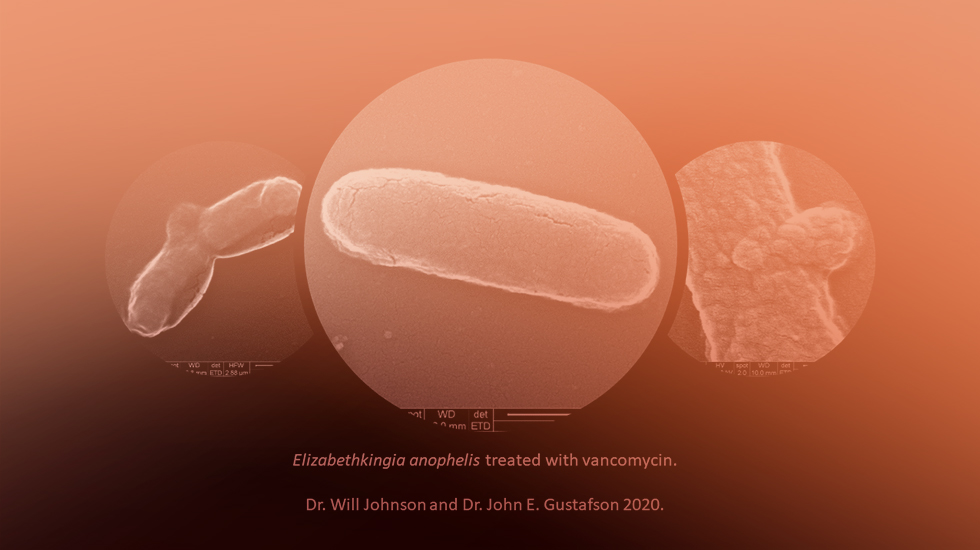
“Antibiotic” is a term that has traditionally been used to describe drugs that target diseases caused by bacterial pathogens. Antibiotics are also referred to as “magic bullets” and” miracle drugs,” since they can diffuse throughout the body and help inhibit the growth of or kill a bacterial pathogen without significantly affecting the metabolism of the infected patient.
The introduction of antibiotics, antivirals, antiparasitics, antiseptics, and disinfectants, as well as an understanding of how to apply these powerful drugs and biocides, has changed the course of humanity. It is almost impossible to count the number of lives that have been extended by these drugs or to fully understand the impact these drugs have had on modern medicine, food and agriculture production, and the environment. However, as indicated by the late Professor Stuart B Levy’s book title, “How miracle drugs are destroying the miracle”, a reckoning is now upon us. Because of the continued process of evolution and natural selection, microbes are gaining the edge on human ingenuity and our collective ability to produce new antimicrobials and, more appropriately, to utilize the antimicrobials within our access. Besides becoming resistant to antibiotics given systemically to patients to cure serious bacterial infections, bacterial pathogens can also demonstrate reduced susceptibility or tolerance to antiseptics or disinfectants. During the “new normal” and continued onslaught of the COVID pandemic, will the broader and more frequent use of antiseptics and disinfectants select for bacterial pathogen populations that demonstrate reduced susceptibility to these biocides?
At this point in history, some have suggested that we have exhausted our ability to use existing microbes to produce new classes of antibiotics, while some have developed culturomics methods to disprove this idea. Synthetic biologists have also harnessed and manipulated antibiotic biosynthetic pathways in a push to develop novel drugs. Chemists continue to modify existing antibiotics and develop new types of synthetic antimicrobials with antibacterial activities and are pining to demonstrate low toxicity followed by clinical trials. Researchers are also investigating excipient non-antibiotic drugs for antimicrobial activity and are developing compounds that act in synergy with existing antibiotics. There is also great interest in re-exploring phage-based therapies for bacterial infections, re-examining the application of metal ions in infection prevention protocols, and exploring traditional medicine approaches to identify novel antimicrobials.
While mechanisms of antibiotic resistance vary in their mechanics and genetic underpinnings, all mechanisms of resistance essentially disallow the antimicrobial from reaching their specific target or targets. Surprisingly to some, the genes that encode antibiotic resistance were present in nature before antibiotics were even introduced to clinical practice, some arising within the antibiotic-producing organisms themselves. The ability of antibiotics to select for bacterial mutants has revealed the degree to which mutations in bacterial genomes can alter essential functions and still lead to resistance expression. Over the past 80 years, scientists from around the world have identified almost every mutation and gene that contributes to antibiotic resistance in bacteria. Today, antimicrobial-resistant pathogens and antimicrobial resistance genes can be identified not only in hospitals and the community, but also in waste treatment plants, rivers and streams, soils, agricultural areas, and throughout human and animal populations. The recent identification of a multiple antibiotic-resistant strain of bacteria from the International Space Station accentuates the picture of how far antimicrobial resistance has spread. Today, around the world, infections caused by multiply antibiotic-resistant pathogens such as the ESKAPE pathogens, known for their propensity to acquire antimicrobial resistance mechanisms, have become the new normal. Astonishingly, researchers have adopted terms such as “extremely drug-resistant” to describe Mycobacterium tuberculosis strains resistant to all first- and second-line antimycobacterial drugs. The spread and evolution of genes encoding for extended- spectrum b-lactamases and carbapenemases represents a good illustration of how single genes can disseminate and create new pathogen threats. The evolution of antimicrobial resistance continues, and our full understanding of the changing epidemiology of infections caused by antimicrobial-resistant pathogens remains critical. We also need to continue to develop pathogen-specific infection control protocols to reduce the spread of these antimicrobial-resistant organisms and utilize methods that improve the stewardship of these incredible miracle drugs.
Researchers continue to identify “new targets” for antimicrobial development and small molecules that inhibit the activity of these targets. Some of these targets in bacteria encode intrinsic gene products that play a “scaffolding” role that allows antibiotic resistance genes to function (e.g., stress response genes, multidrug efflux pumps); others represent novel metabolic pathways (e.g., outer membrane biosynthesis) found only in bacteria and not present in their eukaryotic hosts. Not long ago, microbiologists realized that bacteria are not simple single-celled organisms, but instead are capable of thriving in multicellular-surface-dwelling communities referred to as “biofilms,” and biofilm-enmeshed bacteria are now known for their ability to resist antimicrobials. Research on biofilms is entwined with the elucidation of the intricate process of bacterial communication through two-component regulatory systems, areas rich with antibiotic targets. Researchers have also begun to analyze gene products involved in creating intricate biofilm architecture as novel targets for the development of antibiotics. Today, the literature on molecules that can reduce the ability of bacterial pathogens to produce virulence factors is growing. It is likely that the exciting and controversial research on bacterial persistence and the toxin–antitoxin systems that support this phenomenon will provide us with a myriad of new undeveloped targets. Why can’t new antibiotics be developed that resist the ability of bacteria to become resistant to the selecting antibiotic? Basic research on antibiotic resistance is ongoing, and scientists around the world have produced new libraries of small molecules with the hope of being able to challenge each new antibiotic-resistant bacterial pathogen threat as it emerges. A large number of research groups around the world continue investigations on novel approaches to develop vaccines against M. turberculosis and other antibiotic-resistant pathogens; however, some suggest that success in these research avenues might require another major breakthrough in the biological sciences. The historical success of vaccines in preventing infectious disease continues to lay the foundation for and support these research efforts.
Many scientists, industry leaders, and government officials are in open discussion about a “post-antibiotic era”, at a time when all participants need to remain enthusiastic about new discoveries and maintain funding for research required to fight the forever plague of antibiotic resistance. There are few branches of science similar to antibiotic and antibiotic resistance research, since these efforts require drawing from the strengths of a myriad of scientific disciplines to overcome one of the greatest threats facing humanity.
This premier virtual event sponsored and supported by MPDI and the journal “Antibiotics” hopes to inform and engage participants on a wide variety of subjects associated with antimicrobials, such as:
- advances in research on new and current antibiotics and related bioactive medicinal agents
- antibiotic administration, drug-drug interactions, and pharmacodynamics
- biochemical and genetics studies on microorganisms for improved antibiotics
- uses of antibiotics, including on animals and in agriculture
- clinical trials
- new methods for assaying and evaluating antibiotics
- production and characterization of antibiotics
- classes of antibiotics
- antibiotic resistance and misuse
- natural antibiotics
- epidemiology of antimicrobial use
- antimicrobial stewardship
- qualitative and quantitative research exploring the determinants of antimicrobial use and resistance
- prescribing sciences
- antiviral therapeutics
- vaccines
This free virtual “new normal” event encourages all researchers working on antimicrobial research to register for the meeting and submit an abstract. In light of the COVID-19 pandemic, we are interested in having a number of presentations from researchers working on antiviral agents and vaccines. We are also particularly interested in encouraging young investigators and researchers, postdocs and graduate students, and underrepresented minorities to register and submit an abstract for a presentation during this virtual event. Following this event, all presenters will be able to prepare and submit a full research article to Antibiotics for publication at a greatly reduced price.
On behalf of the entire virtual event Committee, the Antibiotics Chief Editor, the Antibiotics Journal Editorial Board, the Publisher, and Staff, we all look forward to your participation in this event!
Best wishes from Stillwater Oklahoma
Prof. Dr. John E. Gustafson
Professor and Department Head
---------------------------------------------------------------------------------------
Conference Secretariat
Ms. Monica He
Ms. Hellen Wang
MDPI Branch Office, Beijing
E-mail: eca2021@mdpi.com
Meet Our Chair
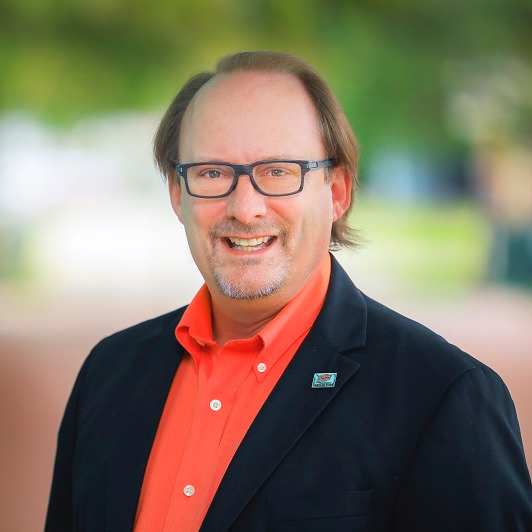
Department of Biochemistry and Molecular Biology, 246C Noble Research Center, Oklahoma State University, Stillwater, OK 74078-3035, USA <a href="https://agriculture.okstate.edu/departments-programs/biochemistry/?Forwarded=biochemistry.okstate.edu/faculty/dr.-john-gustafson/dr.-john-e.-gustafson">Website</a>;Dr. John E. Gustafson is an expert on antimicrobial resistance who presently serves as Professor and Department Head of the Biochemistry and Molecular Biology Department at Oklahoma State University (75% administration, 25% research position). Over the past eight years he has been tasked with improving the Department’s educational programs and aligning future research programs with the strategic objectives of the Division of Agricultural Sciences and Natural Resources. Dr. Gustafson previously held positions at New Mexico State University in Las Cruces New Mexico where he served 10 years on the faculty and 4 years in administrative positions; first as the Director of the NMSU graduate program in Molecular Biology, then as the Associate Department Head of Biology, and finally as the Biology Department Head. He also served two years on the faculty of the Chicago College of Osteopathic Medicine. Since beginning his 24-year academic career at the School of Biomedical Sciences at Curtin University of Technology in Perth Western Australia, Dr. Gustafson has been successful at securing millions of dollars in grant funding to support his research on antimicrobial resistance in bacterial pathogens and recently in science education. His research efforts have been disseminated to a wider scientific audience in numerous publications, presentations and invited lectures. Dr. Gustafson has also trained 80 undergraduates in a biological safety level 2 laboratory, and has graduated 10 Masters and 11 Ph.D students as well. In his role as Co-PI of a successful OSU-HHMI undergraduate research grant, Dr. Gustafson has co-created research-embedded undergraduate courses and programs designed to support persistence and completion of Biochemistry and Molecular Biology majors.
Important Dates
31 Mar
2021
15 Apr
2021
25 Apr
2021
Meet Our Speakers

Prof. James J. Collins
Department of Biological Engineering Massachusetts Institute of Technology; Wyss Institute, Harvard University; Broad Institute of MIT and Harvard, Cambridge MA, USA;Jim Collins is the Termeer Professor of Medical Engineering & Science and Professor of Biological Engineering at MIT, as well as a Member of the Harvard-MIT Health Sciences & Technology Faculty. He is also a Core Founding Faculty member of the Wyss Institute for Biologically Inspired Engineering at Harvard University, and an Institute Member of the Broad Institute of MIT and Harvard. He is one of the founders of the field of synthetic biology, and his research group is currently focused on using synthetic biology to create next-generation diagnostics and therapeutics. Professor Collins' patented technologies have been licensed by over 25 biotech, pharma and medical devices companies, and he has helped to launch a number of companies, including Synlogic and Sherlock Biosciences. He has received numerous awards and honors, including a Rhodes Scholarship and a MacArthur "Genius" Award, and he is an elected member of all three national academies - the National Academy of Sciences, the National Academy of Engineering, and the National Academy of Medicine.
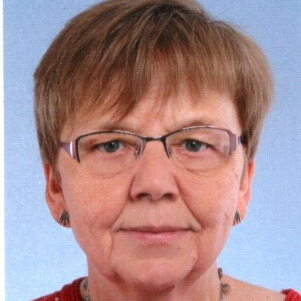
The Department of Periodontology, School of Dental Medicine, University of Bern, Switzerland;Dr. Sigrun Eick studied dentistry at the University of Jena, Germany. Thereafter she worked for a few years as a dentist before working in microbiological diagnostics and oral microbiology (research) at the Institute for Medical Microbiology of the University Hospital of Jena. Since 2009, she is the head of the Laboratory of Oral Microbiology belonging to the Department of Periodontology, School of Dental Medicine, University of Bern. Since 2015, she is an associated professor.

Prof. Dr. Marianne Muhlebach
Department Pediatrics and Marscio Lung Institute, the University of North Carolina at Chapel Hilldisabled, Chapel Hill, USA;Marianne S. Muhlebach is a Professor in Pediatric Pulmonology at the University of NC at Chapel Hill. As a clinician, she sees patients with a multitude of lung diseases including asthma, bronchitis, and cystic fibrosis. Her research expertise focuses on early events in CF lung disease and in the microbiology of CF lung disease across all ages. These include studies on the relationship of anaerobic bacteria to clinical outcomes, the lung microbiome in young children with CF, and studies related to methicillin-resistant Staphylococcus aureus (MRSA) in CF. These include clinical trials and translational studies investigating adaptation with chronic infection and mechanisms of resistance. She has received funding from the Cystic Fibrosis Foundation and NIH which include many multi-center national and international collaborative studies.

Dr. Susanna Su Jan Leong
Singapore Institute of Technology Department of Chemical Engineering, Singapore;Susanna Leong graduated with a B.Eng. (Chemical Engineering) and M.Phil. (Chemical Engineering) from the University of Manchester Institute of Science and Technology (UMIST). She obtained her Ph.D. (Chemical Engineering) from Cambridge University. She is currently a faculty in SIT’s Chemical Engineering and Food Technology Cluster and Assistant Provost (Applied Research). Her research interests are in antimicrobial peptides (AMP) engineering and bioprocessing. Her recent research works include engineering synthetic AMPs for enhanced potency and stability, and also developing AMP-based coatings for biomedical applications. She is currently appointed as an Editorial Board Member of Chemical Engineering Science (Elsevier) and Food and Bioproducts Processing (Elsevier) international peer reviewed journals. She has also been appointed as an Editorial Advisory Member of Heliyon (Cell Press). Susanna is both a Chartered and Professional Engineer, conferred by IChemE (UK) and Professional Engineering Board (Singapore), respectively.
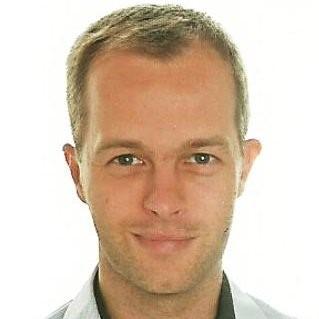
The department of Biotechnology of Ghent University, Belgium;Yves Briers is an Associate Professor and head of the Laboratory of Applied Biotechnology at the department of Biotechnology of Ghent University (Belgium). He obtained his PhD (Bioscience engineering) from KU Leuven (Belgium). With the support of a long-term fellowship from the European Molecular Biology Organization (EBMO) he did postdoctoral research at the ETH Zurich (Switzerland), and he continued his postdoctoral research KU Leuven (Belgium). The research interests of his group focus on the synthetic biology of modular proteins. Particularly in the field of the development of antimicrobials, he uses synthetic biology to design enzyme-based antimicrobials derived from bacteriophage proteins and synthetic phages. He is currently editorial board member of Antibiotics.
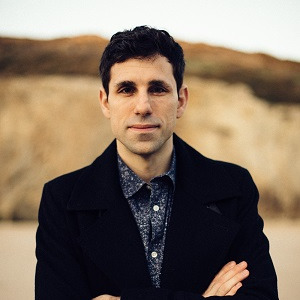
University of Pennsylvania, USA;César de la Fuente, Ph.D. is a Presidential Assistant Professor at the University of Pennsylvania, where he is leading the Machine Biology Group to integrate synthetic biology, microbiology, and AI. Prof. de la Fuente seeks to expand nature’s repertoire to build novel synthetic molecular tools and devise therapies that nature has not previously discovered. The Machine Biology Group focuses on developing novel technologies to detect, monitor, and treat infectious diseases. More specifically, his lab aims to develop computer-made tools and medicines that will replenish our current antibiotic arsenal and to build novel inexpensive diagnostic technologies for infectious diseases. De la Fuente is an NIH MIRA investigator, a BBRF Young Investigator, and has received recognition and research funding from numerous other groups. Prof. de la Fuente was recognized by MIT Technology Review in 2019 as one of the world’s top innovators for “digitizing evolution to make better antibiotics”. He was selected as the inaugural recipient of the Langer Prize (2019), an ACS Kavli Emerging Leader in Chemistry (2020), the Nemirovsky Prize (2020), AIChE’s 35 Under 35 Award (2020), and received the ACS Infectious Diseases Young Investigator Award (2020). In addition, he was named a Boston Latino 30 Under 30, a 2018 Wunderkind by STAT News, a Top 10 Under 40 of 2019 by GEN, a Top 10 MIT Technology Review Innovator Under 35 (Spain), 30 Rising Leaders in the Life Sciences by In Vivo magazine, and he received the 2019 Society of Hispanic Professional Engineers Young Investigator Award. His scientific discoveries have yielded over 80 peer-reviewed publications, including papers in Nature Communications, PNAS, Nature Communications Biology, and multiple patents.
Barcelona Institute of Global Health (ISGlobal), Spain;University of Barcelona, Spain;Sara M. Soto, PhD, is an Associate Research Professor at the Barcelona Institute of Global Health (ISGlobal) and Associate Professor at the University of Barcelona, Spain. She is working in the area of Viral and Bacterial Infections, specifically in the subject of antimicrobial resistance, biofilm and new antibiotics. She is member of the ISGlobal Gender Commission directed to ensure equity among scientists. She has been the Coordinator of a H2020 project (Nomorfilm) to find new antibiotics from microalgae. She has directed two Doctoral thesis and three are under development. She has published more than 65 international articles with an impact factor media of 3.765 and received 3824 citations (excluding self- citations) yielding an H-index of 32 (Data obtained from the Web of Knowledge). In addition, she has published eight invited reviews, four book chapters and one Editorial. She is continuously working to enhance the role of women in science through workshops in primary and secondary schools.

Wayne State University, USA;Dr. Teena Chopra is a Professor of Medicine in the Division of Infectious Diseases, at Wayne State University and the Corporate Medical Director of Hospital Epidemiology, Infection Prevention and Antibiotic Stewardship at Detroit Medical Center, Wayne State University. Her research interests include Epidemiology of Health care-associated Infections, Infection Prevention Antibiotic Stewardship and Immunization. Dr. Chopra has published over 80 papers in various journals and book chapters. Additionally, she has independently reviewed over 60 journal articles. Dr. Chopra has a special interest in immunization and studying the epidemiology of infections, including Clostridium difficile and Multi-Drug Resistant Organisms. Dr Chopra has championed the mammoth task of leading the COVID-19 pandemic for Wayne State University and DMC. She is serving on the president’s COVID task force and on the President’s Public health committee. She has appeared on countless media and print interviews including CNN, FOX, NPR and TIME magazine.
Brown University, USA;Dr. Eleftherios Mylonakis, Charles C.J. Carpenter Professor of Infectious Disease at Brown University, is also the Chief of Infectious Diseases at Rhode Island Hospital and the Miriam Hospital and Director of the COBRE Center for Antimicrobial Resistance and Therapeutic Discovery. He is Assistant Dean for Outpatient Investigations and Director of the Center for Outpatient and Longitudinal Medical Research at the Alpert Medical School of Brown University and Professor of Molecular Microbiology and Immunology. He was previously Attending Physician of Infectious Disease at Massachusetts General Hospital and served as an Associate Professor at Harvard Medical School. Dr. Mylonakis studies host and microbial factors of infection and the discovery of antimicrobial agents. His research encompasses both clinical and laboratory studies and the use of mammalian and invertebrate model hosts systems to identify novel antimicrobial compounds and the elucidation of evolutionarily conserved aspects of microbial virulence and the host response. For 10 years, Dr. Mylonakis served as the founding journal of Virulence and he has 8 patents, edited five books, and published almost 400 articles in the peer-reviewed literature.
Life Sciences, University of Notre Dame, USA;Shahriar Mobashery received his training from undergraduate to postdoctoral studies at the University of Southern California, the University of Chicago, and the Rockefeller University, respectively. He was a Fellow of the Scienists Without Borders program, Brazil (2014-2016). Mobashery was a recipient of the Astellas USA Foundation Award of the American Chemical Society and of the Emil Kaiser Award of the Protein Society. He, along with Mayland Chang and Trung Nguyen, was a recipient of the BioCrossroads First Place New Venture Award (2018). Mobashery holds the Navari Chair in the Department of Chemistry and Biochemistry at the University of Notre Dame.
Department of Chemistry, Royal College of Surgeons in Ireland (RCSI), Dublin, Ireland;Marc Devocelle completed his Ph.D. at the University of Lille (France) in the laboratory of Professor André Mortreux (homogeneous catalysis) and under contract with the pharmaceutical company Sanofi. He subsequently joined RCSI (Royal College of Surgeons in Ireland) in 1999 as a postdoctoral researcher under the supervision of Professor Kevin Nolan, to work on the synthesis of novel hydroxamic acids. In 2000, he became manager of the Peptide Synthesis Laboratory at RCSI, a facility involved in collaborations with academic groups across 10 Higher Education Institutions (HEIs) in Ireland and 2 SMEs. He has since been appointed as a Lecturer in 2004, a Senior Lecturer in 2008 and an Associate Professor of Chemistry in 2014. His laboratory is funded by Science Foundation Ireland (SFI) and RCSI to develop novel antibiotic candidates based on Antimicrobial Peptides and recently joined the SFI Research Centre ‘Synthesis & Solid State Pharmaceutical Centre’ (SSPC), a hub of Irish research expertise in Pharmaceutical Process Innovation and Advanced Manufacturing, comprising 8 HEIs and 22 industry partners.

Prof. Eric Brown
McMaster University, Canada;Dr. Eric Brown is a Distinguished University Professor in the Department of Biochemistry and Biomedical Sciences and member of the M.G. DeGroote Institute for Infectious Disease Research at McMaster University. Brown is a Fellow of the American Academy of Microbiology and has received a number of other awards including the Canadian Society of Microbiologists Murray Award for career achievement and the Canadian Society for Molecular Biosciences Merck Frosst Prize for new investigators. He currently holds a Killam Research Fellowship from the Canada Council for the Arts and a Canada Research Chair in Microbial Chemical Biology. Brown is a former Chair of his department and was the founding Director of a leading edge educational program at the nexus of science and commerce, the Biomedical Discovery and Commercialization program. He has served on advisory boards for a variety of companies as well as national and international associations, including a term as President of the Canadian Society of Molecular Biosciences. Currently, he is a member of the editorial board of ACS Infectious Diseases, is the Series Editor of the annual Antimicrobial Therapeutics Review of the Annals of the New York Academy of Science, and a member of the Advisory Board of the Joint Programming Initiative on Antimicrobial Research. Brown’s research aims to probe the complex biology that underlies bacterial survival strategies. The goal of these studies is to contribute to fresh directions for new antibacterial therapies.

Northeastern University, USA;Kim Lewis is a University Distinguished Professor and Director, Antimicrobial Discovery Center at Northeastern University in Boston, a Fellow of the American Society of Microbiology, and a Fellow of the American Association for the Advancement of Science. He obtained his Ph.D. in Biochemistry from Moscow University in 1980, and has been on the Faculty of MIT, University of Maryland, and Tufts University prior to coming to Northeastern. Dr. Lewis has authored over 100 papers and is an inventor on several patents. His notable findings include the development of general methods to grow previously uncultured bacteria that make up >99% of biodiversity on the planet, the discovery of the culprit of recalcitrant biofilm infections, drug-tolerant persister cells; and several novel antimicrobials. Dr. Lewis has been a permanent member of the Drug Discovery and Drug Resistance NIH Study Section, and Chair of two NIH Study Sections on Drug Discovery. Dr. Lewis has served as a panelist and contributor to reports on antimicrobial resistance (AMR) by National Academies Institute of Medicine, the Pew Charitable Trust, and the European Academies of Science. Dr. Lewis is a member of Faculty 1000, a world-wide panel of experts evaluating research advancements. He is a recipient of the MIT C.E. Reed Faculty Initiative Award, and is a recipient of the NIH Director’s Transformative Award. Apart from his work in Academia, Dr. Lewis has served as a consultant to the Pharmaceutical Industry, The Biotech, and is a co-founder of NovoBiotic Pharmaceuticals, Arietis Pharma, and Holobiome.
University of Oklahoma, USA;Helen Zgurskaya, Ph.D., M.S., is a George Lynn Cross professor of chemistry and biochemistry at the University of Oklahoma, where she leads a research program on antibiotic discovery and resistance, multidrug efflux mechanisms, and efflux pump inhibitors. She is a founder of the university’s Center for Antibiotic Resistance and Discovery, an international team composed of 13 research groups spread across five academic campuses and the Oak Ridge and Los Alamos national laboratories. Zgurskaya has written more than 80 papers, several book chapters and is a co-editor of a book. She is also an associate editor of the ACS Infectious Diseases journal and a member of the editorial board of the Antimicrobial Agents and Chemotherapy and Frontiers in Microbiology journals. She received a master’s degree in microbiology from Dnepropetrovsk State University, Ukraine, a doctorate in microbiology from the Russian Academy of Sciences, Russian Federation, and was a postdoctoral researcher at the Stanford University School of Medicine and the University of California, Berkeley.
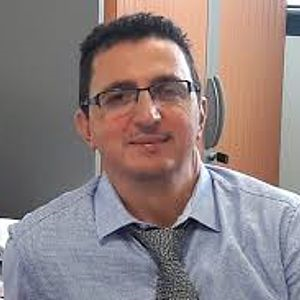
Lille University, France;Dr. Djamel Drider received his PhD in Food Science from "Ecole Nationale Supérieure Agronomique de Montpellier, France". Then, he completed his training in Molecular Microbiology at Centro de Investigaciones Biologicas del CSIC (Madrid, Spain) and Mount Sinai School of Medicine of New York University (NYU, USA). He was appointed as Associate Professor at Nantes Atlantic National College of Veterinary Medicine, Food Science and Engineering, and then as full Professor at Lille University. Dr. Drider's interests include food safety, antimicrobials -antibiotics and antivirals, probiotics, and nanomaterials. D. Drider published 133 peer-reviewed papers, coordinated 5 books, holds 5 patents, and exerts as editor for MDPI journals, and as panel chair or expert for national and international institutions.
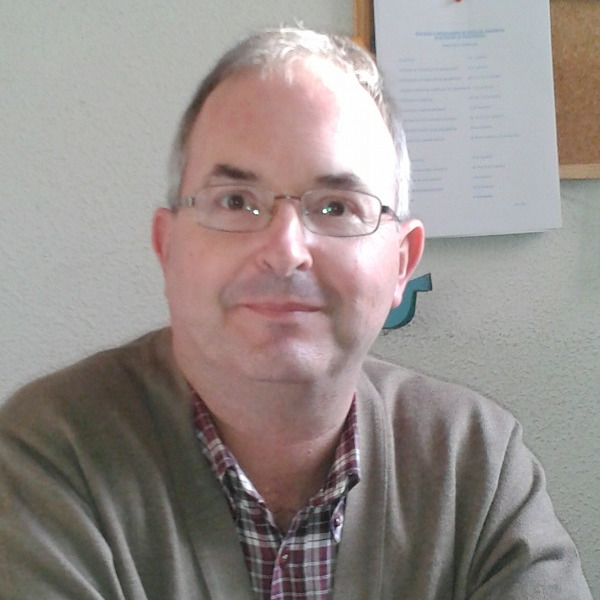
UCM Veterinary Faculty, Spain;Miguel A. Moreno is a Professor of the Department of Animal Health at UCM Veterinary Faculty and researcher of VISAVET-UCM. His expertise is on antimicrobial resistance, antimicrobial use and veterinary epidemiology. He has been a member of AWP-EMA for 11 years and of ESVAC-species-EMA for two years. At the national level, he is vice-president of the Committee for Safety of Veterinary Medicines (Spanish Medicines Agency) and has been member of the Technical Committee of the First Spanish National Plan of Fight against Antimicrobial Resistance.
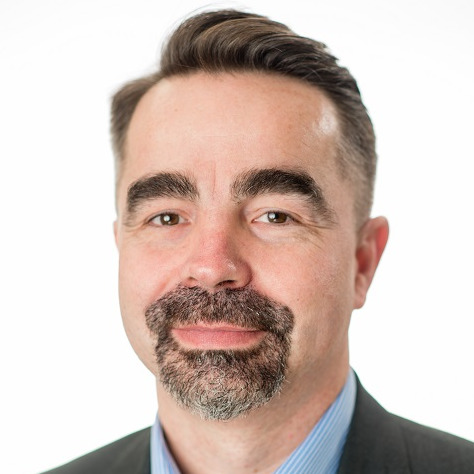
Queen’s University Belfast, UK;Professor Gerd Wagner holds the Chair of Medicinal Chemistry and Chemical Biology in the School of Pharmacy at Queen’s University Belfast. Major themes of his research are the development of enzyme inhibitors and carbohydrate-based probes for applications in bacterial profiling, glycoengineering, and drug discovery. He has previously held academic positions at King’s College London, where he was a founding member of the new Department of Chemistry, and at the University of East Anglia (UK). A pharmacist by training, he is a Fellow of the Royal Society of Chemistry and a Fellow of the Higher Education Academy, and in 2018 was a visiting professor at the Université d'Orléans (France). He currently serves as Associate Editor of “Antibiotics”.

Dr. Denise Barbut
Weill-Cornell Medical CollegeWeill-Cornell Medical College, USA;Dr. Barbut is a Professor of Neurology & Former Chief of the Neurovascular Division and of the Stroke research Program at Weill-Cornell Medical College. She trained as an internist and subsequently as a neurologist in Great Britain and the USA. She received her Medical Degree from University College, London. She completed her post-graduate training at Imperial College, the Royal Brompton Hospital and the National Hospital for Neurology and Neurosurgery, Queens’ Square. She is a Fellow of the Royal College of Physicians of the United Kingdom. She completed her neurologic training at Weill-Cornell Medical Center- Cornell University Medical College and Memorial Sloan-Kettering Cancer Center. Subsequently she became an Attending Physician at New York Hospital and Professor of Neurology at Cornell University. She holds close to 200 patents, relating to methods for neuroprotection, cerebral hypothermia, the treatment of cerebral ischemia, pain, neuromodulation, Parkinson’s disease and other neurodegenerative disorders and has published close to 80 peer-reviewed articles. She has previously founded and led biotech companies to develop novel treatments in the field of neurology. Her current research interests are focused on the role of aminosterols in the treatment of neurodegenerative diseases. She co-founded Enterin with Michael Zasloff in 2016, and currently serves as President, CMO, and Board Member.

Dr. Michael Zasloff
Georgetown University, USA;Dr. Zasloff is a Professor of Pediatrics and Genetics at Georgetown University and the former Dean of Research and Translational Science at Georgetown University. Over the past 25 years, Dr. Zasloff’s scientific interests have centered on the innate immune systems of animals. Dr. Zasloff received his M.D.-Ph.D. in the Medical Scientist Training Program at New York University School of Medicine. In the 1980’s, Dr. Zasloff was Chief, Human Genetics Branch, National Institutes of Child Health and Human Development, at the National Institutes of Health. He founded Magainin Pharmaceuticals, Inc. a publicly traded biotechnology company. He joined the faculty of the University of Pennsylvania School of Medicine as the Charles E. H. Upham Professor of Pediatrics and Genetics and assumed the position of Director of the Division of Human Genetics of the Children’s Hospital of Philadelphia. In 1992, Dr. Zasloff left U. Penn and joined Magainin on a full-time basis and served as Chairman of the Board, Executive Vice President and President of the Magainin Research Institute, a basic research division of the Company. In 2002, Dr. Zasloff was named Dean of Research and Translational Science at Georgetown, tasked with the integration of the basic science conducted at Georgetown with the clinical environment of the Medical Center. Since 2004, Dr. Zasloff has been actively engaged in studies of innate immunity as Scientific Director of the MedStar-Georgetown Transplant Institute. His research interests remain focused on the role of antimicrobial peptides and aminosterols in health and disease, and application to the prevention and treatment of disease. He has published over 150 peer-reviewed articles and holds over 60 issued US patents. He co-founded Enterin in 2016 with Denise Barbut and currently serves as CSO and Board Member. He also serves as the lead independent Director on the Board of Amphastar Pharmaceuticals, Inc. He has received numerous awards including an honorary Doctor of Science from Georgetown University in 2011.
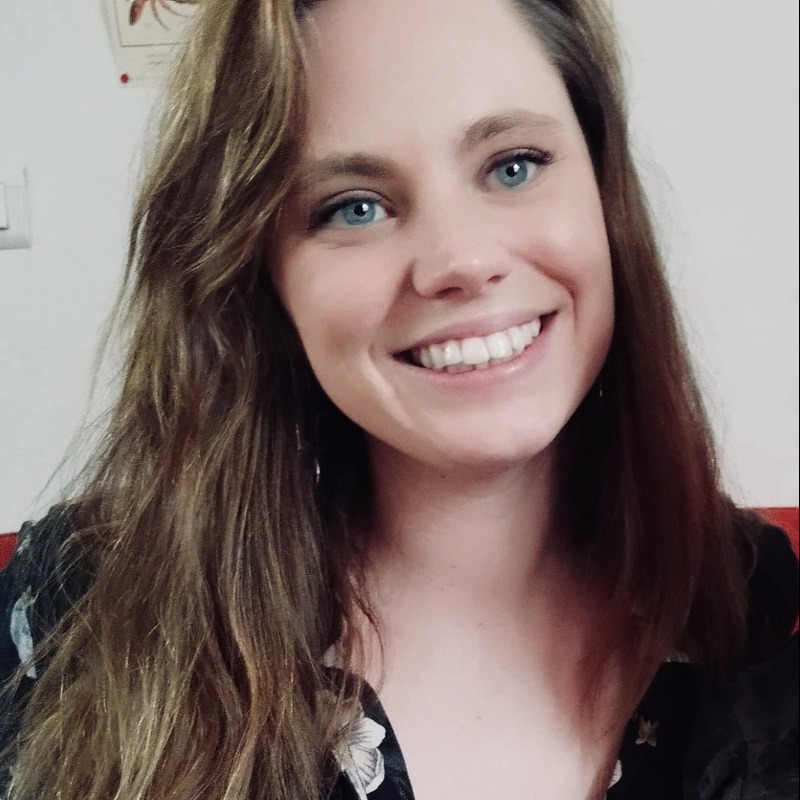
Aix-Marseille University, France;Clarisse Roblin has recently obtained a PhD degree in Microbiology from Aix-Marseille University. Over the last 6 years she has been working on identifying new antibiotics or alternatives to antibiotics to fight antibiotic resistant bacteria. In particular, during her PhD project, she isolated an antimicrobial peptide produced by a human gut symbiont from gut contents and showed its potent clinical properties. She now keeps working, as a postdoctoral researcher, on demonstrating the interest of this peptide as a drug-lead and on identifying its mechanism of action.

Dr. Héléna Cuny
University of Western Brittany, France;After being graduated from the University of South Brittany (France) with a master degree in marine biotechnology in 2017, Helena Cuny worked as an engineer on microalgae polymers involved in biofilm formation. Since 2018, she is a PhD student at the Laboratory of Marine Biotechnology and Chemistry (LBCM), University of Western Brittany (France), in France. Her research work is devoted to unraveling the biosynthesis pathway of alterins, antimicrobial peptides produced by the marine bacteria belonging to Pseudoalteromonas genus.
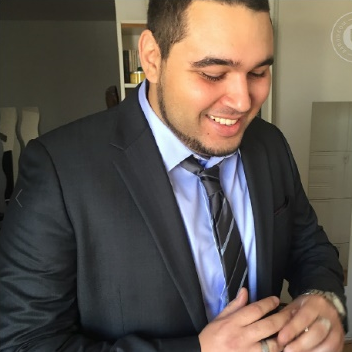
Mr. Soufiane Telhig
Laval University, Canada;National Museum of Natural History, France;I am currently a PhD student conducting a double diploma between Laval University in Québec, Canada, and the National Museum of Natural History in Paris, France. My project is entitled: The impact of post-translationally modified microcins (McC, MccJ25, MccB17 and MccE492) on the porcine microbiota. We aim to evaluate the potential of microcins as alternatives to conventional antibiotics by studying their anti-microbial activities and their impact on the host.

Monash University, Malaysia;Dr Priyia Pusparajah graduated with a medical degreed from the University of Malaya. She is member of the Royal College of Paediatrics and Child Health and completed her post graduate Pediatric training in KK Women’s and Children’s Hospital, Singapore. Following her passion for research and teaching, she began working with Monash University in 2012. She is a core member of the Microbiome and Bioresources Research Strength and the founder of the Medical Health and Translational Research Group. Her research interests are bioprospecting for substances with therapeutic applications, in particular from mangrove derived microbes as well as plants; and also exploring the neonatal gut microbiome. She is also passionate about medical education especially how to meaningfully integrate the basic and clinical sciences and was awarded Monash Pro-Vice Chancellor Award Commendation for Education Innovation in 2019.

University of Fribourg, Switzerland;
Sessions
Explore more detailsSpecial Issue "The Equal Power of Antibiotics and Antimicrobial Resistance: The Continuing Development of New Knowledge"
Selected Papers from the 1st International Electronic Conference on Antibiotics—The Equal Power of Antibiotics And Antimicrobial Resistance (ECA2021)
Edited by Prof. Dr. John E. Gustafson (Oklahoma State University, USA)
Deadline for manuscript submissions: 30 September 2021.
Special Issue Information
Dear Colleagues,
The 1st International Electronic Conference on Antibiotics (ECA 2021) will be held from 8 to 17 May 2021, as a result of the great interest from the community in this Conference Series. The e-conference will be hosted on sciforum.net, an online platform developed by MDPI for scholarly exchange and collaboration.
Many scientists, industry leaders, and government officials are in open discussion about a “postantibiotic era”, at a time when all participants need to remain enthusiastic about new discoveries and maintain funding for the research required to tackle antibiotic resistance. There are few branches of science similar to antibiotic and antibiotic-resistance research, since these efforts require drawing from the strengths of a myriad of scientific disciplines to overcome one of the greatest threats facing humanity.
This premier virtual event, sponsored and supported by MPDI and the journal Antibiotics, hopes to inform and engage participants on a wide variety of subjects associated with antimicrobials, such as:
- Advances in research on new and current antibiotics and related bioactive medicinal agents;
- Antibiotic administration, drug–drug interactions, and pharmacodynamics;
- Biochemical and genetics studies on micro-organisms for improved antibiotics;
- Uses of antibiotics, including on animals and in agriculture;
- Clinical trials;
- New methods for assaying and evaluating antibiotics;
- The production and characterization of antibiotics;
- Classes of antibiotics;
- Antibiotic resistance and misuse;
- Natural antibiotics;
- Epidemiology of antimicrobial use;
- Antimicrobial stewardship;
- Qualitative and quantitative research exploring the determinants of antimicrobial use and resistance;
- Prescribing sciences;
- Antiviral therapeutics;
- Vaccines.
This Special Issue welcomes selected papers from the ECA 2021 that promote and advance the exciting and rapidly changing field.
Submitted contributions will be subjected to peer review and, upon acceptance, will be published with the aim of rapidly and widely disseminating research results, developments, and applications.
It should be noted that submitted manuscripts should have at least 50% additional, new, and unpublished material as compared to the ECA 2021 published paper.
We look forward to receiving your contributions.
Prof. Dr. John E. Gustafson
Guest Editor
Live Session 1 - 11 May 2021
Live Session 2 - 12 May 2021
Live Session 3 - 13 May 2021
Live Session 4 - 14 May 2021