The 3rd International Electronic Conference on Biosensors
IECB 2023 is closed. Thank you for your participation.
The winners of the IECB 2023 awards have been announced HERE ! Congratulations!
The accepted papers will be published as one dedicated volume in the MDPI journal Engineering Proceedings (indexed within Scopus, ISSN 2673-4591). Publication of proceedings paper is free of charge.
All participants of IECB 2023 are also welcomed to submit the extended work to the Biosensors(ISSN 2079-6374; IF 5.743) conference special issue with a 20% discount on the article processing charge.
the chairs
Dear Biosensors Community,
It is our pleasure to invite you to join the 3rd International Electronic Conference on Biosensors (IECB 2023), which will be hosted online from 8 to 21 May 2023 at IECB2023.sciforum.net.
Biosensors currently have an enormous range of applications due to their simplicity, low cost and precision, improving our overall quality of life with uses in, for example, environmental monitoring, disease detection, food safety, defense, drug discovery, and many others.
The aim of this online conference is to gather worldwide well-known experts currently working in biosensors and to provide an online forum for sharing and exchanging knowledge.
Particular attention will be given to young scientists approaching the world of biosensors, with a conference session dedicated specifically to this demographic.
Throughout the event we aim to cover—among others—the following topics:
1. Artificial intelligence in biosensors;
2. Ingestible, implantable and wearable biosensors;
3. Smartphone-based biosensors;
4. The evolution of biological recognition elements in biosensors;
5. Microfabrication and printing techniques in biosensors;
6. Nanomaterials and smart surfaces in biosensors;
7. Technological advancements in biosensor actuators.
We hope you will join us in presenting your work at IECB 2023 and be part of this stimulating online experience.
Kind regards,
Professor Giovanna Marrazza and Dr. Sara Tombelli
The chairs of the 3rd International Electronic Conference on Biosensors.
Follow us on Social Media


Meet Our Chairs
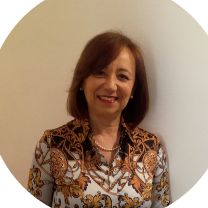
Department of Chemistry “Ugo Schiff”, University of Florence, Italy;Dr. Giovanna Marrazza is the Editor-in-Chief of Biosensors, an open access journal devoted to studies related to the science and technology of biosensors and biosensing. Dr. Giovanna Marrazza has served as Associate Professor in Analytical Chemistry at Department of Chemistry “Ugo Schiff” of the University of Florence since 2001 and is currently President of the study course for the Chemistry degree at this University. She is a distinguished Visiting Professor at the Faculty of Pharmacy “Iuliu Haţieganu” University of Medicine & Pharmacy, Cluj-Napoca (Romania) and member of the steering board of Italian Sensors and Microsystems Group (AISEM). Marrazza’s research focuses on electrochemical, piezoelectric, and optical nano(bio)sensors based on enzymes, antibodies, bacteria, DNA, molecularly imprinted polymers, and aptamers. Her research is focused on new biosensing principles containing nanomaterials and modified interfaces, design procedures suitable for biosensor devices as flow injection analysis, microflow systems, thick-film technology, and nanodispensing technologies. She has co-authored more than 140 papers in leading international journals in addition to numerous book chapters.
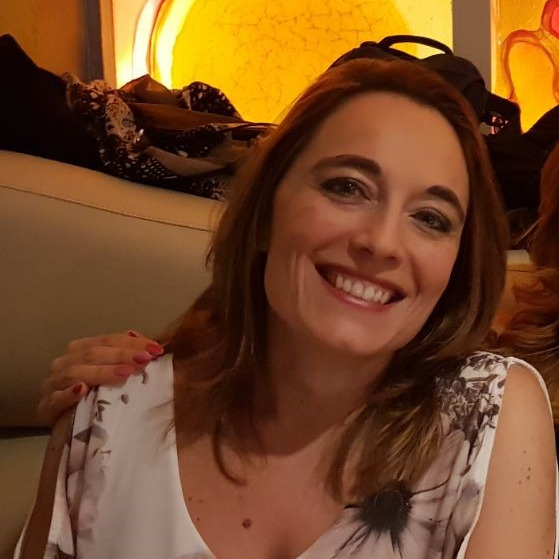
Institute of Applied Physics “Nello Carrara”, CNR-IFAC, Italy;Tombelli, Sara graduated in Chemistry at the University of Florence, Italy, in 1996. She received the PhD in Environmental Sciences with full marks in 2001 at the Department of Chemistry (Florence, Italy). She is now senior researcher at the Institute of Applied Physics (IFAC-CNR) in Florence, Italy. Her research activity is focused on analytical chemistry, biosensor development and surface modifications with bio-molecules, such as antibodies, enzymes, aptamers and nucleic acid probes. She has also experience in intracellular nanosensors and nanoparticle manipulation. On the above topics she has contributed more than 130 publications on international refereed journals, books and conference proceedings (H-index=38, Scopus). She participated in several European Projects (Nanodem, Hemospec, Careman, Gapogrowth) and in other national and international projects. She is now research unit scientific leader in the national project PRIN “Development of novel DNA-based analytical platforms for the rapid, point-of-use quantification of multiple hidden allergens in food samples”. She has been reviewer and referee for the evaluation of international projects such as proposals under the ERC Ideas Specific Programme and the FET programme. She received the National Scientific Habilitation (ASN) as full and associate professor in Analytical Chemistry (Italian Ministry for Research).
Important Dates
24 Feb
2023
10 Mar
2023
25 Apr
2023
Meet Our Speakers
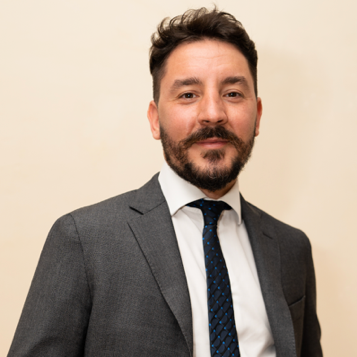
Department of Pharmacy, University of Naples “Federico II”, Italy;Stefano Cinti is an Associate Professor at the Department of Pharmacy, University of Naples “Federico II”. He obtained a Ph.D. in Chemical Sciences in 2016 in the group headed by Prof. Giuseppe Palleschi at the University of Rome “Tor Vergata”. He leads the uninanobiosensors Lab (uninanobiosensors.com) at University of Naples “Federico II”, and his research interests include the development of electrochemical sensors, paper-based devices, nanomotors, and nanomaterials. During his research activity, he had the opportunity to spend a period abroad in Finland, U.K., U.S., Germany, and Spain. He has published more than 65 papers in peer-reviewed journals, with an H-index of 30 and >3000 citations. Among all the prizes and certificates, in 2018 he was named Best Young Researcher in Bio-Analytical Chemistry, and in 2019 he was named Best Young Researcher in Analytical Chemistry (both by the Italian Chemical Society), and in 2021 he has been recognized as the World’s Top 2% Scientists. He is the coordinator of the Chemical Cultural Diffusion group of Italian Chemical Society. He is the Chair of AMYC-BIOMED, a multidisciplinary conference for young chemists in the biomedical sciences. He is very active in communicating science to nonspecialized audiences through TV shows, radio, and magazine.
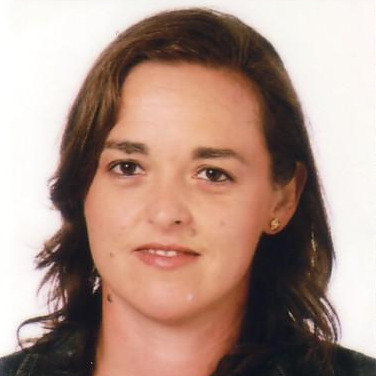
Departamento de Química Física y Analítica Universidad de Oviedo, Spain;Dr. María Jesús Lobo-Castañón holds a PhD in Chemistry and leads the Electroanalysis research group at the University of Oviedo in Spain. Since 2007 she is Full Professor in Analytical Chemistry at said University. Her research interests focus on the development of electrochemical sensors for clinical diagnosis and food analysis, using different molecular recognition elements, such as enzymes, DNA and aptamers. She is (co)author of over 130 articles in leading international journals and various book chapters in that field. Her H-index is 36, with a total citation over 4200 (2022 September, Scopus). All her written work is available on the group website: https://www.unioviedo.es/electroanalysis/
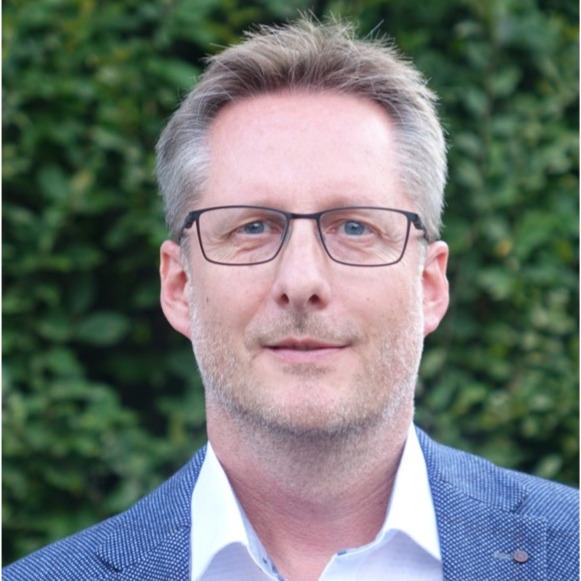
Institute of Physical and Theoretical Chemistry (IPTC), Eberhard Karls Universität Tübingen, Germany;Dr. Günther Proll studied Technical Biology at the University of Stuttgart, Germany with a specialization in Physical Chemistry and Optical Spectroscopy. In 2005, he received his PhD at the University of Tübingen for his work on a fully automated optical biosensor system where he holds a position as a lecturer for bio-analytics. Dr. Proll has published more than 40 original articles and 6 patents covering his work. He is one of the main inventors of the SCORE technology and was co-founder and CEO of a start-up company whose assets were sold to BioCopy GmbH, for which he worked as Senior Scientist. Since 2020 Dr. Proll holds a position as scientist and assistant lecturer at the University of Tübingen in the field of optical biosensing and joined recently the „Hauptausschuss der Wasserchemischen Gesellschaft“ of the German Association for Chemists (GDCh) and serves as head of the specialist committee for “Sensors”.
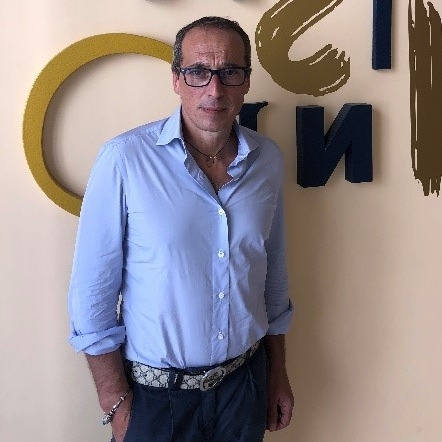
Engineering Department, University of Sannio, Italy;Andrea Cusano is full Professor of Electronics, Optoelectronics and Photonics at the University of Sannio. His research interests are focused on the suitable merging of optical fibers and nanotechnologies and was the pioneer of the “Lab on fiber Technology” concept, nowadays recognized as an hot topic in nanophotonics. He published over 400 papers on prestigious international journals and communications in well-known international conferences worldwide; he has close to 20 national and international patents currently in charge of prestigious industrial companies. He is co-author of more than 70 invited chapters published in international books, invited papers, key note and plenary lectures in prestigious scientific international journals as well as international conferences. He was a the past Editor in Chief of Journal of Optics and Laser Technology (Elsevier) and the actual Editor in chief for Results in Optics (Elsevier). He was also cofounder of several spin-off companies focused on the development of fiber optic sensing systems for industrial and life science applications: “OptoSmart S.r.l.” in 2005, “MDTech” in 2007, “OptoAdvance” in 2011, Mantid S.r.l. in 2017, Often Medical in 2019, Biotag in 2021. In 2020, he was appointed as Technical Director of the Research Infrastructure (C-NOS: Optoelectronics and Photonics Technologies for Life Science Applications). He holds more than 25 national and international patents, most of them have been transferred to industrial companies.
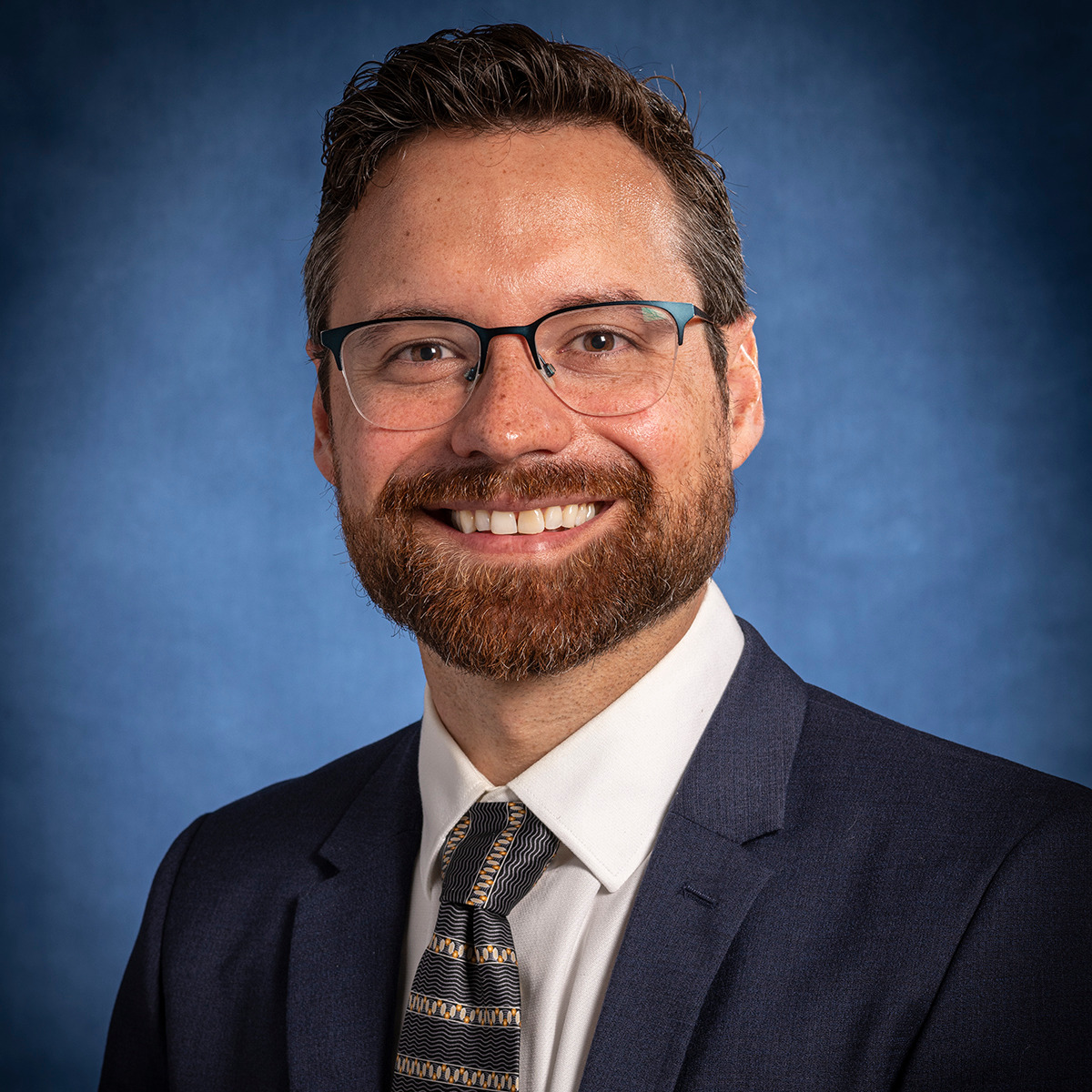
Dr. Netz Arroyo
Pharmacology and Molecular Sciences, School of Medicine, Johns Hopkins University, USA;Netzahualcoyotl (Netz) Arroyo is an Assistant Professor in Pharmacology and Molecular Sciences at Johns Hopkins University School of Medicine. The department was established by John Jacob Abel in 1893 as the first Department of Pharmacology in the United States. Seminal contributions by our department include the discovery of the neurotransmitter epinephrine, the crystallization of insulin, the first measurement of a drug concentration in a human, and the identification of the opiate and insulin receptors. Today, the department is a nexus for collaboration across the school with 10 primary faculty, and an additional 26 secondary faculty conducting research in 14 other departments. Collectively, we focus on a wide range of areas, including drug discovery and design, drug delivery, mass spectrometry (metabolomics, proteomics, and imaging), high-throughput chemistry and screening approaches, cancer mechanisms and therapeutics, drug metabolism/pharmacokinetics, neuropharmacology, glycobiology, lipid biology, and epigenetics. Netz Arroyo received his Ph.D. in Analytical Chemistry from The University of Texas at Austin under electrochemist Allen J. Bard and was a postdoctoral fellow at University of California Santa Barbara under biophysicist Kevin W. Plaxco. As Assistant Professor, he leads a multidisciplinary research group of four graduate students and two postdoctoral fellows focused on the development of biosensing technologies for real-time molecular monitoring in biological systems. More specifically, research in the Arroyo lab aims to expand our understanding therapeutic transport across biological barriers, develop new diagnostic and drug delivery approaches, and expand therapeutic drug monitoring capabilities via wearable devices. These applications are enabled by electrochemical, aptamer-based sensors, a platform co-developed by Dr. Arroyo that allows continuous and real-time molecular measurements within the body.
Department of Chemistry, Federal University of Viçosa, Brazil;Prof. Tiago received his BSc degree in Chemistry from Federal University of Uberlândia (Brazil) in 2012 with an academic mobility period (2010–2011) at the University of Lisbon (Portugal), MS degree (2015) and PhD degree (2019) in Analytical Chemistry from the Federal University of São Carlos (Brazil). He served as a visiting doctoral researcher (2017) at Virginia Commonwealth University (Richmond, VA, USA). Currently, he is Adjunct Professor of Chemistry at the Federal University of Viçosa, Brazil. His research interests include the development of novel electroanalytical methods, design of nanostructured sensors and biosensors, reuse of agro-industrial residues in nanotechnology and green corrosion inhibitors. He has served as Guest editor of Biosensors and Frontiers in Sensors journals, and as Reviewer of several specialized journals. He has published more than 60 scientific articles yielding an H-factor of 23, two books in the electroanalysis area, 6 book chapters and several papers in congress.
Department of Analytical Chemistry and Environmental Engineering, Faculty of Chemical Engineering and Biotechnologies, University "Politehnica" of Bucharest, Romania;Stelian Lupu is full professor at the Department of Analytical Chemistry and Environmental Engineering, Faculty of Chemical Engineering and Biotechnology, the University Politehnica of Bucharest. He has earned a Ph.D. degree in 2001 from the University of Bucharest, Romania, and the Habilitation à Diriger des Recherches (HDR Diploma) in 2012 from the University of Besançon, France. He has performed several research stages at the University of Modena, at doctoral and postdoctoral levels, and one postdoctoral research stage at the École Normale Supérieure de Paris. His general research interests include electrochemical sensors and biosensors, microelectrodes and their arrays, and electroanalysis of biologically active compounds and organic/inorganic pollutants. He has coordinated several national grants on electrochemical (bio)sensors based on conducting polymers and composite materials and has developed international and national scientific collaborations with research Groups from Universities of Modena (Italy), Besançon (France), Cadiz (Spain), and Lille (France), the Basque Centre for Materials, Applications & Nanostructures of Leioa (Spain), the Institute of Physical Chemistry of Sofia (Bulgaria), the Institute of Physical Chemistry of Bucharest. He is coordinating Erasmus and Erasmus+ Programs (since 2003 up to the present) with Universities from Modena, Besancon, and Cadiz.
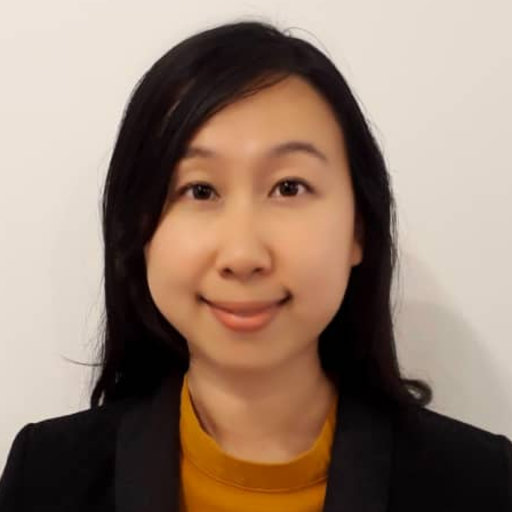
Department of Molecular Medicine, Faculty of Medicine, Universiti Malaya, Malaysia;Dr. Leo Bey Fen is an assistant professor at the Faculty of Medicine, University of Malaya (UM) and a research fellow at the Nanotechnology and Catalysis Research Centre, UM. She obtained her PhD from the London Centre for Nanotechnology (LCN), Imperial College London (UK). Her research focuses on the development of portable, rapid and sensitive point-of-care devices for pathogen detection. Many of her peer-reviewed papers on topics including nanomaterials synthesis, electrochemistry, biosensors etc. have been published in high-impact journals. Besides, the biosensors developed by her team have received several prestigious awards, including the International Conference and Exposition on Inventions by Institutions of Higher Learning (Pecipta, Gold Award) and Innovation of The Year in Malaysia Medical Device Expo. Dr. Leo also serves as an associate editor for the Electrochemical Environmental Engineering section of Frontiers in Environmental Chemistry and special issues in The Journal of International Medical Research on the topic of ‘Rapid Detection of Global Infectious Disease’. She also serves as a reviewer for scientific papers including nature communications, Scientific Reports (Nature), ACS Applied Nano Materials, ACS Sensors, RSC Advances, Sensors & Diagnostics, Analytical Chemistry, etc.
Department of Chemistry, National and Kapodistrian University of Athens, Greece;Christos Kokkinos is Associate Professor at the Department of Chemistry, National and Kapodistrian University of Athens, Greece. His research interests include the fabrication of smart sensors and biosensors through microengineering, 3D-printing and other printing technologies. The produced sensors intend to the electrochemical determination of (bio)markers with significance interest in the field of environmental, food and forensic chemistry. Biodevices based on labeling with nanoparticles, as well as wearable enzymatic biosensors are also included in his group working scientific area. Based on his research, more than 60 papers have been published in international peer reviewed journals with high impact factor (mean IF >7).
Department of Electrical and Information Engineering, Politecnico di Bari (Polytechnic University of Bari), Italy;Francesco Dell'Olio obtained his PhD in Information & Communication Technologies in 2010. Since 2022, he has been an Associate Professor of Electronics at the Polytechnic University of Bari, Italy. The research interests of Prof. Dell’Olio are focused on silicon photonics. F. Dell'Olio is co-author of 2 books, published by Springer and World Scientific, more than 50 papers in international peer-reviewed journals and 100 papers published in international conference proceedings. F. Dell'Olio is a member of the editorial board of the international journals Applied Sciences, Biosensors, Chemosensors, and Journal of Sensors, and has served as guest editor for several special issues. Currently, F. Dell'Olio is a reviewer for many international journals in the field of optoelectronics and photonics. F. Dell'Olio is regularly a member of the organizing committee, the program committee, and the local committee of international conferences. F. Dell'Olio has been and is involved in several research projects funded by Italian Ministry of University and Research, the European Space Agency, the Italian Space Agency, and some industrial companies also holding roles with scientific responsibility. Since 2016 F. Dell'Olio has been the scientific director of two research projects funded by the University Research Fund of the Polytechnic University of Bari. F. Dell'Olio has been the beneficiary of funds for its research activities under the Fund for the financing of basic research activities in Italy.
Laboratory for Soft Matter and Biophysics, ZMB, Department of Physics and Astronomy, KU Leuven, Belgium;Patrick Wagner obtained a Ph.D. in Physics in 1994 at TU Darmstadt, Germany. Thereafter, he was a postdoctoral fellow at KU Leuven (Belgium), working on the electrical properties of oxide thin films. In 2001, he became a professor at Hasselt University (Belgium), and switched to the field of biosensors for medical diagnostics. In 2014, he moved back to KU Leuven as a full professor of biophysics and became head of the Laboratory for Soft Matter and Biophysics in 2022. Regarding transducers, his team utilizes impedance analysis, quartz-crystal microbalances, and the heat-transfer method HTM: The latter sensing mechanism relies on the unexpected observation that on-chip denaturation of DNA causes a substantial change of the thermal interface resistance between the chip and the liquid. HTM can be applied to various bioanalytical applications, including the detection of proteins, inflammation markers, bacteria, and cancer cells. At the side of the receptors, the team develops molecularly-imprinted polymers for small-molecule recognition and surface-imprinted polymers for larger targets such as bacteria. Recently, we developed a receptor-free, thermal technique to identify eukaryotic cells and characterize their response to nutrients and toxins. P. Wagner has served as president of the Belgian Physical Society (2006, 2007), as chair of the scientific advisory board of the Kurt-Schwabe-Institute (2016 – 2019), and as a member of the expert panel for interdisciplinary research of the Research Foundation Flanders FWO (ongoing). He was editor-in-chief of the journal Physics-in-Medicine (2016 – 2022), member of the editorial board of SENSORS (since 2018), and serves as guest editor of the annual section “Engineering of Functional Interfaces” in Physica Status Solidi A.

Prof. Dipanjan Pan
Department of Nuclear Engineering and Materials Science and Engineering, The Pennsylvania State University, University Park, USA;Prof. Pan is a recognized expert in nanomedicine. He is presently a Dorothy Foehr Huck & J. Lloyd Huck Chair Professor in Nanomedicine and tenured Full Professor in the Pennsylvania State University. His research is highly collaborative and interdisciplinary, centering around the development of novel materials for biomedical applications, immune-nanomedicine, and targeted therapies for stem-like cancer cell with phenotypically screened nanomedicine platforms and biosensing approaches for infectious diseases. Over the years, this research has resulted in >200 high impact peer reviewed publications in scientific journals, many patents, and several technology licensing. He is the founder of four University based early start-ups, including Vitruvian Bio, dedicated to developing HIV-companion diagnostics; InnSight Technologies dedicated for ocular diseases and KaloCyte, Inc, to develop artificial oxygen career for human trauma. In 2016 Dr. Pan received Nanomaterials Letter (NML) Researcher award, in 2017 a Young Innovator Award from Biomedical Engineering Society (BMES), and a Deans Award for Research Excellence in 2018. He is an elected senior member of National Academy of Innovators (NAI), a fellow of Royal Society of Chemistry (FRSC), a Fellow of American Heart Association (FAHA) and an elected fellow of American College of Cardiology (HACC). Professor Pan is an Associate Editor for WIRES Nanomedicine and Nanobiotechnology (Wiley).



Live Session 1 (8 May 2023)
Live Session 2 (9 May 2023)
Live Session 3 (16 May 2023)
Live Session 4 (18 May 2023)
 |
LinkZill was founded in Jan. 2019 in Wuhan and relocated its headquarters to Hangzhou in Jan. 2020, then started the R&D center in Shanghai in 2021. LinkZill's core value is "leading the technology–领, be dedicated and honest from the beginning to the end–挚". LinkZill is devoted to making technology serve people better and more efficiently. LinkZill's core products are thin-film transistor (TFT) semiconductor chips (including corresponding functional materials and portable test/drive systems), with the applications of high-throughput DNA synthesis, active-matrix digital microfluidics, high-throughput biochemical/photoelectric sensor, and cutting-edge scientific research. |
|
|
PalmSens BV was founded in 2001 by Dr. Kees van Velzen, one of the driving forces in the field of potentiostat digitization in the late ’80s and ’90s. PalmSens BV was the first company to reduce a research-grade potentiostat to a size that fits in your pocket. At PalmSens we are committed to making electrochemistry easier, more portable, and more accessible for novice and advanced researchers and entrepreneurs. We provide a comprehensive range of instruments for most types of electrochemistry with an emphasis on mobility. We manufacture the world’s smallest commercially available potentiostat module with EIS capabilities: the EmStat Pico. While our unique flagship instrument, the PalmSens4, is one of the most versatile and compact frequency response analysis (FRA) / EIS capable device in the market. For more detail: https://www.palmsens.com/ |

Ms. Ellie Liu
Ms. Russell Wang
Email: iecb2023@mdpi.com