
Speakers
Keynote Speakers
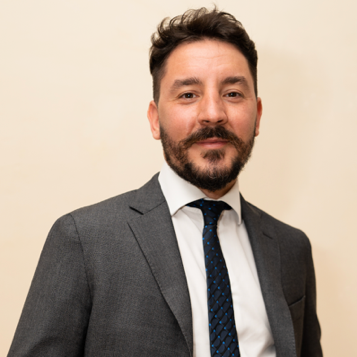
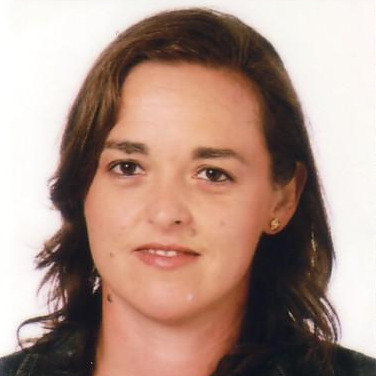
Prof. María Jesús Lobo-Castañón
Departamento de Química Física y Analítica Universidad de Oviedo, Spain
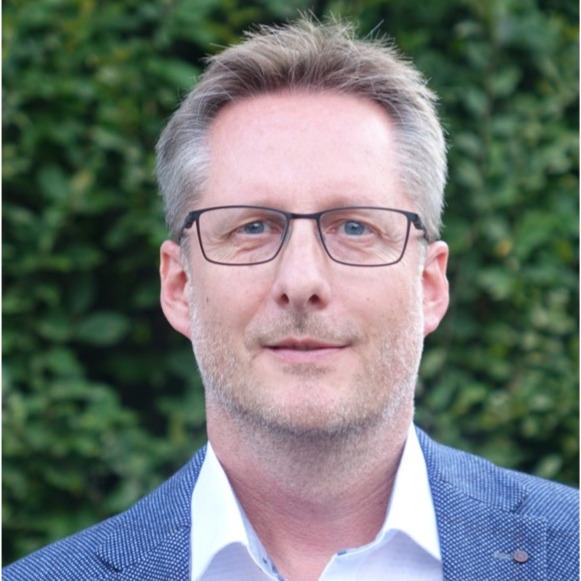
Dr. Günther Proll
Institute of Physical and Theoretical Chemistry (IPTC), Eberhard Karls Universität Tübingen, Germany
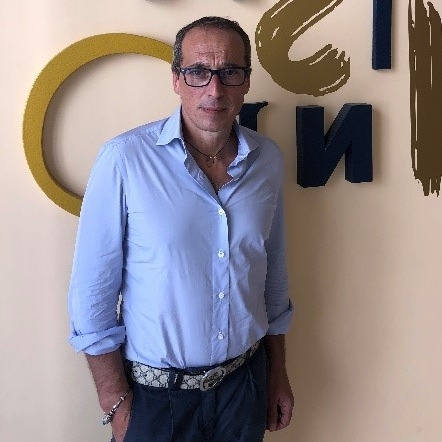
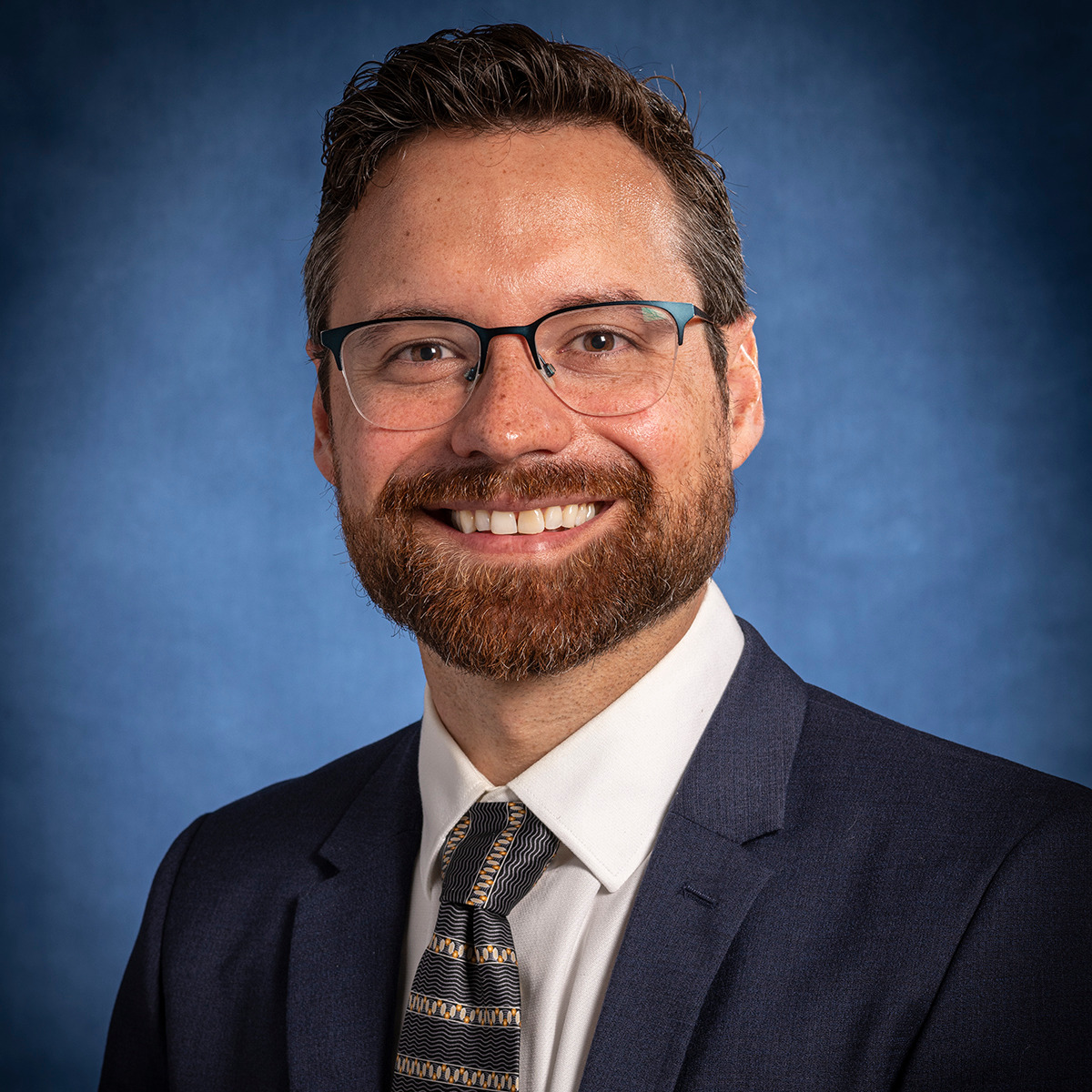
Dr. Netz Arroyo
Pharmacology and Molecular Sciences, School of Medicine, Johns Hopkins University, USA
Prof. Dr. Stelian Lupu
Department of Analytical Chemistry and Environmental Engineering, Faculty of Chemical Engineering and Biotechnologies, University "Politehnica" of Bucharest, Romania

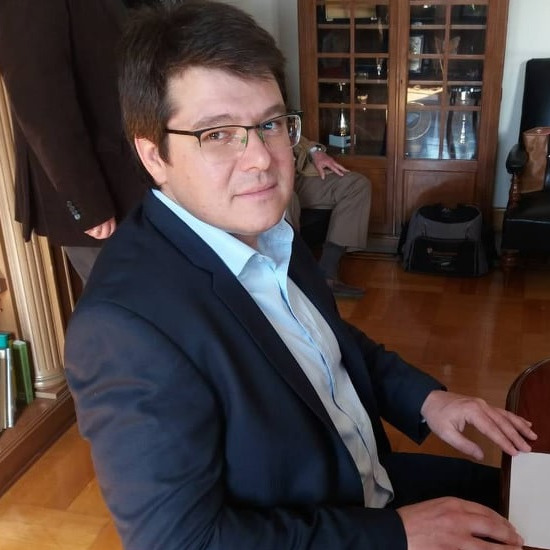
Prof. Dr. Christos Kokkinos
Department of Chemistry, National and Kapodistrian University of Athens, Greece
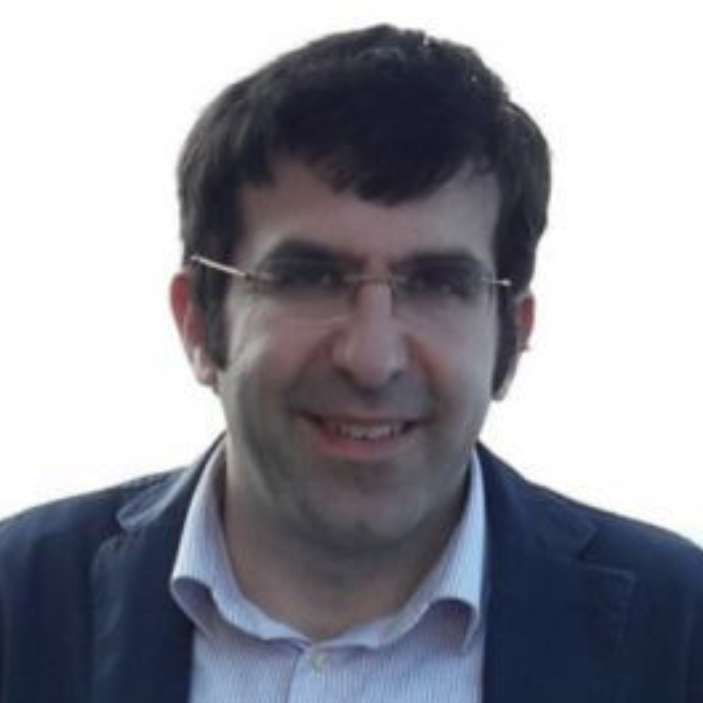
Dr. Francesco Dell'olio
Department of Electrical and Information Engineering, Politecnico di Bari (Polytechnic University of Bari), Italy
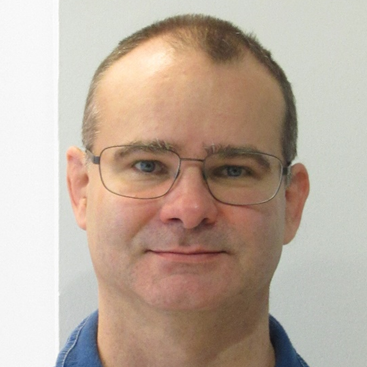
Prof. Patrick Wagner
Laboratory for Soft Matter and Biophysics, ZMB, Department of Physics and Astronomy, KU Leuven, Belgium

Prof. Dipanjan Pan
Department of Nuclear Engineering and Materials Science and Engineering, The Pennsylvania State University, University Park, USA
Invited Speakers
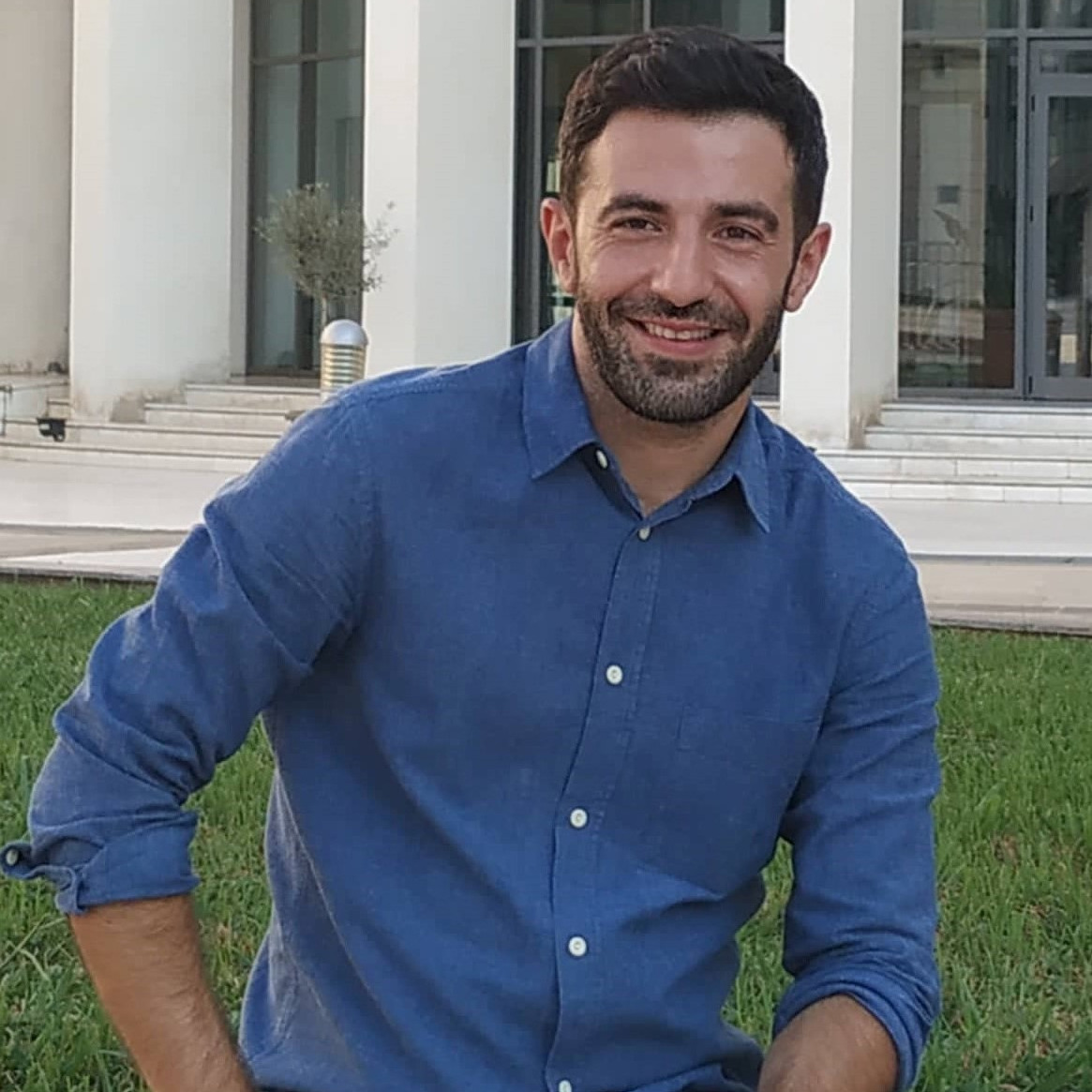

Prof. Cristian Ravariu
Department of Electronic Devices Circuits and Architectures, Politehnica University of Bucharest, Romania
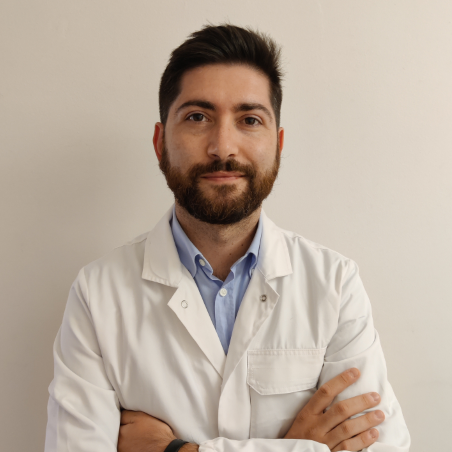
Dr. Matteo Sensi
Laboratory of Organic Electronics, Department of Life Science, University of Modena and Reggio Emilia, Italy
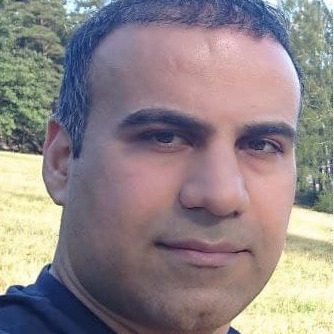
Dr. Amir Hatamie
Department of Chemistry, University of Gothenburg, Sweden and Institute for advanced studies in basic sciences. Iran.
Plenary Speaker
Name: Professor Sergey A. Piletsky
Affiliation: Department of Chemistry, University of Leicester, Leicester, UK
Talk: MIP Nanoparticles for Diagnostics and Imaging Applications
Bio: A leading expert on Molecular Imprinting and Biosensors. Sergey Piletsky is a Professor of Bioanalytical Chemistry and Research Director for School of Chemistry. Sergey has graduated from Kiev University in 1985 with a M.Sc. in Bioorganic Chemistry. In 1991 he received Ph.D. from Institute of Bioorganic Chemistry. Since 1992 he worked with world leading experts in biosensors such as Prof. Karube in Tokyo University, Prof. Wolfbeis in Regensburg University and Prof. Turner in Cranfield University. In 2002 Sergey became Professor of Polymer Chemistry and Head of Cranfield Biotechnology Centre. In 2013 Sergey has moved his group to the University of Leicester where he is working as a Research Director and Head of Leicester Biotechnology Group. For his scientific achievements, Sergey received number of awards such as JSPS, DFG and Leverhulme Fellowships, the award of the President of Ukraine, Royal Society Wolfson Research Merit Award, Silver Medal from Royal Society of Chemistry (Macro Group) for significant and substantial contribution to the development of polymer science, and DSc from Cranfield University. Sergey has published more than 400 papers and patent applications (H-index-84). The focus of Sergey’s work has been on molecularly imprinted polymers, driven by a practical need to find stable and generic alternatives to antibodies and natural receptors, as well as reducing the use of animals in antibody production. His research interests also include (i) Computational design and molecular modelling; (ii) Development of sensors and assays for clinical and environmental diagnostics; (iii) Nanoparticles for diagnostics and therapeutic applications. This work has been supported by 11 EU projects, grants from MRC and EPSRC (JREI), grants from HPA, FSA and Home Office, Department of Health, Wellcome Trust, (UK), NOAA (USA), and numerous grants from industry.
Image: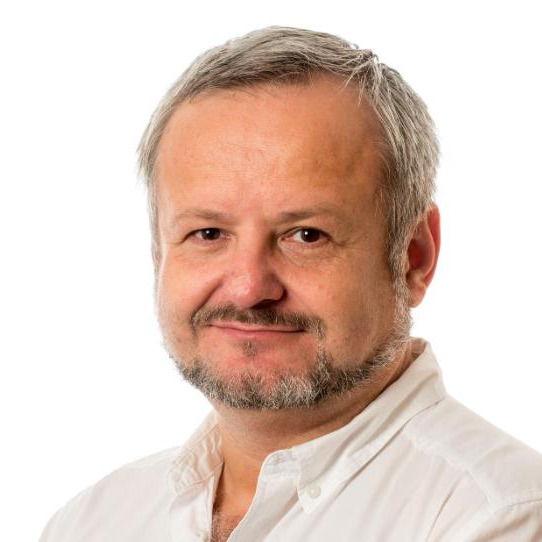
Affiliation: Department of Chemistry, University of Leicester, Leicester, UK
Talk: MIP Nanoparticles for Diagnostics and Imaging Applications
Bio: A leading expert on Molecular Imprinting and Biosensors. Sergey Piletsky is a Professor of Bioanalytical Chemistry and Research Director for School of Chemistry. Sergey has graduated from Kiev University in 1985 with a M.Sc. in Bioorganic Chemistry. In 1991 he received Ph.D. from Institute of Bioorganic Chemistry. Since 1992 he worked with world leading experts in biosensors such as Prof. Karube in Tokyo University, Prof. Wolfbeis in Regensburg University and Prof. Turner in Cranfield University. In 2002 Sergey became Professor of Polymer Chemistry and Head of Cranfield Biotechnology Centre. In 2013 Sergey has moved his group to the University of Leicester where he is working as a Research Director and Head of Leicester Biotechnology Group. For his scientific achievements, Sergey received number of awards such as JSPS, DFG and Leverhulme Fellowships, the award of the President of Ukraine, Royal Society Wolfson Research Merit Award, Silver Medal from Royal Society of Chemistry (Macro Group) for significant and substantial contribution to the development of polymer science, and DSc from Cranfield University. Sergey has published more than 400 papers and patent applications (H-index-84). The focus of Sergey’s work has been on molecularly imprinted polymers, driven by a practical need to find stable and generic alternatives to antibodies and natural receptors, as well as reducing the use of animals in antibody production. His research interests also include (i) Computational design and molecular modelling; (ii) Development of sensors and assays for clinical and environmental diagnostics; (iii) Nanoparticles for diagnostics and therapeutic applications. This work has been supported by 11 EU projects, grants from MRC and EPSRC (JREI), grants from HPA, FSA and Home Office, Department of Health, Wellcome Trust, (UK), NOAA (USA), and numerous grants from industry.
Image: