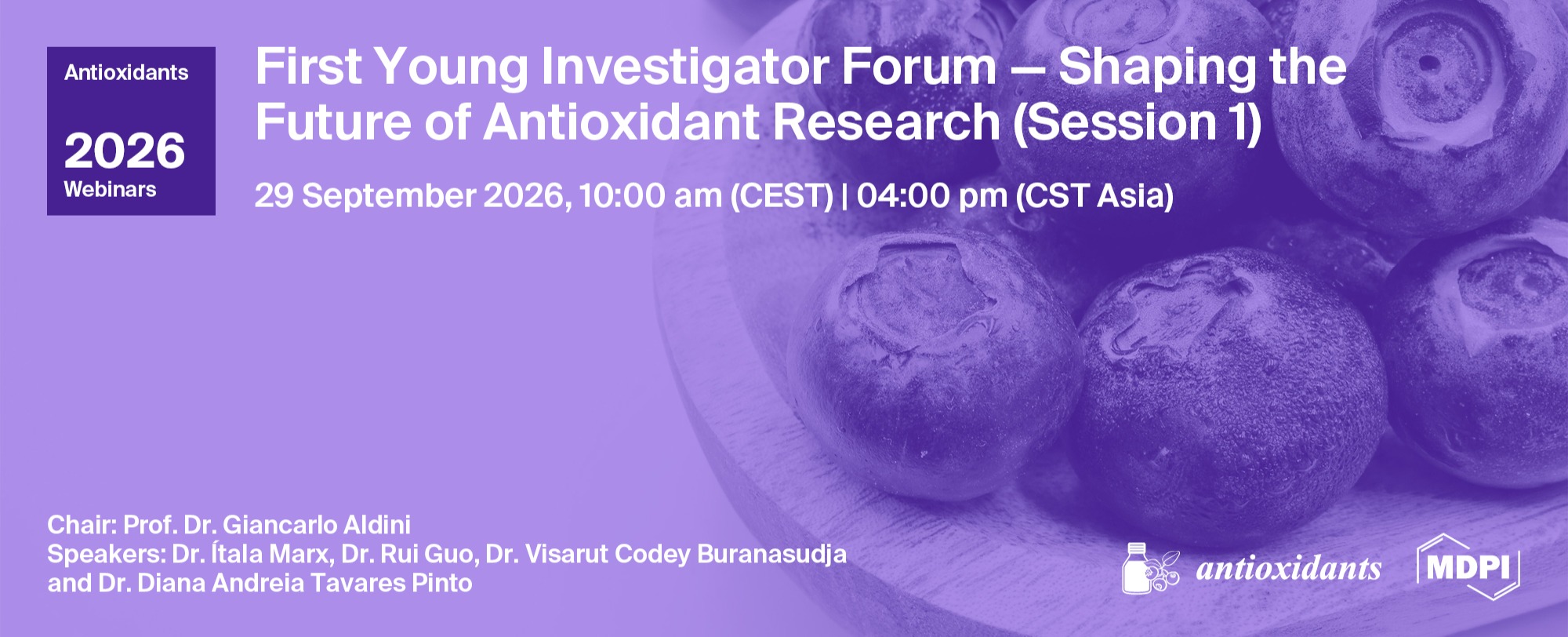
Antioxidants Webinar | First Young Investigator Forum — Shaping the Future of Antioxidant Research (Session 1)
the chair
4th Antioxidants Webinar
First Young Investigator Forum — Shaping the Future of Antioxidant Research (Session 1)
Welcome to the First Young Investigator Forum of Antioxidants. I am Professor Giancarlo Aldini, Department of Pharmaceutical Sciences, University of Milan, Italy, and Section Editor-in-Chief of Antioxidants. It is my great pleasure to chair this inaugural scientific event, which has been established to showcase outstanding research conducted by early-career scientists working in the broad field of oxidative stress, redox biology, and antioxidant research.
The First Young Investigator Forum is a new scientific initiative promoted by Antioxidants to provide an international platform where promising young investigators can present their latest discoveries, exchange ideas with peers and senior scientists, and foster new collaborations across disciplines. By bringing together researchers investigating both the fundamental mechanisms of redox biology and their translational and clinical applications, the Forum aims to highlight emerging trends that will shape the future of antioxidant research.
The scientific program features invited presentations from selected young investigators covering diverse areas of antioxidant science, including redox signaling, oxidative stress in human disease, mitochondrial biology, inflammation, aging, nutrition, natural products, biomarkers, and novel therapeutic strategies. Each presentation will be followed by an interactive discussion designed to stimulate scientific exchange, encourage networking, and promote new collaborative opportunities.
This Forum reflects the commitment of Antioxidants to supporting the next generation of scientists and providing visibility to innovative research that advances our understanding of oxidative stress and antioxidant biology.
I would like to warmly welcome all our speakers, participants, and attendees from around the world. I hope this inaugural Forum will inspire stimulating discussions, foster new collaborations, and become a recurring event showcasing the future leaders of antioxidant research.
Date: 29 September 2026
Time: 10:00 am CEST | 4:00 pm CST Asia
Webinar ID: 879 9303 2858
Webinar Secretariat: journal.webinar@mdpi.com
Meet Our Chair
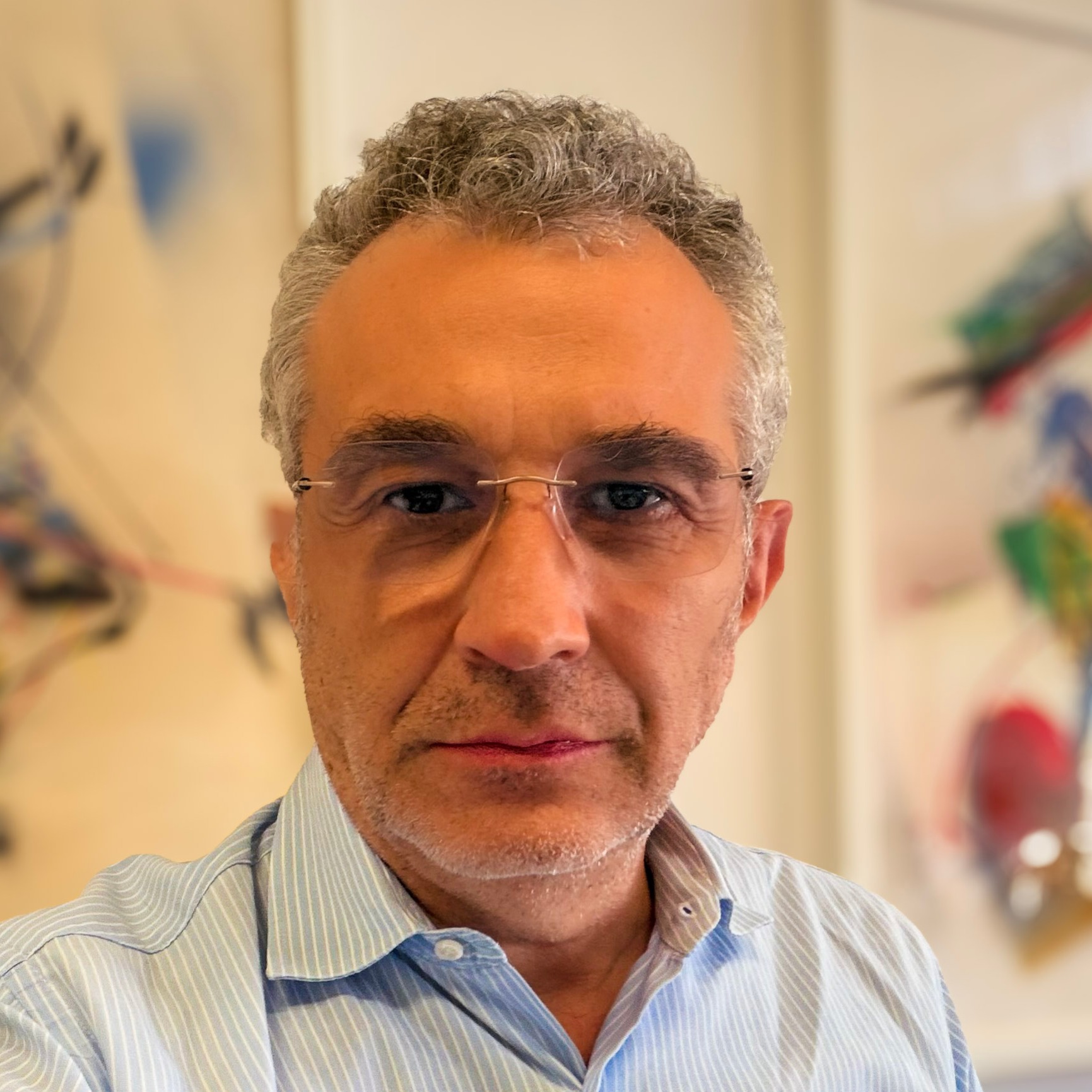
University of Milan, Italy;Prof. Dr. Giancarlo Aldini is Full Professor of Medicinal Chemistry at the Department of Pharmaceutical Sciences, University of Milan, Italy, where he leads the Pharmaceutical Analysis and Bioanalysis laboratories. He serves as Section Editor-in-Chief of Antioxidants and Associate Editor of Free Radical Research. His research focuses on oxidative stress, redox biology, reactive carbonyl species, and endogenous antioxidant defense mechanisms, with particular emphasis on the molecular mechanisms of lipid peroxidation, Nrf2 activation, biomarkers of oxidative damage, and the discovery of innovative antioxidant and carbonyl-scavenging strategies for pharmaceutical, nutraceutical, and cosmetic applications. His group combines medicinal chemistry with advanced analytical technologies, including mass spectrometry, proteomics, metabolomics, and chemical biology, to investigate disease mechanisms and identify novel therapeutic targets. Prof. Aldini has authored more than 300 peer-reviewed publications, holds 11 international patents, and has an h-index of 66 (Scopus). He has coordinated numerous national and international research projects and actively collaborates with both academia and industry in the fields of redox biology, drug discovery, and cosmetic science.
Meet Our Speakers
-6a8fef7098df5.png)
University of Córdoba, Spain;Dr Ítala Marx is a researcher at the Department of Analytical Chemistry, University of Cordoba (Spain), and a Marie Skłodowska-Curie Actions (MSCA) Fellow Alumna. Her research focuses on developing sustainable functional ingredients from agrifood by-products through advanced analytical chemistry, food science and circular bioeconomy. She is Guest Editor of the Antioxidants Special Issue From Waste to Health: Upcycling Agrifood By-Products into Functional Antioxidant-Rich Ingredients and Products (2nd Edition), a member of the journal’s Early Career Editorial Board. Her work bridges fundamental research, innovation and technology transfer to accelerate the development of evidence-based functional ingredients.
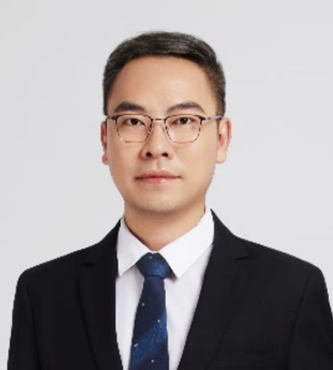
Fujian Agriculture and Forestry University, China;Rui Guo, Associate Professor, Doctoral supervisor, working in College of Bee Science, Fujian Agriculture and Forestry University. He is the deputy director of, the department head of College of Bee Science, the most influential scholar of CNKI, the top 1% cited scholar of CNKI, the high-level talents of Fujian province, the high-level talents of Quanzhou city, the outstanding young scientific research talents of Fujian Agriculture and Forestry University. He serves as editors for a series of academic journals, such as The Science of Nature, BMC Biology, Antioxidants, Insects, Biology, Animals, Biomolecules, International Journal of Molecular Sciences, Frontiers in Bee Science, Veterinary Sciences, Frontiers in Physiology, Life, Genes, Frontiers in Physiology, and Frontiers in Genetics. He has published about 100 research articles in international journals. His group focuses on host-pathogen/parasite interaction, non-coding RNA, transgene, cutting-edge omics, disease diagnosis and treatment, effects of api-products on anti-tumor and anti-inflammation.
-6a99148ad25af.png)
Chulalongkorn University, Thailand;Visarut Codey Buranasudja, Ph.D. is an Associate Professor in the Department of Pharmacology and Physiology at the Faculty of Pharmaceutical Sciences, Chulalongkorn University, Thailand. He received his Ph.D. in Human Toxicology from the University of Iowa in 2018, where he trained in redox biology and cancer pharmacology under the mentorship of Professor Garry R. Buettner. His research focuses on quantitative redox biology, pharmacological ascorbate (high-dose vitamin C)-based cancer therapy, glioblastoma biology, mitochondrial bioenergetics, and the discovery of bioactive natural products for cancer treatment. His laboratory integrates oxidative stress biology, cancer metabolism, molecular pharmacology, and translational oncology to identify novel therapeutic strategies and elucidate the molecular mechanisms driving cancer progression, therapeutic resistance, and metastasis. Dr. Buranasudja leads the Vitamin C and Redox Biology Laboratory (VBLab) at Chulalongkorn University and maintains active collaborations with leading research groups across Asia, the United States, and Europe in the fields of cancer therapeutics, redox biology, and natural product drug discovery. He also serves as an External Committee Member for Drug Registration at the Thai Food and Drug Administration, contributing to the scientific evaluation of investigational and new drug applications. His contributions have been recognized through competitive research funding, international awards, and editorial appointments, including service on the Early Career Editorial Board of Antioxidants. He is an active member of the Society for Free Radical Biology and Medicine, and his research aims to translate fundamental redox biology into innovative therapeutic approaches for patients with aggressive cancers.
Dr. Diana Andreia Tavares Pinto
Polytechnic of Porto, Portugal;Diana Pinto is a Juan de la Cierva postdoctoral researcher at the University of Granada (Spain). She holds a PhD in Sustainable Chemistry and a MSc in Pharmaceutical Sciences from the University of Porto (Portugal). Her research focuses on natural antioxidants from agri-food by-products, combining green extraction technologies, metabolomics, in vitro and in vivo models to develop sustainable nutraceuticals and functional foods. Pinto has authored 49 peer-reviewed publications (>1,600 citations; h-index 27, Scopus) and 10 book chapters, and has presented more than 80 scientific communications at national/international conferences. She has contributed to national and international R&D projects, and actively contributes to the scientific community through conference organization, journal editing, peer review, and leadership roles within the Metabolomics Society Early-career Members Network and the Controlled Release Society Young Scientists Committee. Passionate about science communication and mentoring, her research bridges chemistry, nutrition, and biomedical sciences to advance sustainable antioxidant-based strategies for human health.
This is a FREE webinar. After registering, you will receive a confirmation email containing information on how to join the webinar. Registrations with academic institutional email addresses will be prioritized.
Certificates of attendance will be delivered to those who attend the live webinar.
Can’t attend? Register anyway and we’ll let you know when the recording is available to watch.
Register for free here!