The 4th Basel Sustainability Publishing Forum Webinar| AI in Open Access
Meet Our Speakers
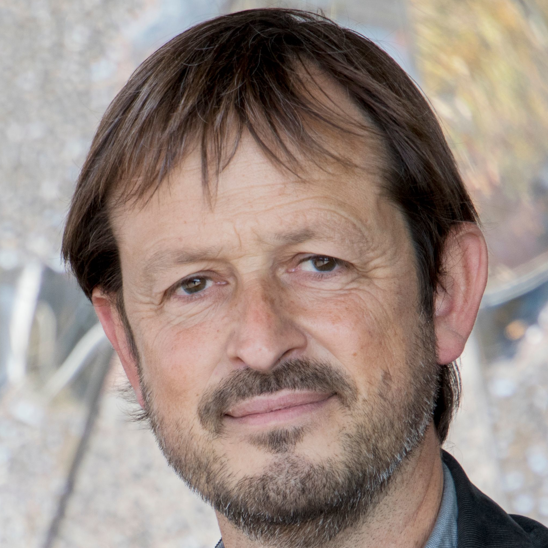
CRAI Universitat de Barcelona, Barcelona, Spain;Dr. Ignasi Labastida is the Rector's Delegate for Scientific Publications and Open Science at the University of Barcelona where he is also the head of research support at its library (known as CRAI). Currently, he chairs the Board of SPARC Europe and the Policy Group on Information and Open Access at the League of European Research Universities (LERU). He has participated in the development of the Catalan Strategic Plan on Open Science and the Spanish National Strategy on Open Science. He is also part of the negotiation team for open access agreements at the Spanish Rectors' Conference. Since his involvement in introducing Creative Commons licenses in Spain in 2003, he has been working on copyright and openness.
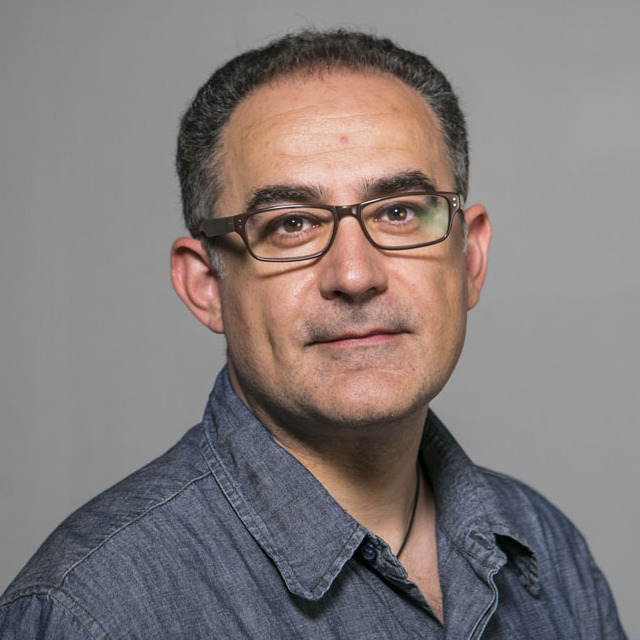
UOC Open University of Catalonia, Barcelona, Spain;Dr. Alexandre López-Borrull is an associate professor at the Open University of Catalonia (UOC), where he is the director of the Bachelor's Degree in Information and Documentation. He holds a PhD in Chemistry from the Autonomous University of Barcelona and a Bachelor's degree in Documentation from the UOC. As a researcher, he has worked on the legal aspects of information and electronic information sources in science and technology, and has participated in various research and transfer projects. His current research interests are related to disinformation and open science. He is also a member of the GAME research group (UOC).
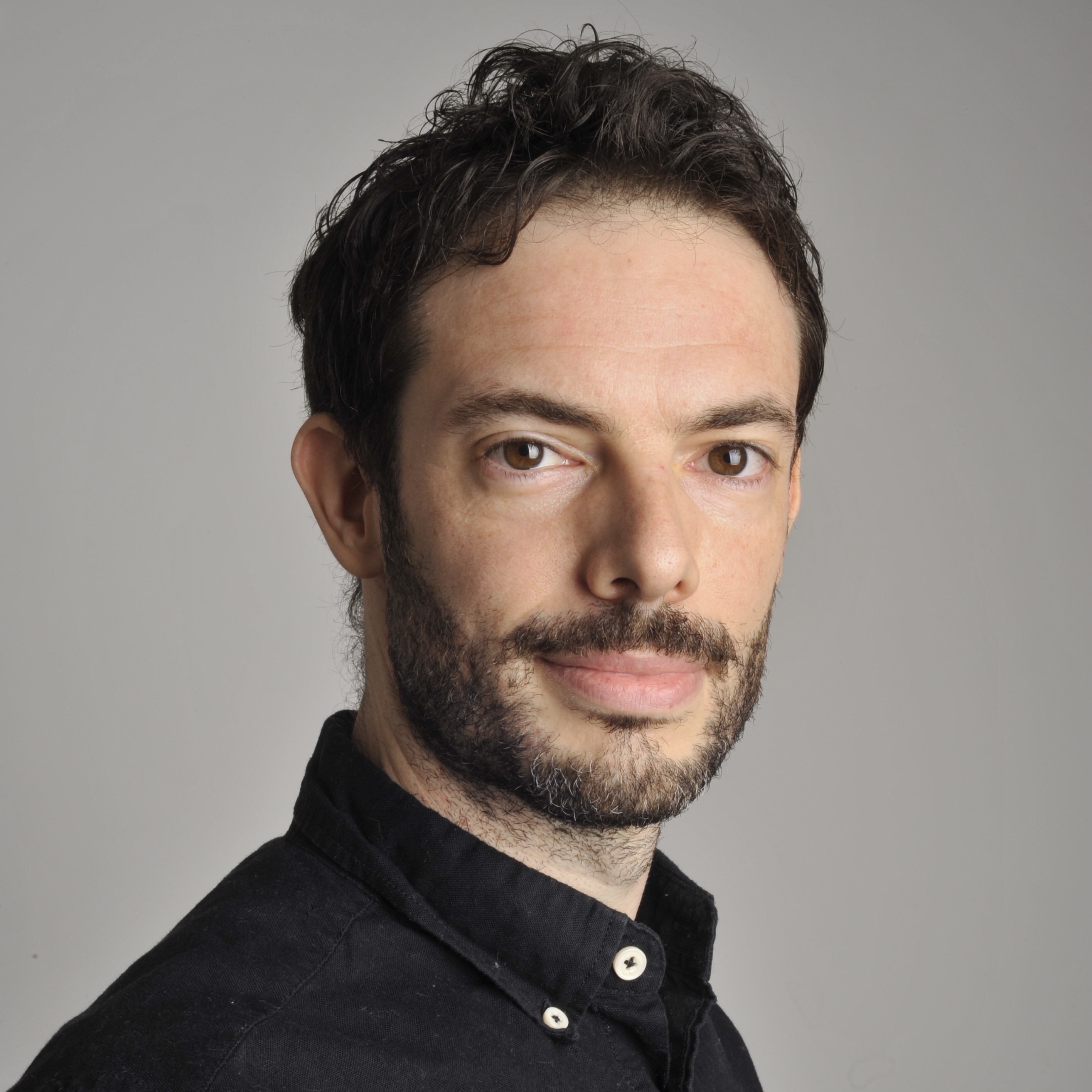
Business Analyst, MDPI, Barcelona;Dr. Enric Sayas holds a bachelor’s degree in in Agricultural Engineering and a PhD in Biotechnology from the Polytechnic University of Valencia, as well as a completed post-doc at the University of Geneva. He joined MDPI in 2016, where he now works a business analyst focusing on new AI applications.

The 4th Basel Sustainability Publishing Forum brings together thought leaders, researchers, and practitioners to explore the transformative role of AI in open access publishing. We aim to foster a dialogue on how AI can be harnessed to prioritize community-driven knowledge dissemination, ensuring that academic research remains accessible, equitable, and free from commercial constraints.
The academic landscape is rapidly evolving, with AI offering unprecedented opportunities to enhance the peer review process, improve research accessibility, and promote sustainable publishing practices. However, with these advancements come challenges in balancing innovation with the core values of openness and community empowerment. We look forward to your contributions to these important discussions as we navigate the possibilities AI brings to open access publishing, with a shared commitment to fostering inclusive, sustainable, and transparent scholarly communication.
We are very much looking forward to seeing you at 4th Basel Sustainability Publishing Forum Webinar. Please find below an up-to-date outline of the presenters.
Date: 24 October 2024 at 02.00 p.m. CEST | 8:00 a.m. EDT | 8:00 p.m. CST Asia
Webinar ID: 859 6060 7328
Webinar Secretariat: journal.webinar@mdpi.com
On Thursday, 20 May 2021, MDPI and the journal Publications organized a webinar entitled Basel Sustainability Publishing Forum Webinar 2024: AI in Open Access.
The following webinar focused on the latest developments in Artificial Intelligence, especially Large Language Models (LLMs), and the impact these technologies might have on Open Science and Open Access. We were pleased to host two distinguished scholars: Dr. Ignasi Labastida, the Rector's Delegate for Scientific Publications and Open Science at the University of Barcelona, a pioneer in introducing Creative Commons licenses in Spain in 2003, and Dr. Alexandre López-Borrull, an associate professor at the Open University of Catalonia (UOC), where he leads the Bachelor's Degree in Information and Documentation and researches disinformation and open science. The webinar was moderated by Dr. Enric Sayas, a Business Analyst at MDPI specializing in AI applications in publishing.
Dr. Enric opened the session with an overview of recent AI advancements and their effects on the scientific publishing landscape, highlighting the limitations of LLMs and best practices for their use in research and paper drafting. Dr. Ignasi then discussed the potential risks that these technologies pose to Open Access, including concerns over data gathering for model training and its differing impacts on open-access manuscripts versus paywalled papers. He raised critical questions about the relevance of current Creative Commons licenses in this new landscape and discussed whether AI-generated content should be considered plagiarism, derivative, or original. Dr. Alexandre’s presentation explored the potential benefits of AI in Open Science and Open Access, including its role in disseminating scientific content. He led a discussion on misinformation, disinformation, and malinformation, examining how LLMs could address these issues. He also emphasized the need to prioritize quality over quantity in scientific publications and suggested ways in which these technologies could support this shift.
The session concluded with a roundtable discussion on AI’s potential to transform Open Access by empowering community-driven initiatives, improving accessibility, and supporting sustainable publishing models, particularly in resource-limited regions. However, concerns were raised about AI's role in reinforcing commercial control over Open Access and science in general, highlighting the need for open-source development, ethical oversight, and policies to prevent monopolization.
As a key takeaway, the speakers agreed that, with thoughtful integration, AI could democratize knowledge, facilitate scholarly collaboration, and bolster OA sustainability, ultimately paving the way for a future where AI enhances, rather than exploits, the open sharing of knowledge.
The webinar was hosted via Zoom and required prior registration to attend. The full recording can be accessed below. In order to learn about future webinars, you can sign up for our newsletter by clicking “Subscribe” at the top of the page.