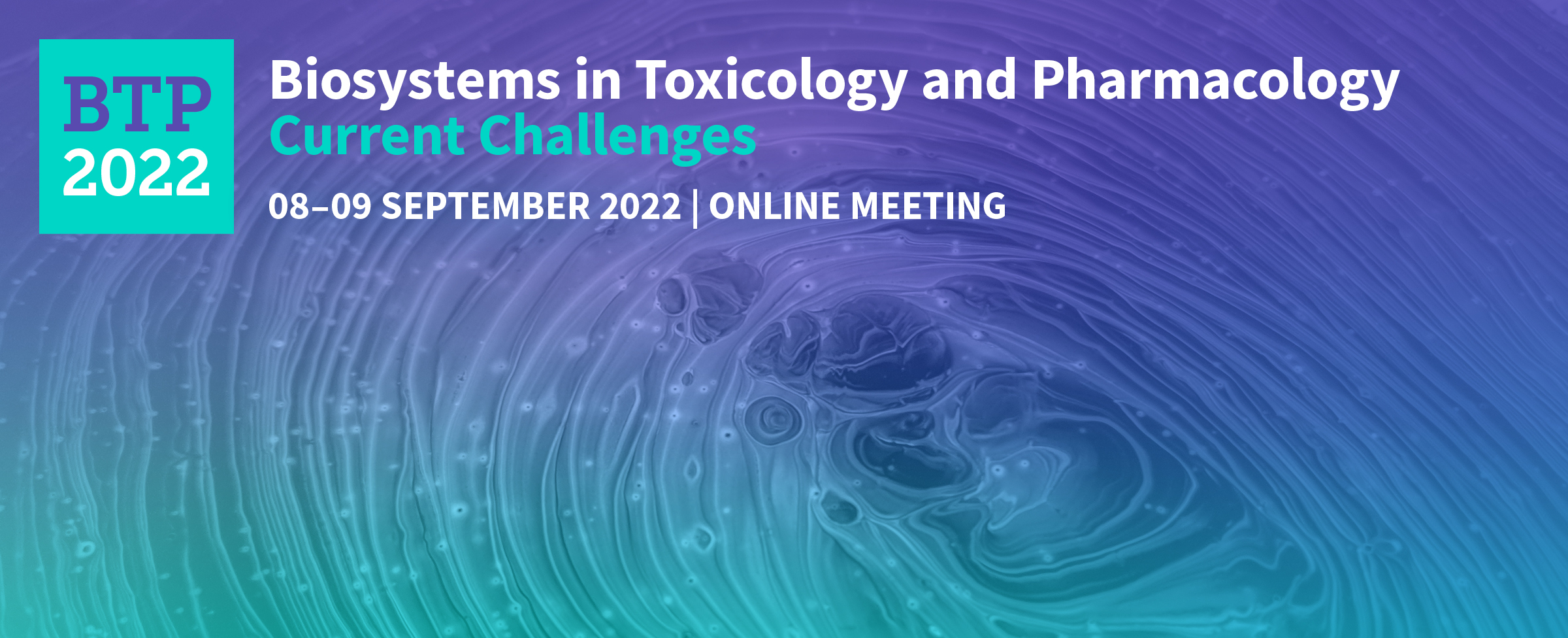
Biosystems in Toxicology and Pharmacology – Current challenges
the chairs
Abstract and Manuscript submissions after the indicated deadlines are acceptable and will be considered case-by-case according to the program of the Meeting
Biological systems and models provide essential platforms for the evaluation of drugs and toxicants. From biomolecular systems comprising enzymes or antibodies to a panoply of existing cell culture models, different bio-based systems became important tools to study toxicological and pharmacological responses. The great progresses in health care, drug development, food and environmental safety did not left behind the in vitro approaches. By the contrary, keeping pace with biological knowledge and biofabrication technologies, the expectations are high in the development of novel, multifunctional, integrated, accessible, increasingly bio-informative solutions.
This Meeting aims to stimulate the research on the development and applications of biomolecular systems. Some topics in the crossroads of Toxicology and Pharmacology are initially set to promote the exchange of ideas, and the program is open to other, innovative, concepts and practical approaches addressing issues in those fields and Molecular Biosciences in general.
Topics of interest include, but are not limited to:
- Cell culture systems replicating in vivo conditions
- Biodevices and functional tissues for disease modelling
- Target identification and network pharmaco/toxicology
- Non-animal and human-relevant approaches
- Barrier mimicking and drug delivery systems
- Bioactive compounds and materials
- Responses to mixtures, emergent pollutants, food ingredients and impurities in pharmaceuticals
- Biosensors for diagnostic, environmental and industrial applications
- Development of vaccines and cell therapies
- Integration with modelling and computational methods.
We invite all the interested in the development of new bioanalytical and research methods to share their experience and participate in this forum.
Meet Our Chairs
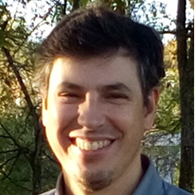
ESTG-Polytechnic Institute of Leiria, Portugal;https://sciprofiles.com/profile/980042
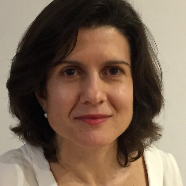
FCT-NOVA University of Lisboa, Portugal;https://novaresearch.unl.pt/en/persons/paula-alexandra-videira
FCT-University of Algarve, Portugal;https://www.ccmar.ualg.pt/users/maalves
Important Dates
30 Jun
2022
30 Jun
2022
31 Aug
2022
31 Aug
2022
31 Aug
2022
Meet Our Speakers
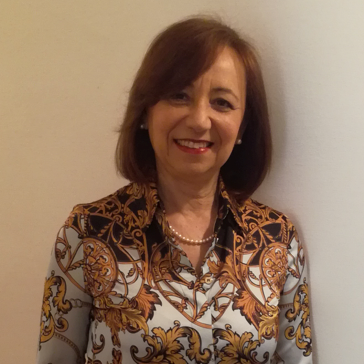
University of Florence (Italy);Title: Emerging Biosensors for detecting food contaminants;Giovanna Marrazza broad expertise includes preparation and evaluation of biosensors based on the coupling of electrochemical, optical and piezoelectric sensors with enzymes, antibodies, bacteria, Molecular Imprinted Polymers and aptamers. She also is an expert in analytical procedures suitable for use with biosensor devices, i.e. flow injection analysis, microflow systems, thick-film technology; nanodispensing technologies and Immobilization procedure of biomolecules on several supports. Techniques in molecular diagnostics (DNA extraction, polymerase chain reaction, DNA purification, protein–DNA complexes); Nanomaterials: carbon nanotubes, nanobeads, nanostructured and nanocomposite polymers. Profile: https://www.unifi.it/p-doc2-0-0-A-3f2a3d2c322e2f.html
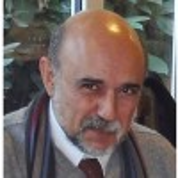
University of Extremadura (Spain);Title: High-affinity molecular targets of amyloid β (1-42) peptide oligomers in neurons;Professor of Biochemistry and Molecular Biology of the University of Extremadura. Author of more than 170 scientific publications, largely published in JCR-indexed journals. Over 40 invited oral communications in international and national meetings of Biochemistry and Molecular Biology, and Biophysics. Present research interests: molecular mechanisms of neurodegeneration induced by amyloid-β peptides and neurotoxins, and neuroprotection agents. Profile: https://orcid.org/0000-0003-3673-7007
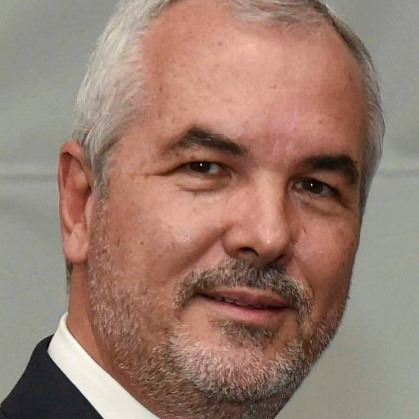
University of Porto (Portugal);Tentative Title: Toxicology of the XXI century;Félix Carvalho, PharmD, PhD, ERT, is Full Professor of Toxicology at the Laboratory of Toxicology, Department of Biological Sciences, Faculty of Pharmacy, University of Porto (FFUP). Félix Carvalho is currently: - President of EUROTOX (Association of European Toxicologists and European Societies of Toxicology); - President of the North Regional Section of the Portuguese Order of Pharmacists; - President of the Scientific Council of FFUP; - Vice-Director of the Research Unit on Applied Molecular Biosciences (UCIBIO), Portugal; - Member of the Member of the Medicines Evaluation Committee of INFARMED. The Portuguese Authority of Medicines and Health Products. - Associate member/member of the Editorial Board of several Scientific Journals in the areas of Toxicology, Pharmacology and Pharmaceutical Sciences. During the past 30 years, Félix Carvalho has published over 450 scientific articles / book chapters, and is co-editor of the books “Toxicologia Forense“ and "Toxicologia Fundamental”. Profile: https://orcid.org/0000-0003-3858-3494
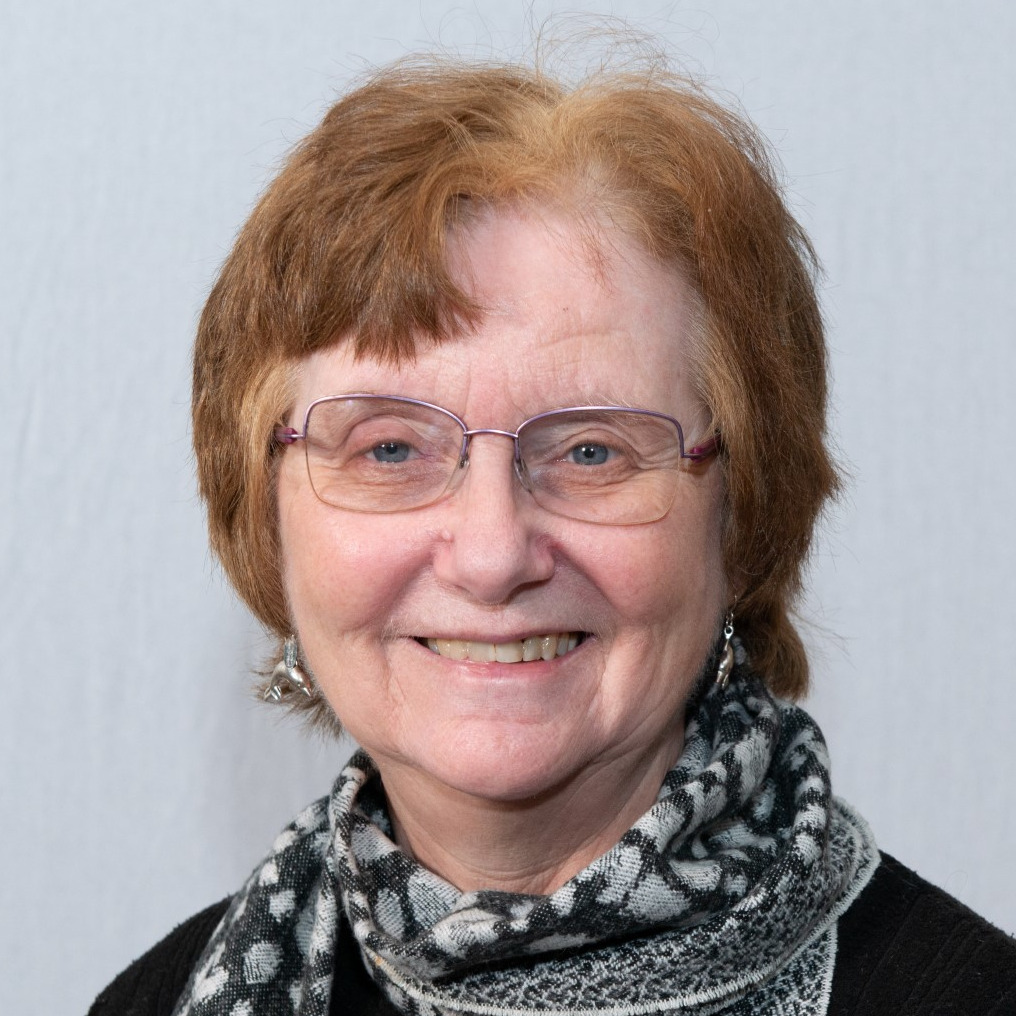
Colorado State University (USA);Title: Potential applications of vanadium-based anticancer drugs for intratumoral injections;My interest is the fundamental chemistry and biochemistry of drugs with particular interest in vanadium and other transition metal ions as metals in medicine and their mechanisms of toxicity. My group and I have synthesized new compounds and characterized them and tested their biological properties. We have been studying the fundamental coordination chemistry of vanadium and other transition metal compounds in aqueous solution and model systems for what might occur in the varied environments of biological systems. Studies of lipid systems and micro-emulsion environments help us understand how drugs and metabolites interact and penetrate lipid interfaces. Profile: https://cranslab.colostate.edu/crans-brief-resume/
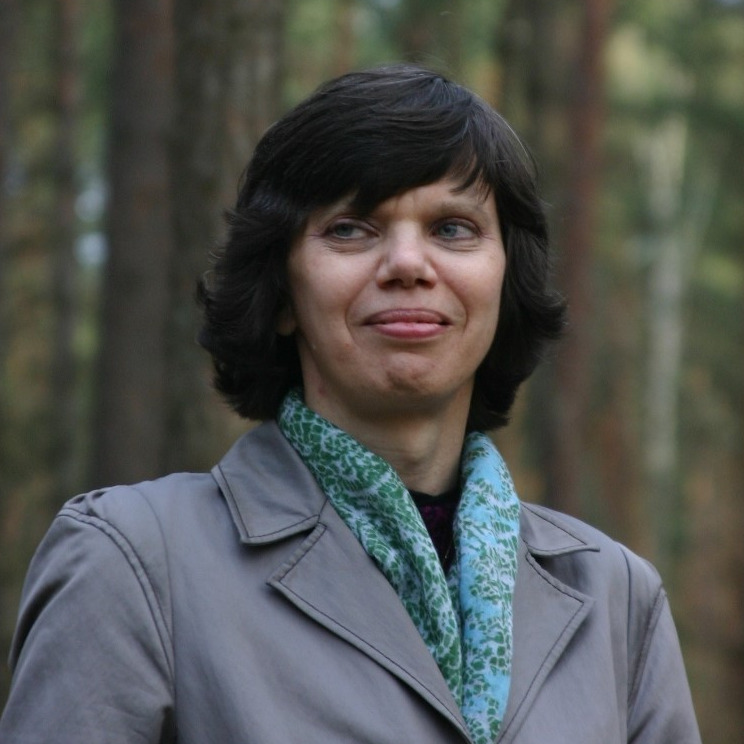
Center for Physical Sciences and Technology, Lithuania;Title: Abilities of Graphene to Monitor Human Health;The research group performs investigations in: Development of new composites of functional nanomaterials and their electrochemical investigation; Development of conducting polymers from natural monomers and their investigation; Development of electrochemical sensors for medical, food analysis, and other applications employing natural polymers and graphene; Electrochemical investigations of cell metabolites. Profile: https://www.ftmc.lt/functional-nanomaterials-laboratory
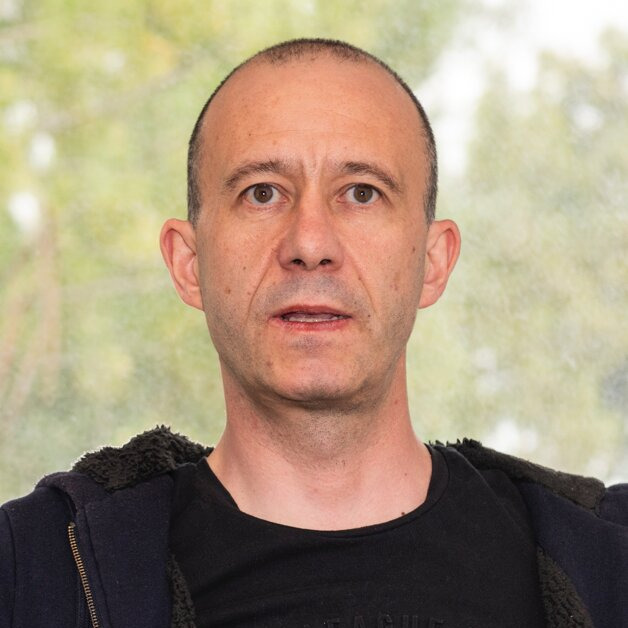
University of Coimbra, Portugal;Title: Models and formulations to overcome the blood-brain barrier;Lino Silva Ferreira holds a Ph.D. in Biotechnology from the University of Coimbra (Portugal). He did postdoctoral work at INEB (Portugal) and MIT (USA) in the group of Robert Langer in the areas of stem cells and nanotechnologies. He established his research group in 2008 at the University of Coimbra. Since then is the director of the Biomaterials and Stem Cell-Based Therapeutics research group, CNC coordinator of the MIT-Portugal Program and the founder of the biotech company Matera. He is also the associate editor of Biomaterials Science Journal (RSC). In 2012, he was awarded with a prestigious European Research Council starting grant and in 2016 a prestigious ERA Chair position at the University of Coimbra. His group has interest in the development of advanced therapies for ischemic diseases. Profile: http://erachair.uc-biotech.pt
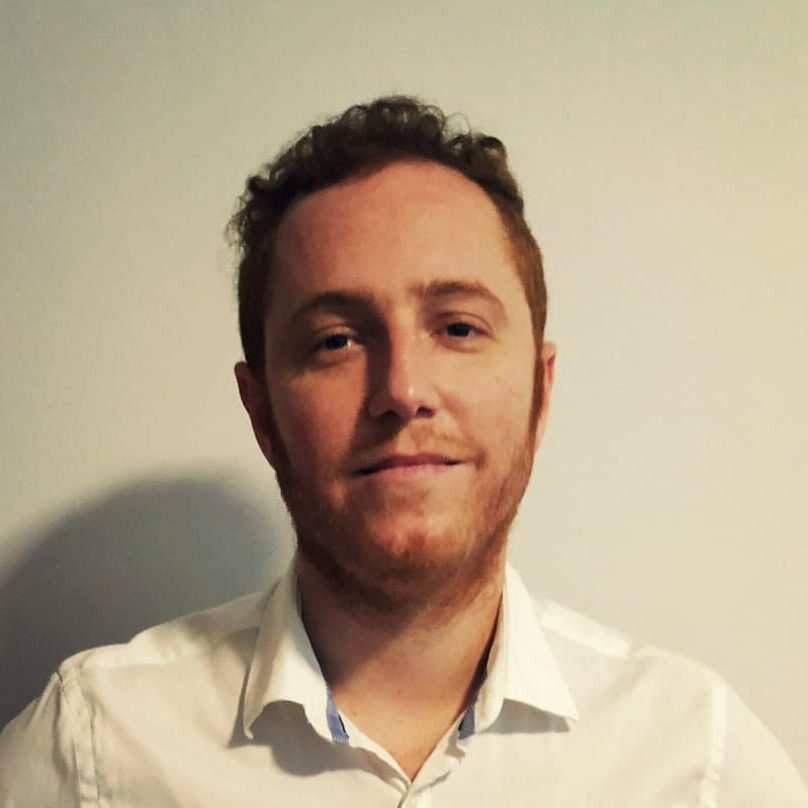
Consejo Nacional de Investigaciones Científicas y Técnicas, Argentina;Title: Finding new molecular targets of Copper(II) complexes on triple negative breast cancer cells using mass spectrometry-based quantitative proteomics;Ignacio León is a Associate Researcher in Centro de Química Inorgánica, a research institute from CONICET and National University of La Plata. He was born in Viedma in 1986, graduated in 2010 in Biotechnology, and completed his doctoral studies (Ph.D. in Biological Sciences) in 2015 in the National University of La Plata. From 2015 to 2016 he did a postdoctoral position in Salamanca University, Spain. In the middle of 2016 he joined Centro de Química Inorgánica as an Assistant Researcher and in 2019 he received an Associate Researcher position to work at the same institute. His research interests are mainly in the field of medicinal chemistry, especially in bioinorganic chemistry focused in the design, synthesis and biological studies of metal-based drugs as antitumor agents. He co-authored more than 55 publications and more than 75 conference presentations. Profile: https://www.conicet.gov.ar/new_scp/detalle.php?id=43308&datos_academicos=yes
RWTH Aachen University, Germany;Title: Metal-based cancer (nano)medicine;Quim Peña obtained his PhD degree in Chemistry from the Universitat Autònoma de Barcelona (Spain) and the Aix-Marseille Université (France) in 2019, focused on metal-based compounds as potential chemotherapeutics. He joined the Institute for Experimental Molecular Imaging at RWTH Aachen University in 2020 as a postdoctoral researcher. His current research deals with the use of nanomedicine for improved delivery of several organic- and metal-based (pro)drugs, in order to enhance their therapeutic efficiency and minimize the associated side-effects in cancer therapies. He is also involved in the synthesis of prodrugs and drug-loaded polymeric micelles projects. Profile: https://orcid.org/0000-0001-6477-8127