Bioengineering Webinar | Bioengineering Born from Medical-Engineering Collaboration
the chair
Bioengineering Webinar
Bioengineering Born from Medical-Engineering Collaboration
Bioengineering plays a central role in promoting collaboration between medicine and engineering by integrating life sciences, materials science, and digital technologies to address complex clinical challenges. In the field of dentistry, bioengineering-based approaches have dramatically advanced dental materials science and enabled the development of biomimetic and patient-specific solutions. Furthermore, tissue engineering strategies incorporating stem cells and bioactive scaffolds are expanding the scope of regenerative therapies for periodontal and pulp tissues.
Image analysis and material optimization utilizing artificial intelligence (AI) are further facilitating accurate diagnosis and the formulation of evidence-based treatment plans. Despite these achievements, challenges remain in obtaining regulatory approval, conducting long-term biological validation, and fostering interdisciplinary talent development.
To accelerate clinical application and achieve sustainable innovation, it is essential to strengthen the framework for translational research and promote collaboration among clinicians, engineers, and industry partners. We are honored to have professors who have made significant contributions to the field—and who have been of great assistance to me throughout my research career—deliver presentations for this event.
Date: 29 July 2026
Time: 8:00 am CEST | 3:00 pm JST | 2:00 pm CST (Asia)
Webinar ID: 840 9819 9888
Webinar Secretariat: journal.webinar@mdpi.com
Meet Our Chair

Department of Oral Health Engineering, Faculty of Health Sciences, Osaka Dental University, Japan;Dr. Satoshi Komasa is an Associate Professor within the Department of Oral Health Sciences, Faculty of Health Sciences, Osaka Dental University. Drawing on his expertise in prosthodontics, dental materials science, oral regenerative medicine, and biomedical engineering, Dr. Komasa conducts research on the functional enhancement and clinical application of biomaterials used in dentistry. His primary research interests include nanostructure control, coating technologies, and surface modification of dental biomaterials such as titanium, zirconia, and polyetheretherketone (PEEK). His research aims to improve the hydrophilicity, biocompatibility, antibacterial properties, and osteogenic potential of material surfaces, thereby promoting the early stabilization and long-term success of dental implants. Dr. Komasa actively promotes interdisciplinary and interinstitutional collaboration with researchers in dentistry, materials science, surface engineering, plasma engineering, and regenerative medicine. As a result, he has established collaborative research programs with numerous universities and research institutions and has also been involved in multiple patent applications. His work seeks to create an integrated pathway from basic research to intellectual property development, product innovation, and clinical application. By bridging materials science and clinical dentistry, Dr. Komasa aims to develop safer, more functional, and more durable dental materials and treatment methods. He places particular importance on translating research findings into clinical practice and continues to contribute to education, research, and patient care with the goal of improving oral function and quality of life.
Meet Our Speakers
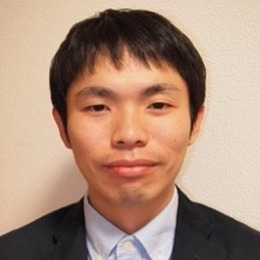
Department of Applied Chemistry, Graduate School of Science and Engineering, Doshisha University, Japan;Dr. Yoshiro Tahara obtained his Ph.D. from Kyushu University in 2012 under the supervision of Prof. Masahiro Goto. His key research focus was “Transdermal insulin delivery and transcutaneous vaccination using a solid-in-oil nanodispersion”. Between 2012 and 2017, Y. Tahara belonged to Kyoto University as a post-doctoral researcher; the Supervisor of the laboratory was Prof. Akiyoshi Kazunari. During this time, novel nanogel-based materials such as nanogel-cross-linked microsphere and porous gels for tissue engineering were developed. Between 2017 and 2019, Y. Tahara returned to Kyushu University as a postdoctoral researcher under the supervision of Prof. Goto. During this period, research on a solid-in-oil-in-water emulsion as a novel immunostimulatory adjuvant was published. In 2019, Y. Tahara joined Doshisha University as an Associate Professor, working in the same laboratory as Prof. Michiaki Matsumoto, a researcher in chemical engineering. In 2026, Y. Tahara was promoted to Professor at Doshisha University, and is also currently chair of a committee of young researchers within the Japanese Society for Biomaterials in the Kansai region. On 1st August 2026, the conference of the Japanese Society for Biomaterials in the Kansai region for young researchers will be held at Doshisha University.
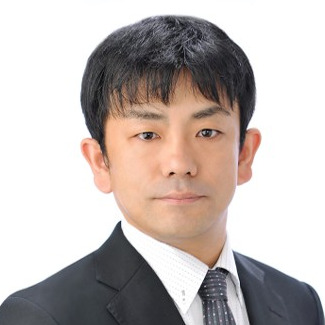
Department of Dental Medicine, Graduate School of Medical Science, Kyoto Prefectural University of Medicine, Japan;Dr. Tetsuya Adachi is a clinician-scientist and Associate Professor in the Department of Dental Medicine at Kyoto Prefectural University of Medicine (KPUM). His research centers on biomaterials, including ceramics and polymers, as well as anti-aging science. Dr. Adachi’s laboratory investigates the extracellular matrix of naked mole-rats with the aim of elucidating the mechanisms underlying their remarkable anti-aging effects. Through this work, his group seeks to advance understanding of how extracellular matrix biology can contribute to regenerative medicine, biomaterials research, and age-related disease prevention. In addition to his research, he is actively engaged in managing and fostering interdisciplinary researcher communities, an activity that has become one of his major professional interests. He aims to establish an independent research program that integrates bioengineering, immunology, and translational biomaterials to bridge basic research and clinical application.

Department of Mechanical Engineering, Faculty of Science and Engineering, Tokyo City University, Japan;Dr. Hideaki Sato is an Associate Professor in the Department of Mechanical Engineering, Faculty of Science and Engineering, at Tokyo City University. His area of expertise is abrasive machining, including grinding and polishing. Although affiliated with the Department of Mechanical Engineering, he is also a member of dental academic societies and conducts research related to dentistry. He has explored research areas in dentistry where mechanical engineering principles can be applied and has sought out relevant research topics. He is currently researching the polishing of dental materials such as pure titanium, hybrid resin, and PEEK. He has devised a new sodium-alginate-bonded mounted wheel; fabricated a custom polishing apparatus; and evaluated its polishing characteristics. He also focuses on agar particles, utilizing them in a blasting cleaning for dental materials. Agar is soft and highly biocompatible, making it very unlikely to cause scratches in dental materials. Additionally, he is researching a method to impart antibacterial properties to denture base materials by peening them with apatite, thereby transferring apatite onto the surface. When a mechanical engineering researcher conducts dental research, finding excellent collaborators is crucial to ensure the research stays on the right track; this significantly influences the future development of the work. In Japan, very few researchers affiliated with science and engineering universities participate in dental academic societies. While there are some researchers from the field of chemistry, there are hardly any from the field of mechanical engineering. Unless this situation improves, and more researchers in the fields of science and engineering take an interest in dentistry and engage in dental research, we cannot expect significant progress in the field. In this webinar, I will share the experiences I have gained through collaborative research with dentists.
In this section, you will find the recordings of this webinar to watch, re-watch and share with your colleagues



Bioengineering Born from Medical-Engineering Collaboration
Edited by Dr. Satoshi Komasa
Deadline for manuscript submissions: 31 October 2026