Biomedicines Webinar | Pharmacokinetics and Pharmacogenetics in Treating Infections
the chair
13th Biomedicines Webinar
Pharmacokinetics and Pharmacogenetics in Treating Infections
The new era in systems pharmacology has revolutionized the study of human biology. Its applicability, precise treatment, adequate response, and safety measures are all relevant to medical/clinical practice, particularly in the field of infectious diseases, given the dramatic increase in the prevalence of multi-drug-resistant organisms in the last 10 years.
Given this background, immediate and appropriate anti-infective therapy – defined as the timely commencement of pharmacological treatment with an appropriate strength for the pathogen(s) – is mandatory to improve the clinical outcomes of infected patients and limit/prevent the development of resistance.
Consistent and solid evidence is accumulating showing that the successful treatment of severe infections is based on the selection of the most appropriate anti-infective agents that ensure adequate exposure, whilst taking into consideration both the patient’s pathophysiological changes and the physicochemical properties of the drug administered to reach optimal pharmacokinetic/pharmacodynamic (PK/PD) targets. This is particularly true for antibiotics, since under-dosing may result in treatment failure, increasing the likelihood of the development of antimicrobial resistance. The achievement of optimal anti-infective exposure is difficult in clinical practice because most of these drugs are administered according to standard dosing regimens which do not take into account the pathophysiologic, iatrogenic, and/or genetic factors that are likely to affect both the pharmacokinetics and pharmacodynamics of anti-infective agents in different real-life settings.
Accordingly, in this webinar, we will deal mainly with the main clinical, pharmacologic, and pharmacogenetic sources of variability in the exposure and clinical response to anti-infective agents, with a specific focus on the role of therapeutic drug monitoring and pharmacogenetic testing as reliable diagnostic tools in the daily management of in- and out-patient settings.
Finally, the potential role of a fast-track pharmacology at the bedside will be also proposed.
Date: 10 May 2024 at 3.00 p.m. CEST | 9:00 a.m. EDT | 9:00 p.m. CST Asia
Webinar ID: 893 0899 5947
Webinar Secretariat: journal.webinar@mdpi.com
Meet Our Chair
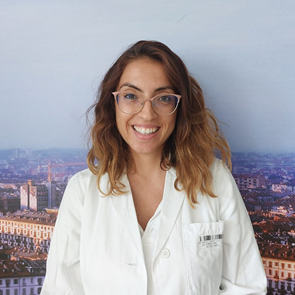
Department of Medical Sciences, University of Turin, Italy;Associate Professor in Pharmacology (BIO/14) at the Department of Medical Sciences, University of Turin. Clinical-assistance activity as biologist manager at the Clinical Pharmacology and Pharmacogenetics Laboratory of the Amedeo di Savoia hospital, ASL CITTA' di TORINO (responsible for the Pharmacogenetics sector). Specialist in Microbiology and Virology. 2010: MSc in Health Biology, University of Turin 2016: Specialization in Microbiology and Virology, University of Turin 2019: PhD in Complex Systems for Life Sciences Experience of over 10 years regarding issues relating to personalized medicine in the field of clinical pharmacology, pharmacogenetics, and pharmacokinetics. Research activity, as demonstrated by numerous publications, is focused on the field of infectious diseases, oncology, gynecology, and environmental virology.
Meet Our Speakers
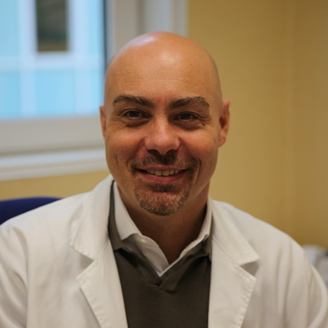
Sacco Hospital, Milan, Italy;Dr. Dario Cattaneo has a Pharmacy degree and a post-degree specialization in Pharmacology (University of Milan, Italy), as well as a PhD degree in Biomedical Sciences (Open University of London, UK). Since 2008, Dr. Cattaneo has been a Assistant Professor of Pharmacology at the University of Milan. Previously, he was the Head of Pharmacology and Pharmacogenetics at the Mario Negri Institute for Pharmacological Research, Bergamo, Italy. From 2008 to 2022, he was in charge of the Laboratory of Pharmacokinetics of the Unit of Clinical Pharmacology; now, he is a consultant pharmacologist in the Department of Infectious Diseases, Luigi Sacco University Hospital Luigi Milano, Italy. Since October 2021, he has been the President of the International Association of Therapeutic Drug Monitoring and Clinical Toxicology. His areas of interest are pharmacokinetics, pharmacodynamics, pharmacogenetics, and the therapeutic drug monitoring of anti-infectives, immunosuppressants, and CNS drugs. He is also interested in the study of potential drug–drug interactions in real-life settings. Dr. Cattaneo is the author of nearly 300 scientific articles published in peer-reviewed journals (8200 citations, H-index 45), seven book chapters, and over 100 abstracts presented in different international congresses. He has been an invited speaker in nearly 350 meetings organized by national and international societies.
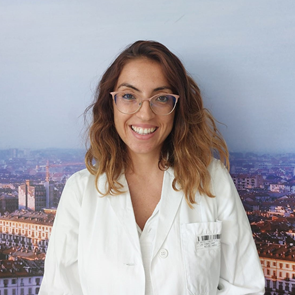
Department of Medical Sciences, University of Turin, Italy;Associate Professor in Pharmacology (BIO/14) at the Department of Medical Sciences, University of Turin. Clinical-assistance activity as biologist manager at the Clinical Pharmacology and Pharmacogenetics Laboratory of the Amedeo di Savoia hospital, ASL CITTA' di TORINO (responsible for the Pharmacogenetics sector). Specialist in Microbiology and Virology. 2010: MSc in Health Biology, University of Turin 2016: Specialization in Microbiology and Virology, University of Turin 2019: PhD in Complex Systems for Life Sciences Experience of over 10 years regarding issues relating to personalized medicine in the field of clinical pharmacology, pharmacogenetics, and pharmacokinetics. Research activity, as demonstrated by numerous publications, is focused on the field of infectious diseases, oncology, gynecology, and environmental virology.
The new era in systems pharmacology has revolutionized human biology. Its applicability, precise treatment, adequate response, and safety measures fit into all of the paradigms of medical/clinical practice. This is particularly relevant in the field of infectious diseases, given the dramatic increment in the resistant organisms observed in the last 10 years, as presented by Prof. Cusato in her introduction to the webinar. In particular, Prof. Cusato emphasized the actual gaps and key medical needs in the fields of HIV, tuberculosis, and multidrug-resistant bacteria.
Given this background, immediate and appropriate anti-infective therapy is necessary to improve the clinical outcomes of infected patients and, hopefully, limit/prevent the development of resistance. Accordingly, in the first lecture, Dr. Cattaneo introduced the concept of fast-track pharmacology, summarizing the consistent and solid evidence showing that the successful treatment of severe infections is based on the selection of the most appropriate anti-infective agents, ensuring adequate exposure whilst taking into consideration both pathophysiologic changes in patients and the physicochemical properties of the drug administered to reach optimal PK/PD.
The achievement of optimal anti-infective exposure is difficult in clinical practice because most of these drugs are administered according to standard dosing regimens which do not take into account pathophysiologic, iatrogenic, and, most importantly, genetic factors that are likely to affect both the pharmacokinetics and pharmacodynamics of anti-infective agents in different real-life settings. Indeed, the second lecture given by Prof. Cusato dealt with the main clinical, pharmacologic, and pharmacogenetic sources of variability in the exposure and clinical response to anti-infective agents, with a specific focus on the role of pharmacogenetic testing (eventually combined with therapeutic drug monitoring) as reliable diagnostic tools in the daily management of in- and out-patient settings.
The webinar was hosted via Zoom and required registration to attend. The full recording can be accessed below. In order to learn about future webinars, you can sign up for our newsletter by clicking “Subscribe” at the top of the page.
Pharmacokinetics and Pharmacodynamics of Therapeutic Biologics
Guest Editor: Dr. Xiaoyu Yan
Deadline for manuscript submissions: 30 September 2024